Did you know that weighted blankets can harbor bacteria and odors if not properly cleaned? Regular maintenance is crucial to extend the life of your blanket and keep it fresh.
I understand the importance of gentle care when it comes to weighted blankets. The materials and construction of these blankets require special attention to maintain their quality and hygiene.
In this article, I’ll guide you through the steps to effectively clean your weighted blanket. This way, it will remain a cozy companion for years to come.
Key Takeaways
- Understand the materials and construction of your weighted blanket.
- Choose the right cleaning method based on the blanket’s materials.
- Learn the steps to clean your weighted blanket effectively.
- Maintain your blanket’s hygiene to extend its lifespan.
- Keep your weighted blanket fresh and clean with regular care.
Understanding My Weighted Blanket’s Materials
To take good care of my weighted blanket, I need to know what it’s made of. The fabric and filling affect how I clean it. Knowing this helps me keep my blanket in top shape.
Popular Types of Weighted Blanket Fabrics
Weighted blankets come in different fabrics. The most common are cotton, polyester, and bamboo.
| Fabric Type | Breathability | Durability |
|---|---|---|
| Cotton | High | Medium |
| Polyester | Low | High |
| Bamboo | High | Medium |
The table shows cotton and bamboo are more breathable than polyester. This is key for blankets meant to keep you comfortable while sleeping.
How Different Materials Affect Cleaning
The cleaning method depends on the fabric. Cotton and bamboo blankets usually go in the machine. Polyester ones need more care.
A guide on how to wash a weighted blanket says to always check the care label. This ensures I follow the maker’s cleaning advice, which changes with the materials.
Knowing my blanket’s materials helps me clean it right and keep it lasting longer. By picking the right cleaning method for the fabric, I can enjoy my blanket for many years.
“The longevity of a weighted blanket is directly related to how well it’s maintained, and that starts with understanding its materials.”
Frequency of Cleaning My Weighted Blanket
How often I wash my weighted blanket depends on a few things. This includes how often I use it and what I prefer when it comes to cleanliness. If I use it every day, I might need to wash it more than if I only use it sometimes.
Signs That It’s Time to Wash
There are a few signs that tell me it’s time to clean my weighted blanket. These include:
- Visible stains or spills on the blanket
- Unpleasant odors that persist even after airing out
- A general feeling of dinginess or dullness
If I see any of these signs, it’s probably time to wash my weighted blanket. For more detailed guidance on washing, I can check out Saativa’s blog on washing weighted blankets.
Recommended Washing Frequency
As a general rule, if I use my weighted blanket every day, I should wash it every 1-2 months. If I use it less often, washing it every 3-4 months is usually enough. But, this can change based on things like sweating, pets, or allergies.
| Usage Frequency | Recommended Washing Frequency |
|---|---|
| Daily | Every 1-2 months |
| Occasional | Every 3-4 months |
By following these guidelines, I can keep my weighted blanket clean, hygienic, and in good condition for a longer time.
Preparing to Clean My Weighted Blanket
Before you start cleaning, make sure your weighted blanket is ready. Julia Johnson, a cleaning expert, says, “Preparation is the key to a successful cleaning process.” This means checking the care label and getting the right cleaning supplies.
Checking Care Labels for Instructions
The care label on your weighted blanket has important cleaning info. Some need dry cleaning, while others can be washed by machine or hand. Always check the label first to prevent damage.
According to
“The Spruce: Cleaning Guide,” checking the care label is a crucial step that can save you from potentially ruining your weighted blanket.
If it says dry cleaning, take it to a professional cleaner.
Gathering Cleaning Supplies
Getting the right cleaning supplies is key for a good clean. You’ll need a mild detergent that fits your blanket’s fabric. Avoid harsh chemicals or bleach as they can harm the fabric or the filling.
- Mild detergent
- Soft-bristled brush (for gentle agitation)
- Large capacity washing machine (if machine washing)
- Clean towels (for drying)
With the right supplies and following the care label, you can clean your weighted blanket well. This keeps it in good condition.
Washing My Weighted Blanket in a Machine
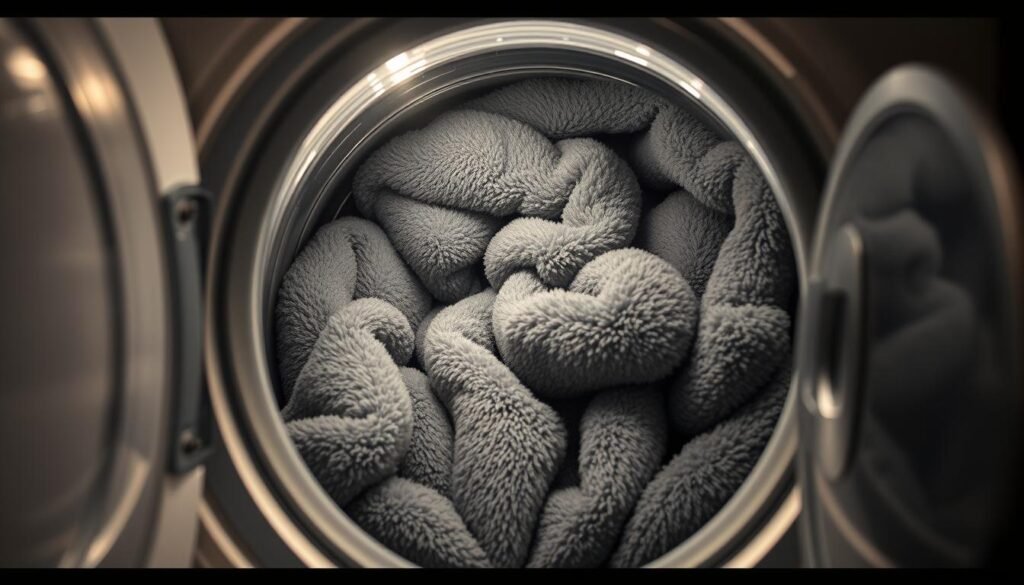
Cleaning my weighted blanket in a washing machine is easy if I do it right. It’s a good way to keep it clean and smelling fresh.
Choosing the Right Cycle on My Washer
To keep my weighted blanket safe, I must pick the right washer cycle. A gentle cycle with cold water is best. It keeps the blanket’s fabric and filling in good shape.
I should always check my washer’s manual. It tells me about different cycles and settings. Some washers have special cycles for delicate or bulky items, like weighted blankets.
Recommended Detergents for Cleaning
Choosing the right detergent is key when washing my weighted blanket. I should use a mild detergent without harsh chemicals or dyes. These can damage the fabric or mess with the filling.
- Look for a detergent made for delicate items.
- Don’t use bleach or fabric softeners, as they can ruin the blanket.
- Go for a fragrance-free detergent to avoid skin irritation.
By picking the right washer cycle and detergent, I can clean my weighted blanket well. And it won’t get damaged.You can learn more about how-to-clean-headlights
Hand Washing My Weighted Blanket
Hand washing is a good choice for weighted blankets that need special care. It’s a gentle way to clean them. This helps keep the blanket in good shape for longer.
When to Choose Hand Washing
Hand washing is best for big blankets or those made of delicate materials. These can’t fit in a regular washing machine. Always follow the care label to keep your blanket looking great.
Signs that your weighted blanket needs hand washing include:
- Visible stains that need immediate attention
- A strong odor that persists after airing out the blanket
- Care label instructions that recommend hand washing
Step-by-Step Guide for Hand Washing
Hand washing your weighted blanket is easy but needs some care. Here’s how to do it right:
- Fill a large tub or container with lukewarm water. The water should be between 90°F and 100°F.
- Add a mild detergent made for hand washing or delicate items. Stay away from harsh detergents and those with bleach or strong fragrances.
- Put the blanket in the water, making sure it’s fully covered by the detergent solution.
- Let it soak for about 15 minutes. This lets the detergent work on the fabric and loosen dirt.
- Agitate the blanket gently by hand, starting from the top. Be careful not to wring or twist it, as this can damage the blanket.
- Rinse the blanket well with clean, lukewarm water to get rid of all soap.
- Remove excess water without wringing the blanket.
After hand washing, drying your weighted blanket correctly is key. This is covered in a later section. But first, gently remove excess water and prepare the blanket for drying as instructed.
| Hand Washing Tips | Benefits |
|---|---|
| Use lukewarm water | Prevents damage to fabric and weighted filling |
| Avoid harsh detergents | Preserves the blanket’s material and prevents irritation |
| Gentle agitation | Ensures cleaning without damaging the blanket |
Drying My Weighted Blanket Properly
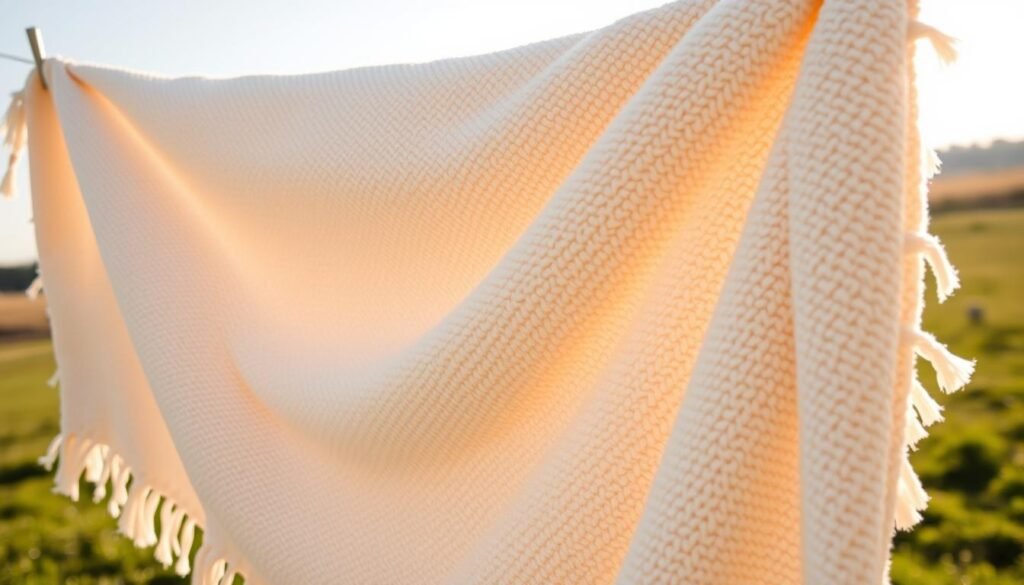
Drying my weighted blanket needs careful thought to keep it in top shape. The way we dry it can change how it feels and looks. So, picking the right method is key.You can learn more about how-to-clean-hair-brushes
Air Dry vs. Machine Dry
I have two main choices for drying my weighted blanket: air drying or machine drying. Air drying is softer on the fabric and keeps the filling safe. But, machine drying is quicker, if done right.
For more tips on cleaning weighted blankets, check out Martha Stewart’s guide.
Tips for Avoiding Damage While Drying
To dry my weighted blanket without harm, I follow some important steps. First, I always check the care label for drying tips. If it’s okay to machine dry, I use low heat to protect the fabric and filling.
For air drying, I spread the blanket flat on a clean spot. I make sure it’s not in direct sunlight, which can make it fade.
- Use a low heat setting when machine drying.
- Lay the blanket flat when air drying.
- Avoid direct sunlight to prevent fading.
By sticking to these tips, my weighted blanket stays comfy and supportive.
Spot Cleaning for Small Stains
Spot cleaning is a great way to get rid of small stains on my weighted blanket without washing it all. It’s perfect for keeping the blanket clean between washes.
Choosing the Right Cleaner for Stains
Choosing the right cleaner is key for spot cleaning. I always check the care label to make sure the cleaner is safe for my blanket’s fabric. A mild detergent or a stain remover made for the fabric usually works well.You can learn more about how-to-clean-retainers
It’s important to avoid harsh chemicals or abrasive cleaners. They can harm the fabric or the weighted filling. If I’m not sure, I use a gentle, fragrance-free cleaner to be safe.
| Stain Type | Recommended Cleaner | Additional Tips |
|---|---|---|
| Food or Drink Stains | Mild Detergent | Blot the stain gently before applying cleaner. |
| Grease or Oil-Based Stains | Stain Remover or Baking Soda Paste | Apply the cleaner directly to the stain and let it sit for a few minutes. |
| Ink or Dye Stains | Specialized Stain Remover | Test the cleaner on an inconspicuous area first. |
Simple Steps for Effective Spot Cleaning
To spot clean, I first identify the stain and pick the right cleaner. Then, I apply the cleaner to the stain with a soft-bristled brush or clean cloth.
After a few minutes, I rinse with cold water and blot dry with a towel. If the stain is still there, I might need to do it again a few times.
By following these steps and using the right cleaner, I can remove small stains from my weighted blanket. This keeps it looking great.
Keeping My Weighted Blanket Fresh

To keep my weighted blanket fresh, I do more than just wash it. It’s about keeping it clean and comfy for sleep.
Techniques for Odor Removal
My weighted blanket can pick up odors from sweat and the environment. To fight this, I use a few tricks. Sprinkling baking soda on it helps. Let it sit for hours, then shake it off or vacuum.
Another trick is using a fabric refresher spray. These sprays get rid of smells and leave a nice scent. Make sure the spray is safe for your blanket’s material.You can learn more about how-to-clean-microwave
Tips for Preventing Dirt Buildup
Preventing dirt is easier than cleaning it. Using a removable cover helps a lot. Wash this cover often to keep the blanket clean.
Letting the blanket air out is also smart. Hang it outside to let fresh air in. This helps prevent dirt and smells.
| Method | Description | Frequency |
|---|---|---|
| Baking Soda Treatment | Sprinkle baking soda, let sit, then shake off or vacuum | Every 2-3 months |
| Fabric Refresher Spray | Spray to eliminate odors and freshen | As needed |
| Airing Out | Hang outside to allow fresh air circulation | Monthly |
Storing My Weighted Blanket
Storing my weighted blanket right is key to keeping it in top shape. When it’s not being used, the right storage method helps avoid damage. It also keeps it ready for when I need it again.
Best Practices for Storage
To store my weighted blanket well, I need to think about a few things. First, I should fold or roll it neatly to avoid creases and damage. It’s also smart to use a breathable storage bag. This lets air in and stops moisture from building up.
- Fold or roll the blanket to prevent creases
- Use a breathable storage bag for airflow
- Store in a dry, cool place away from direct sunlight
As Good Housekeeping points out, “Storing your weighted blanket in a breathable bag can help prevent the buildup of moisture, which can lead to mold and mildew.” This is crucial for weighted blankets. They can hold onto moisture because of their weight and materials.
How to Maintain Cleanliness While Stored
To keep my weighted blanket clean while it’s stored, I just need to follow a few easy steps. Before putting it away, I should make sure it’s clean and dry. I can also use natural things like cedar chips or lavender sachets. They help keep insects away and make the blanket smell fresh.
- Clean and dry the blanket before storage
- Use natural deterrents like cedar or lavender
- Check on the blanket periodically to ensure it remains clean and dry
By sticking to these tips, I can keep my weighted blanket clean, fresh, and in great shape, even when it’s not being used.
Special Considerations for Heavy Blankets
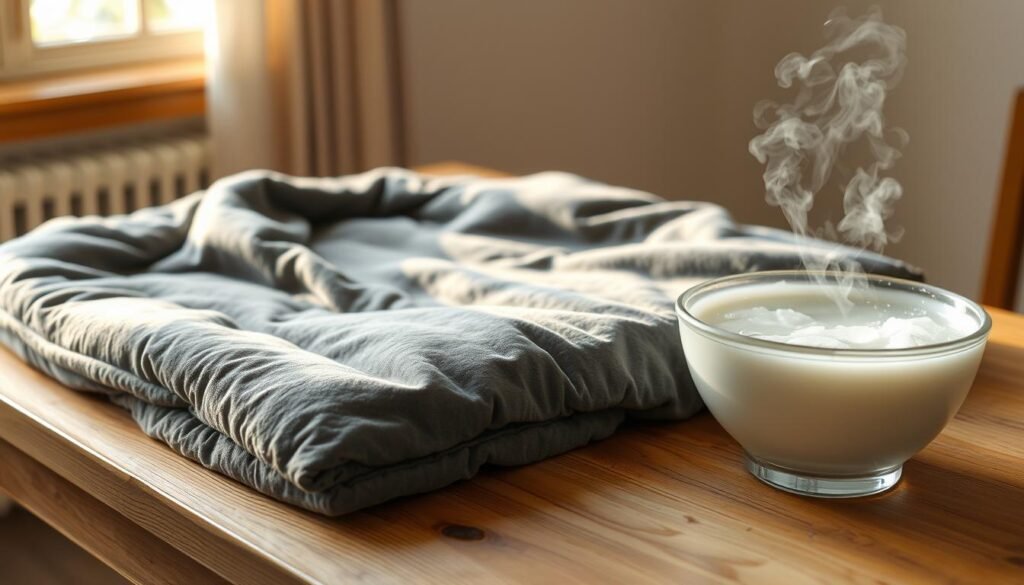
Cleaning heavy weighted blankets is more than just getting rid of dirt. It’s also about being careful with the weight. When I clean my blanket, I think about how its weight impacts the cleaning process.
Handling the Weight During Cleaning
Heavy weighted blankets can be hard to move, even when they’re dry. To manage the weight, I lift the blanket carefully. If it’s too heavy, I might ask for help. Always check the care label for washing and handling tips.You can learn more about how-to-clean-an-oven
Before I start washing, I make sure I have a clean, open space. This helps prevent accidents or damage to the blanket.
Avoiding Damage While Washing
To prevent damage, I follow some important steps. First, I use a large capacity washer that can handle the blanket’s size and weight. I choose a gentle wash cycle with cold water to keep the fabric and filling safe.
It’s important not to overload the washer. This can lead to uneven washing and damage. If needed, I wash the blanket by itself to avoid any issues.
Understanding Allergens in My Weighted Blanket
Keeping your weighted blanket clean is key to avoiding allergens. Dust mites can build up in the fabric and filling. This can make breathing problems or allergies worse.
Importance of Hypoallergenic Materials
Choosing a weighted blanket from hypoallergenic materials helps avoid allergic reactions. Look for materials that fight dust mites, mold, and mildew. When buying, check if the blanket is hypoallergenic.You can learn more about how-to-clean-airpods
- Opt for blankets with removable and washable covers to facilitate regular cleaning.
- Consider blankets made from natural fibers that are known for their hypoallergenic qualities.
Cleaning for Allergen Removal
Regular cleaning is key to getting rid of allergens in your weighted blanket. Always check the care label for washing instructions. For tips on washing by hand or machine, visit https://www.amenify.com/blog/weighted-blanket-cleaning-by-hand-machine.
“Regular washing and drying of your weighted blanket can significantly reduce the presence of allergens, ensuring a healthier sleep environment.”
To remove allergens well, follow these cleaning tips:
- Wash your weighted blanket in hot water to kill dust mites and other allergens.
- Dry the blanket on a high heat setting to further eliminate any remaining allergens.
- If your blanket is not machine washable, spot clean stains and consider professional cleaning for deep allergen removal.
By choosing hypoallergenic materials and cleaning regularly, you can enjoy your weighted blanket. This way, you minimize allergen exposure.
Care for Weighted Blankets with Glass Beads
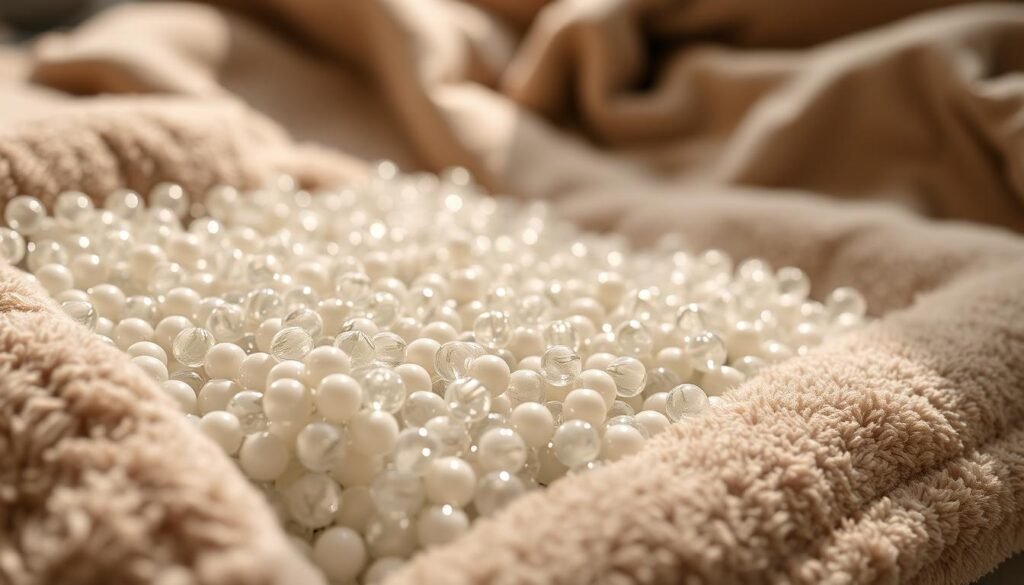
To keep my weighted blanket with glass beads in top shape, I must follow certain care steps. These blankets are not just cozy but also need special care to stay in good condition.
Special Handling and Washing Instructions
Before washing my weighted blanket, I always check the care label. Some may need dry cleaning, while others can be machine washed. If it’s okay to machine wash, I use a gentle cycle with cold water.
Choosing a mild detergent without harsh chemicals is wise. Avoid using bleach or fabric softeners as they can harm the glass beads and the blanket’s fabric.
Avoiding Leakage of Beads During Cleaning
Washing a weighted blanket with glass beads can be tricky to avoid bead leakage. To reduce this risk, I use a mesh laundry bag to wash the blanket. This keeps the beads inside and stops them from getting lost in the wash.
Before washing, I also check the blanket for any damage. If I find tears or holes, I fix them first. This prevents the beads from leaking out during washing.
By following these care tips, my weighted blanket with glass beads will last longer. It will stay a cozy and comforting friend for me.
Using a Cover for My Weighted Blanket
A weighted blanket cover is more than just an accessory. It’s essential for keeping your blanket clean and lasting longer. It protects your blanket from dirt and stains, making cleaning easier.
Benefits of Using a Removable Cover
One big plus of a removable cover is that it can be washed separately. This means you don’t have to wash the whole blanket as often. It also helps keep the blanket in better shape for longer. “It’s a simple step that makes a significant difference in the longevity of the blanket.”
Also, a removable cover adds extra comfort. You can pick materials that feel good against your skin. Plus, you can easily change the cover’s style or material without getting a new blanket.
How to Clean the Cover Separately
Cleaning the cover by itself is easy. Always check the care label first. Most covers can be machine washed in cold water on a gentle cycle.
If there are tough stains, spot clean them first. Use a mild detergent and a soft brush. As “a gentle touch is key when cleaning delicate fabrics.” Then, wash the cover as you normally would.
- Use a mild detergent that is free of harsh chemicals.
- Avoid using bleach or fabric softeners, as they can damage the fabric.
- For delicate materials, consider hand washing as an alternative to machine washing.
By following these steps, you can keep your weighted blanket cover clean. This ensures your blanket stays in great shape for a longer time.
Troubleshooting Common Issues

It’s important to fix common problems with my weighted blanket to keep it clean and lasting longer. Even with regular washing, sometimes it doesn’t get clean or smells bad.
What to Do if My Blanket Doesn’t Come Clean
If my weighted blanket is still dirty after washing, I don’t worry. I first check the care label to make sure I washed it right. If it’s safe for the machine, I wash it again in a gentle cycle with cold water.
For tough stains, I might use a stain remover before washing again. If it can’t be machine washed, I hand wash it. I soak it in cold water with mild detergent, then rinse well to get rid of soap.
Addressing Odor or Stains That Persist
Dealing with smells or stains that won’t go away can be tough. For smells, I use a fabric refresher or a mix of water and white vinegar. Spraying it on and letting it dry can help get rid of the smell.
For stains, I use a stain remover or baking soda and water. Letting it sit before washing can help remove the stain. If it’s still there after washing, I might do it again.
By using these tips, I can fix common problems with my weighted blanket. This keeps it clean and comfy to use.
When to Replace My Weighted Blanket
My weighted blanket may show signs of wear over time. It’s important to know when it’s time for a new one. The lifespan of a weighted blanket depends on usage, maintenance, and quality.
Signs That It’s Time for a New Blanket
There are several signs that my weighted blanket needs to be replaced. These include:
- Significant fading or discoloration of the fabric
- Loss of weighted filling or uneven distribution of weight
- Persistent odors that cannot be removed despite washing
- Torn or frayed seams
- Reduced effectiveness in providing comfort or relief
If I notice any of these signs, it’s likely time to consider replacing my weighted blanket.
Choosing a New Weighted Blanket
When picking a new weighted blanket, I should think about a few things. These include:
- The material and quality of the blanket
- The weight and distribution of the filling
- The size and comfort level
- Any additional features, such as a removable cover
By considering these factors, I can find a weighted blanket that meets my needs. It will provide the comfort and relief I require.
Conclusion: Best Practices for Long-lasting Cleanliness
Keeping your weighted blanket clean is key for its long life and your comfort. Knowing what your blanket is made of and how to clean it right lets you enjoy it for a long time.
Key Takeaways
Wash your weighted blanket every couple of months and its cover every couple of weeks if you use it a lot. Always check the care labels for specific cleaning instructions. Different materials need different cleaning methods. For more details, check out this guide on washing weighted blankets.
Maintaining Your Blanket
To keep your blanket clean for a long time, store it in a linen cupboard or storage bag when not in use. Regularly remove pet hair and dander with a lint roller. Also, avoid eating or drinking on the blanket. By following these tips, you can keep your weighted blanket clean and comfy for years.