Surprising fact: about 80% of U.S. auto parts stores will scan your car for trouble codes at no charge, so a mystery dashboard warning often has a quick answer.
I’ll show exactly what I do when a warning appears on my dash: the steps I take with an OBD-II scanner, what I inspect first, and when I let the indicator go off after a few normal drive cycles.
I’m not here just to switch a bulb off; my goal is to confirm the engine is healthy and that the underlying issue is fixed before I reset anything. I use free scans at local parts stores or a cheap Bluetooth OBD-II reader with a phone app to read and erase stored codes.
Some faults reset after routine driving, and other fixes are obvious—like a loose gas cap. I rarely start with a battery disconnect because that can erase settings and force long relearns. If I see a flashing warning or the car runs rough, I stop and get help.
Key Takeaways
- I use a free parts-store scan or a budget Bluetooth scanner and app.
- I read codes, interpret them, and only reset after confirming a fix.
- Monitors often need drive cycles and time before they fully reset.
- Loose gas caps are common simple fixes I check first.
- I avoid battery disconnects unless it’s a last resort.
- If the indicator flashes or the car runs poorly, I stop driving and seek help.
Before I Reset Anything: What the Check Engine Light Really Means
When that amber warning comes on, I treat it as the car asking for attention. The dashboard icon can mean anything from a loose gas cap to misfires that harm the catalytic converter.how-to-clean-baseball-caps
Flashing vs. steady:
Flashing vs. steady — when I stop driving immediately
A flashing check engine light signals a severe condition, such as a misfire. I stop as soon as it’s safe because continuing can damage the emissions system or engine parts.
A steady engine light is less urgent but not trivial. If performance feels normal I still scan for codes soon and watch for changes.
Why erasing codes isn’t the same as fixing the problem
The car’s computer monitors many systems and sets a code when a sensor reads out of range. Clearing codes only hides the warning; unresolved issues usually make the light return after drive cycles.how-to-clean-blackstone
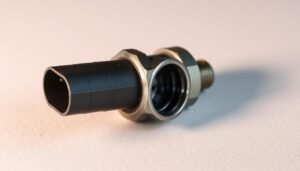
Practical note: I look for common causes first — a loose fuel cap, bad oxygen sensor, a dirty MAF, worn spark plugs, or catalytic troubles.
- I avoid driving hard if the vehicle runs rough, smells odd, or emits smoke.
- I treat transmission faults paired with a dash warning as higher priority.
- I scan with a reader as soon as I can and plan repairs based on the codes and the vehicle model’s known quirks.
- For step-by-step guidance, I sometimes consult a short online guide like reset instructions before deciding my next move.
What I Need to Diagnose and Reset the Light
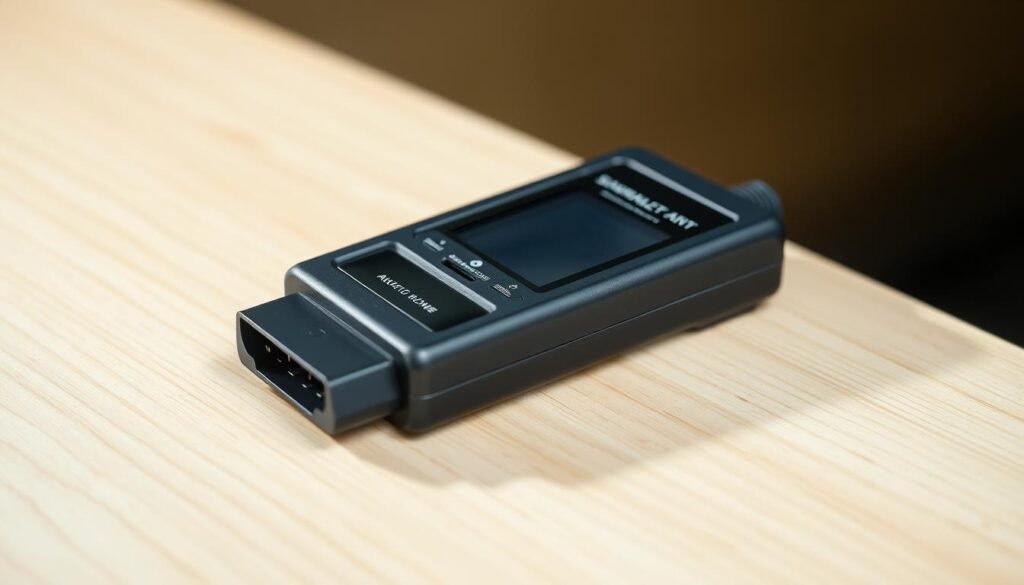
My first move with any amber dash icon is a quick scan at the diagnostic port. That gives a clear starting point and keeps me from guessing.how-to-clean-a-weighted-blanket
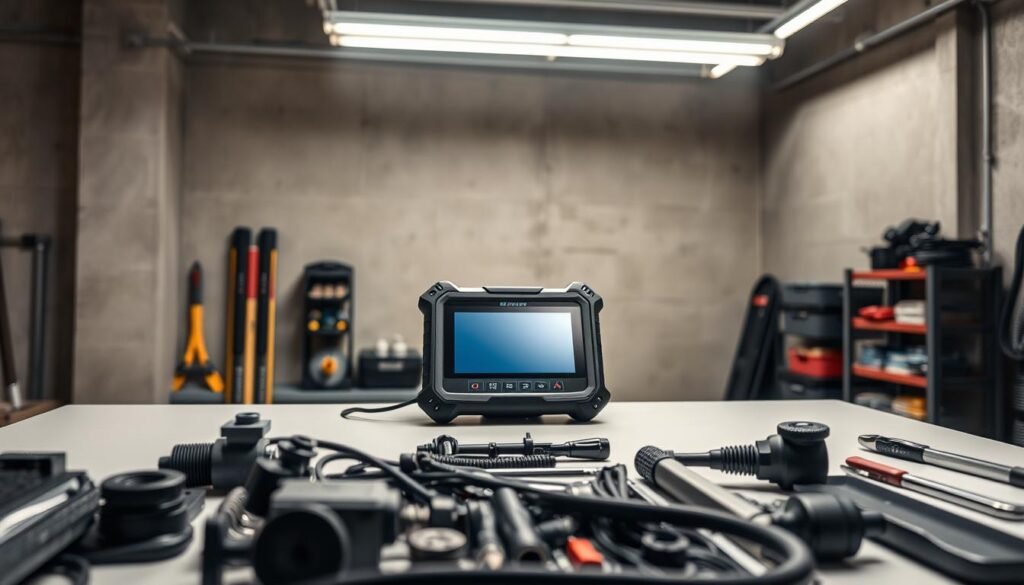
OBD-II port and basic scanner notes
The OBD-II diagnostic port is trapezoid-shaped and usually sits under the dashboard near the driver’s footwell. On some models it hides behind a small cover.
- I start with an obd-ii scanner because it plugs into that port and reads what the car’s computer recorded.
- If I don’t have one, many U.S. auto parts stores offer a free code scan that prints the codes in minutes.
- Bluetooth readers like ELM327 pair with apps such as Torque on Android and iOS. They show live data and let me erase error codes when appropriate.
- I always check for simple causes first — a loose gas cap often triggers evap codes.
Battery reset as a last-resort
Note: Disconnecting battery power can wipe presets and force lengthy relearns.
If I must reset by disconnecting, I remove the negative cable first and, on reconnection, hook positive first then negative. I wear gloves and take a few seconds to avoid shorts.
I keep up with basic maintenance and care so the vehicle throws fewer nuisance codes and recovers readiness faster after repairs.
How to Clear Check Engine Light: Step-by-Step Methods I Use
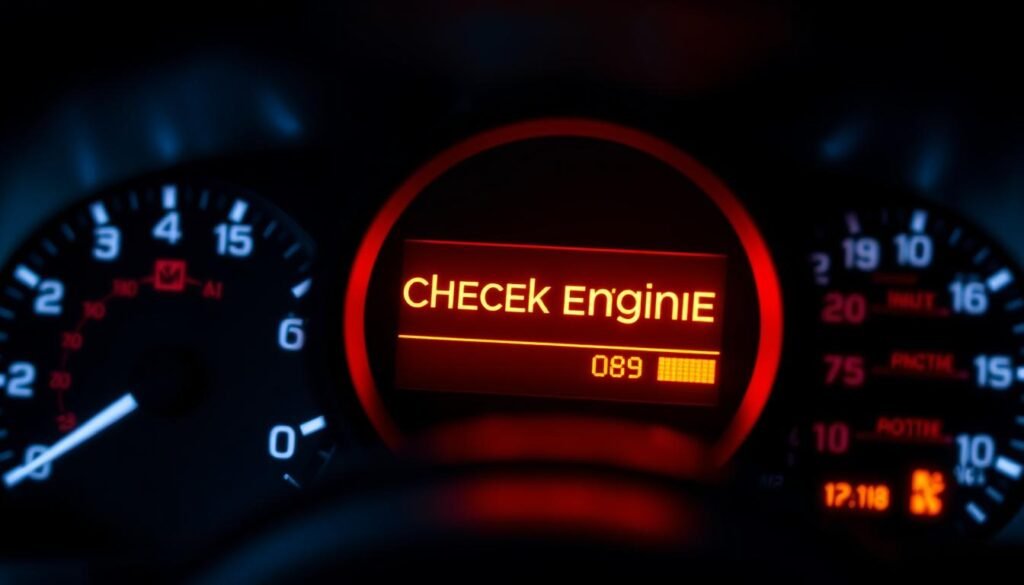
When the amber icon appears, I follow a set of simple, proven steps so the vehicle’s computer and I both know the problem.how-to-clean-cast-iron-skillet
Read and erase with an OBD-II scanner
Locate the trapezoidal OBD-II port under the dash, plug an obd-ii scanner in, start the car, and record P-codes like P1234. I write codes down before I erase anything.
After repairs, I use the scanner’s erase function and then drive 30–100 miles over several trips so monitors can run.
Tighten a loose gas cap, then give it time
I always twist the gas cap until it clicks. If a loose gas cap caused an evap error, I allow a few normal drive cycles and days for the system to pass.
Drive normally for monitor resets
Mixed city and highway driving helps the computer complete readiness tests. For emissions readiness, both the icon must stay off and monitors must show “ready.”
Safely disconnect and reconnect the battery
If I must reset by disconnecting battery power, I remove the negative cable first, wait several seconds, then reconnect positive first and negative last. I accept lost presets and relearns as a trade-off.
Pre-1996 vehicles and flash codes
Older cars often report faults with flash codes from the dash. I read flashes, fix the issue, and sometimes use a battery reset to erase stored faults.
Practical note: I fix the underlying problem before resetting; erasing codes alone usually makes the warning return.
| Method | What I do | Typical driving after |
|---|---|---|
| OBD-II scan & erase | Plug scanner, read P-codes, repair, erase | 30–100 miles over several trips |
| Gas cap check | Tighten until it clicks; clear codes if needed | A few drive cycles and days |
| Battery reset | Negative off, wait, reconnect positive then negative | Short immediate reset; expect relearns |
| Pre-1996 flash codes | Read flashes, repair, battery disconnect if required | Depends on model; confirm no flashes return |
When I Don’t Clear the Light and Call a Mechanic Instead

Persistent warnings or poor performance push me to seek professional repairs. I will not erase error codes when the fault looks serious or comes back quickly.how-to-clean-stainless-steel-pans
If a dashboard warning flashes or the car runs poorly, I stop driving and call a mechanic. Continued driving can cause costly damage, especially with misfires or catalytic issues.
I also call a shop when codes return immediately after I used my scanner, or when emissions readiness never sets after several drives. These signs mean the underlying issue remains and needs deeper tests.
When pro tools and skills matter
Complex problems like catalytic converter failure or oxygen sensor circuit faults often need lab-grade diagnostics. Shops use advanced scanners, smoke machines, and oscilloscope traces that I don’t have at home.
Quick rule: if performance drops—hesitation, stalling, hard starts, or rough shifting—I ask a mechanic for repairs rather than risking bigger problems.
- I stop driving when a flashing indicator appears and book a prompt mechanic visit.
- If readiness monitors stay unset after normal driving, I schedule a shop diagnosis.
- For transmission codes or harsh shifts paired with a warning, I avoid long trips until a pro inspects it.
- I bring maintenance records and explain exactly when the message showed and any noises or smells. That saves time and often lowers repair cost.
| Situation | My action | Why a mechanic |
|---|---|---|
| Flashing dash warning | Stop driving; tow if needed | Prevents catalytic or engine damage |
| Codes return after erase | Book diagnostics | Root cause testing required |
| Emissions readiness won’t set | Shop diagnosis | Specialized drive cycles and tests |
| Transmission-related codes | Avoid driving; call shop | Protect transmission from severe wear |
Conclusion
I follow one clear routine: confirm a fault, fix the cause, then reset check engine and verify results. ,
I prefer a scanner because it lets me read error codes, erase them, and watch monitors over normal driving. After a reset check engine I drive 30–100 miles and give the vehicle a few days so monitors report ready before any emissions test.
Free parts-store scans and low-cost Bluetooth readers make this an easy DIY step. If I ever use a battery shortcut I handle the battery for a few seconds and expect lost presets and relearns.
Good maintenance—tight gas caps, fresh filters, timely plugs—cuts repeat problems. If the warning returns, I book proper repairs rather than chasing resets.how-to-clean-cast-iron