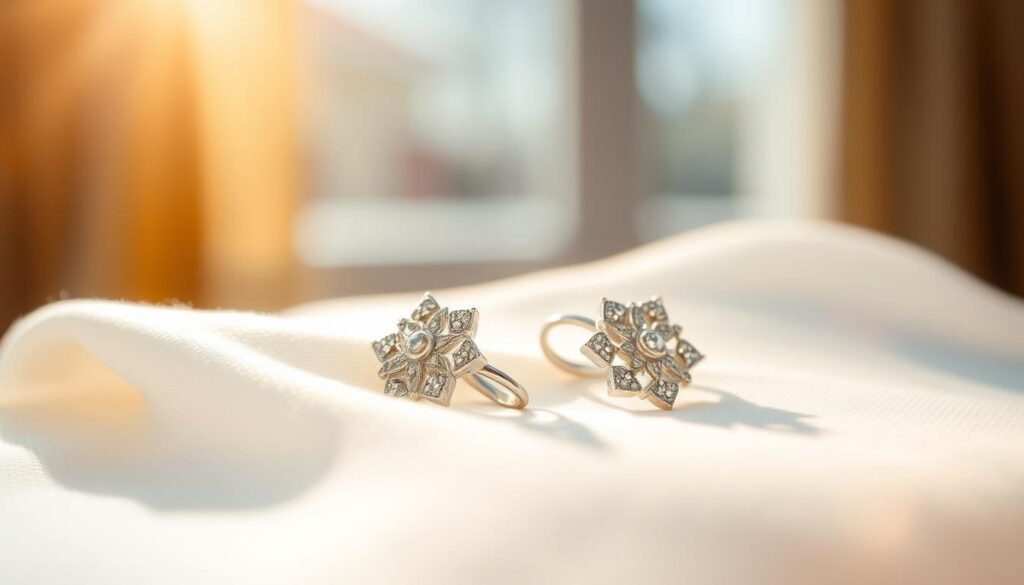
Did you know a single pair of studs can host thousands of bacteria after one week of wear? I learned that and made a change. I now keep a small routine that protects my piercings and keeps my jewelry bright.
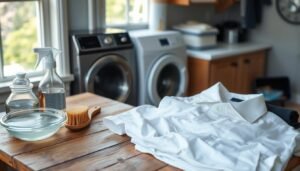
I use warm water with a drop of dish soap and a short soak of about 10–20 minutes. Then I gently scrub with a soft toothbrush or a clean cloth, rinse, and pat dry.
For metal pieces, I sometimes disinfect metal parts in alcohol or hydrogen peroxide for five to ten minutes and let them air-dry. For silver, a foil-lined bowl, hot water, and baking soda lift tarnish without harsh scrubbing.how-to-clean-humidifier
Pearls get only a damp soft cloth. I avoid alcohol or peroxide on delicate stones. A small bowl, mild soap, and a soft cloth are enough to get started and keep earrings safe between wears.
Key Takeaways
- Soak in warm water with dish soap for 10–20 minutes, then gently wipe with a soft cloth.
- Disinfect metal posts briefly with alcohol or peroxide and air-dry fully.
- Use a foil-lined bowl with baking soda for silver tarnish.
- Wipe pearls with a damp soft cloth only; never soak.
- Keep a small bowl and clean cloth handy for quick, effective maintenance.
Why I Clean My Earrings Regularly for Sparkle and Hygiene
Dirt, sweat, and skin oils quickly gather on posts and backs, and that buildup affects both comfort and shine. I clean earrings on a routine schedule because trapped residue can cause irritation or invite bacteria near a piercing.how-to-clean-your-ears
I focus on posts and backs where grime hides. At home I use a bit of water and a soft cloth for quick wipe-downs. Those short sessions cut maintenance time and stop dirt from hardening.
I disinfect after illness or if someone else handled my pieces. For metal parts I sometimes use hydrogen peroxide or alcohol briefly, then air-dry fully. I avoid long gaps between cleaning; regular care protects my skin and keeps the sparkle I love.
| Situation | Frequency | Quick action |
|---|---|---|
| Daily wear | Weekly | Wipe with water + cloth |
| Sensitive skin | Every few days | Short disinfect on metal |
| After illness/shared use | Immediately | Soak metal parts, air-dry |
| Visible buildup | As needed | Deep clean with soak |
My Go-To Supplies for Cleaning Earrings at Home

I keep a small station ready so I can tidy pieces the moment I notice dirt or dullness. A few reliable items handle most tasks without fuss.
Essentials I Reach For
Warm water, a small bowl, a drop of mild dish soap, and a soft cloth cover the basics. These items remove oils and light grime fast.
Disinfectants I Use and When
I use rubbing alcohol for quick metal disinfection of posts and backs. For deeper sanitizing of metal parts I soak in hydrogen peroxide for about 5–10 minutes, then air-dry.
Avoid both on pearls and soft stones. They can be damaged by alcohol or peroxide, so I stick to a damp cloth for delicate pieces.how-to-clean-a-coffee-maker
Nice-to-Haves That Help
- A soft toothbrush for tight settings and crevices where dirt hides.
- A microfiber towel for gentle drying without lint.
- Baking soda and aluminum foil for silver: a hot-water foil bath lifts tarnish fast.
| Item | Purpose | When I Use It |
|---|---|---|
| Small bowl | Soak and rinse | Routine and deep cleans |
| Rubbing alcohol | Fast disinfect | Posts and metal backs |
| Hydrogen peroxide | Deeper sanitize | Short soaks (5–10 min) |
| Baking soda + foil | Remove silver tarnish | When silver looks dull |
How I Clean Earrings Step by Step (Safe Method for Most Metals and Stones)

I start with a simple prep: I fill a small bowl with warm water and add one drop of mild dish soap. I let pieces soak for about 10–20 minutes depending on visible grime.
Prep and soak
I check finishes and avoid long soaks for delicate gold or plated pieces. For pearls I never soak; I wipe them instead.how-to-clean-uggs
Gently scrub and rinse
I gently scrub with a soft toothbrush, focusing on posts and backs to lift trapped residue. Next, I rinse each piece under warm water so no soap film remains.
Dry and air-dry time
I pat parts with a lint-free cloth and place them on a dry towel. I allow extra air-dry time so moisture won’t sit on posts, which helps prevent irritation.
Common mistakes I avoid
- I skip bleach, ammonia, and abrasive tools that can cause damage.
- I watch for loose stones or bent posts during cleaning and stop if I spot trouble.
- I keep pressure light and brushes soft to protect settings and plating.
How to Clean Gold Earrings Without Damage
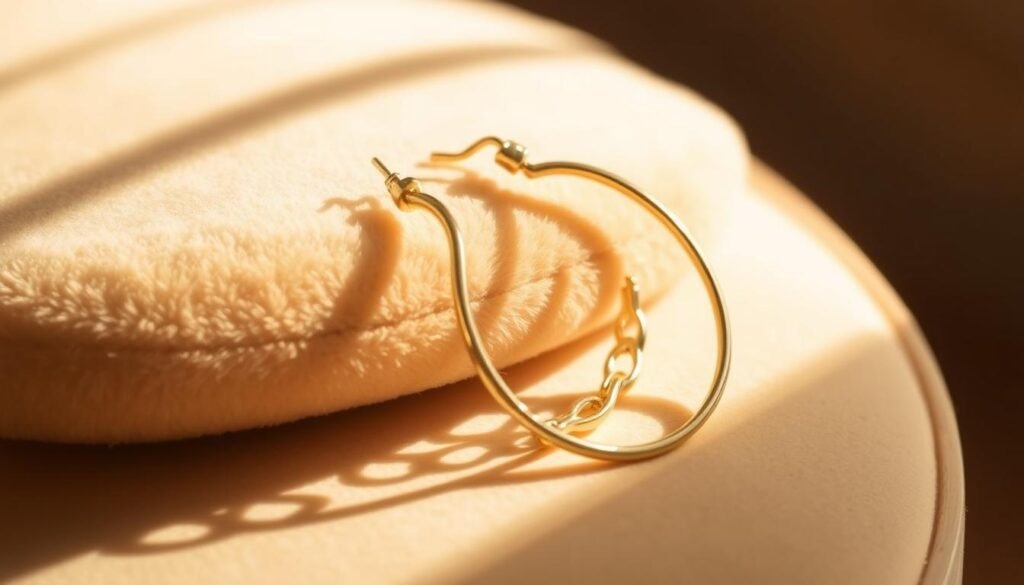
For gold pieces I trust brief, gentle steps that lift grime without stressing the metal. Gold is soft, so light care keeps finishes intact and shine longer.
Warm water, mild soap, and a light scrub
I start with a small bowl of warm water and one drop of dish soap. I soak gold for just 5–10 minutes to loosen oils and debris.how-to-clean-grout/
After soaking, I gently scrub with a soft brush, paying attention to posts and clasps. I rinse under warm running water and pat each piece dry with a lint-free soft cloth.
When I use an alcohol swipe—and what I avoid
I do a quick rub with rubbing alcohol on metal posts for fast disinfection, then I let pieces air-dry. I avoid using long alcohol soaks because they can strip delicate coatings or affect adhesives.
- I skip abrasive powders and rough cloths; gold scratches easily.
- I check clasps and posts during cleaning for early wear.
- I keep cleaning simple and frequent to prevent heavy scrubbing later.
“Gentle, regular care preserves gold’s shine more than occasional harsh cleaning.”
For an extra reference on safe routines, see this clean earrings guide.
How to Safely Clean Silver Earrings and Prevent Tarnish
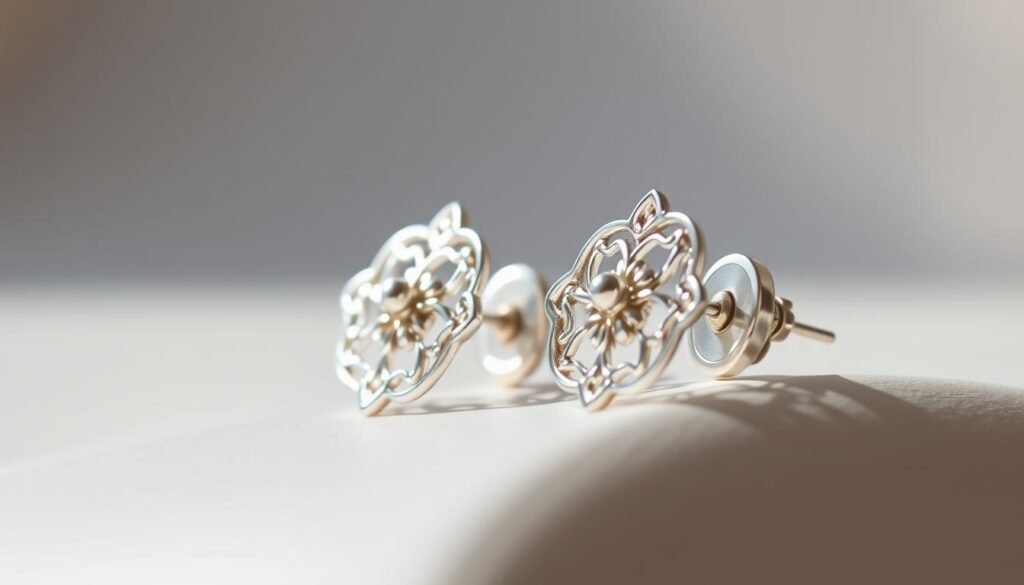
For stubborn dark spots on silver I rely on a short, controlled reaction that lifts tarnish safely. I pick methods that use common kitchen items and avoid harsh chemicals that cause long-term damage.
Foil + hot water + baking soda method
I line a small bowl with aluminum foil, add hot water and a pinch of baking soda (a dash of salt is optional). I set the silver on the foil and let the bath work for about 5 minutes. The tarnish transfers to the foil, then I rinse under warm water and dry with a soft cloth.
Gentle baking soda paste for light tarnish
For minor dullness I mix baking soda with a few drops of water into a paste. I apply it and gently scrub with a soft brush or cloth, rinse thoroughly, and pat dry. This avoids scratching delicate finishes.
Why I skip hydrogen peroxide on sterling
I avoid hydrogen peroxide on sterling silver because repeated use can dull the surface over time. I also skip abrasive powders and rough tools that scar metal finishes.
- I keep soak times short and use hot water for the foil method.
- I rinse under warm water and dry fully with a soft cloth to prevent water spots.
- I check settings and move to a paste if stones or glue are present.
- I store pieces dry, away from humidity, and keep a dedicated bowl and cloth for silver.
- For an extra reference on sterling care, I follow this sparkling solutions guide.
How to Clean Diamond Earrings and Bring Back the Sparkle
I treat diamond settings with extra care—small motions, soft brushes, and patience bring back brilliance.
I soak diamond pieces in warm water with a few drops of dish soap for about 15-20 minutes to loosen lotion and oil that dull the stone. A shallow bowl keeps tiny parts safe and stops loss down the drain.
Soak, brush, rinse
After soaking I gently scrub around prongs and under the setting with a soft toothbrush. This lifts trapped grime without stressing metal.
I rinse each piece under warm water so no soap film remains. Keep pressure light to protect prongs and avoid loosening stones.
Optional disinfect and dry
For quick sanitizing I dip metal posts briefly in rubbing alcohol, then let pieces air-dry. Finally I pat dry with a lint-free cloth and buff for a streak-free shine.
| Step | Action | Why it helps |
|---|---|---|
| Soak | Warm water + dish soap (15-20 minutes) | Loosens oils and daily grime |
| Brush | Soft toothbrush around prongs | Releases trapped residue |
| Rinse | Warm water | Removes soap film |
| Dry | Lint-free cloth, air-dry | Prevents spots and irritation |
Tip: Repeat this gentle cleaning method when sparkle fades. These simple tips keep stones brilliant without harsh chemicals.
Gentle Care: How I Clean Pearl Earrings
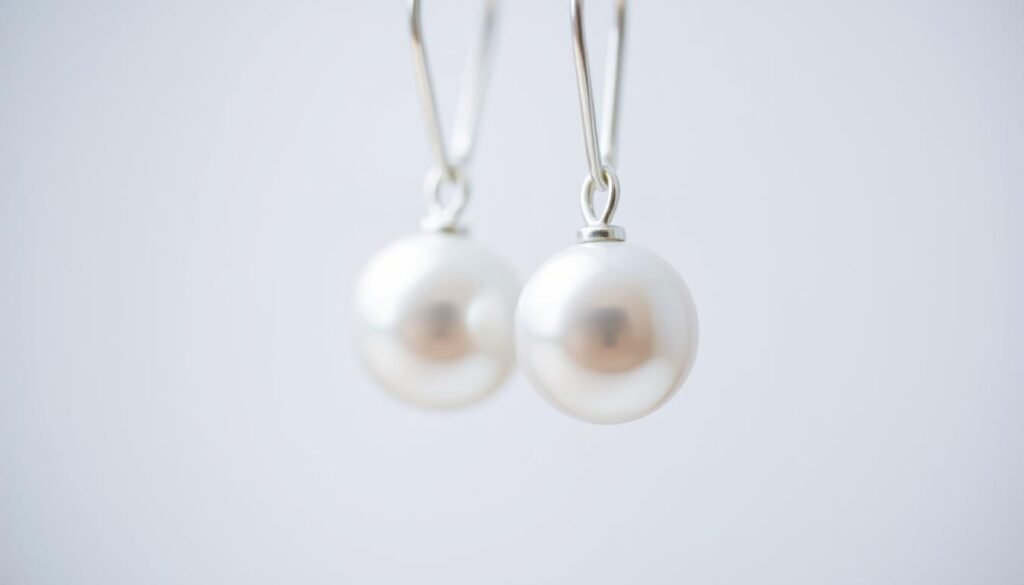
Pearls demand gentle handling because their surface is porous and easily marred. I never soak pearl pieces; instead, I wipe them with a soft cloth dampened with water and let them air-dry fully.
Occasionally, for a deeper but still mild refresh, I mix a tiny drop of baby shampoo in water. I dip a cotton swab in the mixture, wipe the pearl and setting lightly, then rinse the cloth and blot dry. This keeps the natural sheen without stressing the nacre.
I avoid using alcohol, hydrogen, or peroxide on pearls because these chemicals strip and dull the surface. I also keep pearls away from bleach, ammonia, and other harsh chemicals that harm the finish.
Before storing, I let pieces dry completely. I keep pearls in a soft pouch and separate from other jewelry so scratches and abrasion are avoided. I put pearl items on last when getting ready and take them off first when I return home.
- I never soak pearl earrings; I only wipe them with a damp soft cloth after wearing.
- I use diluted baby shampoo on a cotton swab for rare deeper cleaning and then dry gently.
- I avoid using alcohol, hydrogen, or peroxide and keep pearls clear of harsh chemicals.
| Action | Method | Why it helps |
|---|---|---|
| Daily wipe | Damp soft cloth | Removes oils without soaking |
| Occasional deep wipe | Baby shampoo dilution on swab | Gentle lift of stubborn residue |
| Storage | Soft pouch, separate | Prevents scratches and humidity damage |
For a short guide focused on pearls, see this pearl care reference.
Disinfecting Earrings: Alcohol vs. Hydrogen Peroxide
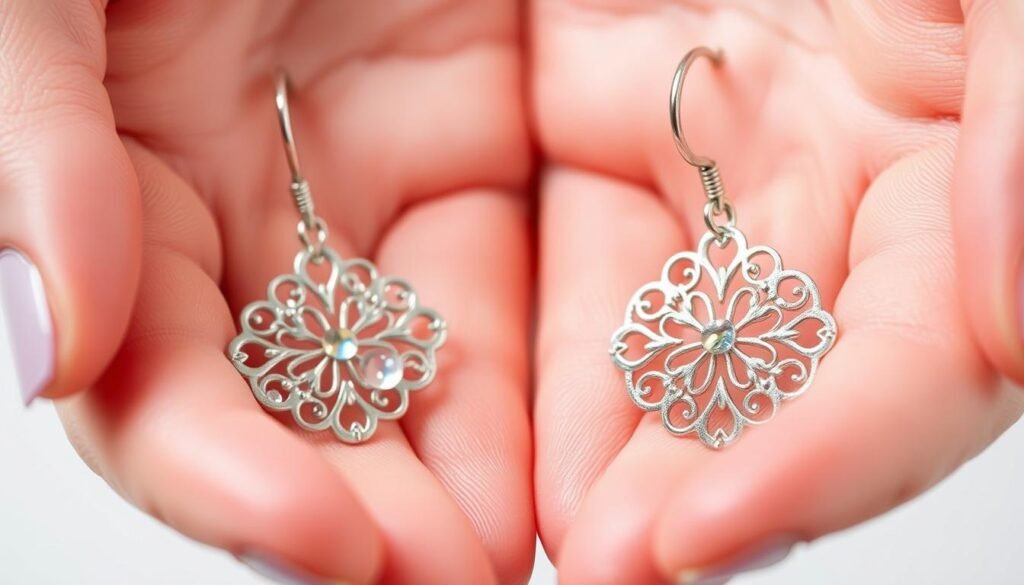
When I need a deeper sanitize, I focus on metal parts only and limit soak time. This keeps finishes safe and reduces bacteria while still giving a reliable disinfect.
My routine is simple: I soak metal posts and backs in rubbing alcohol or hydrogen peroxide for about 5–10 minutes, then place pieces on a clean towel and let them air-dry completely.
Short soak, safe results
I use rubbing alcohol for quick work and hydrogen peroxide when I want an extra oxidizing step. Both kill germs in a short time without harsh scrubbing.
What I never disinfect this way
I avoid using these liquids on pearls and soft stones. Those gems absorb and dull if soaked, so I stick with gentle wipes for delicate pieces.
- Soak metal parts in rubbing alcohol or hydrogen peroxide for 5–10 minutes.
- Keep pearls and soft gems away from these solutions; avoid using them on whole pieces.
- Set items on a clean towel and air-dry fully so no moisture lingers on posts.
- For gold or silver, a cotton swab dipped in alcohol gives a quick, targeted disinfect when I’m short on time.
- I sanitize after illness, shared use, or when pieces feel less fresh even if they look clean.
“A short, material-aware disinfect routine keeps my jewelry safe and my skin calm.”
| Material | Method | Notes |
|---|---|---|
| Stainless steel | Soak in rubbing alcohol (5–10 minutes) | Air-dry fully; safe for frequent use |
| Gold (solid) | Cotton swab with alcohol or short soak | Quick swab avoids long exposure |
| Silver | Short alcohol dip or peroxide soak | Rinse with water if needed, then dry |
| Pearls / soft stones | Do not soak; wipe with damp cloth | Avoid rubbing alcohol and hydrogen peroxide |
How I Clean Earring Backs and Posts to Reduce Irritation
I start by separating posts from backs so I can treat each piece where skin meets metal. Small steps make a big difference for comfort and for stopping redness or irritation.how-to-clean-suede
Soak backs and posts in soapy water, then brush gently
I remove the backs and place posts and backs in a small bowl with warm water and a drop of soap. I let them soak for a short time so oils and grime loosen.
After soaking I take a soft brush and gently scrub earrings components to lift trapped dirt from grooves and threads. I avoid abrasive tools that scratch and trap more buildup.
Rinse, disinfect, dry, and reassemble
I rinse parts well under running water so no soap remains to cause irritation later. For metal bits I use a quick dip in rubbing alcohol or a short hydrogen peroxide rinse, then I let everything air-dry on a clean towel.
Once fully dry I reassemble the pair. Regular cleaning of backs reduces residue and keeps posts from irritating my skin. If a back is bent or loose, I replace it for comfort and safety.
- I make this quick routine part of my daily care when I wear the same pair often.
- Keep a dedicated bowl and brush set aside so pieces stay sanitary between uses.
- For extra guidance on earring backs, see this earring backs guide.
“Tackling posts and backs regularly is the best way I know to prevent grime, dirt, and irritation.”
Natural Methods I Use at Home to Keep Earrings Clean
A kitchen-friendly paste often removes grime without harsh chemicals or fuss. I mix one part baking soda with two parts warm water in a small bowl until the paste is smooth.
Baking soda paste for tough grime on gold, silver, diamond
I apply the paste lightly to gold, silver earrings, or diamond settings. I limit pressure and let the paste lift residue. After a short pause I rinse with water and pat dry with a soft cloth.
When to skip abrasives: protecting delicate finishes and pearls
I avoid using abrasives on plated pieces and pearls. Pearls dull when scratched or exposed to strong chemicals. For pearls, I only wipe with a damp soft cloth and skip pastes entirely.
“Natural, gentle methods keep my jewelry safe and sparkle longer.”
- I use a small bowl for mixing so the paste stays smooth.
- I remove jewelry before pools or showers to keep pieces cleaner longer.
- I handle pieces with clean hands to cut oil transfer and slow grime buildup.
- I avoid harsh chemicals and rely on mild, home routines for upkeep.
| Material | Method | Notes |
|---|---|---|
| Gold | Baking soda paste, light rub, rinse | Safe with short contact and gentle pressure |
| Silver | Paste or foil method, rinse, dry | Works well for tarnish and grime |
| Diamonds | Paste or mild soak, soft brush, rinse | Buffers oil and restores sparkle |
| Pearls | Damp soft cloth only | Avoid pastes and abrasives |
Conclusion
Small habits—like drying fully and storing pieces apart—make a big difference.
I stick to a simple routine: warm water, a drop of soap, a gentle scrub, and a full dry on a soft towel. I aim for a monthly cleaning, more often if I wear a pair daily.
I store jewelry in a lined box or soft pouch and keep pairs separate to avoid scratches and tangles. For silver, I use foil + hot water + baking soda; for pearl, I only wipe with a damp cloth.
I disinfect metal posts with rubbing alcohol or hydrogen peroxide for 5–10 minutes when needed, and I always avoid those liquids on pearls. Remove pieces before swimming or showering, handle with clean hands, and schedule a pro service for heirloom or intricate items.