

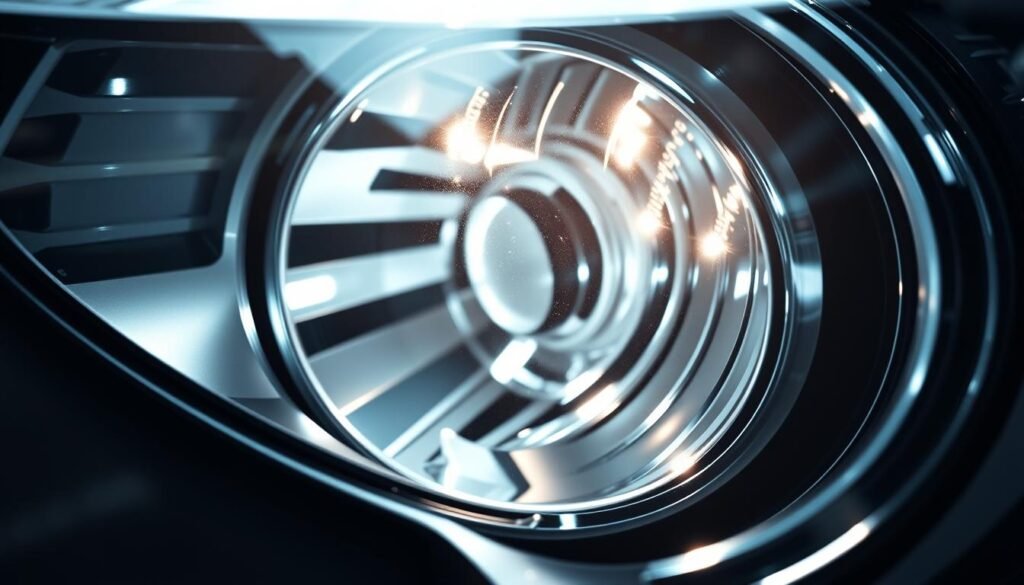
Clearer headlights matter right now. Better night-time light makes driving safer and gives our vehicle a fresher, more cared-for look. We’ll show a proven way you can use at home that brings noticeable results without a big budget.
In this short guide we cover quick hacks and a full step-by-step on how to clean headlights, the tools we need, and when a kit or single products make more sense for us. The process is simple and fits a weekend task.
Restoring a headlight lens is a straightforward cleaning job most of us can handle with items we already have. We will aim for a whiter beam and a sharper pattern that eases eye strain on night drives.
We’ll also explain the difference between a fast refresh and a deeper protect-and-seal approach. That way we can pick the right way for our goals and avoid common mistakes around headlight lenses and trim.
Key Takeaways
- Clear lenses improve night visibility and driver confidence.
- We can get good results at home with simple, affordable products.
- Quick refreshes save time; full restoration adds longer protection.
- The steps are beginner-friendly and avoid common mistakes.
- Expected outcomes include better light spread and a cleaner cutoff.
Why Foggy Headlights Happen and Why It Matters
Polycarbonate lenses slowly haze from sun exposure, and the change is more than cosmetic. Most modern headlight covers are made from plastic that oxidizes when exposed to UV rays. Over time this forms a chalky outer layer that scatters beam output and creates foggy headlights.

What causes a cloudy plastic lens
The sun’s rays break down the outer coating on plastic lenses. That damage makes the lens absorb more blue light and shifts the beam toward a yellow tinge. It is the lens surface, not the bulbs, that usually needs attention first.
Spotting the signs
- Yellowish or dingy tint on the surface.
- Reduced brightness and a scattered beam pattern.
- Gradual change over time rather than sudden failure.
Safety first
Hazy headlights cut effective night vision. Reduced light shortens reaction time and makes driving riskier. A quick restoration can restore much of the original headlight output and improve vehicle safety without replacing bulbs.how-to-clean-a-dogs-ears
What You’ll Need to Clean Headlight Lenses at Home
A few simple supplies make this project fast and safe. We can pick a ready-made headlight restoration kit or use common household items for a quick refresh.
Headlight restoration kit vs. individual products
Restoration kit items bundle abrasives, pads, and instructions for a consistent result. Individual products save money and work well for light haze.
Toothpaste and baking soda: making an effective cleaning paste
Toothpaste and baking soda contain mild abrasives that gently remove oxidation from the surface. Mix one tablespoon of baking soda with a teaspoon of water to form a paste, or apply toothpaste on a rag for spot work.
Protecting paint and helpful extras
- Mask paint and trim with painter’s tape and lay towels under the work area.
- Gather a soft-bristled brush, clean rags, water for rinsing, and a mild cleanser.
- Optional: latex gloves and a polishing compound (Rain‑X) for added clarity after one pass.
Prep a stable workspace at home with good light and a bucket of clean water. That way our car and lenses stay safe while we work.how-to-clean-a-down-comforter
How to Clean Headlights
With a little elbow grease and the right paste, we can lift haze from each lens. First, wash the surface to wash away dirt, bugs, and grime so abrasives don’t trap debris. Dry with a towel so we can judge the true condition of the headlight.how-to-clean-cloth-car-seats
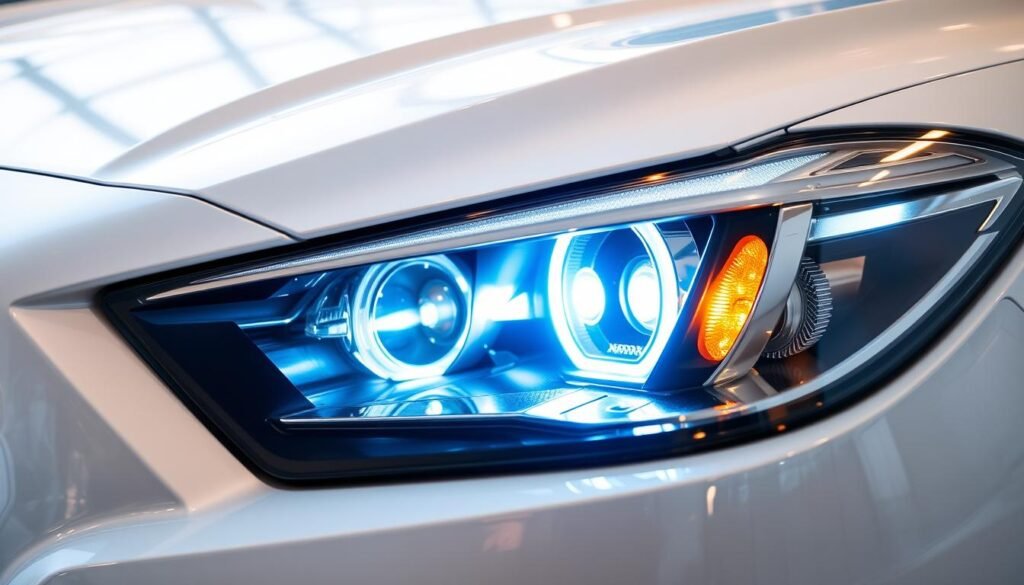
Next, mask around the lens to protect paint and lay towels under the area. Apply the chosen cleanser: follow kit directions or spread a bead of toothpaste or a baking soda paste made with a little water.
- Work the paste with a soft-bristled brush or microfiber using gentle, even pressure.
- Add a splash of water if the paste dries so the abrasive keeps moving smoothly across the surface.
- Buff off residue with a clean rag and inspect the lens under different light angles.
Repeat the process on stubborn spots, but avoid heavy pressure that could scratch the plastic. When satisfied, rinse, dry fully, and remove tape carefully so the paint remains pristine.
“A careful, step-by-step approach restores clarity and keeps surrounding paint safe.”
Headlight Restoration Tips, Hacks, and When to Use a Kit
A short, focused routine can lift haze and bring back useful light fast. Below we pick a smart route depending on lens condition and our available time.how-to-clean-a-dryer
Choosing the best route
Quick hacks with toothpaste baking soda or plain toothpaste baking work well for mildly foggy headlights and minimal surface haze. They cost little and take minutes per lens.
Full headlight restoration with a restoration kit suits rough, yellowed plastic lenses. Kits bundle abrasives, pads, and sealants for a more even finish and longer protection.how-to-clean-vinyl-records
Keep results longer
Protect the paint and trim by masking edges and working in small sections so residue does not dry on the car. A light pass with a polishing compound like Rain‑X helps uniform the surface after cleaning.
- Use a kit when the lens feels rough or clarity returns quickly after a quick hack.
- Wash lenses with your regular car wash and park in shade when possible.
- Check bulbs; matching new bulbs helps the restored lens deliver steady light for our vehicle.
“Choose a kit for lasting results; choose a quick hack when time or budget is tight.”
Drive Away With Clearer, Safer Light
Finishing this job with a light test helps us confirm brighter beam shape and even coverage. Turn the headlight on and aim at a wall. That quick check lets us notice headlights alignment, beam cut‑off, and any patchy spots on the lens.
Remember the essentials: gentle abrasives like toothpaste or a baking soda paste, a steady supply of clean water, and careful masking to protect paint and trim. These steps keep the surface free of dirt and help headlight lenses look and work better.how-to-clean-cricut-mat
Replace aging bulbs in pairs so our restored plastic lenses deliver consistent output. For upkeep, wipe away dirt during washes, reapply a protectant seasonally, and repeat mild cleaning if the plastic starts to haze again. This small job rewards us with clearer, safer light and a more confident drive in our vehicle.how-to-clean-night-guard














One Response