Surprising fact: a simple sink routine can cut many residues by over 60% — evidence that small habits move the needle on food safety.
I keep my kitchen routine simple. The CDC says rinse all produce under running water before eating. I follow that advice and add a light sprinkle of baking soda when residue looks stubborn.
This is not a cure-all. Baking soda helps loosen dirt and some residues, but it is not antibacterial. Cool running water does most of the work, and a brief scrub or a produce brush finishes the job without harming texture or flavor.
I use one teaspoon of baking soda per two cups of cold water when I want extra cleaning power, based on practical guidance from common sources. If you want the deeper dive on evidence and limits, see this practical write-up at washing produce with baking soda.
Key Takeaways
- Rinse all produce under running water as a first step.
- A light baking soda wash can help remove visible residue.
- Baking soda is not a disinfectant; water plus friction is key for safety.
- Use a gentle scrub or brush for textured produce and avoid long soaks.
- Keep a colander, brush, and clean hands by the sink for quick, reliable results.
Why I Use Baking Soda on Produce—and What It Can and Can’t Do
My approach favors clear, evidence-backed habits that make meal prep easier. I start with cool running water and gentle rubbing; that is the best way for everyday food safety. When surface grime or stubborn residue appears, I add a small amount of baking soda as a helper rather than a fixer.
Evidence-backed basics
Studies show that rinsing under running water removes much dirt and reduces residue. A short, mild soak using baking soda can further lift certain pesticides from the surface. Still, I treat this as an extra step, not a replacement for friction and flow.
Limits to know
The ingredient is not antibacterial, so it will not kill bacteria. Agencies warn against soap, bleach, or household detergents because porous skins can trap chemicals. I also compare vinegar but keep it occasional; plain water often suffices.
- Keep it simple: water first, optional soda for tough spots.
- Skip harsh cleaners: avoid bleach and dish soap on produce.
- Focus on handling: clean tools and dry well for safety.
For a practical perspective on swapping washes, see this short write-up on a produce wash study.
How to clean fruit with baking soda: my simple, safe method
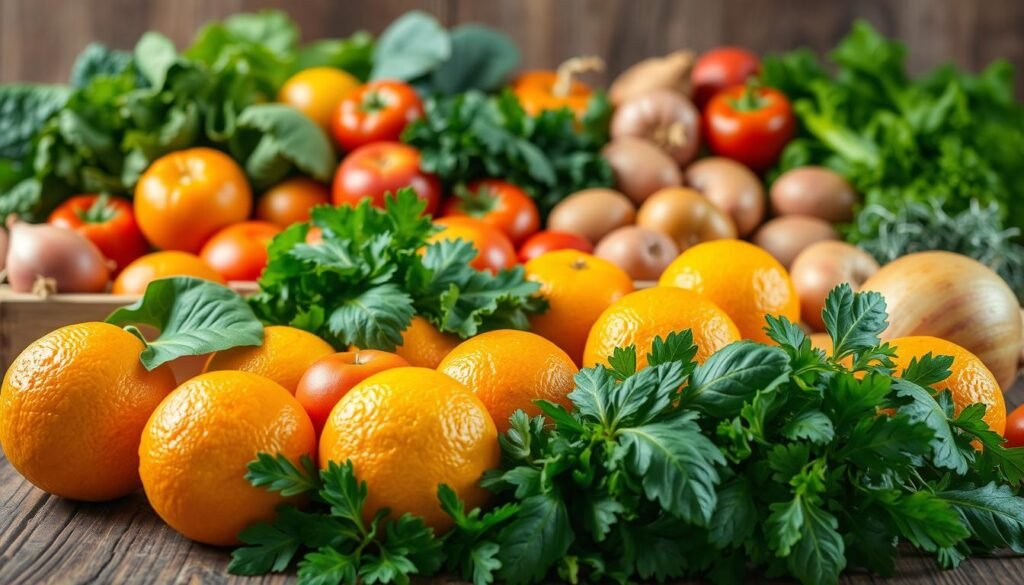
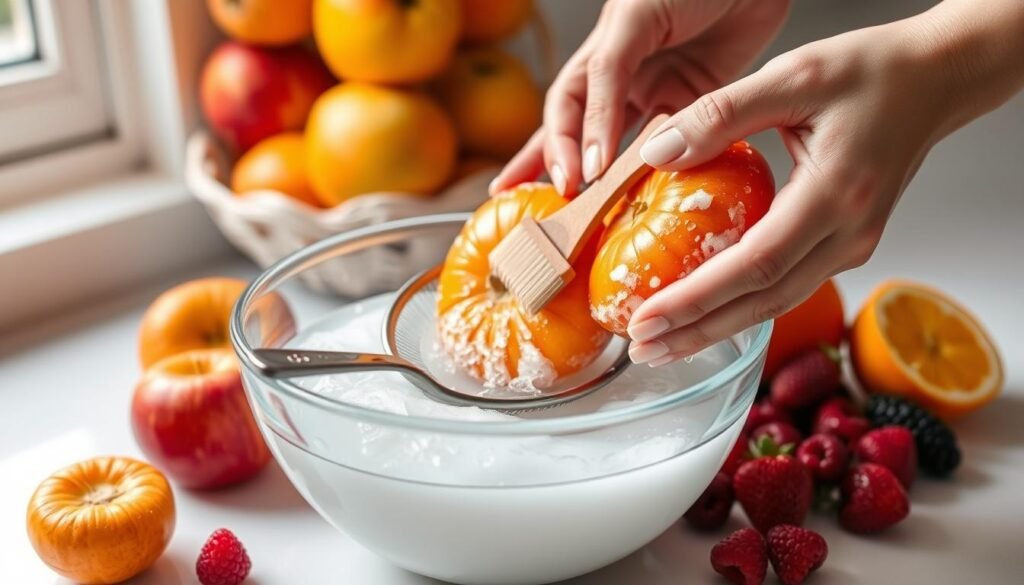
A quick, repeatable sink routine gives me fresh produce without fuss. I mix the baking soda solution in seconds: about 1 teaspoon per 2 cups of cold tap water. That ratio is mild and practical for everyday prep.
Mix the solution
I dissolve the soda in cold water and stir. This baking soda solution sits only briefly while I set up tools.
Dip, swish, and rub under running water
I dip and swish fruit for a few seconds, then move each piece under running water and gently rub the surface. I skip long soaks because long contact can soften texture or cause thermal shock.
Temperature and tools
I match water temperature to the produce so pressure changes do not push contaminants inward. I use a clean colander, a small produce brush for firm rinds, and clean hands at the ready.
Rinse and dry
I rinse thoroughly to remove any soda solution and then pat or air-dry. Total contact time is usually under a couple of minutes. That way, flow plus friction does the heavy lifting.
“Friction and flow work better than long soaks.”
- Make sure you wash hands before and after handling produce.
- Keep the sink and tools clean so the method is reliable every time.
Which fruits and vegetables this method fits best
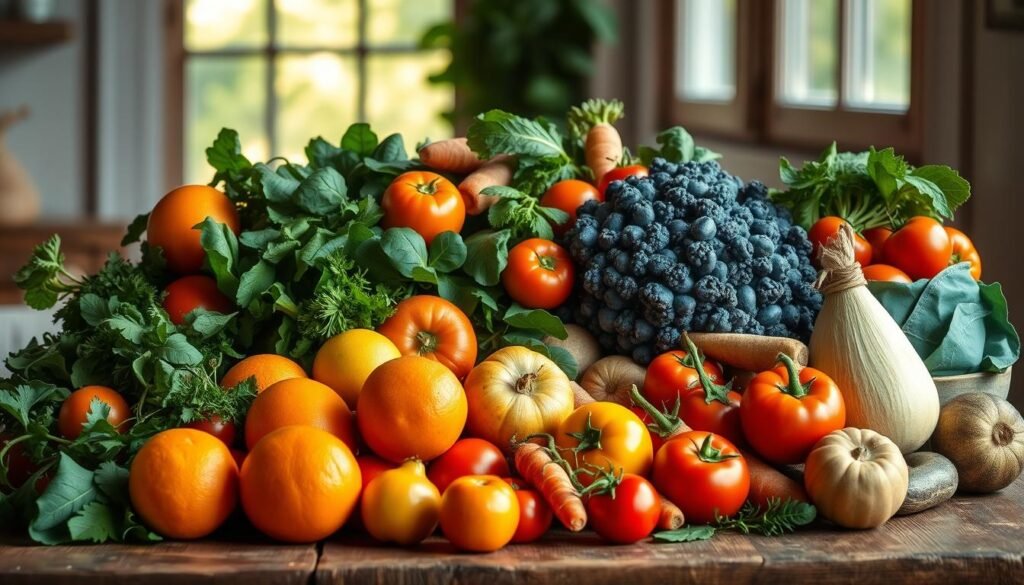
I pick a wash method based on texture and how fragile each item feels.
Smooth-skinned items like apples, pears, and grapes respond well to a brief dip and a quick rinse. For apples in particular, a short soda-assisted rinse can help lift residue from the surface without dulling the snap.
Fragile berries such as strawberries and blueberries need a gentle touch. I rinse them briefly under cool water and handle them as little as possible. Minimal contact keeps flavor and shape intact.
Melons and firm-rind produce get a full wash under running water and a scrub with a brush. That keeps dirt off the rind so cutting won’t move microbes into the flesh.how-to-clean-off-battery-corrosion
Peel-then-eat items like bananas and avocados get a quick exterior rinse before peeling. This stops any surface pesticide or dirt from riding the knife onto the edible part.
| Type | Best step | Use of soda | Notes |
|---|---|---|---|
| Smooth-skinned fruits | Dip, swish, rinse | Optional brief use | Good for apples and grapes |
| Berries | Quick cool water rinse | Avoid or minimal | Handle very gently |
| Melons/firm rinds | Wash whole, brush rind | Not needed | Prevents transfer when cutting |
| Peel-then-eat | Rinse before peeling | Not needed | Stops surface residue from reaching flesh |
- Grapes: use a colander and move clusters to remove dirt and reach every surface under running water.
- If worried about pesticide on smooth skins, keep any soda step brief and finish with a thorough water rinse and dry.
Baking soda vs. water, vinegar, and “produce washes”: what actually works now
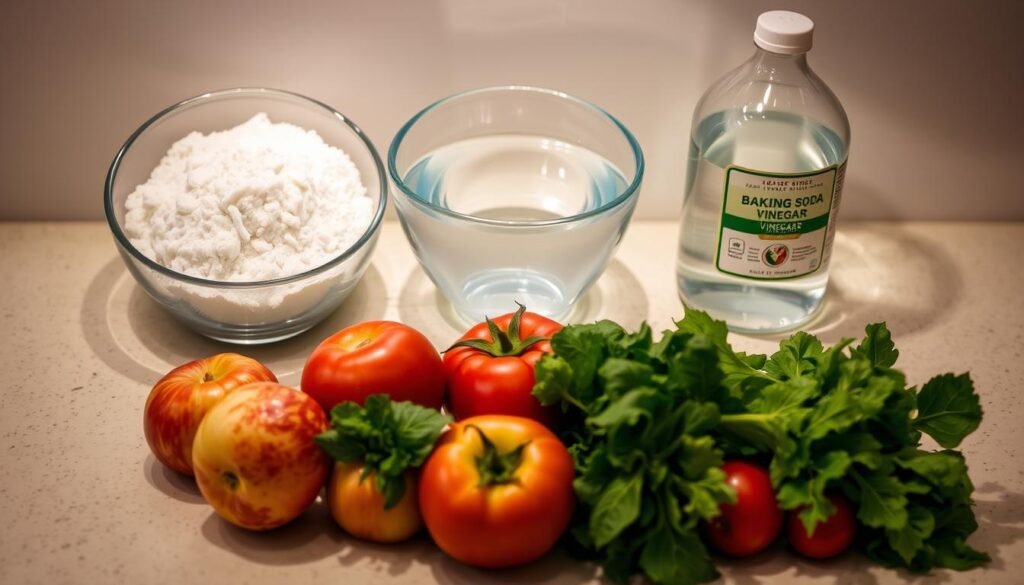
Evidence and simplicity guide what I use on produce in my kitchen.
Pesticides and residue: Studies show a soda solution can remove far more residue from some apples and other smooth skins than tap water alone. Still, cool running water removes a meaningful share of dirt and residues on its own. I use a brief soda step only when I want an added edge, and I rinse thoroughly afterward.how-to-clean-pee-out-of-a-mattress
Skip soap and bleach: Produce can absorb harsh cleaners. The FDA and CDC advise against commercial washes, bleach, and dish soap because those chemicals may linger in pores and harm safety or flavor.
Vinegar and other options: Vinegar gets recommended sometimes, but for routine washing produce I keep it occasional. The best way wash for everyday fruits vegetables remains water plus friction, not long soaks or strong cleaners.
“Water plus friction is my baseline; soda is an occasional boost, not a substitute.”
| Method | Residue reduction | Notes |
|---|---|---|
| Cool tap water + rubbing | ~26.7–62.9% | Best baseline; quick and safe |
| Soda solution (brief) | ~66.7–98.9% | Helpful on smooth skins; rinse well |
| Vinegar soak | Variable | Use sparingly; may alter taste |
| Commercial washes / soap / bleach | Not recommended | Can be absorbed; avoid for safety |
Practical comparison and tips helped shape my routine: water first, an optional soda boost, then drying so moisture doesn’t encourage bacteria.
Conclusion
I wrap every prep session with a quick checklist that protects flavor and safety. Start with cool water and mild friction, add a brief baking soda solution only when residue needs help, then rinse thoroughly and dry well.
My best way: clean hands, tidy sink, simple tools, and short timing—usually just minutes. Smooth-skinned produce like apples respond well to a quick dip; berries need a gentler touch.
I do not rely on harsh soap, bleach, or long soaks. For true food safety, I focus on handling, drying, and sensible choices at home so the produce I serve stays fresh and safe.