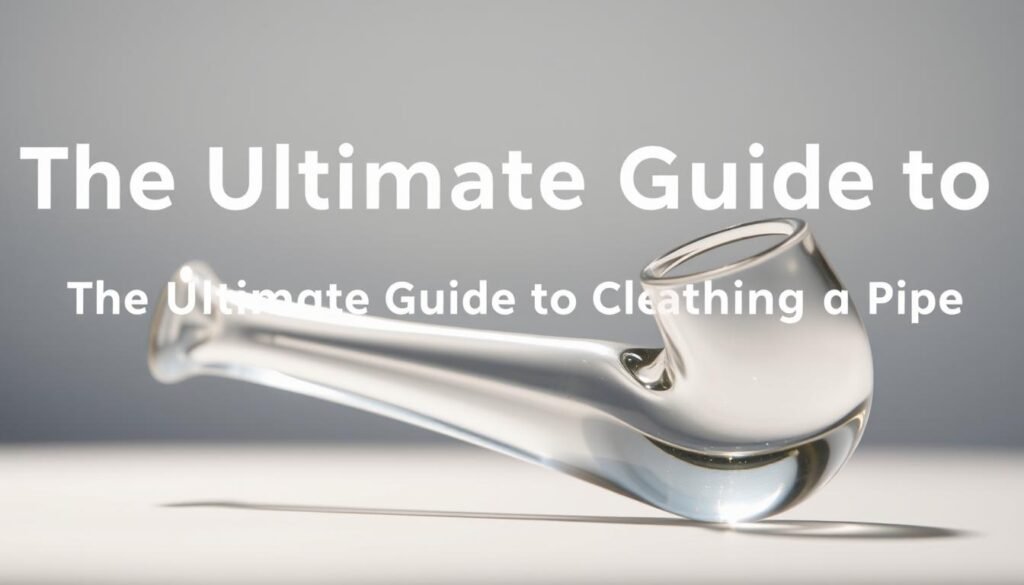
Surprising fact: one neglected glass piece can harbor enough bacteria and mold to make regular upkeep essential — experts recommend monthly care for water rigs.
I write from experience. I keep every piece tasting right by following a simple routine I use before and after sessions. That routine preserves flavor and keeps airflow clear.how-to-clean-a-stainless-steel-sink
My workflow is plain: knock out debris, soak, agitate, let the solution work, rinse with distilled water, then dry fully. These steps help remove stubborn resin and prevent odors.
I keep a few reliable tools on hand: coarse salt, isopropyl alcohol, resealable bags, pipe cleaners, cotton swabs, and soft brushes. High-quality borosilicate glass stands up well to this method.
Safety note: avoid sudden temperature shifts, and match cleaning methods to material. With a few minutes and the right tools, every bowl pulls smoother and tastes fresher.
Key Takeaways
- Monthly maintenance prevents mold and bacteria buildup in water pieces.
- A clear workflow makes sessions faster and results consistent.
- Keep basic tools nearby for quick upkeep after use.
- Rinse with distilled water to avoid hard-water spots on glass.
- Match methods to material: glass, silicone, and briar need different care.
Why I Keep My Pipe Clean: Flavor, Performance, and Health
When my glass is fresh, terpene detail and airflow stay true every session. Clean glass preserves delicate flavors that cheapen quickly when resin builds up.
Flavor matters. I want each bowl to taste like the weed I packed, not like stale smoke. That means regular attention so terpenes aren’t masked.
Performance matters. Resin and buildup narrow passages and make pulls harsher. I notice smoother, more reliable airflow after a quick maintenance pass.
Health matters. Neglected pieces and standing water can host bacteria and fungi, including serious pathogens. I follow one simple rule: if I wouldn’t drink from it, I won’t smoke from it.
“If you wouldn’t drink from it, you shouldn’t smoke from it.”
I stick to a routine so cleaning takes little time and prevents permanent stains, cracks, or flavor crossovers. Fresh water in, funky water out.
- I clean to taste what I packed and avoid flavor crossovers.
- I remove resin early so later maintenance isn’t a big project.
- I swap water often and dry interiors to cut bacteria growth.
- Keeping parts clear protects the piece and saves time in the long run.
For a short practical guide that matches my routine, see this clean glass guide.
What I Use to Get a Spotless Pipe
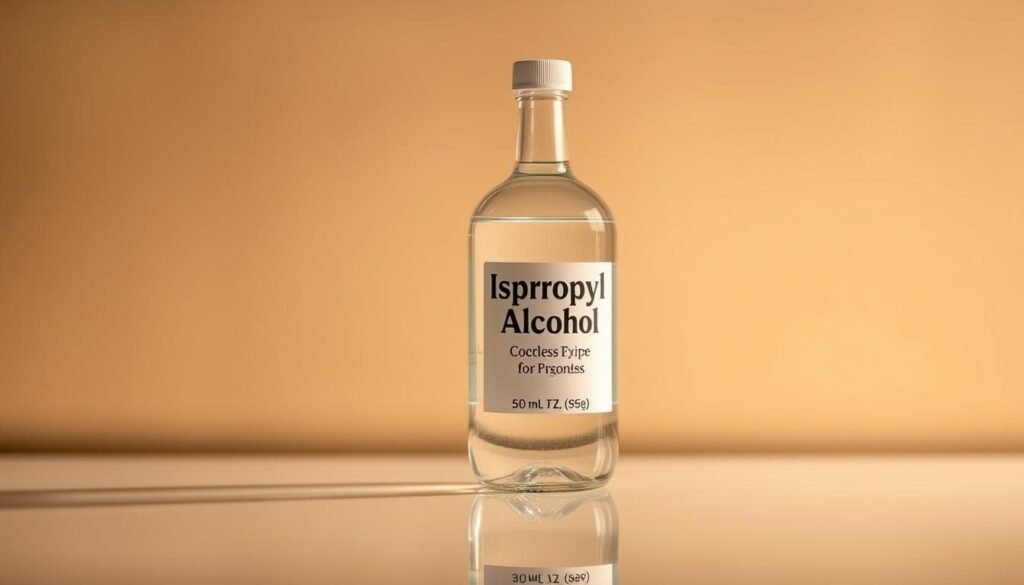
My toolkit starts with a strong, dependable combo that clears stubborn resin fast.
Isopropyl alcohol and salt: I reach first for isopropyl alcohol above 90% paired with coarse salt. The alcohol dissolves sticky residue and the salt acts as a gentle abrasive inside narrow passages. For glass pieces this is the fastest DIY route.how-to-clean-eyeglasses
Reusable cleaners vs DIY: I keep a no-scrub reusable glass cleaner like Grunge Off for days I want a soak-and-go option. It dissolves resin without abrasives and I can pour unused solution back into its bottle.
Small tools that matter: I stock soft and bristle pipe cleaners, cotton swabs, long-handle soft brushes, and sturdy resealable bags or lidded containers for safe soaking. These tools reach stems, downstems, percs, and tight corners.
Water rules: I rinse glass with distilled water to avoid mineral spots. For silicone I use dish soap and warm water; some high-quality silicone is dishwasher safe. I never wet briar wood—those stay dry and get airway attention only with a dampened cleaner.
“Simple, purpose-fit products do the best job—avoid scented household cleaners that leave residues.”
| Item | Best for | Notes |
|---|---|---|
| Isopropyl alcohol (90%+) | Glass, stubborn resin | Pair with coarse salt for abrasion |
| Coarse salt | Interior scrubbing | Acts like a scrubber inside tight passages |
| Reusable glass cleaner | Soaks without scrubbing | Can be poured back into bottle for reuse |
| Pipe cleaners, cotton swabs, brushes | Detail work | Soft bristles prevent scratching |
| Distilled water | Final rinse for glass | Prevents hard-water spots |
For a quick reference on routine steps and products I use, see this maintenance guide.
How to Clean a Pipe
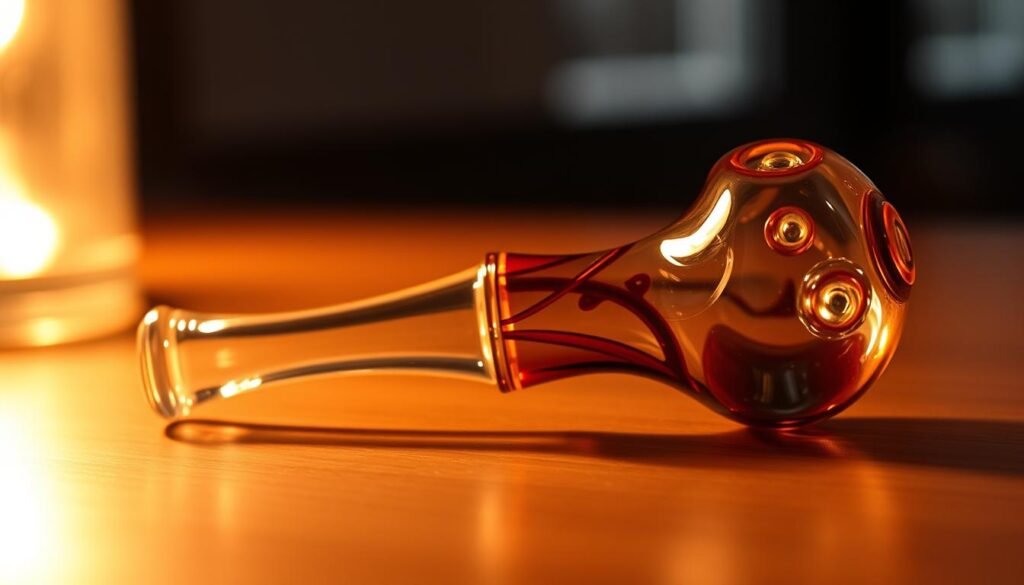
I keep a short, specific routine that restores flavor and airflow without drama. The steps vary by material, so I match method to the item and avoid risky shortcuts.how-to-clean-apple-watch-band
Glass hand pipe or one-hitter
I tap loose ash and slip the piece into a resealable bag. I add isopropyl alcohol and a couple tablespoons of coarse salt, shake hard, then let sit about 30 minutes. After soaking I hit tight spots with a pipe cleaner or cotton swab and rinse with distilled water.
Bong or bubbler
I dump old water, warm-rinse, then fill with ISO and salt or a reusable cleaner. I cover openings, shake so the abrasive moves through percs and joints, then soak roughly 30 minutes. Downstems and bowls get their own small bag so each part gets full contact.
Silicone and briar
Silicone pieces wash with dish soap; rated gear can handle brief boiling or a top-rack run. For tobacco briar I wait until fully cool, remove the stem, and run dry pipe cleaners through the airway. For stubborn ghosting I use a careful salt-and-alcohol deep-clean on the bowl, then let the wood dry a full day.
Timing, Ratios, and Tough Buildup
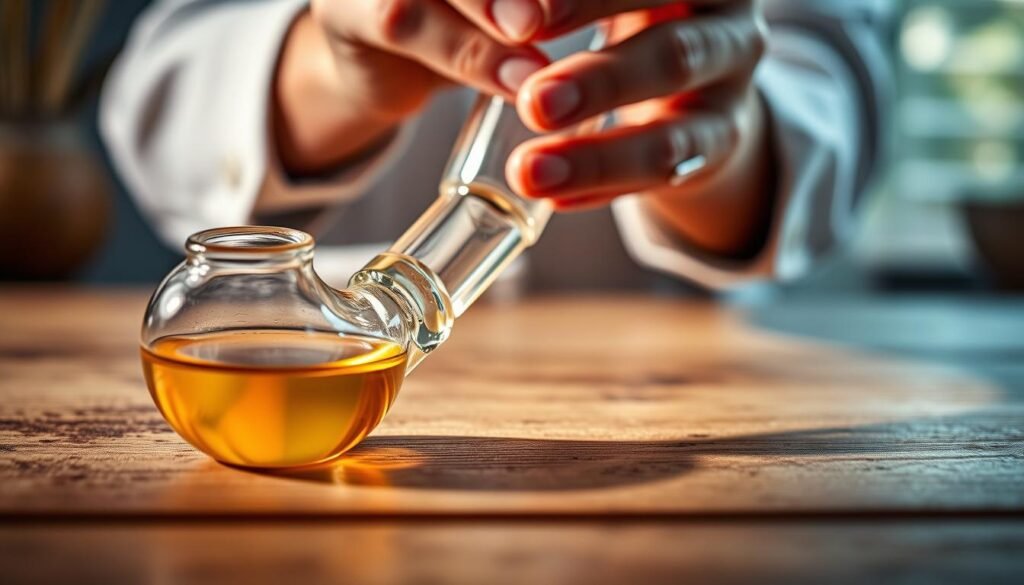
A repeatable soak-and-shake saves time and keeps parts usable between deep overhauls.
For glass work I use a practical ratio: roughly three parts isopropyl to one part salt. For example, about one cup of alcohol with one-third cup of salt gives solvent and grit in balance.how-to-clean-vomit-from-carpet
My soak-and-shake routine:
My soak-and-shake routine: minutes that matter, repeat as needed
I start with a vigorous shake for about five minutes to dislodge loose buildup. Then I let the mixture sit for roughly 30 minutes so the alcohol can break down sticky resin.
If residue remains, I repeat the cycle rather than scrubbing endlessly. Multiple short rounds work better and are gentler on joints and percs.
I use a sealed bag so salt moves through internal channels during agitation. After each soak I chase tight spots with a pipe cleaner while the residue is soft.
“Short, focused cycles remove more than one long, hard scrub, and they protect fragile glass.”
- Ratio: ~3:1 isopropyl alcohol to salt.
- Agitate: ~5 minutes vigorous shake, then let sit ~30 minutes.
- Repeat: run another cycle for heavy buildup; add fresh salt or alcohol if needed.
| Step | Action | Notes |
|---|---|---|
| Mix | Combine isopropyl and salt | Use ISO 90%+ for faster results |
| Shake | Vigorous agitation ~5 minutes | Seal in a bag so salt moves through channels |
| Soak | Let sit ~30 minutes | Longer on stubborn buildup; repeat cycles |
| Detail | Use pipe cleaner or thin picks | Work while residue is soft |
| Finish | Rinse and dry fully | Dispose of used alcohol responsibly |
Preventing Resin Buildup and Odor Between Cleans
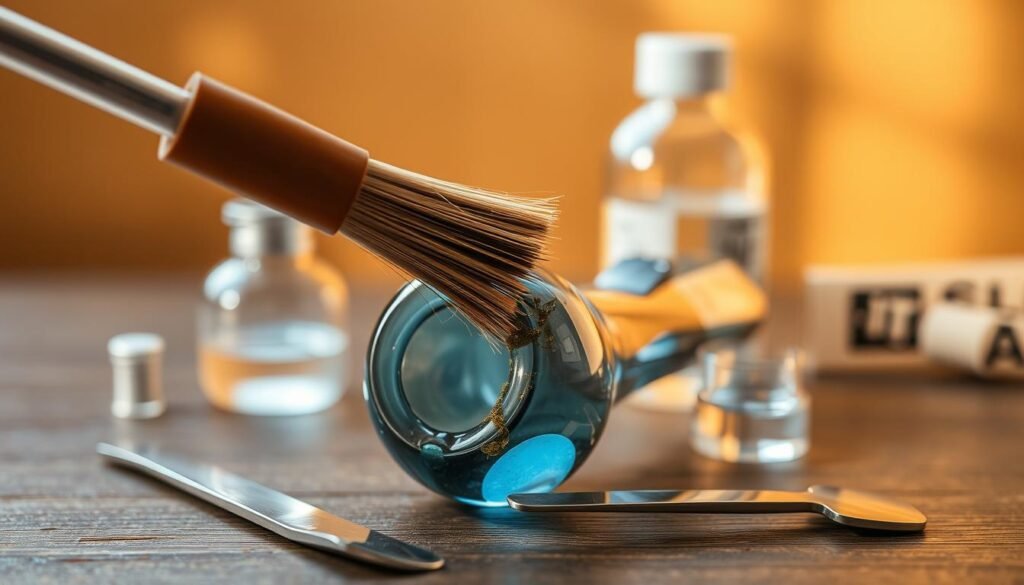
A few quick moves after I finish smoking save me long cleaning sessions later. I follow a short routine that protects flavor, airflow, and finishes on my gear.
Quick post-session routine to protect airflow
Right after use, I tap out ash and give the glass a warm rinse so resin won’t harden into a film. I run a pipe cleaner through stems and check draw; this takes little time and prevents stubborn clogs.
Changing water, using screens, and storing pieces properly
I swap water in my water pieces every session — fresh in, funky out. I use screens to keep bits out of the water and cut how much residue coats inner passages.
Managing the bowl’s carbon layer and when I ream
For briar I preserve a thin carbon layer in the bowl; it protects the wood and helps tobacco burn evenly. When that cake thickens past about 1.5–2.0 mm, I ream it back so heat and airflow stay steady.
- I air-dry glass fully before storing and keep pipes in a cool, dry cabinet.
- I rotate pieces so each pipe gets interior time to dry and avoid sour smells.
- I keep a small kit—screens, cleaners, and swabs—handy for fast touch-ups.
Safety First: What I Never Do When Cleaning
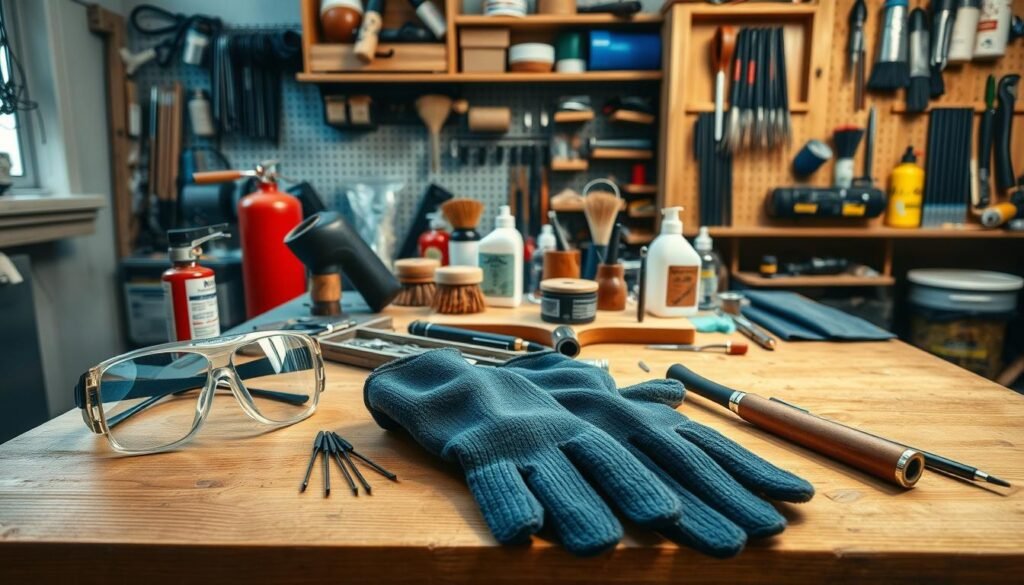
Safety matters more than speed when I work on any glass or wooden gear. I follow simple rules that protect flavor, fit, and finish. I avoid risky shortcuts and pick gentle options instead.
Avoid boiling shocks and scented cleaners
I never pour boiling water into glass. Sudden temperature swings can fracture or weaken it in subtle ways.
I skip scented household cleaners, bleach, and vinegar. These leave residues that taste awful and can damage finishes.how-to-clean-a-speaker-on-an-iphone
Why I don’t soak briar in spirits
For briar, I never soak in whisky, cognac, or similar spirits. Alcohol can swell wood pores and change how the bowl performs.
If I need alcohol inside a briar, I use neutral rubbing alcohol sparingly and only through the airway. Then I let the piece dry at least 24 hours.
- I never reassemble parts while damp — trapped water breeds odors and warps fits over time.
- I avoid harsh abrasive scrubs on finished surfaces that can scratch glass or remove protective layers.
- For silicone exteriors I use mild dish soap and warm water; I don’t put detergents inside pathways where residue could persist.
- I stick to plain isopropyl alcohol for stubborn spots and avoid products with perfumes or additives.
“Treat every cleaner with respect: rinse thoroughly and favor patience over chemistry.”
Conclusion
What matters most at the end is a rinse, a dry, and a quick check of every airway.
I wrap the job with the simplest method: high‑purity isopropyl and coarse salt in a bag, a strong shake, a patient soak of about 30 minutes, then a distilled water rinse for spotless glass.
I make sure each bowl and pathway is free of resin before air drying. For bongs and bubblers I cover openings and clean accessories separately. For silicone I use dish and warm water; for briar I keep the carbon layer and run dry pipe cleaners through the airway.
Keep it safe: no sudden heat, no scented sprays, and never soak briar in spirits. I keep simple tools—pipe cleaner, cotton swabs, and a few smart cleaners—so routine maintenance stays quick and consistent.
For a short practical guide that lines up with my routine, see this cleaning guide.