Surprising fact: a fouled flow sensor can lower fuel economy by up to 20% and trigger driveability issues that mimic serious engine faults.
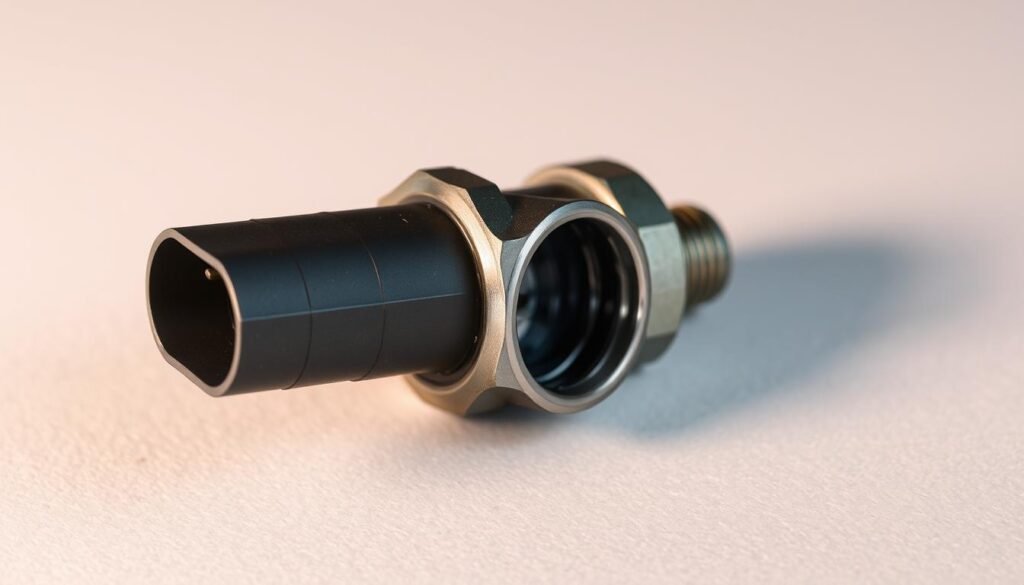
I’ll explain what this small component does in my car’s intake and why it matters. A maf sensor measures temperature and the weight of incoming air so the engine control module can set fuel properly.how-to-clean-an-electric-blanket
When dirt, oil, and debris build on the hot wire or plate, readings skew and the check engine light can follow. I’ll walk you through the tools, steps, safety must-dos, and common don’ts so the job feels manageable even if this is your first DIY.
Expect quick wins: better throttle response, firmer acceleration, and fewer hesitations once proper mass air flow data returns. If symptoms persist, I note when a deeper diagnostic of intake, filter, or other sensors makes sense.
For a practical test and cleaner choices, see this detailed guide from a trusted source.
MAF sensor test and cleaning guide
Key Takeaways
- That small flow sensor controls fuel delivery and smooth driving.
- Light contamination on the sensor can cause poor acceleration and rough idle.
- I’ll cover tools, steps, and safety items so the task is doable.
- Cleaning often restores throttle feel and fuel economy quickly.
- Keep the intake and air filter healthy to protect sensors downstream.
Before I Start: Air flow basics, safety, and what I’ll use today
I begin with a short primer so the task feels clear and safe. The flow sensor provides the engine control unit precise air flow data so fuel metering stays right. That accuracy is what gives stronger off‑the‑line acceleration and better fuel economy.how-to-clean-a-self-cleaning-oven
Why a clean sensor matters for smooth acceleration and fuel economy
When dirt and oil bake onto the hot element, the sensor under‑reports flow. The ECM then leans out fuel or misjudges timing, which causes hesitation and poor throttle feel.
Safety first and prep
My safety routine: cool engine, key out, and work outdoors with good ventilation. I wear safety glasses, gloves, and a dust mask. I also put a fender cover over the bumper.
- Tools: 4‑in‑1 screwdriver, Torx/hex sockets, ratchet, and security Torx if needed.
- Products: only a dedicated maf sensor cleaner or labeled sensor cleaner. These sprays are flammable—do not use brake cleaners or water because they can harm the hot element and leave residue.
- Workspace: keep the intake and air duct clear of new dust while I work and check the air filter and duct clamps before reassembly.
- Time: plan about 20–30 minutes so the cleaner can flash off and the sensor returns clean air readings at restart.
How to clean air mass meter the right way
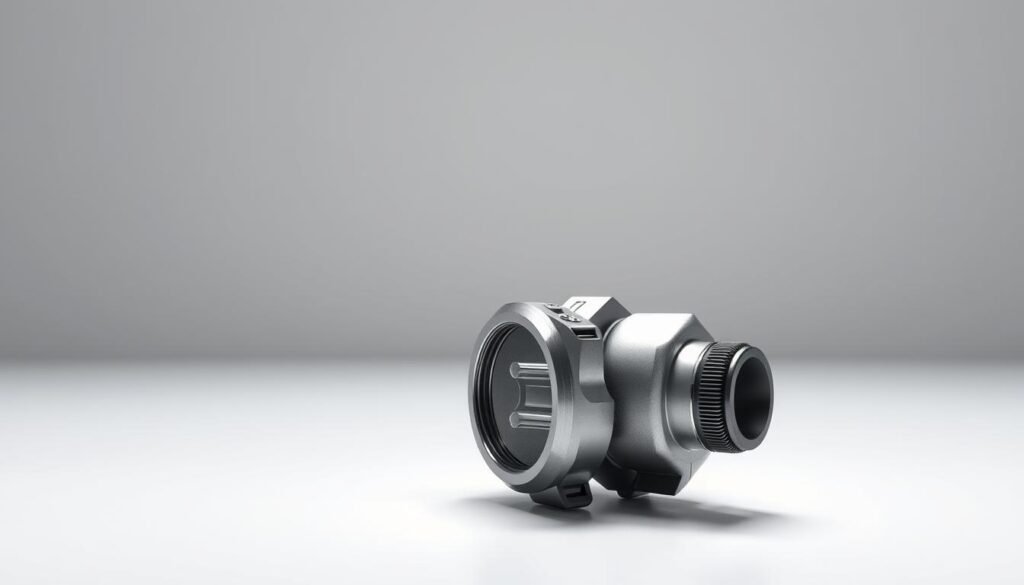
I first trace the intake from the filter box to the housing so I can spot worn clamps or cracked ducts. This quick inspection tells me which fasteners I need and whether connectors look brittle.
Locate and inspect
I check the air duct, air filter housing, and sensor harness for grime or loose screws. If the housing looks damaged I note it before removal.how-to-clean-a-waffle-iron
Disconnect and remove
I release the electrical tab, remove the screws with the correct Torx or security bit, and keep the flow sensor upright. I handle the body only and never touch the hot wire or plate.
Spray the cleaner
I use a dedicated maf sensor cleaner and mist the sensing element in short bursts. No brake sprays or household solvents — those leave residue and harm components.
Dry time and reassembly
I set the part on a clean towel and let it air dry for 20–30 minutes. I don’t speed drying with heat or compressed air. Then I reinstall, tighten clamps, and confirm the intake path is clear.
Start-up and test drive
I start the engine and let it idle so the ECM can relearn. A short drive checks throttle response and steady flow readings. If anything feels off, I review the air filter and repeat checks.
For a step-by-step reference, see the MAF sensor test and cleaning guide.
If things still feel off: symptoms, quick checks, and when to go deeper
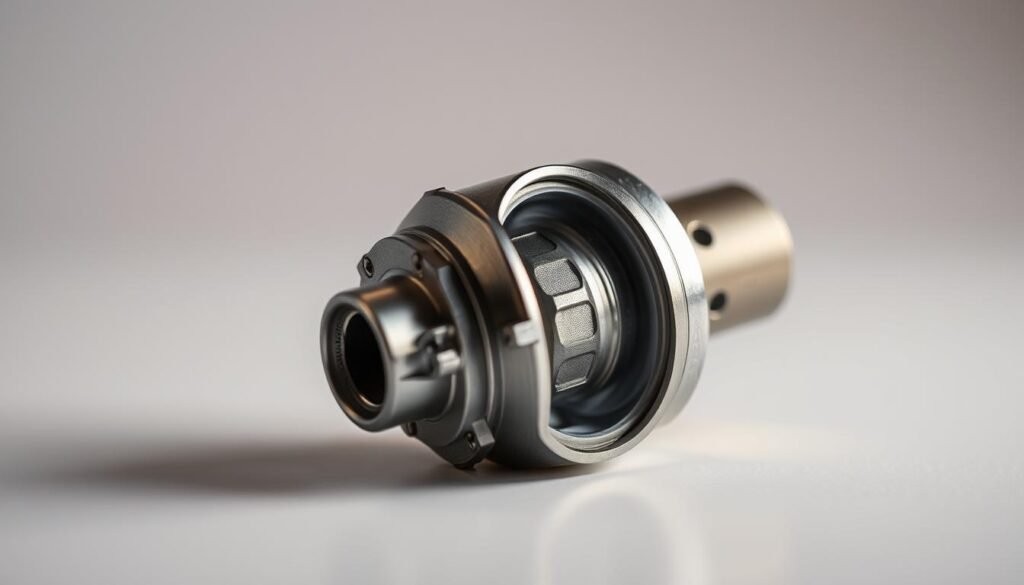
If the drive still feels wrong after a service, I run a short set of targeted checks that usually point to the next step.how-to-clean-a-yoga-mat
Recognize the common signs
I watch for rough idle, hard starting, stalling, weak acceleration, black smoke, or a drop in fuel economy.
A glowing check engine light and codes like P0101, P0102, or P0103 often mean an issue with the flow sensor or its wiring.
Fast checks I do next
I scan codes, then verify the air filter and clamps for leaks that let unmetered air bypass the sensor.
I keep a bottle of sensor cleaner handy and use it more often if I drive on dusty roads or near construction.
When the problem runs deeper
Not every car has a maf sensor. Some cars use a MAP sensor; in that case I clean the intake passage and inspect the IAC valve and throttle body for carbon.
If black smoke, severe stalling, or repeated codes persist, the sensor or wiring may need replacement.
In some areas replacement can run about $300–$375 for parts and labor, so I confirm diagnostics before committing.
- I scan for codes related to air flow and act on clear DTCs.
- I increase service frequency if conditions are dusty.
- I expand checks to IAC, vacuum leaks, and duct integrity when symptoms don’t match the cleaning results.
- If unsure, I consult this forum thread for practical tips: MAF cleaning tips and diagnosis.
Conclusion
strong, a brief, methodical service usually restores proper readings and noticeable drivability gains in 20–30 minutes.
I always work with a cool engine, gloves, and safety glasses, and I use a dedicated spray and a light touch on the sensor.
Let the solvent fully evaporate before reinstalling. Then check tight duct connections and a healthy filter so unmetered air can’t upset the fresh readings.
I finish with a short idle period, then a test drive to confirm steady idle and sharper throttle response. Regular checks like this keep the mass air flow system tracking correctly and help avoid surprises on the road.
For an illustrated reference, see this cleaning a MAF sensor guide.