Did you know that professional care for these pieces can cost $3–$8 per square foot? That small number shows why I favor simple, low-risk routines I can do in my living space.
I start by shaking or beating the carpet outdoors and vacuuming both sides. For light soil I use a dry refresh with baking soda; for heavier grime I choose a cool-water wash and a pH-neutral detergent that protects natural fibers.
Avoiding heat, bleach, and alkaline cleaners is key because they cause color bleed and damage. I always speed drying with airflow and fans, never direct sun, so musty smells don’t set in.
I cover when I call a pro, what certifications matter, and cost ranges so I can budget smartly. For an in-depth routine and stain playbook, I link a trusted how-to guide that fits my approach: how to clean a wool rug.
Key Takeaways
- Use gentle methods first: shake, vacuum, then baking soda for refreshes.
- Choose cool water and a wool-safe, pH-neutral detergent for deep washing.
- Avoid bleach, strong alkalinity, direct heat, and prolonged moisture.
- Dry fast with airflow and fans to prevent odors.
- Professional cleaning costs vary; check certifications and get estimates.
- Keep tools simple and routines regular for a fresh living space.
Understanding Wool Rugs: Why Care and Method Matter
I focus on methods that keep fibers resilient and natural lanolin intact for long-term wear. Wool’s lanolin gives many pieces natural stain resistance and bounce. Gentle, water-based treatment preserves that layer and keeps pile lively.how-to-clean-a-retainer
Know the risks. Hot water, high alkalinity, and aggressive agitation can cause felting, shrinkage, or brittleness. Excess moisture invites musty odors and even mold in dense pile.
Wool fibers 101: natural oils, resilience, and stain resistance
I count on wool’s natural oils to fend off everyday soil. Light, regular care maintains those oils and keeps colors true. Vacuum on a higher pile setting so I lift dirt without roughing the surface.
Common risks: moisture, heat, harsh chemicals, and color bleed
I avoid strong alkalinity and bleach because they cause color bleed and weaken fibers. I also limit heat and scrubbing; too much pressure or warmth can lock fibers together and ruin texture.
“Treat spills fast: blot from the outside in with cool water and a gentle, wool-safe solution.”
- I keep moisture controlled to prevent slow drying and mold.
- I reduce agitation to lower felting risk.
- I act quickly on stains, working outward to protect dyes.
| Issue | Cause | Best response |
|---|---|---|
| Felting | Hot water, heavy agitation, high alkalinity | Cool water, wool-safe detergent, gentle dabbing |
| Color bleed | Bleach, harsh chemicals | Test first, use pH-neutral cleaners, avoid bleach |
| Musty odor | Excess moisture, slow drying | Limit soaking; dry with fans or dehumidifier |
| Surface fuzzing | Aggressive vacuuming or scrub | Vacuum on high pile setting; soft brush for spot work |
For a deeper routine that matches this gentle approach, I reference a trusted guide here: wool rug longevity tips.
Prep Before I Clean: Assess, Test, and Set Up My Space
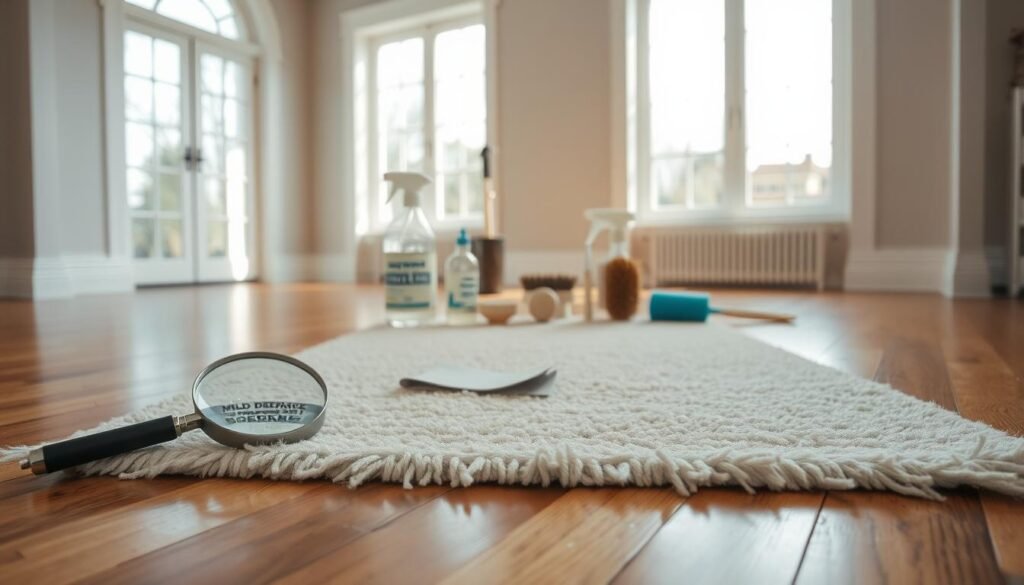
Before I wet anything, I walk the piece and note its pile, dyes, and backing so my plan matches the material.
I start with a quick inspection to learn construction and wear. This step guides my care and keeps me from making an aggressive choice later.
Spot test: I always test in a hidden area using a wool-safe, pH-neutral solution mixed with cool water. I watch for dye bleed or texture change and blot with white cloths.how-to-clean-a-stainless-steel-sink
I check the backing for jute or other cellulosic layers. That avoids brown stains and shrinkage during drying. I raise my vacuum height so the pile and fibers stay protected.
- I remove furniture and lift the rug so air reaches both sides.
- I set fans and a dehumidifier to shorten drying time and cut odor risk.
- I stage two buckets—one for the solution, one for fresh rinse water—and a wet-dry vacuum if I have one.
“A careful spot test and good airflow make cleaning results predictable and safe.”
For extra reference, I keep a trusted wool rug guide on hand.
My Essential Wool Rug Cleaning Kit at Home
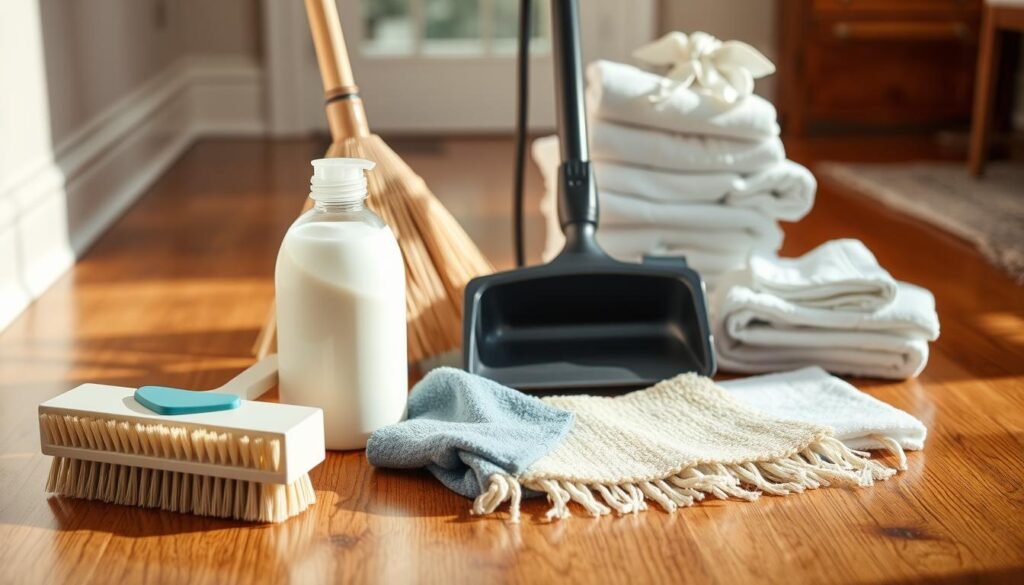
I keep a compact kit on hand so I can handle spills and refreshes without fuss. This helps me act fast and protect fibers while staying in my living space.
Core tools: I choose a vacuum with an adjustable head and set it to high pile so I lift soil without scraping. A soft-bristle brush gives gentle agitation, and white cloths and towels let me watch for dye transfer as I work.
Safe solutions and dry refreshes
I stock a pH-neutral, wool-safe cleaner and mix it with cool water for washing. Baking soda is my dry refresher for odors and light soil. I treat white vinegar as optional and only use it highly diluted after testing a hidden spot.
- I stage fans and a dehumidifier for steady airflow across both sides.
- I keep a wet-dry vacuum handy for controlled extraction and less lingering dampness.
- I protect floors with towels or a breathable mat under any wet work.
“Keep everything within reach before you start — it saves time and reduces risk.”
For a trusted external routine I pair with my kit, I consult this professional guide: professional wool rug care.
How to Clean a Wool Rug: Step-by-Step, Gentle and Effective
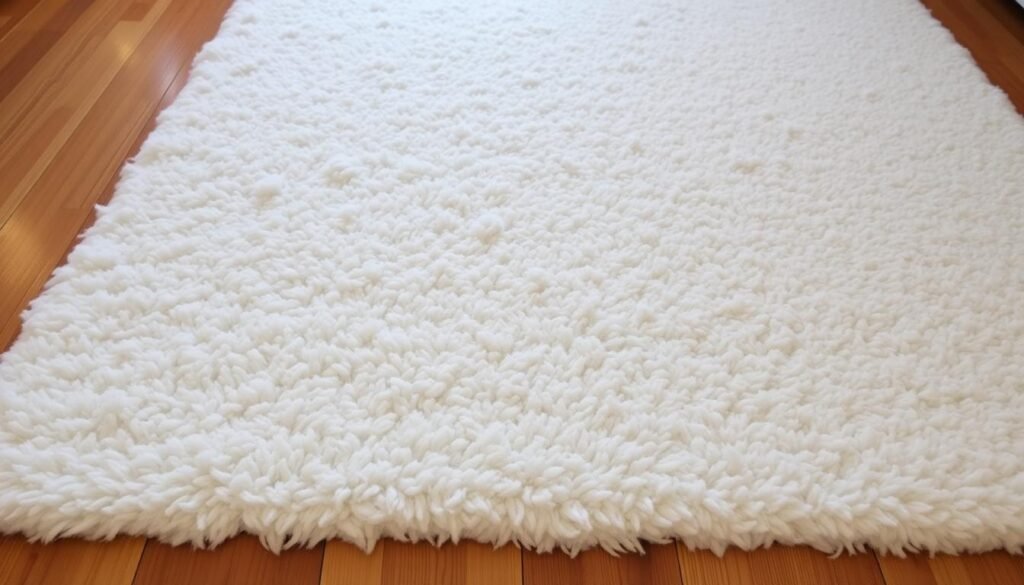
I begin by removing loose debris so any wet work stays low-risk. I take the rug outside when possible, give it a firm shake, and beat the back gently. Then I vacuum the back first and the face next to pull out embedded grit.how-to-clean-a-self-cleaning-oven
Choose method and prep
Light refresh: For mild soil I sprinkle baking soda, let it sit for several hours, then vacuum. This deodorizes and lifts light dust without water.
Deeper wash: For heavier grime I mix cool water with a wool-safe detergent in one bucket and keep clean water in another for rinsing.
Work in small sections
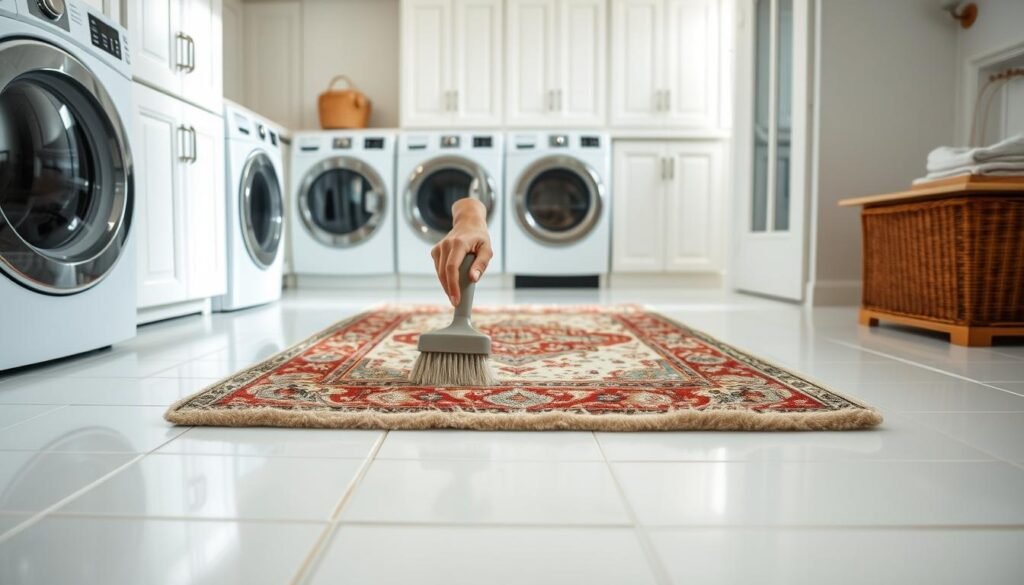
I apply the solution sparingly and use a soft brush for light agitation. I avoid aggressive scrubbing to prevent fuzzing or felting.
I rinse by dabbing with clean water from the second bucket, section by section, so I don’t over-wet the pile.
Drying and finishing
I blot with towels and, if available, run a wet-dry vacuum for gentle extraction. Then I elevate or hang the piece and run fans for steady airflow—no heat or direct sun.
Before re-laying, I do a final pass with a dry towel and confirm both sides are fully dry to prevent odors and trapped moisture.
“Start outside, work in sections, and never rush drying—patience protects fibers.”
| Step | Action | Why it matters |
|---|---|---|
| Shake & vacuum | Remove loose dirt from both sides | Prevents grit from abrading fibers during wet work |
| Dry refresh | Sprinkle baking soda, wait, vacuum | Deodorizes and lifts light soil without water |
| Detergent bath | Cool water + wool-safe solution; soft brush | Deep cleans while preserving natural oils |
| Rinse & blot | Dab with clean water; blot with towels | Removes residue and limits moisture |
| Drying | Elevate/hang, fans, no heat/sun | Speeds drying and prevents musty smells |
Spot and Stain Playbook: From Pet Accidents to Spills

The first minute after a spill matters—my goal is to stop spread and limit damage.
Blot, don’t rub. I grab white cloths and work from the outside in. That keeps the spot small and prevents the stain from moving into the backing.how-to-clean-a-waffle-iron
I treat pet accidents with an enzyme-based, wool-safe cleaner that breaks down organic material without harming fibers. I apply small amounts and blot between treatments until I see improvement.
For odors and light discoloration I sprinkle baking soda, let it sit a few hours, then vacuum thoroughly. This lifts smell and minor marks without wetting the area.
Vinegar caution: Vinegar is acidic. I only use it highly diluted after a successful spot test. I keep the application tiny and controlled to avoid color change or harsh reactions.
I repeat gentle cycles—blot, treat, blot—instead of scrubbing. When the spot looks better, I blot-dry and run fans for steady air so the fibers dry fast and rings don’t form.
| Stain type | Best action | Why it works |
|---|---|---|
| Fresh liquid | Blot edges inward with white cloth | Prevents spread and limits backing saturation |
| Pet/organic | Enzyme-based, wool-safe cleaner; blot | Breaks down organic matter without harming fibers |
| Odor/light discolor | Sprinkle baking soda, wait, vacuum | Absorbs odor and lifts minor discoloration |
| Acidic residues | Test tiny area; use highly diluted vinegar only if safe | Reduces color change risk and avoids fiber damage |
Drying, Fluffing, and Post-Clean Maintenance
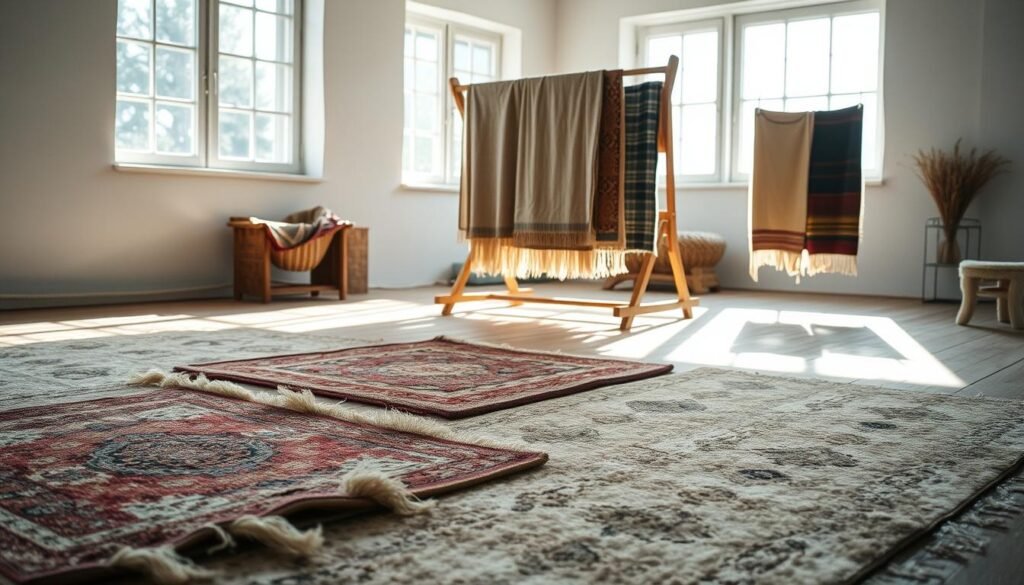
After washing, I focus on air movement and gentle grooming so fibers regain loft without stress. Fast but cool airflow prevents color shift and keeps texture lively. I never use heat or direct sun, which can cause shrinkage and fading.how-to-clean-a-yoga-mat
Ideal drying: cool air, fans, and ventilation
I dry with moving air only — fans, open windows, and a dehumidifier. If the piece is safe to elevate, I briefly hang rug so both sides get circulation. This shortens overall drying time and lowers mold risk.
Reviving the pile: gentle brushing in the direction of the fibers
Once fully dry, I use a soft brush and stroke lightly in the fiber direction. This lifts the pile and restores bounce without pulling or fuzzing. For stubborn flattened areas I repeat gentle passes rather than heavy scrubs.
Weekly care: vacuum routine, rotation, and fast spill response
I run a weekly vacuum on a high pile setting to remove grit before it abrades the surface. Quick blotting for spills prevents wicking and water rings, and rotating pieces every few months evens wear and sun exposure.
- I give larger pieces extra ventilation time before placing furniture back.
- I use felt pads and a clean underlay to reduce friction and aid long-term maintenance.
- For extra guidance, I consult a trusted wool maintenance guide.
“Patience in drying and gentle brushing make the biggest difference in long-term appearance.”
Final note: simple, regular maintenance keeps fibers healthy and extends life. A little time each week pays off in years of good looks.
When I Call the Pros: Costs, Certifications, and Methods
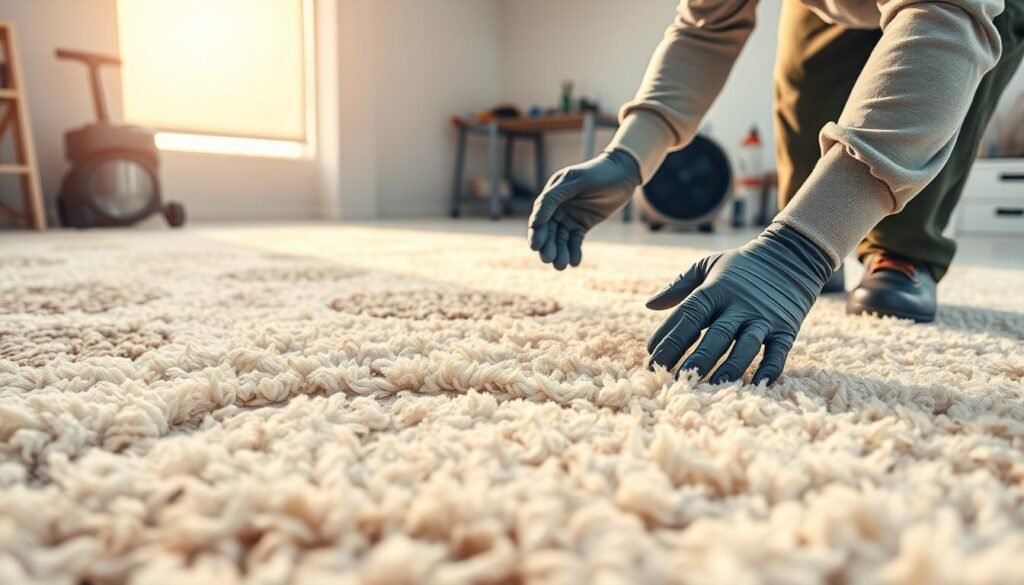
When I decide a pro is needed, I confirm their experience with natural fibers and ask for product approvals up front.
What I look for
I choose cleaners who use WoolSafe-approved products and can explain each step. I ask them to describe drying plans and how they limit moisture.
Price expectations
I expect quotes near $3–$8 per square foot. Small pieces often run $60–$150. Larger items commonly cost $200–$600+, and stain or pet add-ons usually add $10–$50 per issue.
Methods and site options
Off-site service gives better rinsing and controlled drying for dense area pieces. In-home work can be cheaper but may risk backing issues, browning, or damage wool if moisture control is poor.
- I confirm they avoid high heat and heavy steam and limit water temperature.
- I ask about backing checks for jute, air movers, and post-clean grooming.
- I get pickup, turnaround times, and guarantees in writing.
“Pick a pro who explains their wool process, not just a quick price.”
| Item | What I ask | Reason |
|---|---|---|
| Certifications | WoolSafe approval, experience | Confirms safe products and trained cleaner |
| Pricing | $3–$8/ft²; $60–$150 small; $200–$600+ large | Helps budget for area size and add-ons |
| Methods | Cool water, gentle agitation, air movers | Limits shrinkage, browning, and chemical damage |
Conclusion
I finish with a simple rule: steady, light care keeps fibers healthy and looks fresh. I vacuum weekly on a high pile setting, blot spots fast with a white cloth, and use cool water with a pH-neutral solution only when needed.
Baking soda is my go-to for odors. I let it sit, then vacuum so soda and dirt debris leave together. I avoid harsh chemicals, hot water, and heavy steam that can damage wool and cause color bleed.
I control moisture and speed drying with fans or a dehumidifier, and I hang the piece briefly when possible. For bigger jobs I hire pros who explain their process and drying plan. Small routines protect quality and make long-term maintenance simple and predictable.