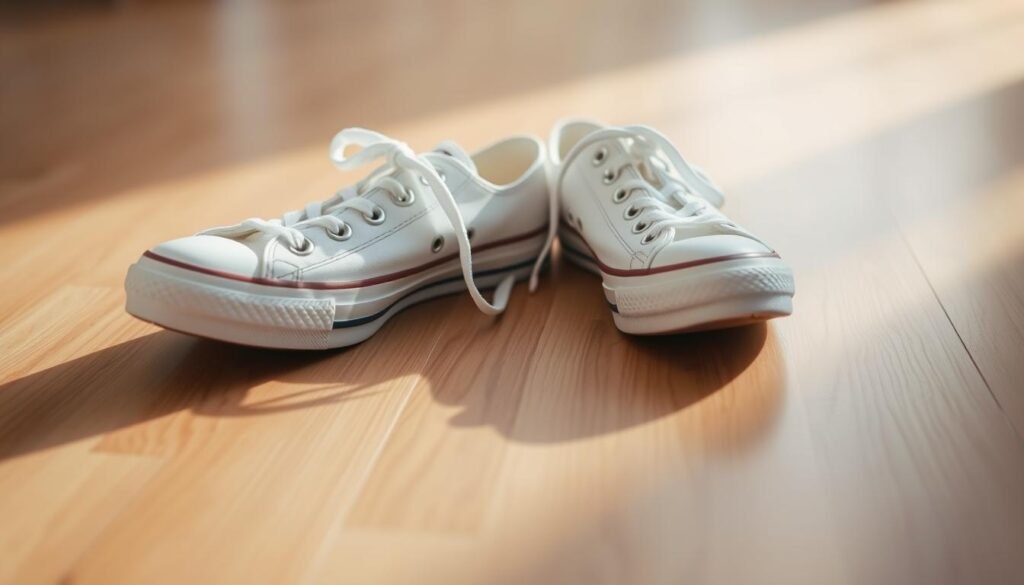
Did you know nearly one in three people toss worn white sneakers because dirt and yellowing feel impossible to fix? I tested household methods so you don’t have to guess.
I explain a clear routine based on real trials: a 1:1 laundry-detergent and vinegar mix for rubber soles, OxiClean pre-treatment for deep stains, and quick machine cycles for lighter grime. I always remove laces first, wear gloves, and work in a well-ventilated area to avoid strong smells.
My aim is simple: give you practical tips that refresh canvas and rubber, cut odors, and protect the fabric while you rinse and air dry. Follow my steps and your shoes will look clean white again without risky shortcuts.
Key Takeaways
- I tested methods so you can pick the right approach for tough dirt or a fast refresh.
- Use detergent + vinegar (1:1) for rubber soles; rinse well to remove odor.
- OxiClean pre-treatment gave the deepest lift; air dry and re-lace.
- Toothpaste, Magic Eraser, and baking soda mixes work great for small stains.
- Always remove laces, wear gloves, and allow ventilation when using strong agents.
What I use and why it works
I keep a small kit on hand that reliably lifts dirt and brightens canvas and rubber. It fits a caddy and saves time when a quick refresh is due.
My go-to kit
I stock baking soda, vinegar, powdered detergent, an old toothbrush, a soft brush, and a bowl for mixing a paste with warm water.
Detergent + warm water is my everyday workhorse. The warm water wakes up the detergent and helps the paste scrub away light grime on canvas and rubber.how-to-clean-window-ac-unit
Baking soda and vinegar create a gentle, mildly abrasive lift. I mix them in non-metal cups and use a small brush to scrub stubborn marks.
When I reach for stronger options
For set-in marks, I coat the shoe with an OxiClean Gel Stick and let it sit for a couple of hours before a hot-water rinse cycle. That produced the most dramatic lift in my tests.
- Shout spray is my quick pre-treatment when time is tight.
- Magic Eraser with a little water works like a micro-abrasive on scuffed rubber.
- Toothpaste (non-gel white) mixed with hand soap gives precision whitening along edges.
If you want a full routine, see my favorite reference for how to wash Converse.
Prep before cleaning for the best results
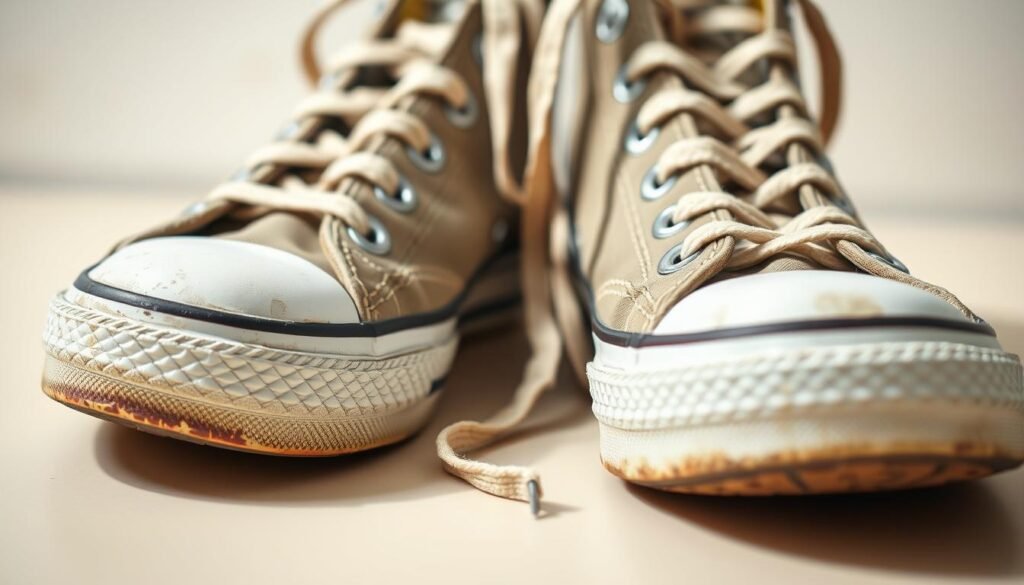
Before I start scrubbing, I set up a tidy station so each step goes smoothly. Good prep keeps me efficient and reduces the risk of damage.
Remove laces, dry-brush loose dirt, and protect the canvas
I always remove shoelaces first so I can reach every edge and make sure no gritty dirt drags across the canvas during the first step.how-to-clean-white-converse
I dry-brush loose dirt from rubber and fabric with a soft brush or an old toothbrush. Then I tap the shoes together outside to shake out dust.
Before applying any method, I spot-test an inside area. I keep a damp cloth nearby to wipe away runoff before it dries.
Safety first: ventilation, gloves, and hot-water considerations
If I use vinegar or strong pre-treaters, I open windows and wear gloves so fumes and skin irritation are avoided.
- I plan my water use: cool or room-temperature water for sensitive dyes, and hot water only when a washing cycle is safe.
- I line my workspace with a cloth to catch drips and keep shoes stable so paste won’t slide onto seams.
- For rubber edges, I mask printed areas with painter’s tape during heavy scrubbing to avoid scuffs.
“This prep step sets me up to choose the right method and get clean results without soaking the entire shoe unnecessarily.”
These simple tips make the next step faster and protect the fabric and rubber. For a full routine I trust, see my reference on safely clean your white Converse.
How to clean Converse
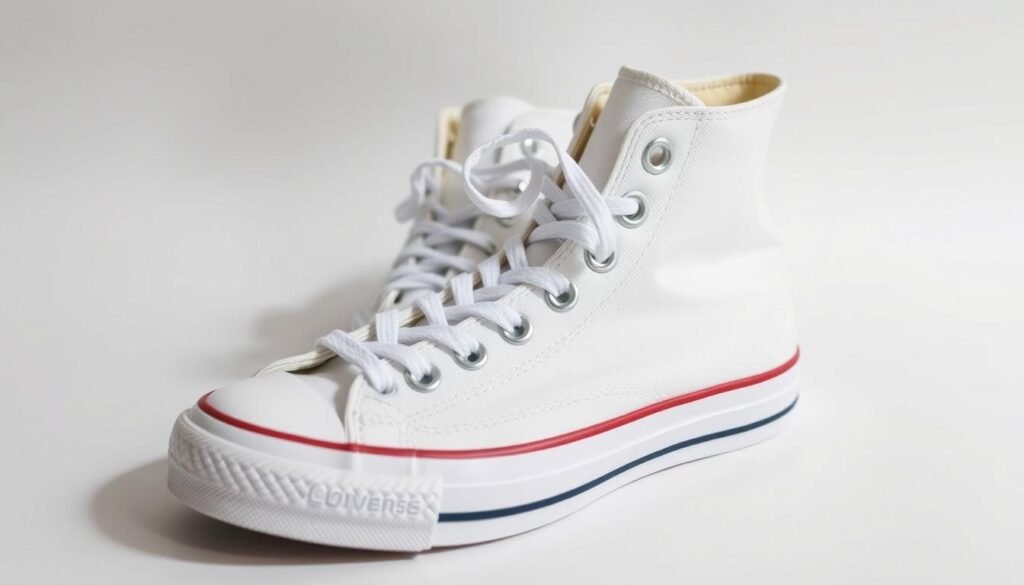
I compared quick touch-ups and deep treatments so you can match effort with outcome.
Quick methods are for small scuffs and five-minute fixes. I use a Magic Eraser for rubber sidewalls and a dab of toothpaste plus soap on a toothbrush for toe caps. That toothpaste mix scored highest for rubber in my tests.how-to-clean-white-board
Deep methods take more time but lift serious stains. An OxiClean Gel Stick left the biggest improvement when I let it sit for a couple of hours, then ran a hot wash cycle without extra detergent. Shout plus a hot-water rinse worked too, though it was less dramatic.
Which method I pick by stain level
- Light marks: toothpaste + soap on a toothbrush, or a fast detergent paste for canvas and edges.
- Set-in stains: OxiClean Gel Stick, sit for minutes up to hours, then a machine rinse cycle.
- Natural route: baking soda and vinegar mixed into a paste and gently scrubbed with a brush.
- Quick scuffs: Magic Eraser for rubber; nail polish remover only for stubborn rubber marks and used sparingly.
Final step: I always rinse with controlled water and blot so fabric doesn’t stay soaked. Air dry and keep the shoe’s shape while the canvas recovers.
Hand-cleaning methods that actually lift stains
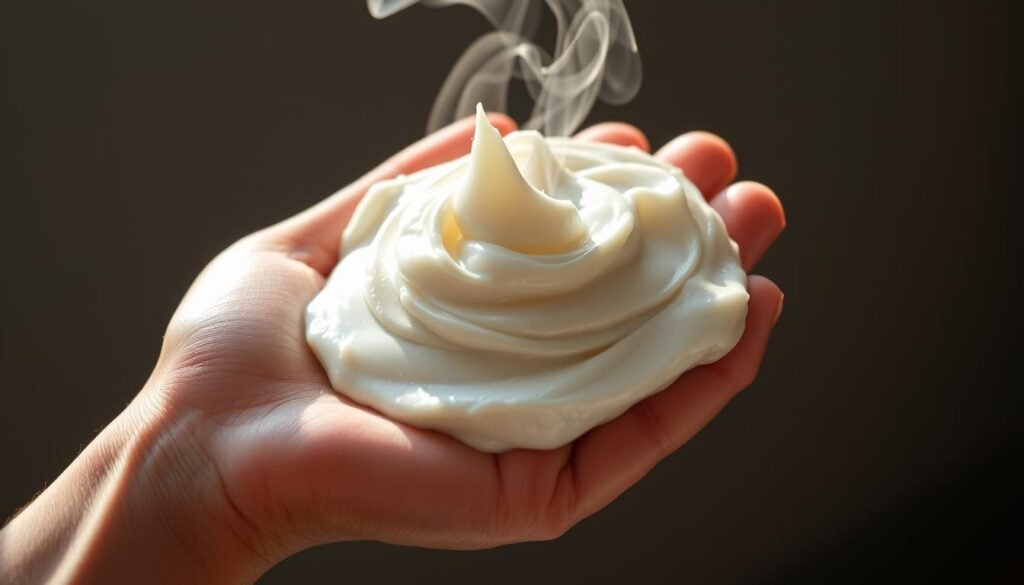
I keep a few simple mixes ready for hand work. Small batches let me control fizz and abrasion while I target marks without soaking the entire shoe.how-to-clean-weed-pipe
Detergent paste + warm water
Powdered laundry detergent plus warm water makes a thick paste that scrubs away dirt on canvas and edges. I spread a little, work it with a brush and a toothbrush, then rinse promptly so no film dries on the fabric.
Vinegar and baking soda mixture
For a natural route I mix baking soda and vinegar at about 2:3. I add the vinegar slowly in a non-metal bowl to control the fizz.how-to-clean-a-washing-machine
The gritty paste dislodges grime while the acidity helps break it down. If paste spills onto nearby canvas I wipe it away with a damp cloth right away.
Toothpaste + hand soap for rubber spots
On toe caps and foxing I use non-gel white toothpaste mixed with hand soap at roughly 5:4. This combo gave me the cleanest white finish and precise control along seams.
Nail polish remover for stubborn rubber marks
As a last resort I dab high-acetone remover on rubber only, using a cotton ball and brief contact. I avoid stitched areas and always ventilate and wear gloves.
“After any hand treatment I blot with a clean cloth and let excess water drip off before finishing.”
For a tested routine on laces and deeper care, I also reference a trusted guide here: step-by-step advice.
Machine and dishwasher options I use sparingly
When I need a fast full-shoe refresh, I use controlled machine options sparingly. These methods work best after spot treatment and careful prep.
OxiClean Gel Stick pre-treatment: I coat uppers and rubber, let the gel sit from five minutes up to a few hours (my tests often took a couple hours), then run a hot rinse cycle in the washing machine without detergent. After the washing, I reshape and air dry away from direct heat.
Shout spray for speed: For quicker refreshes I spray generously, wait about ten minutes, then run the same hot rinse cycle. I still skip laundry detergent because the pre-treater and hot water do most of the work.how-to-clean-battery-corrosion
Dishwasher caution: I place shoes on the top rack facing downward, add a detergent pod, and use a normal cycle. I avoid heat-dry settings so glue and soles don’t warp.
- I check rubber edges and stitching after any machine run.
- If residue remains, I do a quick touch-up with a Magic Eraser or toothpaste-and-soap spot fix.
“These appliance methods are for when I want a reliable, whole-shoe reset that leaves a clean white finish fast.”
Soles, rubber, and canvas care step by step
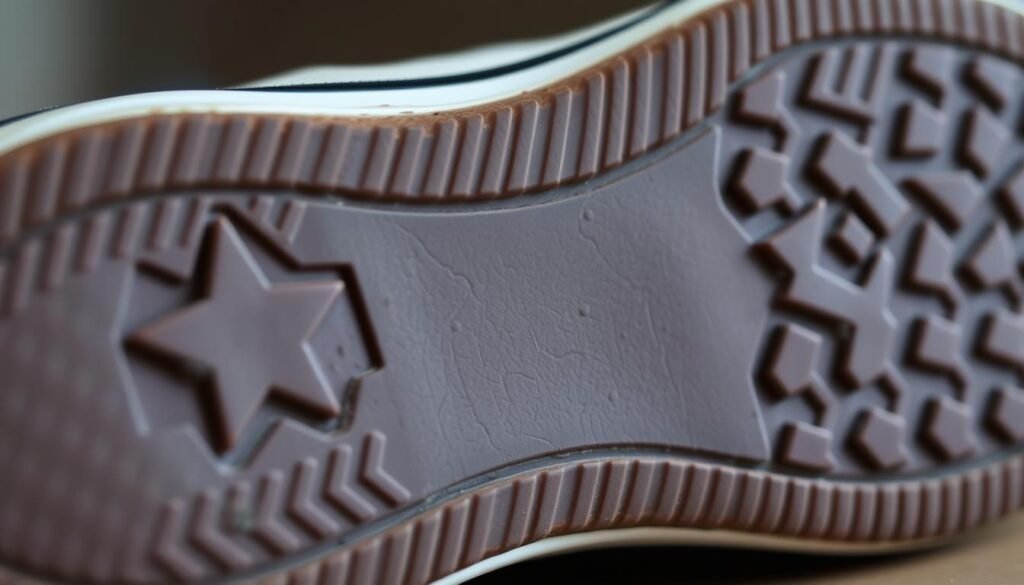
I focus on the parts that age fastest: the rubber foxing, sole grooves, and canvas upper. Short, targeted passes prevent over-wetting and save time.
Rubber first: quick scuffs then deeper scrubs
I start with a damp Magic Eraser as a micro-abrasive for surface marks. That removes scuffs fast.
For embedded grime I switch to a 1:1 detergent and vinegar mixture and wear gloves with good ventilation.
I work in small sections for a few minutes at a time, using an old toothbrush to reach grooves and the join where rubber meets canvas.
Canvas uppers: gentle action, controlled water
On canvas I use mild soap and a soft brush in small circular motions. I keep water controlled so the fabric won’t soak.
For extra lift I mix baking soda and vinegar at about 2:3 in a non-metal bowl and apply sparingly to rubber areas, wiping any spill onto canvas right away.
- Alternate scrub and wipe: switch between abrasive work and a clean cloth so you can check progress without over-scrubbing.
- Rinse and blot: finish with a small stream of water and blot dry so no residue remains.
- Final spot pass: quick toothpaste on the toe or heel foxing gives a crisp white finish when needed.
“Short, steady steps protect fabric and give the clearest results.”
Laces, drying, and keeping the shape
I keep a small ritual for laces and drying so the shoe holds a fresh profile after every wash. The final stage protects fit and keeps the canvas looking crisp.
Laces: when I wash, when I replace, and why I avoid bleach
I wash laces separately in warm, soapy water when they only show light dirt. If they stay dingy after a few washes, I replace them — new shoelaces are cheap and brighten the whole pair.
I avoid bleach on cotton laces because it weakens fibers and shortens life. Rinsing well also removes lingering vinegar smells from earlier treatments.
Air dry the right way: stuffing with paper and keeping form
After rinsing, I stuff each shoe with plain paper to hold its shape. I reshape the canvas gently while damp, smoothing the toe box and collar so the shoe dries to its original form.
I set the pair in a ventilated spot away from direct sun or heaters and rotate them so air circulates. A light cloth blot inside pulls water from the lining without over-wetting the fabric.
- Flick grime from eyelets with a toothbrush before re-lacing.
- Once fully dry, I re-lace evenly so tension supports the shape and fit.
- For rubber edge tips, I check out a short rubber sole guide.
“Stuffing with plain paper and patient drying keeps shoes looking newer longer.”
Finishing touches and quick maintenance
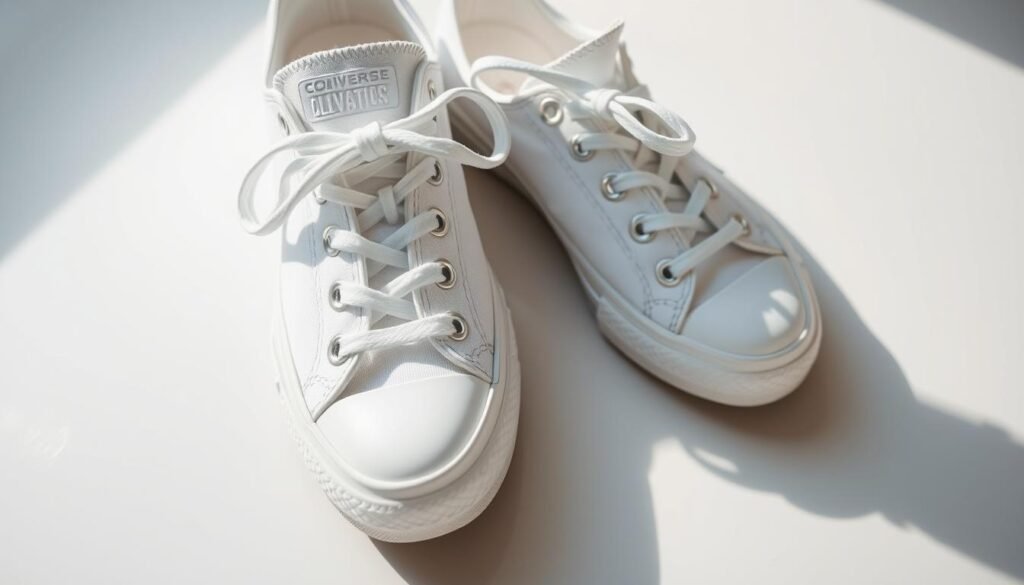
I finish every session with a short checklist that saves me time and keeps my pair ready for wear. These final moves stop small marks from turning into big stains and preserve the shoe’s shape.
Detail fixes: re-gluing trim and touching up worn logos
If the blue trim line peels, I add a tiny bead of clear adhesive along the edge. I press it gently and clamp with folded paper until the glue sets.
When the ALL STAR letters fade, I restore them with a fine dab of acrylic paint on a toothpick. A steady hand and light touch avoid overpainting and keep the logo crisp.
My five-minute after-wear routine to prevent future stains
Each evening I knock off loose dust, then do a quick spot pass. I use a damp cloth for fresh stains and a dab of toothpaste on rubber scuffs for precise lift.
- I blot with a cloth and a little water so the shoe dries faster.
- I check laces and aglets, replacing frayed laces so the pair looks neat.
- I stuff a bit of paper in the toe to hold shape overnight, especially if damp from rain or a rinse.
- I scan heel, toe, and eyelets—small fixes now save time later.
These small, consistent tips keep my white converse brighter between deeper cleaning sessions.
Conclusion
D from testing: I rely on a strong, simple routine that works across everyday scuffs and deeper stains.
My go-tos are a detergent paste for routine upkeep, toothpaste plus soap for precise rubber whitening, and an OxiClean pre-treat followed by a hot washing machine rinse when a full reset is needed.
Natural fans can use a baking soda and vinegar scrub in non-metal bowls, and always wipe spillover with water quickly.
A few minutes of nightly care—wiping, spot work, and checking laces—keeps your pair bright. Pick the right methods, use water thoughtfully, rinse well, and reshape while air drying so your converse shoes and other sneakers stay looking clean white without damage.