Did you know that nearly 20% of dogs suffer from ear problems? Ear care is a crucial aspect of dog grooming. Neglecting it can cause discomfort, infections, and even hearing loss. As a dog owner, it’s vital to know how to properly clean your dog’s ears.
Cleaning your dog’s ears is more than just hygiene. It’s about their health and comfort. In this article, I’ll show you how to keep your dog’s ears clean and healthy. By following these easy tips, you can avoid problems and bond more with your pet.
Key Takeaways
- Understand the importance of ear care for your dog’s health.
- Learn the simple steps to clean your dog’s ears effectively.
- Discover how to prevent common ear-related issues in dogs.
- Improve your dog’s comfort and overall well-being.
- Strengthen your bond with your pet through proper care.
Understanding Your Dog’s Ear Anatomy
Knowing how your dog’s ears work is key to keeping them clean and healthy. The ear is made up of three main parts: the outer, middle, and inner ear.
The Outer, Middle, and Inner Ear
The outer ear is what you see, called the pinna, and the ear canal. The pinna catches sound, and the ear canal sends it to the eardrum. The middle ear has air and the eardrum, along with three bones called ossicles. These bones send vibrations to the inner ear.
The inner ear turns these vibrations into sound signals for the brain. It also helps with balance.
Common Ear Problems in Dogs
Dogs often face ear issues like infections, wax buildup, and debris. Ear infections are painful and can be caused by bacteria or yeast. Cleaning their ears regularly can help avoid these problems. For more tips on ear cleaning, check out this resource.
| Ear Problem | Description | Prevention/Treatment |
|---|---|---|
| Ear Infections | Caused by bacteria or yeast, leading to pain and discomfort | Regular ear cleaning, veterinary care |
| Wax Buildup | Accumulation of wax in the ear canal | Regular ear cleaning |
| Debris Accumulation | Foreign particles in the ear canal | Regular inspection and cleaning |
By learning about your dog’s ear anatomy and common issues, you can keep their ears healthy.
Why Cleaning Your Dog’s Ears is Important
Keeping your dog’s ears clean is key to their health. It’s not just about looking clean; it’s about their overall health. Many dog owners forget this, causing their pets a lot of pain.
Ear infections are common in dogs and can be very painful. Cleaning their ears regularly can help prevent these infections. For more info on dog ear care, check out this resource.
Preventing Ear Infections
Ear infections come from dirt, wax, and debris in the ear canal. This creates a perfect spot for bacteria and yeast to grow. Regular ear cleaning removes this buildup, lowering the chance of infection. It’s a simple way to keep your dog healthy.
Some dogs are more likely to get ear infections because of their ear shape. Dogs with floppy ears or narrow ear canals are at higher risk. Knowing your dog’s ear shape helps you care for them better.
| Ear Issue | Prevention Method | Benefits |
|---|---|---|
| Ear Infections | Regular Ear Cleaning | Reduces risk of infection |
| Wax Buildup | Using Ear Cleaning Solutions | Prevents wax accumulation |
| Debris Accumulation | Frequent Inspection and Cleaning | Enhances overall ear health |
Enhancing Overall Health
Cleaning your dog’s ears does more than prevent infections. It also boosts their overall health. Healthy ears contribute to a dog’s overall well-being, affecting their balance and hearing. Regular cleaning can spot problems early, keeping your dog healthy and happy.how-to-clean-wood-cutting-board
Ear cleaning also strengthens the bond between you and your dog. It’s a chance to check their ears closely and catch any issues early. It makes grooming sessions less stressful and builds trust.
Signs Your Dog Needs Ear Cleaning
Knowing when your dog needs ear cleaning is key to avoiding health problems. Dogs show certain behaviors or signs when their ears need attention.
Excessive Scratching or Rubbing
If your dog scratches or rubs their ears a lot, it might mean their ears are dirty or infected. This behavior is a clear sign that something is wrong and needs to be checked.how-to-clean-sink-drain
Unpleasant Odor from Ears
An unpleasant smell from your dog’s ears is a big sign they need cleaning. This smell can come from dirt, wax, or an infection.
To better understand the signs and their implications, let’s look at a summary:
| Sign | Possible Cause | Action |
|---|---|---|
| Excessive Scratching | Dirty or Infected Ears | Clean the Ears |
| Unpleasant Odor | Dirt, Wax, or Infection | Inspect and Clean |
| Visible Debris | Wax or Dirt Buildup | Gently Clean with Appropriate Solution |
By recognizing these signs and acting quickly, you can keep your dog’s ears healthy. This helps prevent more serious problems from happening.
Recommended Supplies for Ear Cleaning
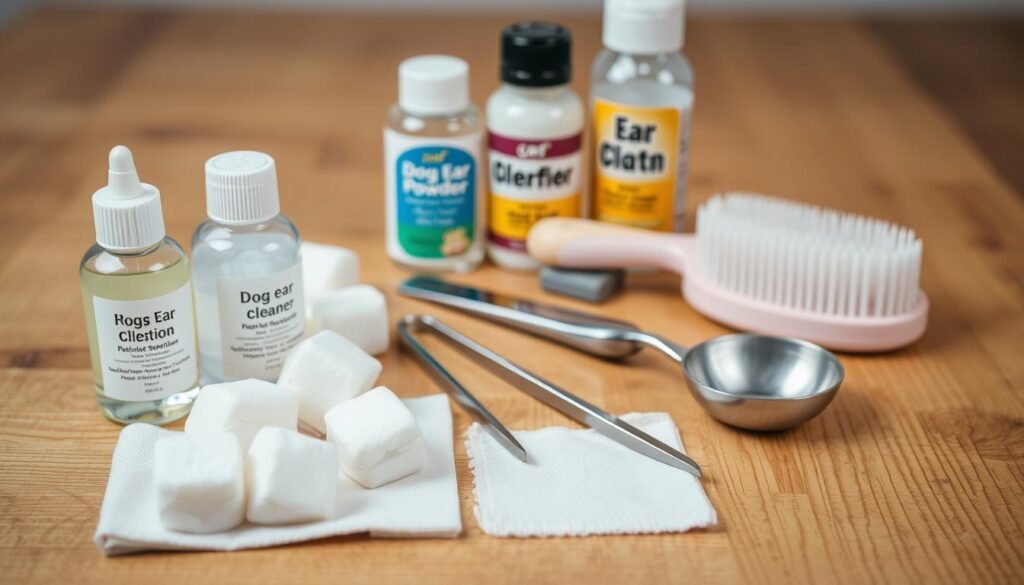
To clean your dog’s ears right, you need the right tools. You’ll need a few key items for this.
Ear Cleaning Solutions
An ear cleaning solution is crucial for removing dirt and wax. These solutions are made to be gentle yet effective. Look for ones that are pH-balanced and chemical-free.how-to-clean-leather-car-seats
Some top picks include:
- Solutions with aloe vera or tea tree oil for their soothing effects.
- Products made for dogs with sensitive ears.
Soft Cotton Balls or Pads
Soft cotton balls or pads help remove dirt and extra solution. They’re soft on the ears and prevent irritation.
Remember to:
- Insert them gently into the outer ear canal.
- Avoid pushing too deep to avoid discomfort or injury.
| Supply | Purpose | Tips for Use |
|---|---|---|
| Ear Cleaning Solution | Cleans and removes wax and dirt | Choose pH-balanced, chemical-free products |
| Soft Cotton Balls/Pads | Gently wipes away dirt and excess solution | Use gently, avoid deep insertion |
Steps for Cleaning Your Dog’s Ears
To keep your dog healthy, it’s key to learn the right steps for ear cleaning. This process has several important stages. They ensure your dog’s ears are cleaned safely and well.
Preparing Your Dog
Before you start, prepare your dog for ear cleaning. Create a calm space without distractions. Gently hold your dog if needed, and make sure they’re okay with ear touch.
You can prepare them by gently massaging around the ear. For more tips, check out the AKC’s guide on ear cleaning.
Applying the Cleaning Solution
When your dog is ready, apply the ear cleaning solution. Pour the right amount into the ear canal without touching the ear. Gently massage the ear base to spread the solution.
For most dogs, a good ear cleaning solution works well. But if your dog often gets ear infections, talk to your vet for the best option.
Wiping with Cotton Balls
After applying the solution, use soft cotton balls to wipe the outer ear canal. Don’t push the cotton balls too deep to avoid hurting your dog. Keep wiping until the cotton balls are clean.
This step is key to remove dirt and wax that can lead to infections. By following these steps for ear cleaning, you can keep your dog’s ears healthy. Regular ear cleaning is a simple way to keep your dog happy and healthy.how-to-clean-weighted-blanket
Routine Ear Cleaning Schedule
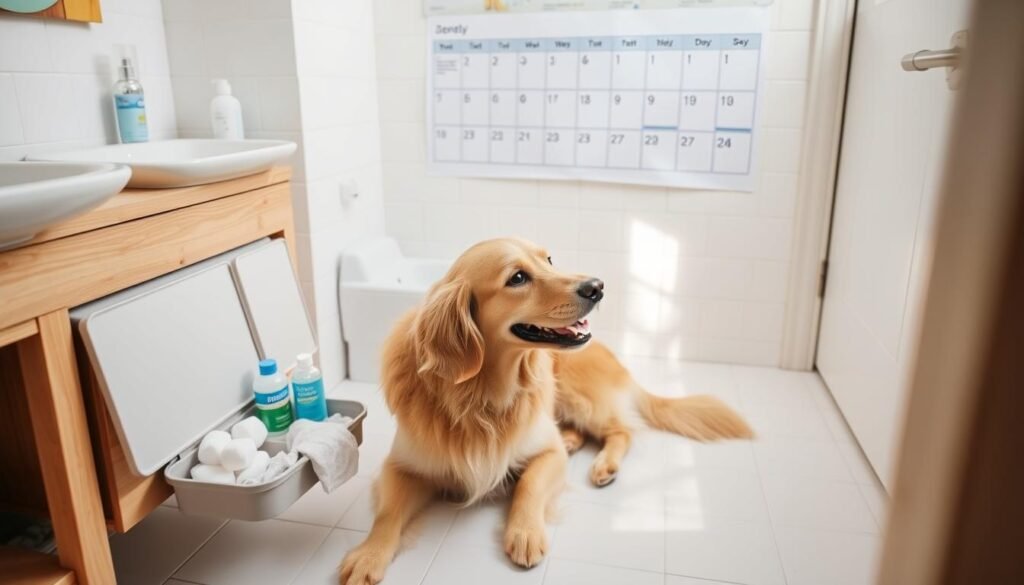
To keep your dog’s ears healthy, it’s important to have a regular ear cleaning schedule. How often you clean their ears depends on their breed, age, and needs.
Dogs’ ear shapes can affect how often they need cleaning. For example, dogs with floppy ears or narrow ear canals might need more cleaning.
How Often to Clean
Most dogs need their ears cleaned weekly or every two weeks. But, some dogs might need more cleaning if they often get ear infections.
Watch how your dog reacts to ear cleaning. If they seem uncomfortable, you might need to clean their ears less often. Or, you could talk to a vet for advice.how-to-clean-stainless-steel-sink
Adjusting Based on Dog Breed
Different breeds have different ear needs. For instance, Cocker Spaniels and Basset Hounds need more cleaning because of their floppy ears.
On the other hand, dogs with erect ears, like German Shepherds, might need less cleaning. Knowing your dog’s breed helps you create a better ear cleaning plan.
By making your ear cleaning routine fit your dog’s needs and breed, you can keep their ears healthy and prevent infections.
Breed-Specific Considerations
It’s important to know how to care for your dog’s ears based on their breed. Each breed has its own ear type that needs special care.
Breeds Prone to Ear Issues
Some dog breeds are more likely to have ear problems. This is because of their ear shape. For example, Basset Hounds and Cocker Spaniels have long, floppy ears. These ears can trap moisture and dirt, leading to infections.
| Breed | Ear Type | Specific Needs |
|---|---|---|
| Basset Hound | Long, Floppy | Regular cleaning, moisture control |
| Cocker Spaniel | Long, Hairy | Frequent grooming, ear hair removal |
| Poodle | Hairy | Regular grooming, ear hair removal |
Unique Care for Long-Eared Breeds
Long-eared breeds need extra care to avoid ear problems. It’s important to regularly check their ears for dirt. Also, using the right ear cleaning solution is key.
When cleaning the ears of long-eared breeds, be gentle and patient. The right techniques and tools can greatly improve their ear health.how-to-clear-check-engine-light
Professional Ear Cleaning vs. At-Home Care
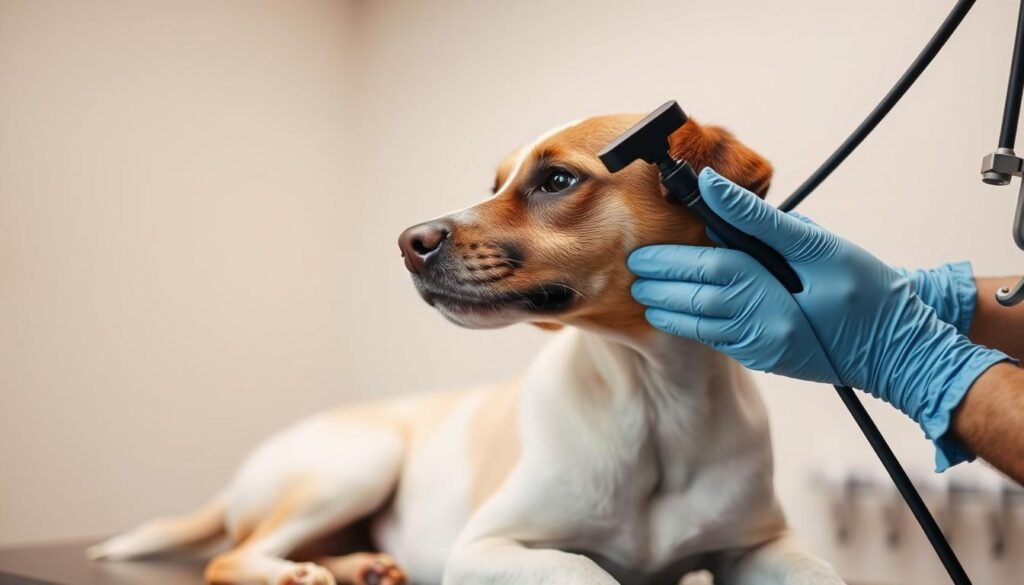
At-home ear cleaning is easy, but sometimes, professional help is better. Knowing when to go to a vet is key for your dog’s ear health.how-to-clean-suede-boots
When to Seek a Veterinarian
If your dog seems uncomfortable or in pain, or if you see debris or wax in their ears, see a vet. Professional advice can spot problems that need more than just home care.
Some signs that mean you need a vet include:
- Persistent scratching or rubbing of the ears
- Unpleasant odor from the ears
- Redness or swelling around the ear area
- Discharge or wax buildup
Benefits of Professional Help
Professional ear cleaning is better for a deeper clean and tackling tough issues. Vets have the right tools and know-how to clean your dog’s ears safely.
| Aspect | At-Home Care | Professional Ear Cleaning |
|---|---|---|
| Depth of Clean | Limited to surface cleaning | Deeper clean, reaching further into the ear canal |
| Equipment and Training | Basic supplies, risk of pushing debris further in | Specialized equipment, professional training |
| Addressing Issues | Limited ability to address underlying issues | Ability to diagnose and treat underlying conditions |
Choosing between at-home ear cleaning and professional ear cleaning depends on your dog’s needs and health.
Common Ear Cleaning Mistakes to Avoid
Ear cleaning is key for dog care, but mistakes can happen. Many owners, even with good intentions, can harm their pets. It’s important to know what to avoid.
Using Improper Tools
One big mistake is using the wrong tools. Avoid using cotton swabs (Q-tips) because they can push debris deeper and hurt the eardrum. Instead, use soft cotton balls or pads that are gentler.
Choosing the right ear cleaning solution is also crucial. Never use water or harsh chemicals as they can irritate the ear or cause infections. Always pick a solution made for dogs and follow the instructions.how-to-clean-night-guard
Ignoring Signs of Pain
Another mistake is ignoring signs of pain or discomfort. If your dog shows signs like whining, pulling away, or trying to bite, stop right away. Pain can be a sign of an underlying issue that needs a vet’s attention.
| Common Mistakes | Consequences | Correct Approach |
|---|---|---|
| Using cotton swabs | Pushing debris further into the ear, potentially damaging the eardrum | Use soft cotton balls or pads |
| Ignoring signs of pain | Overlooking underlying issues, causing unnecessary suffering | Stop if your dog shows distress, consult a veterinarian |
| Using inappropriate cleaning solutions | Irritating the ear canal, causing infections | Use dog-specific ear cleaning solutions |
Knowing these common mistakes can help you avoid them. This ensures a safe and effective ear cleaning for your dog. Always consult a vet if you’re unsure.
Natural Alternatives for Ear Cleaning
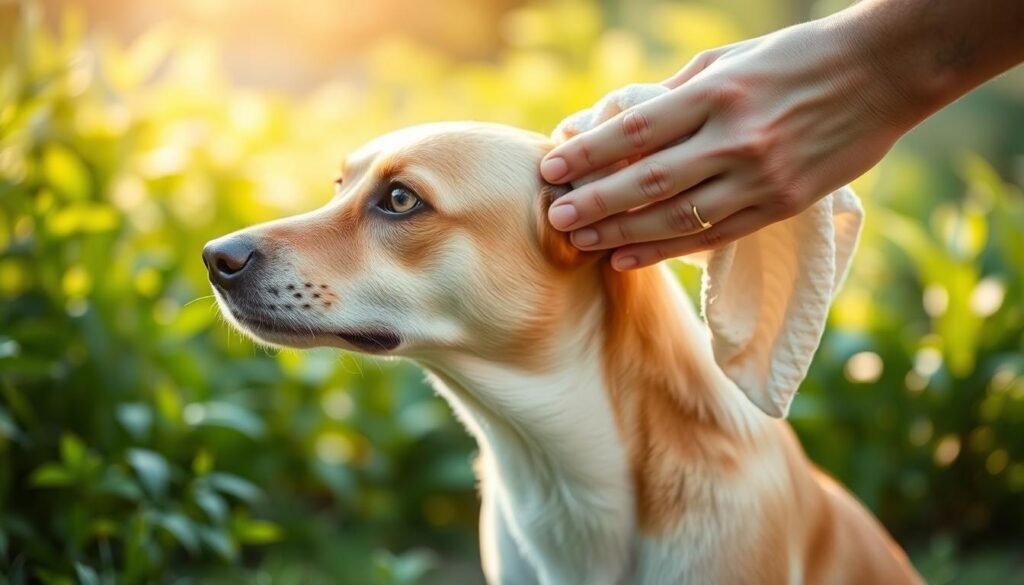
For dog owners who prefer a more holistic approach, natural ear cleaning methods are a gentle and effective solution. These methods are great for dogs with sensitive ears or allergies to certain chemicals.how-to-clean-iphone-speaker
Herbal Solutions for Ear Health
Herbal remedies have been used for centuries to promote health and wellness in pets. For ear cleaning, certain herbs are known for their antimicrobial and anti-inflammatory properties.
- Calendula: Known for its soothing effects, calendula can help calm irritated ear tissues.
- Tea Tree Oil: When diluted properly, tea tree oil can be an effective antimicrobial agent. But, it’s crucial to use it with caution and in small amounts to avoid irritation.
- Chamomile: Chamomile’s anti-inflammatory properties can help reduce redness and discomfort in the ears.
When using herbal solutions, it’s essential to consult with a veterinarian. This ensures you’re using the right herbs and preparations for your dog’s specific needs.
DIY Ear Cleaning Recipes
Creating your own ear cleaning solutions at home can be cost-effective and customizable. Here are a few simple recipes:
- Apple Cider Vinegar Solution: Mix equal parts apple cider vinegar and water. This solution can help maintain the ear’s pH balance and reduce bacterial growth.
- Olive Oil and Garlic: While garlic should be used cautiously and in very small amounts due to its potential toxicity, a mixture of olive oil and a minimal amount of garlic can be a gentle cleaning solution.
Before trying any DIY recipe, consult with your veterinarian. This ensures the ingredients are safe for your dog.
| Natural Ingredient | Benefits | Precautions |
|---|---|---|
| Calendula | Soothes irritated tissues | May cause allergic reactions in some dogs |
| Tea Tree Oil | Antimicrobial properties | Must be diluted; can be toxic if ingested |
| Apple Cider Vinegar | Balances ear pH, reduces bacteria | Avoid using if your dog has ear infections or open wounds |
As shown in the table, natural ingredients can offer several benefits. But, it’s crucial to be aware of the potential precautions to ensure safe use.
Keeping Your Dog Calm During the Process
Ear cleaning is a key part of dog care. It’s important to do it without stressing your dog. A calm dog is happier and makes ear cleaning more effective.how-to-clean-mousepad
Techniques for Reducing Anxiety
To keep your dog calm, create a soothing environment. Choose a quiet, comfortable space where your dog feels safe. Gentle handling and a calm demeanor can help a lot. You can also try gentle massage or stroking to relax your dog before ear cleaning.
Introduce the ear cleaning process slowly. Start by showing your dog the supplies. Then, touch their ears with your fingers. Next, use the cleaning solution and cotton balls. This slow introduction helps your dog get used to it.
Positive Reinforcement Strategies
Positive reinforcement is great for reducing anxiety during ear cleaning. Rewarding your dog with treats and praise when they’re calm helps them associate ear cleaning with good things. Dog trainers say, “Positive reinforcement encourages good behavior, making it useful for stressful tasks like ear cleaning.”
“The key to successful ear cleaning is not just about the technique, but also about creating a positive experience for your dog.”
Consistency is crucial with positive reinforcement. Reward your dog every time they’re calm during ear cleaning. Over time, they’ll learn to see ear cleaning as a positive thing.
Conclusion: Maintaining Your Dog’s Ear Health
Keeping your dog’s ears healthy is key to their well-being. By knowing about their ear anatomy and following this guide, you can stop ear infections. This ensures their ears stay clean and healthy.
Regular Ear Checks
Checking your dog’s ears regularly is vital. I suggest doing this weekly to look for dirt, wax, or signs of infection. This simple step can catch problems early, making them easier to fix.
Final Tips for Dog Ear Care
To keep your dog’s ears in good shape, clean them gently but well. Use the right products and tools. Be patient and calm while cleaning to make it less stressful for your dog. Adding ear care to your pet routine is a big step towards their health.how-to-clean-cast-iron-skillet