

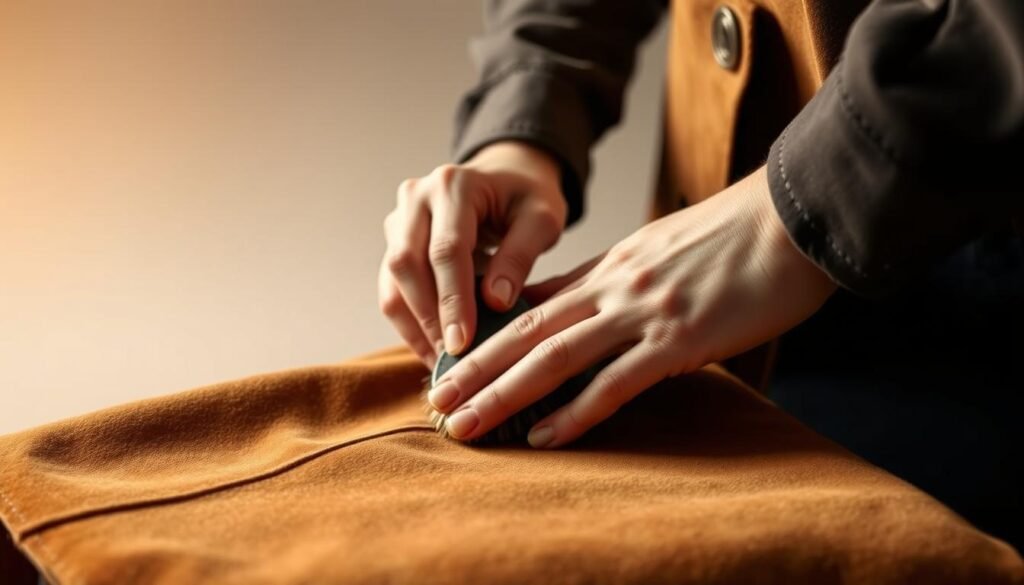
We’ll walk through a practical guide that helps us care for suede items at home without risking the nap or finish. Suede is a soft leather that soaks up oils and shows surface dirt quickly, so gentle steps matter.
In real tests, Uniters Leather Soft Cleaner worked well as a foam applied with a sponge and wiped away, lifting grime without stiffening or darkening. Micellar water removed grease but left stiffness. A dry magic eraser took light dirt but thinned the nap when overused; a damp eraser made a water spot.
We’ll cover a repeatable workflow for boots and shoes: de-mud with a nylon brush, foam-clean small sections, wipe before drying, and revisit dark spots. We’ll also flag products that disappointed—white vinegar darkened color, baking soda did little on oily grime, and diluted Woolite left water-like marks.
Key Takeaways
- Start with a dry brush and spot-test any product on an unseen area.
- Use foam cleaners like Uniters for stains that need gentle lifting.
- Avoid overusing magic erasers; they can shine or thin the nap.
- Work in small sections and keep water off the suede surface.
- Protect collars and cuffs with scarves to reduce oil buildup.
Understand suede before we start cleaning
Before we touch any product, let’s learn what makes suede unique.
Suede is the soft underside of an animal hide. It’s thinner than full-grain leather and feels velvety because of the raised nap. Those tiny hairs give the material its texture, but they crush or polish if we rub too hard.how-to-clean-microfiber-couch
Preserving the nap keeps color and surface uniform. A flattened nap can make a patch look darker or shinier even after a proper refresh. Nap length and density vary by animal and finishing, so recovery after brushing depends on that construction.
Genuine leather versus microsuede
Microsuede is a microfiber polyester that mimics the feel of real suede. Many microsuede items are more stain-resistant and can tolerate gentle washing or spot work.
Genuine leather suede usually cannot be washed. Liquids wick differently through each material, so even small moisture can leave darker color patches if drying is uneven.
- Tip: Choose surface refreshes for delicate naps and gentler spot methods for sturdier items.
- Note: The more delicate the nap, the lighter our strokes and products should be.
Prep the item: label checks, spot tests, and tools
First, we read tags and lay out tools so we can work without rushing.
Read the care tag
Check the label to see if an item is washable, labeled dry clean, or marked not washable. That single step tells us whether we attempt surface work or call a pro.how-to-clean-oven-glass
Spot test for colorfastness and water marks
We blot an inside seam with a slightly damp clean cloth and let it dry fully. If color shifts or a ring appears, we avoid any wet product on the body.
When a test passes, we proceed in stages: dry methods first, then minimal-moisture moves for stubborn stain types.
Essential tools
We prep a suede brush, suede eraser, a soft brush, clean cloth, and a towel. Good light and a tidy work area help us see nap direction and subtle color changes.
For items marked not washable or dry clean, limit work to gentle surface maintenance and avoid soaking.
- Read the tag before any cleaning attempt.
- Spot-test an inconspicuous area with a damp cloth and watch for water marks.
- Keep a single product on hand and use very small amounts if needed.
how to clean suede the right way: a step-by-step method
A simple, repeatable method helps us lift dirt and treat spots without overworking the fibers.
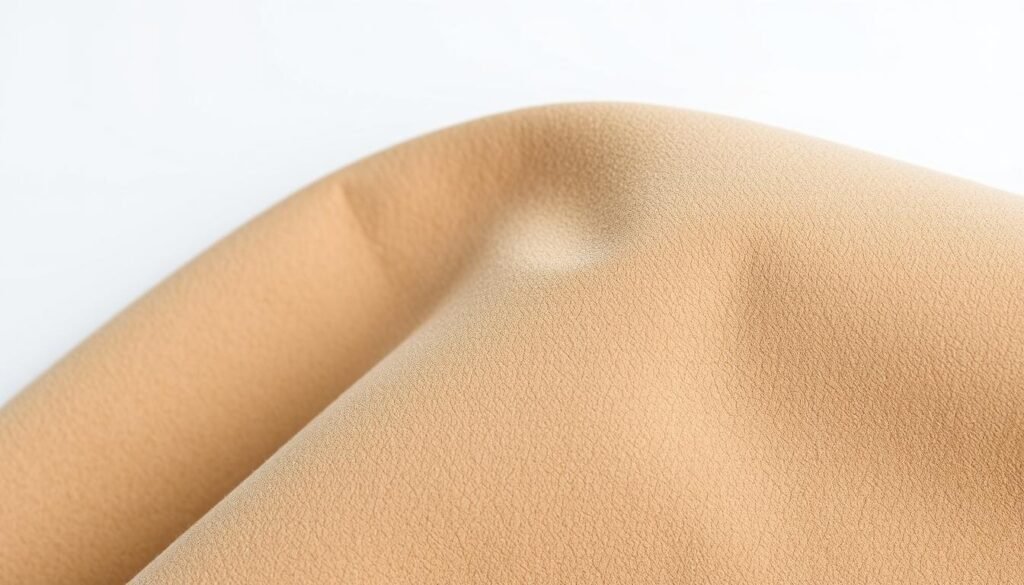
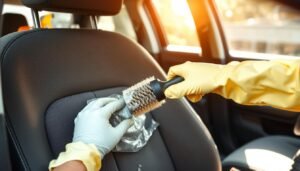
Dry first: We begin with a dry pass using a nylon bristle brush. This lifts surface dust and loose dirt and reduces the chance of grinding debris into the nap.
Foam application with a specialty cleaner
We create a foam by applying Uniters Leather Soft Cleaner to a sponge. The foam is our controlled solution; it keeps free water off the leather and targets grime.how-to-clean-pizza-stone
Work in small sections and manage moisture and dry time
We work one small panel at a time — roughly one-fifth of a boot for footwear — and brush suede in the nap direction before any foam. A towel under the area protects our surface.
- Apply foam with light, even strokes; wipe with a clean cloth before it dries.
- Limit water exposure; use foam, not liquid, and keep pressure gentle.
- If a stain lingers, repeat a measured second pass rather than scrubbing.
- Finish with a gentle brush to restore nap and even the appearance.
Targeted stain treatments without ruining the nap
Targeted action on a small area often fixes stains without harming texture. We begin by lifting excess with a dry cotton ball or a clean cloth so we don’t push residue deeper into the nap.
Oil and food stains: For heavier oil marks, dab with a dry cotton ball first. Then use the tiniest amount of rubbing alcohol on a cotton swab and pat; never rub. This coaxes oil up into the cotton without shifting color or flattening fibers.
Water stains and rings: Evenly re-dampen the outer edge of the ring with a barely-wet cloth and let the area dry uniformly. Over-wetting will cause tide lines or color change, so work sparingly and let the piece air dry fully before we judge results.
Sticky residue: Short, gentle strokes with a suede brush or a suede eraser remove tags and tape bits. Avoid circular scrubbing that polishes the surface. A magic eraser may lift light crud but can thin the nap if overused.
Note: In our tests, white vinegar darkened color, baking soda barely moved oily collar grime, and diluted Woolite left stiff, darker patches—so we skip those fixes.how-to-clean-rust-off-stainless-steel
- Triage with dry lifts first.
- Use micro dabs of alcohol for oil-based stains.
- Let treated areas dry fully, then brush lightly to restore texture.
What to avoid when cleaning suede
Never flood this delicate material; small, deliberate moves save the finish. We want clear limits so a single mistake doesn’t create a permanent mark.
Too much water or moisture travels through the pile and leaves tide lines that are hard to blend. Steam only from a distance and let areas dry fully before we judge results.
Over-wetting, abrasion, and heat risks
High heat flattens the nap and can scorch the material. We skip traditional ironing. If pressing is unavoidable, use the lowest setting, a protective cloth, and brief, still contact. Then brush the nap gently.
Harsh scrubbing or heavy use of an eraser will polish and thin the surface. A damp eraser can even leave a water spot. We prefer light, repeatable treatments rather than one hard pass.
Items marked “not washable” or “dry clean only” should not be soaked or aggressively spot treated; consult a professional.
- Avoid flooding with water — it causes tide lines and new spots.
- Keep abrasion gentle; no aggressive scrubbing or stiff tools.
- Respect heat limits; protect and brush after any press.
- Let moisture evaporate fully between steps and work with clean hands.
Shoes and boots: our proven workflow
A steady, section-by-section routine helps us manage moisture and avoid tide lines on shoes and boots.
De-mud, foam clean, wipe, and repeat on dark spots
Start dry: We lift dried clumps of dirt with a nylon bristle brush so grit doesn’t grind into the nap.
Next, we apply Uniters Leather Soft Cleaner as foam to one small area at a time. Wipe with a clean cloth before the foam dries.how-to-clean-sex-toys
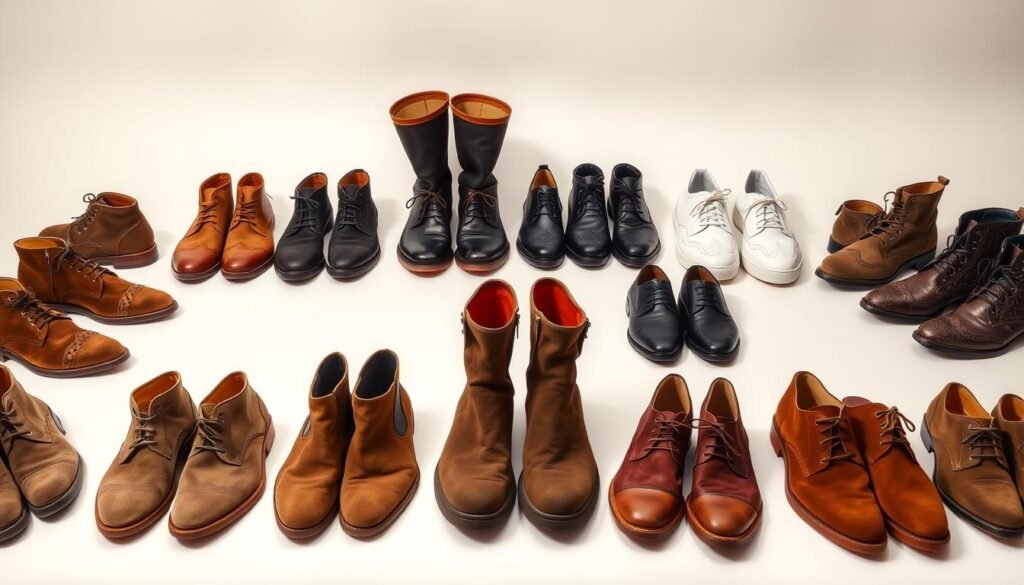
Work roughly one-fifth of each boot per pass. This timeboxing keeps results even and helps us track which panel was wiped already.
- Dry de-mudding first with a soft brush to loosen loose dirt around seams and welt edges.
- Apply foam, wipe promptly, then rest briefly; repeat lightly on lingering stain areas rather than scrubbing.
- Brush suede gently after each cleaned section to realign fibers and restore texture.
- Place a towel underneath to catch runoff and prevent re-depositing soil.
- Limit the eraser use to hard components like plastic heels; keep it off suede panels.
“We finish by checking both pieces in natural light so spots stay consistent across angles.”
Products that work vs. ones that disappointed
We tested several items and ranked what preserved texture while removing visible grime.
Clear winner: Uniters Leather Soft Cleaner rose to the top. Used as a foam and wiped promptly, this product lifted stains without darkening or stiffening the leather. It kept color and hand intact on both shoes and boots.how-to-clean-shower-drain
Micellar water: It removed grime at home but left the nap noticeably firmer. That tradeoff can matter on garments that need softness.
Magic eraser: Good for light surface crud. Use it sparingly; repeated use thins fibers and can create shiny patches. A damp eraser even caused a water spot in our tests.
What we skip
- White vinegar: darkened color and failed to lift stubborn stains.
- Baking soda: negligible on heavy grime.
- Diluted Woolite Delicates: left darker, stiff patches despite dilution attempts.
Specialty lines like Jason Markk work when used correctly, but foam application and small-section wipe-off remain our default for safe suede cleaning.
Freshen, steam, and store for long-term suede care
Gentle steaming and proper storage keep items ready for the season. We treat delicate materials with light, controlled steps that avoid oversaturation and preserve texture.
Steam carefully to release creases without crushing the nap
Keep the steam head a few inches away and work from the inside when possible. This limits direct wetting of the surface and helps prevent water stains.
If a crease resists, we place a protective cloth over the area and apply very low heat briefly without dragging the iron. Then we brush the fibers to re-fluff the nap.how-to-clean-silverware
Deodorize from a distance and let items dry fully
We freshen in the house by using a light spray on the lining, never directly on the suede. Hold the bottle 6–8 inches away so only the interior gets a faint mist.
Always let pieces air until bone-dry. Place a towel underneath or nearby to protect other surfaces while any residual moisture dissipates.
Store in breathable bags, avoid plastic and trapped moisture
Store clean, fully dry items in cotton or canvas bags. These let moisture escape and keep dust off without sealing in humidity.
- Avoid plastic: it traps moisture and can cause mildew.
- Use natural fresheners: a lavender pouch adds scent without spraying the nap.
- Seasonal check: brush and air items every few months to keep texture even.
We treat storage as the final step — it protects our work and keeps items ready for wear.
Your takeaways for cleaning suede today
, Small moves pay off: we lift dust first, then treat spots in measured stages. Use a foam solution and wipe each panel quickly to avoid water rings and uneven color.
Uniters Leather Soft Cleaner was our top solution in testing. Micellar water can stiffen the nap, and a magic eraser is only for light surface marks. Skip vinegar, baking soda, and diluted Woolite—these risk stains or stiffness.
Use a suede brush and brief eraser passes sparingly. Treat stains with tiny dabs rather than rubbing, and work in rounds so texture and color stay even. For shoes and boots, de-mud, foam, wipe, and repeat, finishing with a gentle brush.
Steam from a distance and store items in breathable bags. With patience and the right product, our home routine keeps leather pieces looking their best over time.how-to-clean-suede-in-shoes














One Response