Surprising fact: over 40% of home cooks report stubborn odors from this popular countertop appliance within six months of use, and most of that comes from trapped grease and crumbs.
I unplug my unit and wait until it feels cool. That first pause keeps me safe and protects internal parts from moisture damage.how-to-clean-humidifier
I remove the basket, crisper plate, and any trays next. Many pieces are dishwasher-safe, but I often hand-wash to protect nonstick coatings.
My routine uses mild dish soap, warm water, and a soft cloth or non-abrasive sponge. I avoid steel wool and harsh pads that scratch surfaces or leave residues that affect food and air quality.
Quick wins: dry parts well, clear crumbs from the fan area, and run a short warm cycle before the next use. This keeps airflow strong and delivers consistent, crispy results.
Key Takeaways
- Unplug and cool the appliance before starting.
- Separate removable parts; choose gentle hand washing when possible.
- Avoid abrasive tools to protect nonstick surfaces.
- Dry everything fully to prevent rust and malfunctions.
- Regular upkeep keeps airflow steady and food tasting great.
Why I keep my air fryer spotless for better tasting food and safer cooking
https://www.youtube.com/watch?v=-QmKdGuhdjo
A clean interior lets the fan do its job, which gives me crisp, consistent results. Air fryers rely on moving hot air; when residue and grease build up, airflow gets blocked and cooking becomes uneven. That slow circulation often causes burnt smells and flat textures.
I wipe the exterior after each use and wash the basket and crisper plate so particles and films don’t transfer flavors. A quick wipe every use, a fuller interior wipe weekly, and a monthly deep clean keep odors down and performance steady.
Safety matters too. I never let loose liners or parchment touch the heating element or fan, and I avoid running empty liners that might float. Clearing the path around the element reduces smoke, splatter, and risk when frying fattier food.
Practical payoff: less lingering smell, better-tasting food, longer appliance life, and fewer surprises in my kitchen. Small, regular steps make maintenance easy and keep fryers efficient.
My go-to cleaning supplies and tools for a clean air fryer
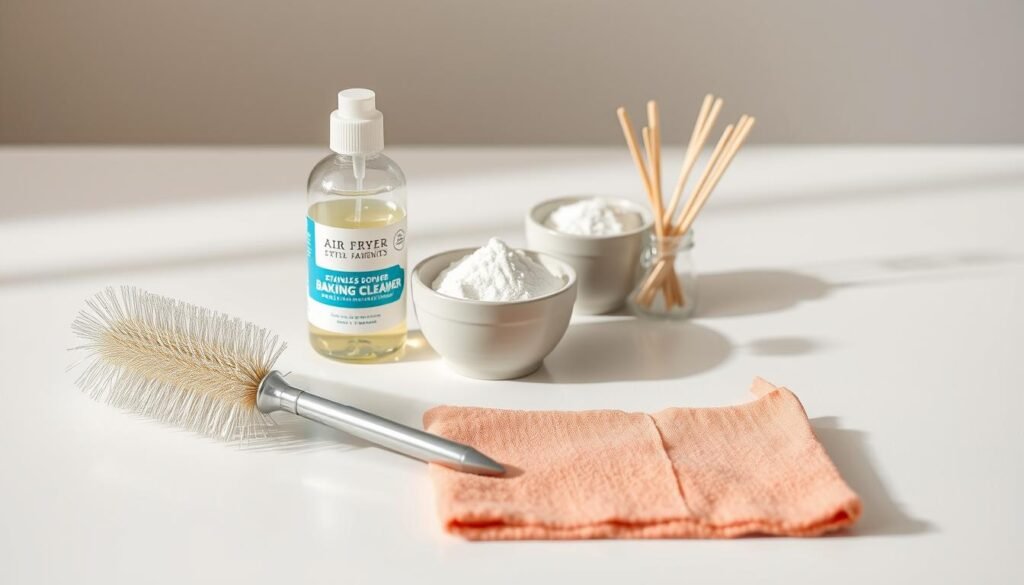
I keep a small cleaning caddy ready so I can tackle messes right after cooking. It saves time and keeps parts safe.how-to-clean-your-ears
Essentials I always set out:
- Warm water and mild dish soap for gentle hand-washing.
- A soft sponge and a microfiber cloth for wiping nonstick surfaces.
- A soft-bristle brush for holes, corners, and tight spots.
Grease busters I trust:
I mix a baking soda paste when oils cling. White vinegar or a food-safe cleaning vinegar works well for odors. These cut grease without harming the coating on baskets and plates.
What I skip: steel wool, abrasive pads, and harsh chemicals. They scratch finishes and shorten the life of parts.
I often use the dishwasher for durable baskets if my model allows it, but I usually hand-wash to protect finishes. I trim parchment paper so it never drifts into the fan or touches hot elements.
| Tool | Use | Why I choose it |
|---|---|---|
| Soft sponge | Wash nonstick trays | Removes residue without scratching |
| Microfiber cloth | Wipe interior and exterior | Absorbs water and leaves no lint |
| Baking soda & vinegar | Tackle stubborn grease | Breaks down oils and neutralizes odors |
| Soft-bristle brush | Clean perforations | Reaches corners without damage |
“Gentle tools and steady care keep performance high and flavors true.”
For extra tips, I follow an air fryer cleaning guide that matches my routine.
How I reset the kitchen after every use
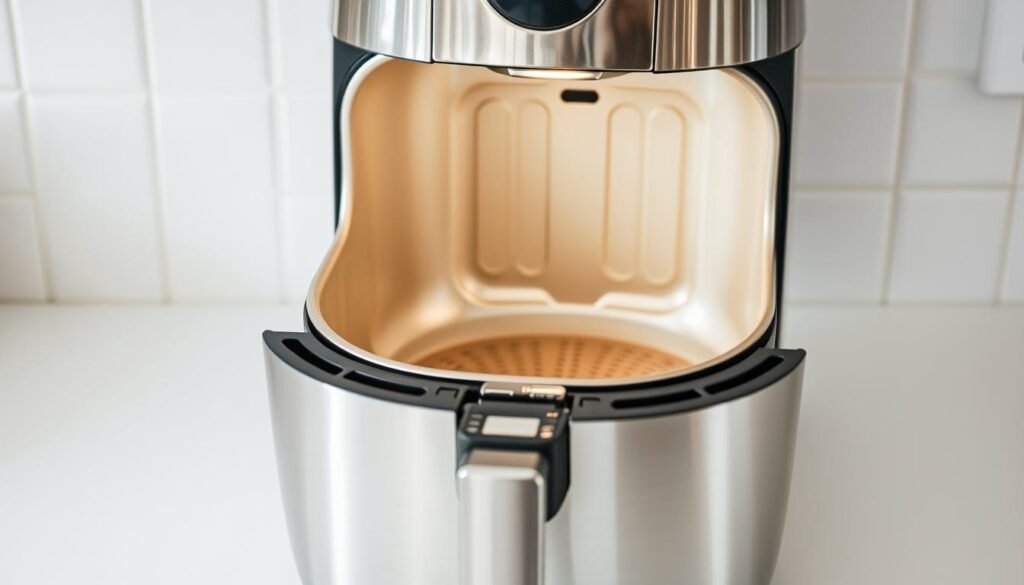
I always wait several minutes after cooking so parts are safe to touch before I start. This pause keeps me safe and gives heat time to fade.
Unplug and cool for safety
I unplug the unit and let it sit until the indicator drops. A short wait makes handling the basket and trays comfortable.
Wash removable parts in warm, soapy water
I remove the air fryer basket, crisper plate, and any trays. I wash them in warm water with dish soap using a soft sponge.
Quick interior and exterior wipe
I wipe the interior to lift grease films and particles, then wipe the exterior with a damp cloth or microfiber. For stainless surfaces I use a vinegar-based spray sparingly.how-to-clean-a-coffee-maker
Dry and reassemble
Dry every part thoroughly so water won’t cause rust or steam during the next use. I reassemble right away so the unit is ready and maintenance stays simple.
| Step | Action | Why it matters |
|---|---|---|
| Cool | Unplug and wait a few minutes | Prevents burns and moisture damage |
| Wash | Hand-wash basket and trays | Protects nonstick coatings |
| Wipe & Dry | Interior wipe, cloth exterior, dry parts | Removes particles and prevents rust |
“Gentle, quick care after every use keeps results consistent and odors away.”
Deep-cleaning my air fryer: tackling grease, residue, and the heating element
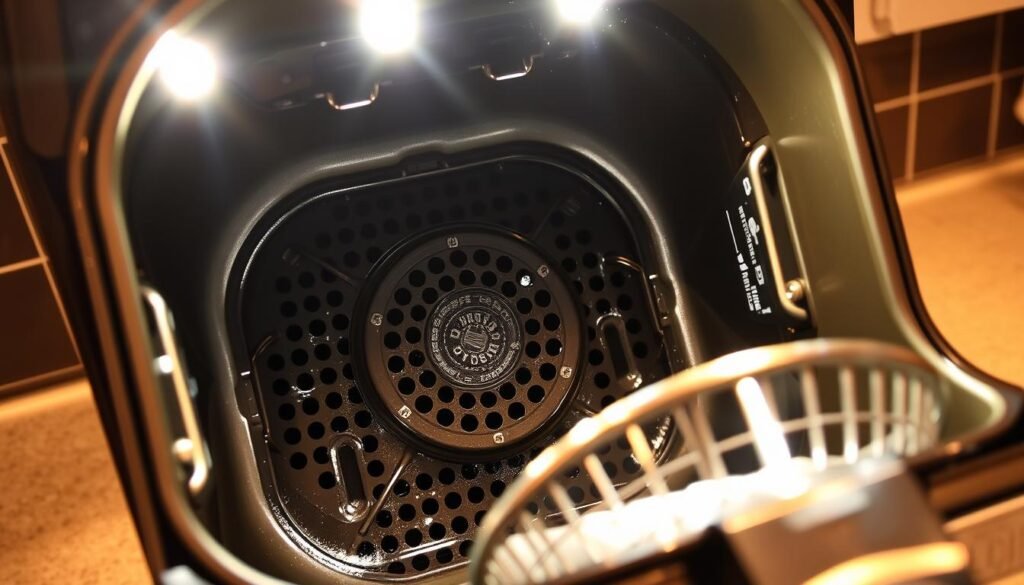
When grease builds up or odors linger, I schedule a deep scrub that restores performance. I unplug and let the appliance cool until it is slightly warm; that loosened grime comes off faster and safer.
When I deep clean
I deep clean monthly or sooner if I notice heavy grease, stubborn residue, odd smells, or uneven browning. This prevents trapped oils from blocking air flow and harming results.
Step-by-step process
I remove parts, then soak them in hot water with dish soap for 10–15 minutes. For tougher spots I sprinkle in baking soda and let it sit before scrubbing.
I use a soft-bristle brush and a non-abrasive sponge to lift buildup without scratching finishes. I wipe the interior with a vinegar-and-water mix and repeat if films remain.
When the element is cool, I gently brush coils and surfaces, taking care not to bend or damage them. I always dry every piece completely before reassembly.
Deodorize and revive
For lingering odors I sprinkle baking soda in the basket overnight, then rinse well the next morning. Finally, I run a short empty preheat to evaporate any leftover moisture and confirm performance.
“Gentle, regular deep cleaning returns crisp results and keeps the appliance smelling fresh.”
For an extra reference, I follow this air fryer cleaning guide.
Smart maintenance tips and mistakes to avoid for long-lasting performance
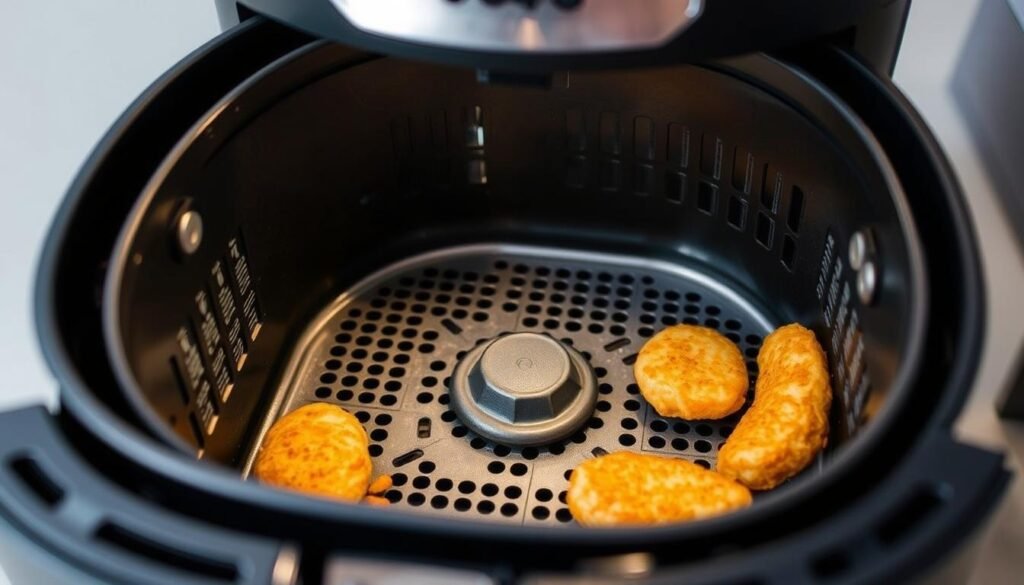
I keep a short checklist by the counter so maintenance never feels like a guess. Simple steps protect finishes and keep results consistent.
Never run soapy water inside the unit. Cooking liquid that contains soap can harm internal parts and won’t replace a proper wash of removable pieces.how-to-clean-a-whiteboard
Common pitfalls and safe choices
- I use paper liners only when they sit flat under food and never touch the heating element or fan.
- I secure aluminum foil tightly and keep it clear of vents so air still moves around the basket and racks.
- I limit dishwasher cycles for baskets and plates to protect the nonstick coating and extend service life.
- I give the heating element a gentle once-over with a soft brush and then dry it fully before reassembly.
Portion control matters. Overcrowding adds splatter, more particles, and harder work later. I keep batches moderate for better browning and easier upkeep.
| Problem | Risk | My fix |
|---|---|---|
| Soapy water inside | Electrical damage and residue | Hand-wash removable parts with soap and water |
| Blocked vents | Poor air flow and uneven cooking | Trim paper, tuck it under food, keep vents clear |
| Excess dishwasher use | Coating wear on baskets | Hand-wash with a soft sponge and mild dish soap |
| Dirty heating element | Reduced performance and odors | Brush gently, wipe, and dry fully |
“A short, steady process—cool, wash, wipe, dry, reassemble—keeps maintenance simple and effective.”
Conclusion
Regular, small efforts keep my unit running like new and my kitchen smelling fresh. I follow a steady routine: cool the machine, hand-wash parts with mild dish soap and warm water, wipe with a soft cloth, and dry everything fully.
, Once a month I deep clean using hot water, baking soda, and a splash of vinegar to lift stubborn grease and revive clean air in the cavity. I avoid soapy water cycles and protect the heating element and fan with gentle care.
I keep parchment flat and secure so vents stay clear. When I store my tools and repeat this short sequence, my basket, trays, and parts stay tidy and food tastes better. For extra tips on cleaning air fryer routines, see this cleaning air fryer guide.