

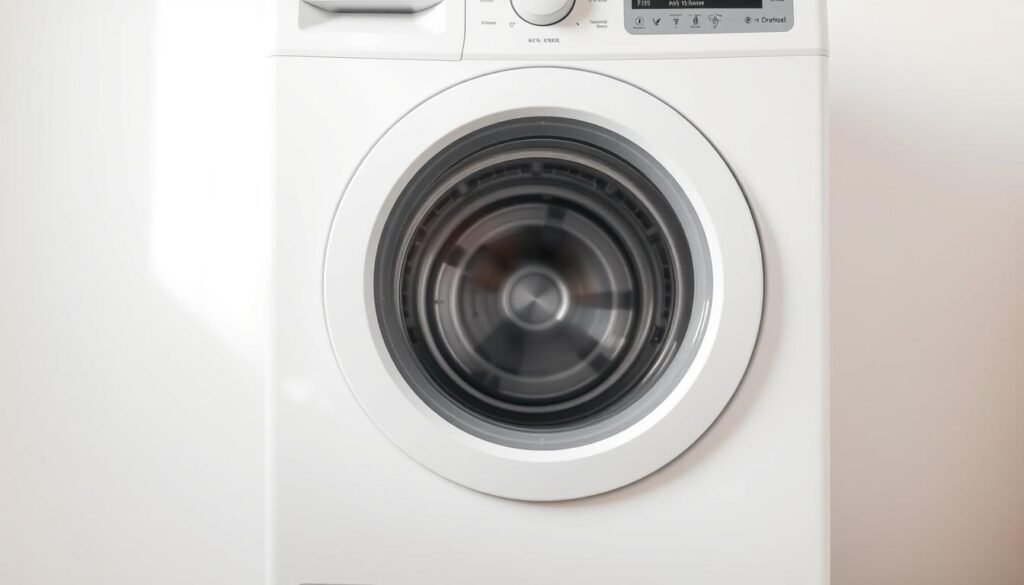
We’ll walk through simple steps that keep your appliance running well and your laundry smelling fresh. This guide uses easy methods and items you likely have at home.
The inside of a washing machine can host mold and mildew because it stays dark, warm, and moist. Too much detergent leaves a soap coating, since modern models use less water. Promptly moving wet clothes prevents musty odors and buildup.
One quick front-load fix uses two cups of vinegar and a quarter cup of baking soda on the hottest, longest setting. After the cycle, wipe and dry the gasket and drum so spots and residue don’t return.
We’ll cover front-load and top-load methods, a maintenance cycle, exterior care, and prevention habits. Different washers and models may need slight tweaks, but our steps are safe and easy for most owners.
Key Takeaways
- Routine care keeps performance high and odors away.
- Dark, moist interiors invite mold; act often.
- Vinegar plus baking soda works for a deep cycle.
- Wipe and dry seals and drums after each use.
- Adjust steps slightly by your washer’s model.
Why a clean washer matters for fresh laundry and a longer-lasting appliance
Small buildups make big differences. Dried soap, sediment and stray lint can cling to the drum and seals. Those residues may transfer back onto our clothes during the next cycle.
Low-water modern machines need less detergent, not more. Excess detergent leaves films that trap dirt and raise the ick factor. Over time this affects performance and can shorten an appliance’s life.
Mold and mildew thrive in damp, dark spots. Leaving wet clothes in the drum invites an unpleasant smell that lingers on fabrics. Moving each finished load and hanging damp towels cuts that risk dramatically.
- Routine maintenance keeps laundry truly fresh.
- Prompt unloading reduces mold and mildew growth.
- Targeted cleaning removes hidden dirt and lint from crevices.
Our guide will show quick steps and small habits that save service calls and protect sensitive skin by reducing residue. A few minutes now keeps the appliance running well and clothes smelling great.
Before we start: supplies, safety, and the best water temperature for a deep clean
Preparation matters: the right materials and safety steps make the job quick and effective. We’ll list what we need and what to watch for before any service or cycle.
Safety first: unplug, cool down, and protect your hands
We always unplug the appliance before opening panels or reaching into filters. If a hot water or Sanitize cycle just ran, wait an hour for water and parts to cool.
- Materials: vinegar, baking soda (front-load use), bleach (top-load only), a sponge, and a clean cloth.
- Wear gloves if you are sensitive to residues or products.
- Place towels under access points to catch drips, and keep kids and pets away.
Follow the washer manufacturer’s instructions on the type and amount of detergent. Using too much product causes buildup that we’ll remove now and help prevent later.
For deep cycles, hot water helps dissolve grime. We’ll use warm where recommended and never mix cleaners that shouldn’t be combined. For exterior spots, a damp cloth with mild detergent works; consider Cerama Bryte only if residue won’t budge.
How to clean a washing machine: front-load models step by step
A focused routine for front-load models keeps seals, drawers, and filters working clean and clear. We start with a hot, long cycle and measured cleaners to loosen grime in the tub and interior.
Deep-clean the door gasket and rubber seal to stop mold and mildew
Open the door and inspect the rubber folds carefully. Gently pull back the gasket and wipe away trapped dirt and moisture with a damp cloth.
Dry the seal thoroughly after wiping. This simple step cuts mold growth and keeps the drum smelling fresh.how-to-clean-a-carburetor
Detergent drawer care: remove buildup and use a soft brush
Remove the drawer and separate inserts. Rinse them under warm water and use a soft brush to lift stubborn residue.
Clean the drawer opening, dry everything, and reinsert. Proper detergent flow prevents clogs and film.
Front-load pump (debris) filter: drain, remove, rinse, and reinstall
Open the access panel, place towels and a small container, then drain via the rubber hose. Twist out the filter and rinse it clean.
Check the impeller for trapped items, reinstall the filter securely, and close the panel. Run a short cycle to confirm no leaks.
- Run one hot cycle with two cups of vinegar and 1/4 cup baking soda for a baseline deep clean.
- Wipe door glass, hinge areas, and exterior and dry them after each session.
- Schedule this deep step monthly or about every 40 washes to keep the washer performing well.
Top-load washer deep clean: vinegar, baking soda, and agitator care
Top-load units respond well to a hot soak and a focused scrub around the agitator. We start with a full hot water fill, then add two cups of white vinegar and let the tub soak for about an hour.
After the soak we add one cup baking soda and run a complete hot cycle. This combo lifts films and trapped grime, helping keep our washer smelling fresh and working well.

When and how to use bleach safely on top-load units
Use bleach sparingly. On top-load machines bleach is allowed by many manufacturers for tough mildew or stain issues, but never mix it with vinegar or other products. Follow label directions and run a full rinse cycle afterward.kn-how-to-clean-air-filter
Scrub the tub and agitator to remove soap scum and dirt
Mix equal parts water and vinegar and scrub the tub walls and under the agitator cap where grime hides. Wipe the rim, lid, and rubber edges, then dry those spots so moisture does not linger.
- Fill with hot water, add two cups white vinegar, soak one hour.
- Add one cup baking soda, then run a full hot cycle.
- Scrub agitator, wipe lid and rubber seals, and measure detergent properly.
Repeat monthly or as needed based on use and water quality to keep the washing machine in top condition.
Using Self Clean or Pure Cycle for a maintenance wash
Self Clean and Pure Cycle are built-in maintenance options that flush areas inside the drum and seals which a normal wash cycle does not reach. They save time and cut the need for heavy scrubbing of the interior.
When to run it and how long it takes
Run the cycle with an empty tub. A top-load washer usually finishes in about one hour. Front-load units can take up to four hours, so plan that time accordingly.
No cleaner needed—when to add bleach
No cleaner is required for routine maintenance. If a persistent mold smell exists, add bleach per the manufacturer’s instructions for a targeted wash cycle.
- Run another pass if suds or residue appear during the cycle.
- Follow reminders: every 20 washes on top-load or 40 on front-load, or at least once per month if we do few loads.
- Let the door stay ajar after the cycle so the interior can air out.
Regular use of this feature keeps our washer fresh and reduces the time we spend on manual upkeep between cycles.
Clean the exterior, control panel, and hard-to-reach spots
Small marks and dried soap leave an appliance looking tired. We tackle the outside with gentle steps that protect finishes and keep our unit tidy between deep cycles.how-to-clean-a-cuisinart-coffee-maker
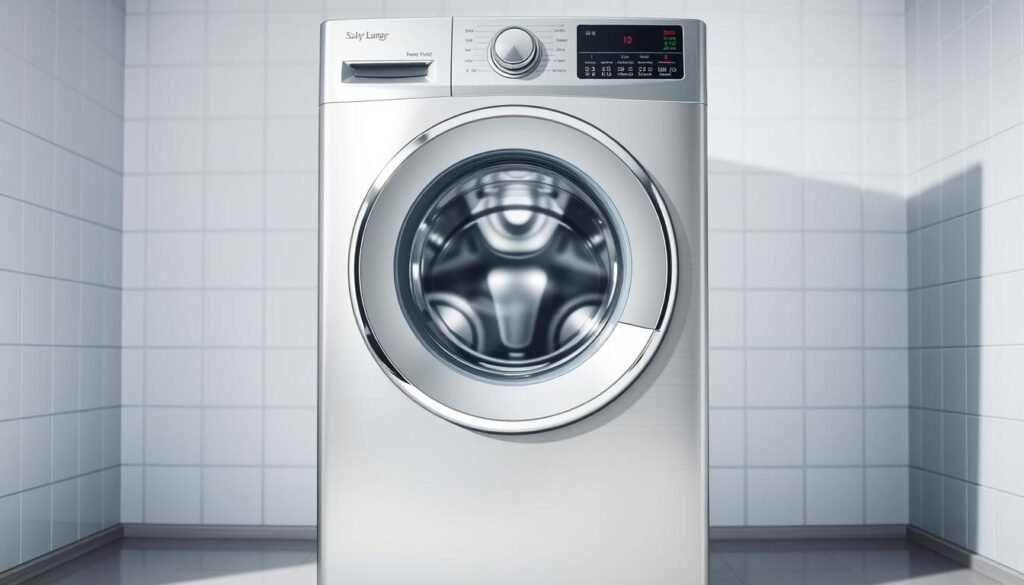
Start with mild detergent and a damp microfiber cloth. Wipe the control panel, door, and sides to lift everyday residue. Use light pressure on glossy panels.
- Address water spots by removing spills quickly and, if needed, apply a tiny amount of Cerama Bryte with circular motions.
- Rinse with a clean damp cloth to remove any product film, then dry thoroughly so new spots don’t form.
- Use a soft brush in textured crevices and drawer recesses, and leave those parts dry before reinserting drawers.
- Avoid abrasive products on plastics; choose gentle products and a soft cloth instead.
Routine exterior care keeps washers looking new and prevents buildup that can dull finishes. These quick steps fit our regular guide and save time later.
Keep it fresh: simple habits that prevent smells, mold, and mildew
Small daily habits stop musty odors and keep our washer running smoothly. We focus on the few steps that cut mold and mildew risk and make laundry easier.how-to-clean-a-down-comforter
Right-size your detergent to avoid residue and suds
We measure detergent by the load and water hardness so we use the correct amount each time. Too much detergent leaves film that traps soil and causes smell and extra maintenance.
Leave the door and detergent drawer open to air out moisture
After each wash we leave both the door and drawer slightly open. That airflow helps moisture evaporate and lowers mold growth in the tub and drawer area.
Move wet clothes promptly and run occasional hot water cycles
We transfer clothes to the dryer right away. Letting wet clothes sit invites mold and mildew on fabrics and inside the appliance.
When most loads are cold, we run a warm or hot water wash about once a month. That helps dissolve residue that cold cycles can leave behind.
- Wipe the detergent drawer dry after each session and deep clean it monthly for better maintenance.
- Avoid overloading and balance loads so clothes rinse well and the washer lasts longer.
- Keep the gasket and rim dry if we see pooling water after a wash cycle.
A quick path to a consistently clean washing machine
Picking one reliable method makes upkeep fast and much less stressful. Choose the Self Clean or Pure Cycle for a low-effort pass, or run a targeted deep clean when odors persist.
Front-load users should wipe the gasket, remove and brush the detergent drawer, and service the pump filter so interior parts stay free of dirt and drain smoothly.how-to-clean-leather-shoes
Top-load owners can soak with vinegar, add two cups as directed, then use one cup baking soda and scrub the tub and agitator with a damp cloth.
Measure detergent, limit excess products, and run a warm or hot wash cycle now and then. Set a monthly reminder and follow the simple instructions in this guide.
Checklist mindset: clean key parts, run the right cycle, and keep airflow so our washer and the washing machine interior stay fresh for every load.


















3 Responses