Keeping your bathtub clean is key for a healthy bathroom. Grime and soap scum can build up, creating a home for bacteria and mold.
I’ll show you how to keep your bathtub clean and fresh. No matter if it’s acrylic, fiberglass, or porcelain, the right cleaning methods and products matter.
Key Takeaways
- Effective cleaning products for different bathtub materials
- Simple steps to remove grime and soap scum
- Tips for maintaining a hygienic bathtub
- Precautions to avoid damaging your bathtub
- Best practices for a sparkling clean bathtub
Why Regular Bathtub Cleaning is Important
Regular bathtub cleaning is not just about looks; it’s a matter of health and safety. A clean bathtub is key for a healthy bathroom. It’s important for both hygiene and looks.
Benefits of a Clean Bathtub
A clean bathtub prevents mold and mildew growth, which can harm your health. Keeping your bathtub clean makes your home safer and healthier. For more tips, check out Molly Maid’s bathtub cleaning tips.
Also, a clean bathtub makes your bathroom look better. It makes your bathroom more welcoming and relaxing. Plus, it helps keep your bathtub in good shape, possibly making it last longer.
Common Issues with Dirty Bathtubs
Dirty bathtubs can cause soap scum buildup, stubborn stains, and mold and mildew growth. These problems can harm your bathtub’s look and health. Soap scum and mildew can irritate your skin and cause allergies. Mold can lead to breathing issues.how-to-clean-ninja-coffee-maker
Ignoring bathtub cleaning can also lead to hard water deposits and mineral stains. These are hard to remove and might need special cleaning products.
Essential Cleaning Supplies for Bathtubs
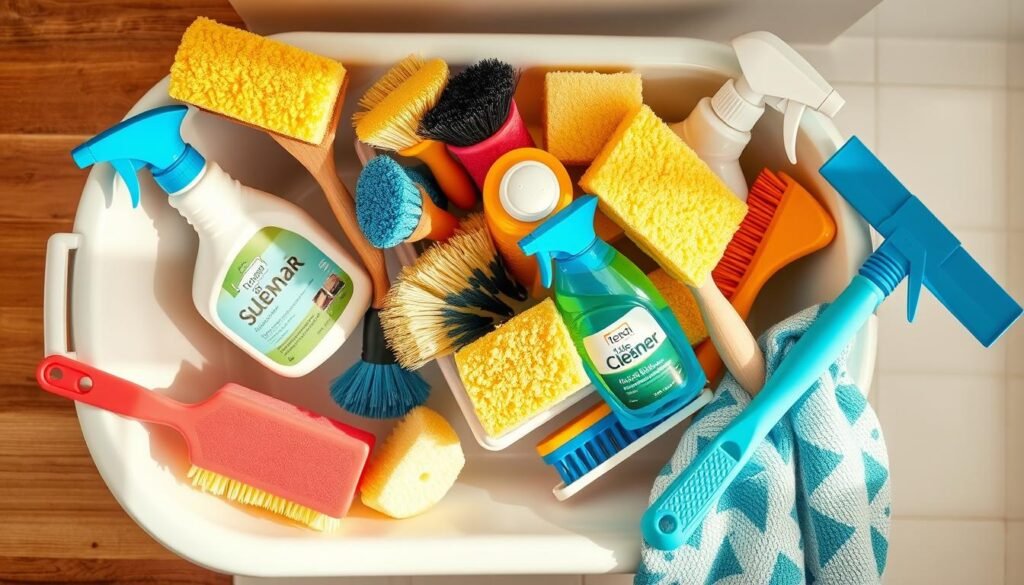
To clean your bathtub well, you need the right products and tools. These should match your bathtub’s material.
Natural Cleaning Solutions
Going green? Natural cleaners are a smart choice. Baking soda and vinegar are top picks for bathtubs. Baking soda gently removes dirt without scratching. Vinegar kills germs and soap scum.
- Baking soda: Good for stains and smells
- Vinegar: Kills germs and soap scum
- Lemon juice: Natural bleach substitute
Chemical Cleaners to Consider
Need something stronger? Chemical cleaners tackle tough stains. But, pick one that fits your bathtub. Always read the label and be safe.how-to-clean-mouth-guard
| Cleaner Type | Best for | Precautions |
|---|---|---|
| Acidic cleaners | Removing mineral deposits | Avoid using on natural stone |
| Alkaline cleaners | Tough grime and soap scum | Can be harsh on skin, wear gloves |
Tools You Need for Effective Cleaning
Right tools are key for cleaning. A soft-bristled brush or non-abrasive scrubber gently removes dirt. A microfiber cloth makes the surface streak-free.
With the right supplies, cleaning your bathtub is easy. Keep it clean and safe with little effort.
Step-by-Step Guide to Cleaning Your Bathtub

To get your bathtub sparkling clean, follow this easy guide. It’s perfect for both beginners and experienced cleaners. Cleaning your bathtub right means knowing the best methods and using the right supplies.how-to-clean-records
Pre-Cleaning Preparations
First, prepare your bathtub. Remove soap scum, hair, and other dirt. Use a gentle cleanser or a baking soda and water mix to scrub off the grime. Rinse well to start fresh for the next steps.
The Cleaning Process
For the cleaning process, apply your chosen cleaner. You can use vinegar and baking soda or a store-bought cleaner. Spread it evenly and let it work for a few minutes. Then, use a soft sponge or brush to clean without scratching.
For more tips on picking the right cleaner, check out our guide on how to achieve a sparkling clean.
| Cleaning Method | Best For | Tips |
|---|---|---|
| Vinegar and Baking Soda | Natural, non-toxic cleaning | Let it sit for 10 minutes before scrubbing |
| Commercial Cleaners | Tough stains and grime | Follow the product instructions carefully |
Final Touches for a Sparkling Finish
After cleaning and rinsing, dry your bathtub with a microfiber cloth. This prevents water spots. For extra shine, use a bathtub polish or a water and white vinegar mix. Spray it on and wipe with a dry cloth.
By following these steps, you’ll keep your bathtub clean and welcoming. Regular cleaning makes your bathroom look better and is healthier for you.
Tips for Stubborn Stains and Grime
Dealing with stubborn stains and grime in your bathtub can be tough. But, with the right methods, you can make it shine. Removing stubborn stains requires patience and the right approach.
Baking Soda and Vinegar Solutions
Using a baking soda and vinegar solution is a great, eco-friendly way to tackle stains. This natural method is gentle yet effective against grime.how-to-clean-mousepad
- Make a paste by mixing baking soda with water, and apply it to the stained area.
- Let it sit for 15-30 minutes to allow the paste to penetrate the stain.
- Scrub the area with a non-abrasive sponge or cloth, then rinse thoroughly.
- For tougher stains, follow up with a mixture of equal parts vinegar and water in a spray bottle. Spray the solution onto the area, let it sit for a few minutes, and scrub again before rinsing.
Commercial Stain Removers
If natural methods don’t work, commercial stain removers might be needed. There are many products designed to tackle tough stains. Always read the labels and follow instructions to avoid damage.
For more detailed guidance on cleaning your bathtub, you can visit this helpful resource for additional tips and tricks.
Preventive Measures to Avoid Future Stains
Preventing stains is key to keeping your bathtub clean. Regular maintenance helps prevent grime and stains. Here are some tips:
- Wipe down your bathtub after each use to remove soap scum and water spots.
- Use a squeegee or towel to dry the bathtub, reducing the chance of water spots.
- Regularly clean your bathtub with a gentle cleaner to prevent grime buildup.
- Consider using a bathtub mat or stickers to protect the surface from scratches and stains.
By following these tips, you can keep your bathtub looking clean and new for years to come.
How to Clean Different Bathtub Materials
Different bathtub materials need special cleaning methods to keep them looking good and lasting long. Knowing what your bathtub is made of is crucial for cleaning it right.
Cleaning Acrylic and Fiberglass Bathtubs
Acrylic and fiberglass bathtubs are loved for being tough and easy to put in. Don’t use rough cleaners or scrubbers on them, as they can scratch. Instead, use a soft cloth or sponge with a mild soap. For hard stains, try a mix of baking soda and water. Make sure to rinse well to avoid soap buildup.
Tips for Porcelain Bathtubs
Porcelain bathtubs need gentle care to keep their shiny look. Stay away from strong chemicals and rough scrubbers, as they can harm the porcelain. For everyday cleaning, a soft cloth and mild detergent are enough. For stains, use a baking soda and water paste, let it sit, then rinse. For more tips, check out Martha Stewart’s guide on cleaning bathtubs.
Maintaining a Cast Iron Bathtub
Cast iron bathtubs are very durable but need regular care to avoid rust. Clean them with a gentle cleanser and a soft sponge. Don’t use bleach or harsh chemicals, as they can damage the enamel. For tough stains, a gentle scrubber is okay, but rinse well. Drying the bathtub after use helps prevent water spots and rust.how-to-clean-iphone-speaker
| Bathtub Material | Cleaning Method | Precautions |
|---|---|---|
| Acrylic/Fiberglass | Mild soap and soft cloth | Avoid abrasive cleaners |
| Porcelain | Mild detergent and soft cloth | Avoid harsh chemicals |
| Cast Iron | Gentle cleanser and soft sponge | Avoid bleach and harsh chemicals |
DIY Natural Cleaning Recipes
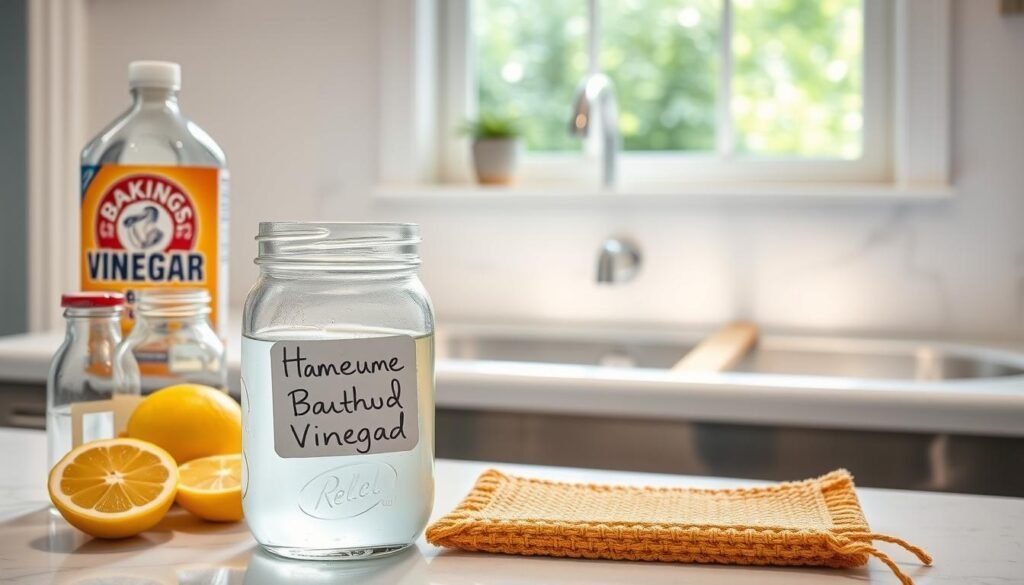
Looking for a greener way to clean your bathtub? Try making your own solutions with vinegar and baking soda. These eco-friendly options are effective and gentle on surfaces.
Homemade Tub Cleaner with Vinegar
Vinegar is a natural acid that breaks down soap scum and mineral deposits. Mix equal parts of white vinegar and water in a spray bottle. Spray it on your bathtub, wait a few minutes, then scrub and rinse.
For tougher stains, use undiluted vinegar or let it sit longer before scrubbing. Adding a few drops of your favorite essential oil can make it smell fresh. Some essential oils also have antimicrobial properties, keeping your bathtub cleaner longer.how-to-clean-an-oven
Gentle Scrub Recipe with Baking Soda
Baking soda is great for cleaning bathtubs. It’s a gentle abrasive that removes grime without scratching. Mix baking soda with a bit of water to make a paste. Apply it to your bathtub and scrub gently with a non-abrasive sponge or cloth. Rinse well to see a clean surface.
For more cleaning solution tips, check out this page. It has a recipe for a homemade tub and tile shower cleaner that removes soap scum effectively.
Essential Oils for Fresh Scents
Essential oils are not just for fragrance. They also have antimicrobial properties. Adding lemon, lavender, or tea tree oil to your cleaning solution can make your bathtub smell fresh and clean. Always dilute essential oils properly, as they are strong.
Using natural ingredients for cleaning your bathtub is good for your home and the environment. By choosing DIY natural cleaning recipes, you avoid harsh chemicals and help keep our planet cleaner.
How Often Should You Clean Your Bathtub?
Cleaning your bathtub regularly is key to keeping it hygienic and free from grime. The cleaning frequency varies based on how often you use it. But, sticking to a regular cleaning schedule can make your bathtub shine and stay clean.how-to-clean-microwave
Daily Maintenance Tips
To keep your bathtub clean, add these daily habits to your routine:
- Wipe down the bathtub surfaces after each use with a dry towel to remove excess water and soap scum.
- Use a squeegee on shower doors and walls to prevent water spots.
- Keep the bathtub area well-ventilated to reduce moisture that can lead to mold and mildew.
Weekly Deep Cleaning Routine
Deep cleaning your bathtub once a week is crucial for removing grime and soap scum. Here’s a simple routine:
- Apply a bathtub cleaner or a mixture of baking soda and vinegar to the surfaces.
- Let it sit for 15-30 minutes to allow the solution to penetrate and loosen grime.
- Scrub the bathtub with a non-abrasive sponge or brush, paying special attention to areas around the drain and any stubborn stains.
- Rinse thoroughly with warm water.
Seasonal Deep-Cleaning Checklist
Seasonally, your bathtub needs a more thorough cleaning to remove any built-up grime and mildew. Here’s a checklist:
| Task | Frequency | Notes |
|---|---|---|
| Clean the drain and pipes | Seasonally | Use a drain cleaner or a natural alternative like baking soda and vinegar. |
| Scrub the grout and caulk | Seasonally | Use a grout cleaner or a mixture of baking soda and water to remove mildew and stains. |
| Inspect and replace worn-out caulk | As needed | Prevent water from seeping behind the caulk and causing damage. |
Eco-Friendly Cleaning Tips
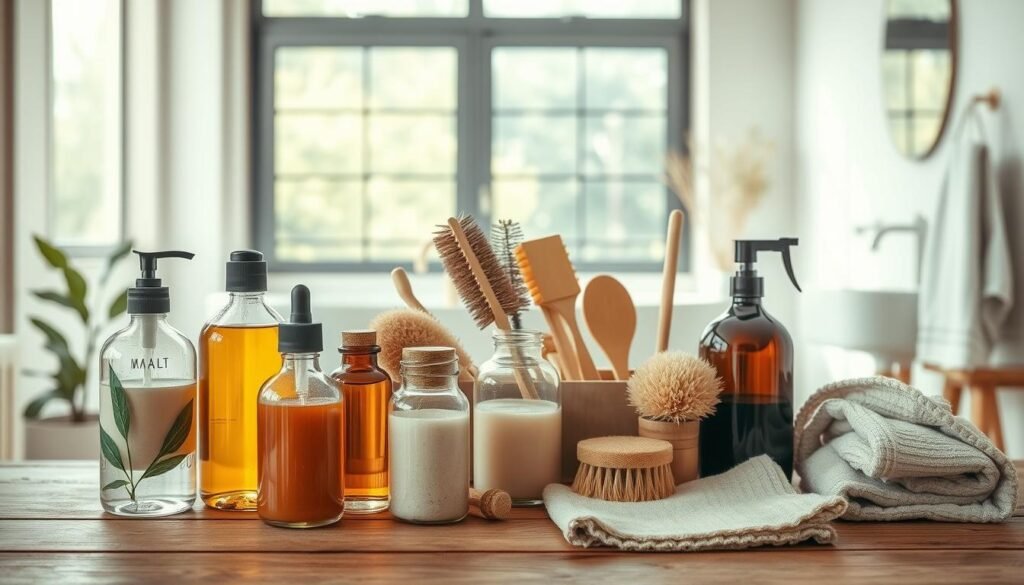
Using eco-friendly cleaning methods is a simple way to help our planet. When we clean our bathtubs, choosing the right products matters a lot. Making choices that are good for the environment can really make a difference.
Sustainable Products for Bathtub Care
The products we use to clean our bathtubs are key. Choosing products that are safe for the environment is a smart start. Look for items with natural ingredients and biodegradable packaging.
Consider using essential oils, plant-based cleaners, and reusable cloths. These choices help reduce waste and make our homes healthier.
Reducing Waste While Cleaning
Reducing waste is important in eco-friendly cleaning. Using reusable cloths or sponges instead of disposable ones is a good start. Making your own cleaning solutions with items like baking soda and vinegar also cuts down on waste.
Buying cleaning products in bulk or concentrate is another smart move. It reduces packaging waste. Being careful about what we buy and avoiding unnecessary packaging helps too.
Benefits of Going Green
Going green with cleaning has many benefits. It’s good for the environment and for our health. Using natural products means less exposure to harmful chemicals, making our homes safer.
Going green can also save money. Making your own cleaning solutions is often cheaper than buying commercial ones. Plus, the environmental benefits are huge.how-to-clean-retainers
Troubleshooting Common Bathtub Cleaning Issues
Even with the best cleaning, bathtubs can still face problems like mold, mildew, hard water spots, and scratches. These issues can be annoying, but there are ways to fix them.
Dealing with Mold and Mildew
Mold and mildew often show up in bathtubs, mainly in humid places. To fight these, use a cleaner made for mold and mildew. A mix of baking soda and vinegar works well, or try a product with bleach or tea tree oil.
- Make sure your bathroom has good air flow to cut down on humidity.
- Keep the bathtub clean, focusing on wet spots.
- Think about using a product that stops mold and mildew.
Addressing Hard Water Deposits
Hard water can leave ugly stains on your bathtub. Use a product with acid, like CLR or white vinegar, to remove these. Apply it, wait a few minutes, scrub, and then rinse.
If the stains are tough, you might need to do this a few times. To stop them from coming back, think about getting a water filter or using a product that stops mineral buildup.
Fixing Scratches and Minor Damage
Scratches and small damage can happen, more so if your bathtub is acrylic or fiberglass. For small scratches, use a repair kit made for your bathtub. For bigger damage, you might need a pro.
To avoid scratches, don’t use harsh cleaners or scrubbers. Be gentle when you clean. Also, check your bathtub often for damage to catch it early.
## Maintaining a Sparkling Bathtub Year-Round
To keep your bathtub clean and hygienic, develop daily habits and seasonal maintenance routines. Wipe down the tub after each use to prevent soap scum and mildew buildup. A simple daily routine can make a significant difference in maintaining a sparkling bathtub.
Daily Habits for Clean Bathtubs
After each use, dry the tub with a microfiber cloth to prevent water spots. For more thorough daily maintenance, mix equal parts distilled white vinegar and dish soap in a spray bottle. Spray the solution onto the tub and wipe it down with a nonabrasive sponge or cloth. This helps maintain a clean and fresh bathtub.
Seasonal Maintenance Tips
Seasonally, give your bathtub a deep clean. For tough stains, let a mixture of baking soda and vinegar sit for 15-20 minutes before scrubbing. You can also use a gentle cleanser designed for your tub’s material, whether it’s acrylic, fiberglass, or porcelain. For more information on how to clean your bathtub effectively, visit BHG’s guide on bathtub cleaning.
Final Thoughts on Bathtub Care
Maintaining a clean bathtub requires consistent effort, but with these daily habits and seasonal tips, you can enjoy a sparkling tub all year round. By incorporating these simple routines into your cleaning schedule, you’ll be able to keep your bathtub looking its best.how-to-clean-retainers