Cleaning chicken is key to getting it ready for cooking. Proper handling and cleaning can significantly reduce the risk of cross-contamination and foodborne illnesses. In this guide, I will show you how to clean chicken safely and effectively.
Before we start, it’s important to know why keeping your workspace clean is crucial. Following proper hygiene practices is also vital when handling raw poultry.
Key Takeaways
- Understand the importance of cleaning chicken before cooking
- Learn how to prepare your workspace for safe chicken handling
- Discover the step-by-step process for cleaning chicken
- Find out how to store leftover chicken safely
- Gain insights into maintaining kitchen hygiene when handling raw poultry
Why Clean Chicken Properly?
Cleaning chicken right is key to avoiding foodborne illnesses. Handling raw chicken can lead to cross-contamination. This can cause serious health problems like salmonella and campylobacter.
Importance of Food Safety
Food safety is a big deal in any kitchen. When handling raw chicken, you must be careful to stop bacteria spread. Cleaning chicken properly is the first step to keep your family safe. Here’s why food safety matters:
- It stops foodborne illnesses
- It lowers cross-contamination risk
- It makes cooking safer
Preventing Cross-Contamination
Cross-contamination happens when chicken bacteria spread to other foods or surfaces. This can occur through direct contact or via utensils and cutting boards. To avoid this, you should:
- Use different cutting boards for raw chicken and other foods
- Wash your hands well before and after touching raw chicken
- Clean and sanitize tools and surfaces after touching raw chicken
By taking these steps and knowing the importance of cleaning chicken right, you can lower the risk of foodborne illnesses. It’s not just about cooking; it’s about keeping your kitchen safe and healthy for everyone.how-to-clean-a-whiteboard
Tools and Supplies Needed
Having the right tools is key for cleaning chicken safely. Let’s look at what you’ll need to get started.
Essential Kitchen Uttersils
is renamed to
Essential Kitchen Utensils
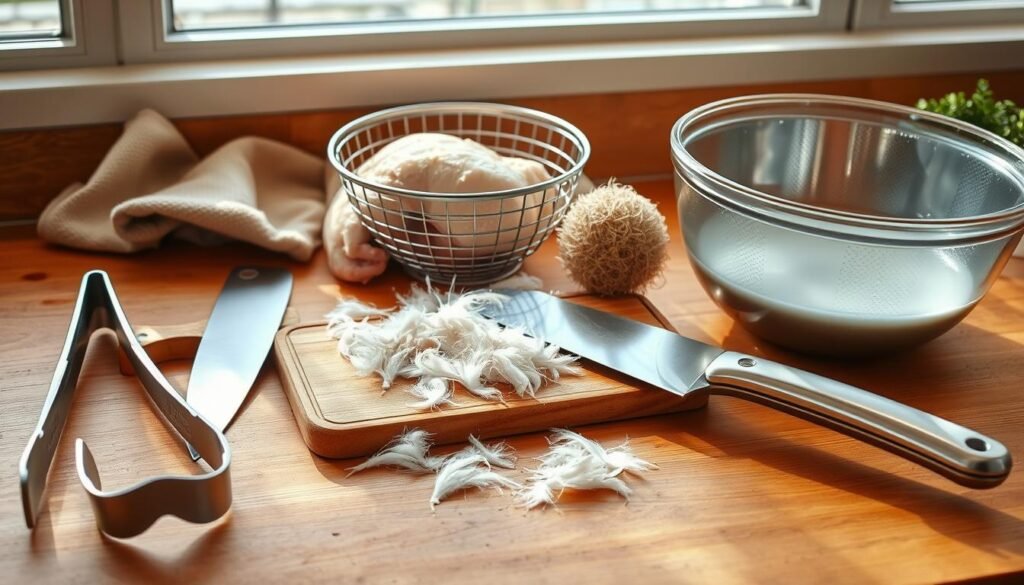
You’ll need some basic kitchen tools to clean chicken well. A cutting board is a must, and it should be just for raw poultry. This helps avoid spreading germs.
A sharp knife is needed for cutting and removing parts you don’t want. Also, a pair of kitchen shears is handy for cutting bones or taking out giblets.how-to-clean-fruit-with-baking-soda
Recommended Cleaning Agents
You’ll also need cleaning agents to make sure everything is sanitized. Soap and warm water are must-haves for cleaning surfaces that touch the chicken. For deeper cleaning, mix 1 tablespoon of unscented bleach per gallon of water.
You can also use a disinfectant spray that’s okay for kitchens. Always follow the directions on any cleaning product you use.
Choosing the Right Chicken
Before you start cooking, it’s key to know the different chicken types. Picking the right chicken is crucial for a tasty and safe meal. I’ll show you how to choose the best chicken for your meal.
Fresh vs. Frozen
Deciding between fresh or frozen chicken is a big choice. Fresh chicken is loved for its taste and texture. But, it doesn’t last as long. Frozen chicken, if stored right, is just as good and lasts longer.
Think about your cooking plans and storage space. Fresh chicken is best if you’ll cook it soon. But, frozen chicken is better for longer storage.how-to-clean-a-toaster
Whole Chicken vs. Parts
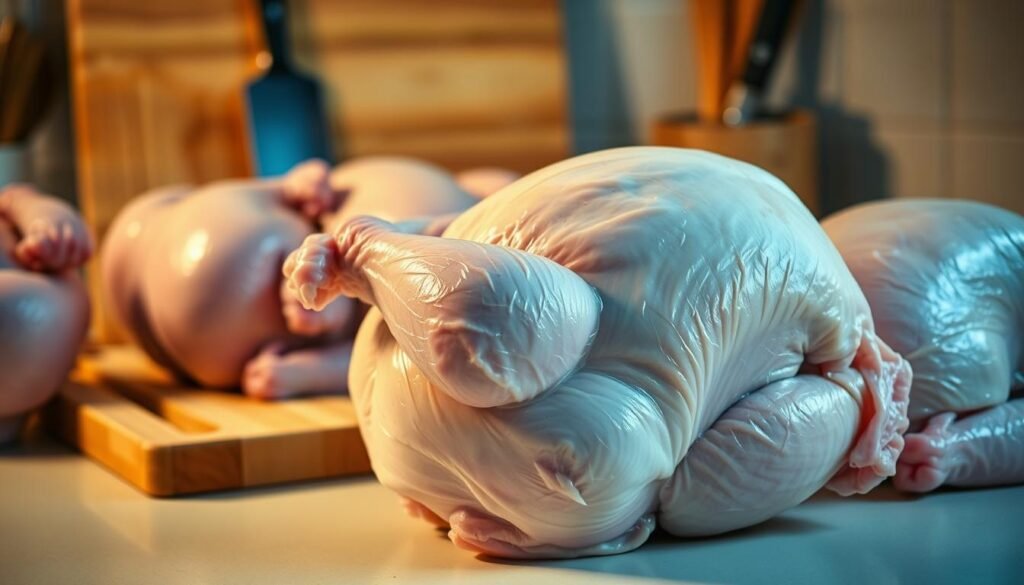
Choosing between a whole chicken or parts is another big decision. A whole chicken is often cheaper and versatile. But, it takes more time to prepare.
Chicken parts like breasts or thighs are quicker and easier. They’re perfect for specific recipes or if you like certain cuts.
Whether to choose whole chicken or parts depends on your cooking plans and what you like. Knowing the differences helps you make a better choice.
Preparing Your Workspace
Getting your workspace ready is key to safely handling and cleaning chicken. A tidy workspace boosts efficiency and cuts down cross-contamination risks.
Cleaning the Countertops
Start by making sure your countertops are clean and sanitized. Use a mild cleanser and warm water to clean them. This is vital to remove bacteria or pathogens that could harm the chicken.
Steps to Clean Countertops:
- Clear the countertops of any clutter or unnecessary items.
- Apply a gentle cleanser and wipe down the surfaces with a damp cloth.
- Rinse the cloth frequently to prevent the spread of bacteria.
- Dry the countertops with a clean towel to prevent water spots.
Organizing Your Tools
Having the right tools within easy reach makes cleaning chicken more efficient. Arrange your tools so they’re easy to access and won’t spread contamination.
| Tool | Purpose |
|---|---|
| Sharp knife | For trimming and cutting the chicken |
| Cutting board | For preparing and cutting the chicken |
| Paper towels | For patting dry the chicken |
By following these steps, you can create a clean and organized workspace. This makes the process of how to clean chicken safer and more efficient.how-to-clean-a-pipe
Step-by-Step Cleaning Process
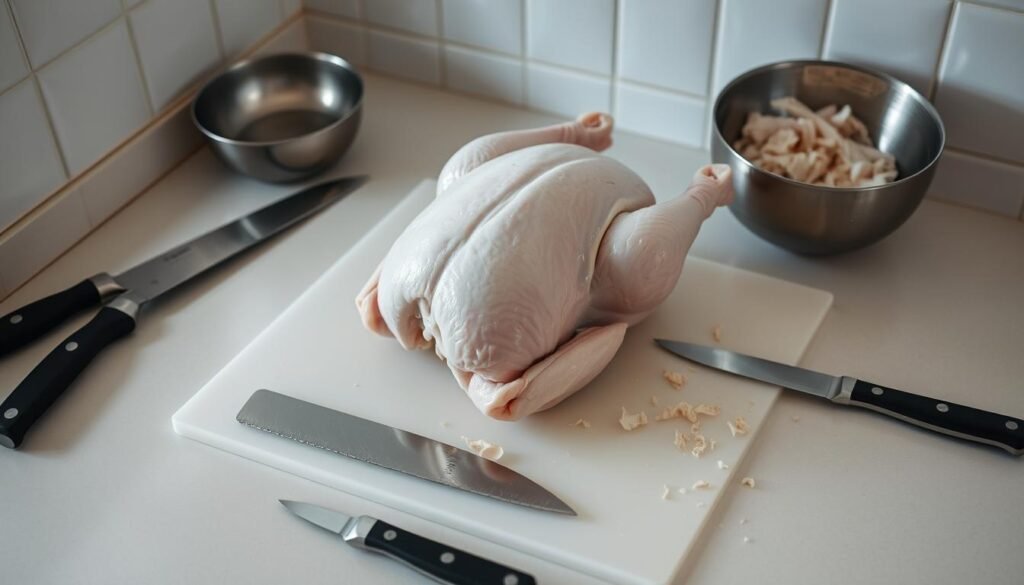
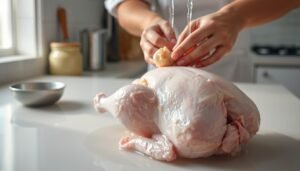
Now that we’ve set up our workspace, let’s get started on cleaning the chicken. Cleaning chicken is simple and requires a few basic steps. I’ll show you how to clean chicken properly in this guide.
Rinsing the Chicken
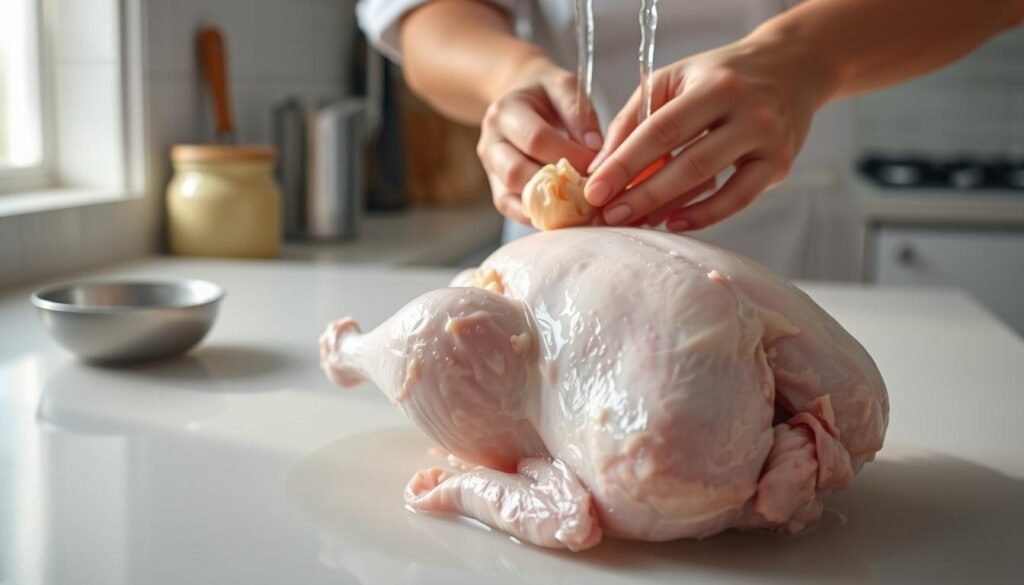
The first thing to do is rinse the chicken under cold water. This step removes loose debris and bacteria. It’s important to use cold water to prevent bacteria from spreading.
While rinsing, rub the chicken gently with your hands. This helps remove dirt and impurities. For more detailed instructions, check out guides on cleaning chicken.
Trimming and Removing Parts
After rinsing, look for visible fat, blood, or damaged areas on the chicken. Use a sharp knife or kitchen shears to cut away these parts. Trimming excess fat and damaged areas makes the chicken look better and reduces contamination risks.how-to-clean-air-mass-meter
Make sure to throw away the trimmed parts safely. This prevents cross-contamination.
Patting Dry with Paper Towels
After trimming, use paper towels to dry the chicken. This step is key to remove excess moisture that can affect cooking. Pat the chicken dry, focusing on crevices and folds where moisture might hide.
This ensures the chicken cooks evenly and safely.
Safe Disposal of Waste
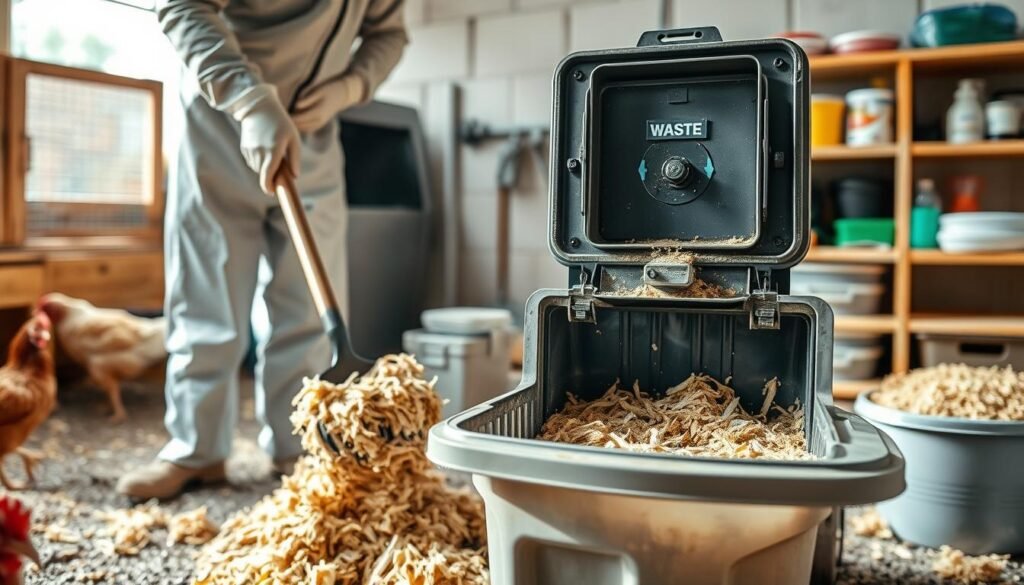
After cleaning your chicken, it’s key to dispose of waste safely. This step keeps your kitchen clean and hygienic.how-to-clean-rust-off-stainless-steel
Properly Disposing of Packaging
Dispose of chicken packaging like plastic wrap or bags right away. Put them in a trash bin with a lid to avoid spills.
Check if your area recycles the packaging. If yes, rinse it and recycle it.
Cleaning Up After Yourself
After getting rid of packaging, clean up any mess. This includes washing utensils and cutting boards that touched the chicken.
Here’s a simple checklist to ensure you’ve cleaned up properly:
| Item | Cleaning Method | Frequency |
|---|---|---|
| Utensils | Wash with soap and warm water | After each use |
| Cutting Boards | Sanitize with bleach solution | After each use |
| Countertops | Wipe down with disinfectant | After each use |
By following these steps, your kitchen stays clean and safe. This reduces cross-contamination and keeps your food prep area hygienic.
Cooking Chicken After Cleaning
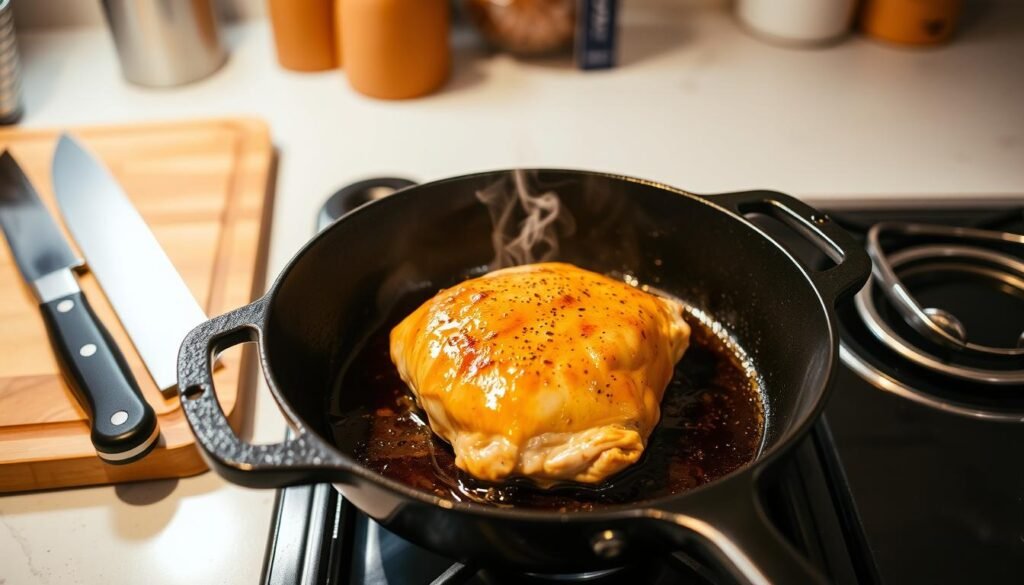
After cleaning your chicken, it’s time to cook it safely and deliciously. Cooking chicken right is key for a tasty meal and food safety.how-to-clean-pizza-stone
Recommended Cooking Temperatures
Cooking chicken to the right temperature is vital. It kills harmful bacteria like Salmonella and Campylobacter. The recommended internal temperature for cooked chicken is at least 165°F (74°C).
Use a food thermometer to check the internal temperature. This is crucial for whole chickens or chicken breasts.
For different chicken parts, cooking methods and temperatures may vary. But the internal temperature should always be 165°F (74°C). When grilling chicken, make sure the heat is even to avoid undercooked or overcooked areas.
Best Practices for Cooking Techniques
There are many ways to cook chicken, like grilling, baking, sautéing, and roasting. Even cooking is essential to prevent undercooked or overcooked chicken. Here are some best practices:
- Preheat your oven or grill to the right temperature before cooking.
- Use a thermometer to ensure the chicken reaches a safe internal temperature.
- Don’t overcrowd the cooking surface, as this can lead to uneven cooking.
- Let the chicken rest for a few minutes before serving to allow the juices to redistribute.
By following these guidelines and cooking your chicken to the recommended temperature, you can enjoy a delicious and safe meal. Remember, proper cooking is the final step in handling chicken safely, starting from cleaning.
Tips for Handling Chicken Safely
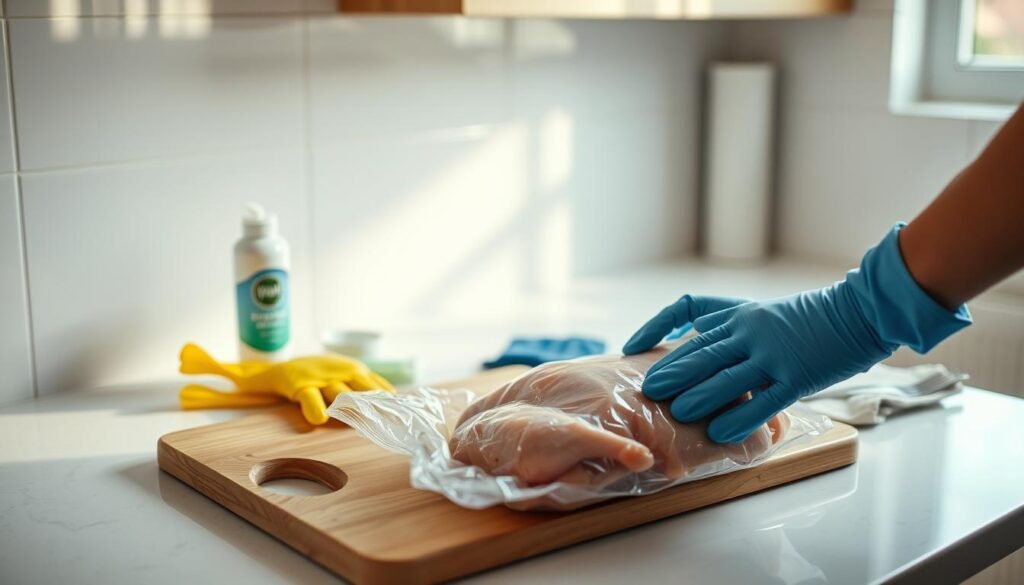
Handling chicken safely is key to a healthy meal. It’s important to follow guidelines to avoid cross-contamination and foodborne illnesses. These practices ensure your chicken is not only tasty but also safe to eat.how-to-clean-rust-off-stainless-steel
Washing Hands Frequently
Washing your hands often is a top way to stop bacteria spread when handling chicken. Make sure to wash with soap and warm water for at least 20 seconds before and after touching chicken. This simple step greatly lowers the chance of bacteria spreading to other foods and surfaces.
Key handwashing tips:
- Wash hands before and after handling chicken.
- Use soap and warm water.
- Wash for at least 20 seconds.
Using Separate Cutting Boards
It’s vital to use separate cutting boards for chicken and other foods to prevent cross-contamination. This stops bacteria from chicken from getting to other foods that might not be cooked yet.
“Using separate cutting boards for raw meat, poultry, and seafood can help prevent the spread of bacteria in your kitchen.”
Having multiple cutting boards for different foods is a good idea. For instance, use one for raw chicken and another for veggies and ready-to-eat foods.
Also, always sanitize your cutting boards and utensils after each use. You can do this by washing them with hot soapy water or running them through the dishwasher.
| Practice | Benefit |
|---|---|
| Washing hands frequently | Reduces the risk of transferring bacteria |
| Using separate cutting boards | Prevents cross-contamination |
| Sanitizing utensils and cutting boards | Eliminates bacteria and other pathogens |
Common Cleaning Mistakes
Cleaning chicken can be tricky and lead to foodborne illnesses. Many people struggle with this important step. I’ll talk about two common mistakes: over-rinsing and not keeping the kitchen clean.
Over-Rinsing: A Mistake to Avoid
Over-rinsing chicken can spread bacteria in your kitchen. Taste of Home says rinsing can spread harmful bacteria like Campylobacter and Salmonella.
Instead, I dry the chicken with paper towels. This removes excess moisture without spreading bacteria.
Neglecting Kitchen Hygiene: A Recipe for Disaster
Not keeping your kitchen clean is a big mistake. It can spread bacteria through your kitchen. This is dangerous.
To stay safe, I wash my hands often. I also use separate cutting boards for raw chicken and other foods. And I sanitize surfaces with a bleach solution.
Storing Leftover Chicken
After cooking chicken, it’s key to store leftovers right to keep them good and safe. Knowing how to clean and cook chicken is just as important as knowing how to store it.how-to-clean-sex-toys
Safe Storage Containers
Choose airtight, shallow containers for cooked chicken. This quick cooling and prevents bacteria. You can also use zip-top bags or aluminum foil, making sure to remove air before sealing.
Refrigeration and Freezing Guidelines
Cooked chicken stays good in the fridge for three to four days. If you won’t eat it in time, freeze it. Frozen chicken can last up to four months. Always heat it to 165°F (74°C) before eating to stay safe.