Surprising fact: one well-kept mat can save you about $50 a year by avoiding frequent replacements.
I keep my workspace tidy because a few quick actions restore enough stickiness for consistent cuts. I rely on gentle wipes, soap-and-water washes, and tested sprays when needed. I remove heavy debris with a scraper and use a lint roller for glitter and fibers.
I check the surface first so I pick the right methods and avoid lifting adhesive. I never scrub pink FabricGrip; tweezers and a brayer work best for fibers. Air drying prevents lint transfer and helps the adhesive last longer.
I also follow safety rules: resticking sprays can void warranties and may gum up your machine rollers. For a full, practical guide and sources, see my link about preserving mats: how to clean cricut mat.
Key Takeaways
- Regular maintenance saves money and reduces waste.
- Pick methods by surface condition to protect adhesive.
- Use air drying and gentle tools for best results.
- Avoid restick sprays that risk warranties and rollers.
- Handle pink FabricGrip with extra care—no scraping.
What I Check Before Cleaning: When, Why, and Which Mat I’m Using
A fast hands-on test tells me whether a mat needs a wipe or a full replacement. I start by placing the same scrap I plan to cut and check if edges lift or the piece shifts during a pass. If it slides, stickiness has dropped and a cleaning is due.
I scan for visible debris — pet hair, glitter, paper confetti — and remove large bits with a scraper tool before any wet method. Many mats last about 40–50 uses, but messy projects shorten that.
Signs your mat needs cleaning vs. replacing
- If cardstock cuts are fuzzy or material moves, try cleaning first.
- Gouges, bald adhesive patches, or permanent loss of grip mean replacement.
- If cleaning fails, swapping the mat is faster than repeated fixes.
How material type affects cleaning frequency
I note what I cut: felt, denim, leather, and wood leave lint and dust that demand more frequent attention than smooth vinyl or thin paper.
I also track which mat I used — LightGrip (blue) for delicate paper, Standard Grip (green) for most projects, StrongGrip (purple) for heavy-duty work, and FabricGrip (pink) only for fabric. That helps me pick the right next step for cleaning or replacement.
“A quick check saves time and keeps cuts consistent.”
My Go-To Supplies and Safety Notes for Cleaning Cricut Mats
I rely on a handful of trusted supplies when I need quick restoration or a deeper wash. Keeping them within reach saves time and prevents damage from using the wrong item.
Essential tools I always have
- Plastic scraper (XL for big pieces) — my first pass for stuck scraps.
- Lint roller for glitter and fuzz; tweezers for delicate pulls.
- A soft-to-medium dish brush and a brayer to re-seat sheets and edges.
Cleaners I prefer
I keep alcohol-free baby wipes for quick, safe wipes; alcohol can weaken adhesive. For wet washes I use Dawn, low-foam Windex with a short dwell, and diluted Simple Green for stubborn grime.
Warranty cautions and machine safety
Avoid spray restickers. Spray adhesives can leave residue that gums up rollers and may void your warranty. I only use tape for transfer-tape lifts on FabricGrip and edge masking in emergencies.
“Air dry mats flat or vertically, never pat with a towel — that keeps lint off and preserves the surface.”
- I store protector sheets clean and mark the stickier side.
- Mats stay flat or hung dust-free so cleaning work lasts longer.
- Scraper and brayer work best for blue/green/purple; tweezers and tape lifts for pink.
how to clean cricut mat
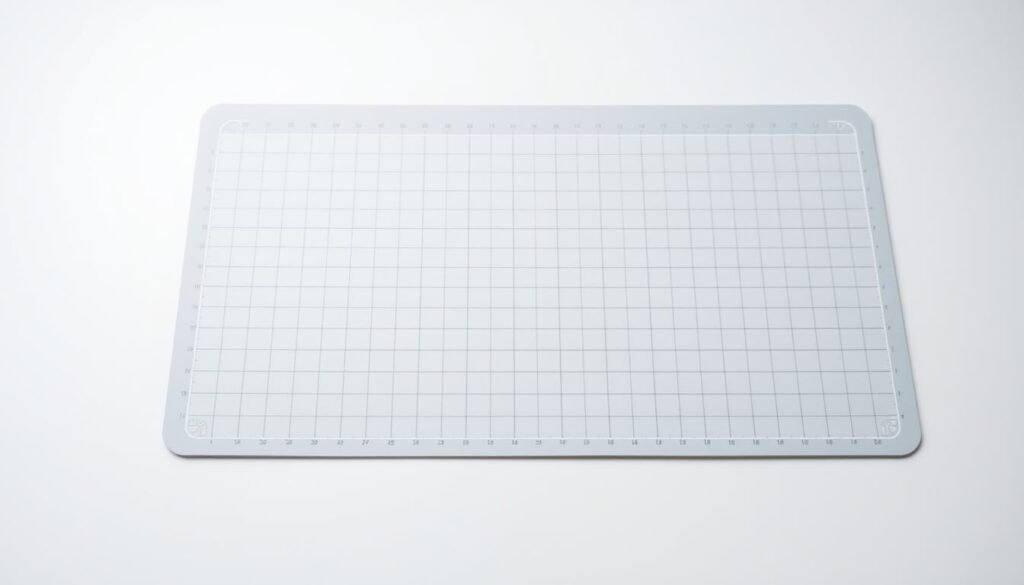
A simple, staged routine saves me time and keeps the cutting surface steady between projects.
I start by clearing big pieces with a gentle pass of my scraper. Then I lint-roll glitter and pick stubborn fibers with tweezers so I don’t grind debris into the surface.
Next I pick a method by mess level: alcohol-free baby wipes for light soil, a dish soap and warm water wash for typical grime, or Windex/Simple Green for tougher spots. I let cleaners sit about five minutes so they loosen gunk without saturating the adhesive.
Rinse with lukewarm water to avoid warping and remove residue. I keep strokes circular and light; pressure comes from time, not force. Then I always air dry flat or hanging—never use a towel because lint will undo the work.
- I check stickiness once the surface is dry and repeat the gentlest step if needed.
- I note what worked and how long it took, and replace the protector sheet when finished.
For a deeper reference, see a full guide at clean a cricut mat guide.
Light-Duty Cleaning Methods to Restore Surface Stickiness
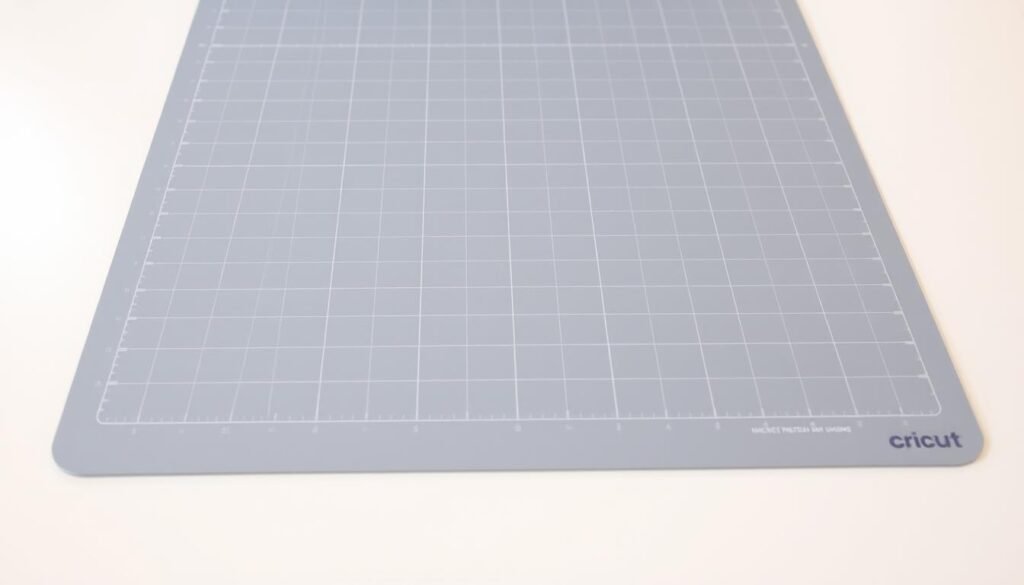
A quick tidy can bring grip back without dipping into heavier methods. I start with gentle moves that protect the adhesive and save time.
Scraper tool and lint roller: fast debris removal
I use a plastic scraper first. It shifts leftover pieces and vinyl bits so I’m not rubbing over chunks that could scar the surface.
Next, I run a lint roller over glittery or fuzzy zones. It grabs micro debris that flattens into the adhesive and won’t lift with a scraper alone.
Baby wipes (alcohol-free): circular motions, gentle pressure, let it air dry
Alcohol-free baby wipes are my go-to for light residue. I work in small circles with light pressure and swap wipes as they load up.
I avoid alcohol-based wipes because they can weaken the tack. After a wipe session I always let the mat air dry fully and then test with a small scrap of vinyl or paper.
“Work gently. Restoring tack is about patience, not force.”
- I focus on edges and corners where debris piles after intricate cuts.
- I repeat the wipe-down only once before choosing a gentle wash.
- These methods extend life for everyday projects and keep replacement costs low.
| Tool | Best for | When to use |
|---|---|---|
| Scraper | Cardstock pieces, vinyl bits | First pass |
| Lint roller | Glitter, tiny fibers | After scraper |
| Alcohol-free wipes | Light residue | Maintenance between washes |
Dish Soap and Warm Water: The Gentle Wash Method

A brief, controlled wash with warm water and a soft brush usually restores surface grip. I set up at the sink or on a cookie sheet with a lip so water stays contained.
Prep and soaking
I lay the cricut mat flat and add small dots of Dawn across the problem areas. Then I mist with water rather than pouring so the adhesive backing does not flood.
Gentle scrubbing technique
After a short five minute dwell, I scrub in small circular motions with a soft-to-medium brush, working from center out to edges. This lifts oils and stuck-on debris without gouging the surface.
Managing foam and rinse
Dawn foams fast, so I work in sections and rinse midway if suds hide spots. I use lukewarm water only — hot water can warp the backing and cold can leave residue.
“Patience wins: short dwell and gentle strokes restore stickiness better than force.”
- I always let the mat air dry flat or vertically; never towel dry because lint reduces stickiness.
- I test tack once fully dry and repeat this method only once if needed.
- If performance still lags, I try an alternative cleaner rather than harsher scrubbing.
| Step | Action | Why it matters |
|---|---|---|
| Setup | Sink or cookie sheet with lip | Contains water and protects workspace |
| Soap | Small dots of Dawn, mist with water | Breaks oils without flooding adhesive |
| Brush | Soft-to-medium, circular motion | Lifts debris evenly without damage |
| Rinse & dry | Lukewarm rinse, air dry flat/vertical | Prevents warping and lint transfer; restores mat sticky |
Note: I track which materials I used before washing; soap-and-water is my go-to after mixed sessions that leave a general film. For a deeper reference, see this detailed guide.
Alternative Cleaners I’ve Tested: Windex and Simple Green

I tested alternate liquids so I could pick a safe method for heavier grime. When soap and a soft wipe don’t restore performance, I reach for low-foam options that let me see the surface as I work.
Windex: low foam, five-minute dwell, medium-bristle brush
I spray the whole surface evenly and set a five-minute dwell. The low foam helps me find trapped debris and sticky spots.
Then I scrub in small circular motions with a medium brush, rinse with lukewarm water, and air dry. This method kept adhesive intact in my tests.
Simple Green: dilute, short dwell, gentle scrub
I dilute Simple Green, use a short dwell, and work gently in sections. A soft circular scrub loosens buildup without lifting tack. I rinse thoroughly and let the mat air dry before re-covering with the protector sheet.
What to avoid
- Avoid hard-bristle aggression and over-scraping; both can lift adhesive.
- Skip towel drying — lint undoes a careful wash.
- Don’t let cleaners sit longer than the recommended time or machine rollers can pick up residue.
“Work in sections and watch the clock so solutions don’t overstay.”
Special Rules for the Pink FabricGrip Mat

I treat the pink grip mat like delicate skin—minimal contact and careful tools only. Its adhesive is formulated for fabric fibers, which makes it very good at holding cloth but easy to damage.
Why the adhesive is different and what that means
The glue on FabricGrip is softer and grabs threads rather than flat paper. That means scraping or hard brushing can score the surface or pull the tack away. I keep fingers off the surface because oils speed adhesive breakdown.
No scraping: using tweezers, a brayer, and strong grip transfer tape lift
I never run a scraper across this cricut mat. Instead, I use tweezers for strands and a brayer to seat fabric without adding skin oils. For stubborn lint I press strong grip transfer tape lightly, burnish, and lift—this pulls fuzz out safely.
When (and if) I attempt a cautious wash on FabricGrip
Washing is a last-ditch option. Most of the time mechanical lifting is safer than liquids. If the surface is nearly unusable, I try a very gentle, brief wash and air dry; I avoid harsh sprays and hard-bristle brushes that can strip adhesive.
“Treat FabricGrip gently and plan replacements—it’s designed for fabric, not abuse.”
- I reserve older green or purple mats for felt and linty materials when possible.
- I replace the protector sheet immediately after each project and store the sheet covered.
- I always test with a small fabric scrap before cutting a full piece on a rotary blade.
For a focused reference on restoring a pink grip surface, see my linked guide at clean-cricut-pink-mat.
Pro Care Tips: Keep Mats Sticky Longer and Know When to Replace

Good care stretches lifespan and keeps projects running smoothly. I follow a few simple habits that cut cleaning time and protect the adhesive.
Use the protector sheet correctly and store mats dust-free
I always replace the protector sheet right after a session and mark the stickier side so I never seal with the wrong face. That small step keeps debris off and preserves the grip.
I store mats hanging or flat in a sealed drawer or sleeve. Clean storage is the easiest way to reduce fuss later and keeps my machine from picking up stray fibers.
Avoid finger oils, manage glitter and fuzz, and let mats air dry fully
I avoid touching the adhesive with fingers and use a scraper or tweezers as my primary tool for scraps. A lint roller is my fast answer for glitter and fuzz.
After any wash, I let the surface air dry completely before testing. Using a towel too soon brings lint and ruins a careful rinse.
Lifecycle hack: downgrade StrongGrip → StandardGrip → LightGrip
When a purple StrongGrip loses oomph, I remark it and shift it down to standard grip duty. Later it becomes my light-duty mat. This rotation saves money and squeezes more life from each sheet.
Clear signs it’s time to buy a new mat
Replace a mat when materials won’t hold at setup, they shift during a pass, or cardstock and vinyl cuts come out ragged. I keep a small card scrap and a vinyl offcut near my station for quick tack checks before big projects.
“Simple storage and a marked protector sheet keep mats ready and reduce cleaning frequency.”
Conclusion
A few small habits keep my cutting surface ready and my projects moving.
I follow a simple way forward: remove debris first, pick the gentlest effective method, then let the cricut mat air dry fully. I keep a short list of go-to cleaners—alcohol-free baby wipes, Dawn dish soap with warm water, Windex, and diluted Simple Green—so I don’t waste time hunting for supplies.
I never shortcut drying with a towel. Lint will undo stickiness and may harm the adhesive or your machine. I also skip resticking sprays because the warranty and roller risks outweigh short-term gains.
Test tack with one small card or vinyl scrap after each session. A little routine saves time, keeps cuts crisp, and makes crafting more fun.