Keeping fresh eggs safe and of good quality is key. Egg cleaning is a big part of this.
Egg cleaning is vital to get rid of dirt and bacteria. These can harm your eggs. By following a simple guide, you can keep your eggs fresh and safe.
I’ll show you how to clean your eggs right. This way, they’ll stay in top shape.
Key Takeaways
- Understand the importance of egg cleaning for maintaining egg quality and safety.
- Learn a simple step-by-step guide to clean fresh eggs effectively.
- Discover the benefits of proper fresh egg care.
- Ensure your eggs remain safe to eat by following the guide.
- Maintain the quality of your eggs with proper cleaning techniques.
Why Proper Egg Cleaning is Important
Cleaning eggs is more than just removing dirt. It’s about making sure eggs are safe to eat and stay fresh. If eggs aren’t cleaned right, they can have Salmonella bacteria, which can cause food poisoning.
Preventing Contamination
Cleaning eggs helps prevent contamination. Eggs can pick up dirt, feces, or bacteria during collection. If not cleaned, these can spread to other foods, causing illness. It’s clear that clean eggs are key to avoiding contamination.how-to-clean-your-phone-from-virus-for-free
Maintaining Freshness
Cleaning eggs also keeps them fresh. Dirty eggs can soak up smells and moisture, which lowers their quality. Proper cleaning helps eggs stay fresh longer. For more tips on cleaning and storing eggs, check out this resource.
Importance for Food Safety
Food safety is another big reason for cleaning eggs. Eggs can carry harmful bacteria if not handled right. Cleaning eggs is a crucial step to make them safe to eat. By cleaning and handling eggs correctly, you can lower the risk of getting sick from them.
In short, cleaning eggs is essential for avoiding contamination, keeping them fresh, and ensuring food safety. Understanding the importance of egg cleaning helps you handle eggs safely and effectively.
Understanding the Egg Surface
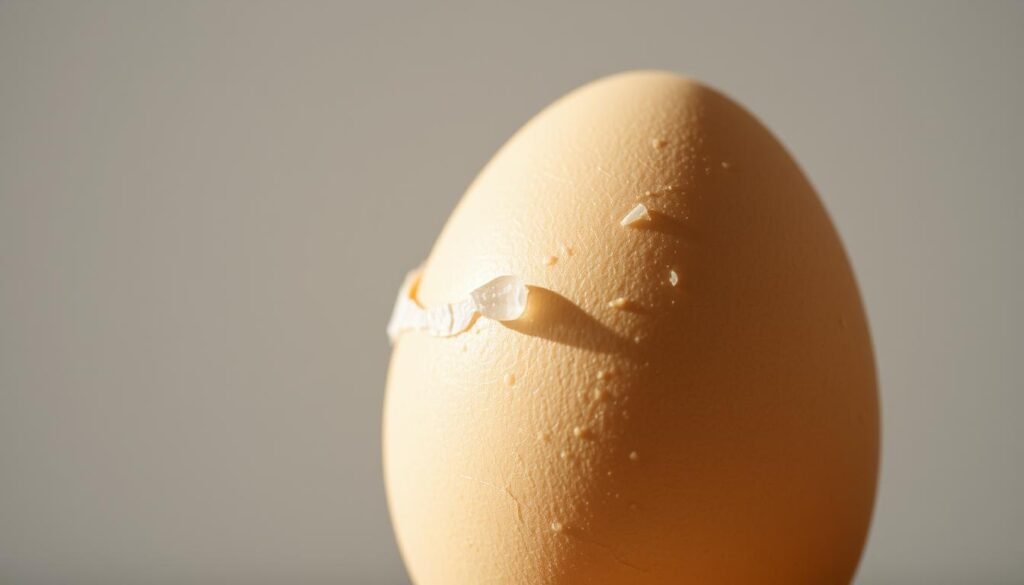
I’ve learned that cleaning eggs right starts with knowing their surface and natural coating. The egg’s outer layer is more than just a simple shell. It’s a complex structure that keeps the egg fresh and safe.
The Bloom: What is It?
The bloom, or cuticle, is a natural protective layer on eggs. It’s a waxy, protein-based coating that keeps bacteria out. This barrier is key to keeping eggs fresh and safe to eat. The bloom is strongest on new eggs and can change based on the egg’s age and handling.
Natural Protective Coating
The egg’s natural coating acts as a shield against bacteria. It’s a remarkable feature that keeps the egg’s inside quality high. By keeping this coating intact, we can keep eggs fresh longer. Knowing its importance is crucial for cleaning and handling eggs right.
Effects of Washing
Washing eggs can have both good and bad effects. It can remove dirt but also take away some of the bloom. It’s important to find a balance between cleaning and keeping the natural coating. Wrong washing methods can harm the egg’s safety and freshness.
In conclusion, knowing about the egg’s surface and its natural coating is key to cleaning and handling eggs well. By understanding the bloom and its impact from washing, we can protect the egg’s natural defenses and keep it fresh longer.how-to-clean-garbage-disposal
When to Clean Fresh Eggs

Knowing when to clean your fresh eggs is key to keeping them good. Cleaning them at the right time keeps their quality up and makes them safe to eat.
Timing Your Cleaning
Clean eggs just before you use them or store them. This stops any bad stuff from getting in. Experts say cleaning too soon can let moisture in, which can cause bacteria to grow.
Signs That Eggs Need Cleaning
Dirty or stained eggs need a clean. Also, if eggs have cracks or breaks, clean them and use them right away. Regularly checking your eggs helps figure out which ones need a wash.
Storing Dirtied Eggs
If eggs are dirty but not ready to use, store them right to keep them fresh. Keep them in a cool, dry spot. But make sure to clean them before you use them. Here’s a table with tips for storing dirty eggs.
| Storage Condition | Duration | Notes |
|---|---|---|
| Cool, dry place | Up to 1 week | Ensure eggs are pointed end down |
| Refrigerated | Several weeks | Clean before storing in the refrigerator |
By sticking to these tips, you can enjoy your fresh eggs while keeping them safe and fresh.
Tools You Will Need for Cleaning
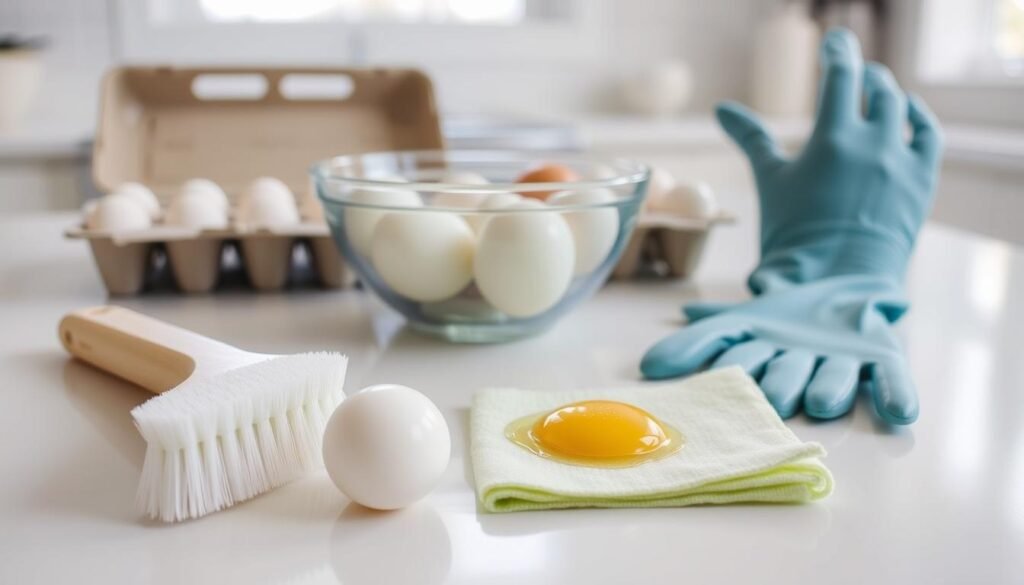
Cleaning fresh eggs starts with the right tools. The right equipment makes sure your eggs are cleaned safely and well.how-to-clean-brass
Soft Sponge or Cloth
A soft sponge or cloth is key. It’s gentle on the eggshells, preventing damage or cracking. It also removes dirt and debris well. Choose a soft, clean cloth or a sponge made for delicate tasks.
Warm Water
Warm water is also crucial. The water should be warm, not hot. Extreme temperatures can harm the eggs. Warm water loosens dirt without damaging the egg or its protective coating.
Mild Cleaner (if necessary)
At times, a mild cleaner is needed for tough stains or dirt. Make sure the cleaner is safe to eat and won’t leave harmful residues. If using a cleaner, follow the manufacturer’s instructions carefully.
Here’s a quick table of what you need to clean fresh eggs:
| Tool | Purpose |
|---|---|
| Soft Sponge or Cloth | Gently removes dirt and debris |
| Warm Water | Loosens dirt without damaging the egg |
| Mild Cleaner (optional) | Removes stubborn stains or dirt |
The Best Cleaning Method for Fresh Eggs
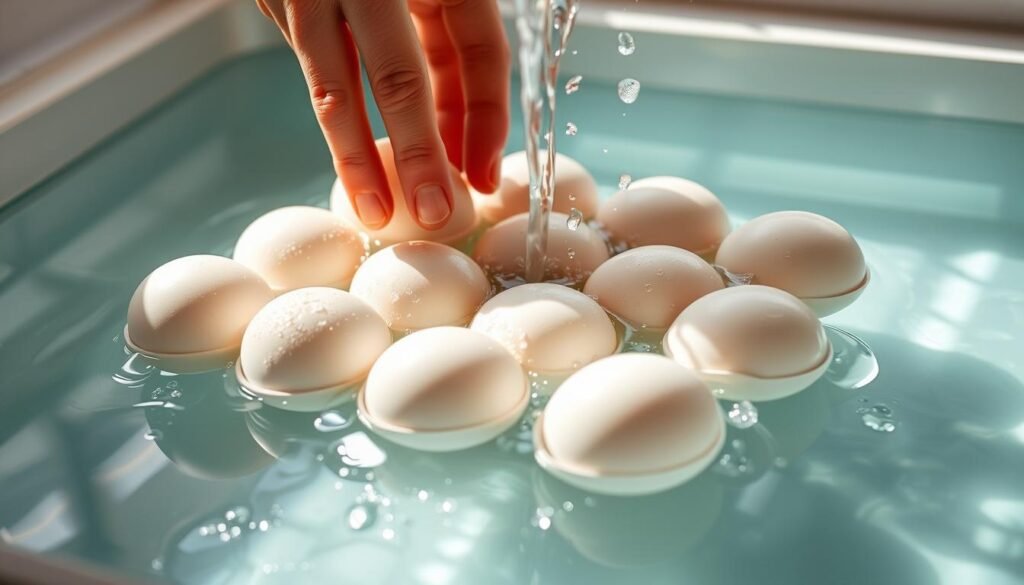
Cleaning fresh eggs right is key. The right techniques help keep eggs fresh and quality high. For more tips, check out this egg handling tipsheet.
Rinsing Under Warm Water
Rinsing eggs under warm water is a top cleaning method. Warm water softens dirt without harming the eggshell. Make sure the water isn’t too hot or cold, as this can cause sweating and contamination.
Using a Soft Brush
For tough dirt, a soft-bristled brush works well. Gently scrub the egg to remove dirt without scratching. This is great for eggs with stains or debris.how-to-clean-a-cast-iron-skillet
Drying the Eggs Properly
After rinsing and brushing, dry the eggs well. Moisture can spoil the egg. Pat them dry with a clean towel or air dry in a cool, dry spot.
By following these steps, your fresh eggs will be clean and safe to eat.
How to Remove Stubborn Residue
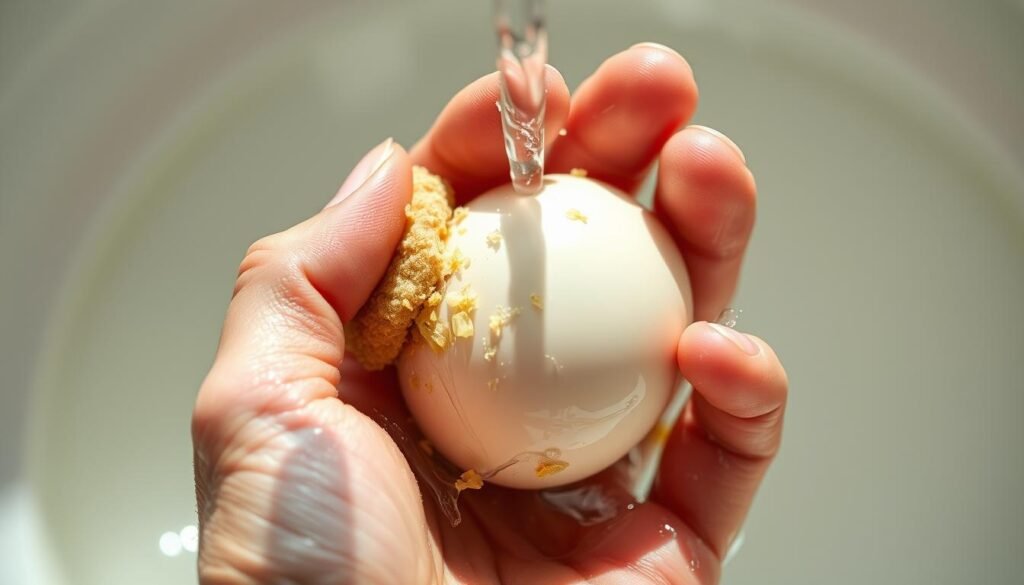
Stubborn stains on eggs need extra effort to clean well. Dirt, manure, or other substances can harm the eggs’ quality and safety. It’s important to remove these residues carefully.
Techniques for Stains
Start with gentle stain techniques for stubborn stains. Use a soft-bristled brush to gently scrub. For tough stains, a soft sponge or cloth with warm water works well. Be careful not to damage the eggshell.
“A gentle touch is key when cleaning eggs to prevent cracking or damaging the shell.” This way, you can remove the residue safely without harming the egg.
Safe Chemical Cleaners
Sometimes, safe chemical cleaners are needed for tough stains. Make sure to use cleaners made for egg cleaning and are safe to eat. Always follow the instructions and rinse the eggs well to remove any leftover cleaner.
- Choose cleaners that are labeled as safe for egg cleaning.
- Follow the instructions carefully to avoid overuse or misuse.
- Rinse the eggs thoroughly after using any cleaner.
When to Seek Professional Help
For big challenges or risks, getting professional help is wise. If you have a lot of eggs or the stains won’t go away, experts can help. They have the right tools and know-how to clean eggs safely.
“For heavily soiled eggs or large quantities, consulting a professional can ensure that the eggs are cleaned safely and effectively.”
Knowing when to ask for help ensures your eggs are cleaned right. This keeps their quality and your safety in check.
Storing Clean Eggs Properly
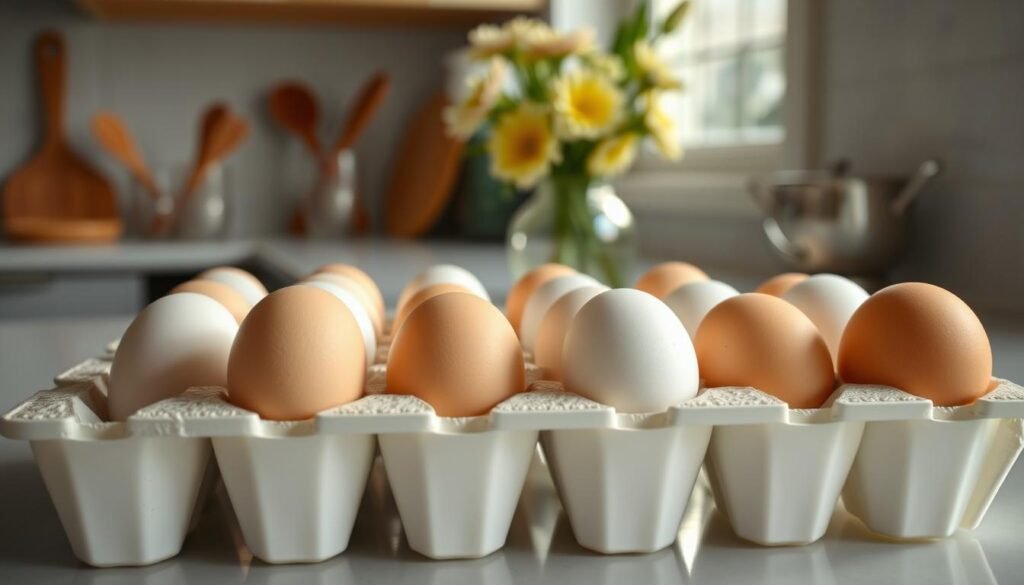
How you store clean eggs affects their freshness and how long they last. After cleaning your eggs, it’s key to store them right to keep their quality up.
Best Practices for Storage
To keep your clean eggs fresh, store them in a cool, dry spot or in the fridge. It depends on what you plan to use them for. Here are some tips:
- Put eggs in a covered container to keep them from getting smells or moisture.
- Avoid placing eggs near strong-smelling foods, as they can pick up odors.
- If you’re refrigerating, put eggs in the main fridge area, not on the door, for even temperatures.
Refrigerator Storage vs. Room Temperature
Whether to store eggs in the fridge or at room temperature depends on local health rules and your choice. Here’s a look at both options:
| Storage Method | Advantages | Disadvantages |
|---|---|---|
| Refrigerator Storage | Keeps eggs fresh longer, lowers contamination risk | Needs constant fridge use, can dry out eggs if not stored right |
| Room Temperature | Keeps natural coating, avoids drying out | Shorter shelf life, higher contamination risk if not stored well |
Keeping Track of Freshness
To use your eggs before they spoil, track their freshness. Here’s how:
- Date the eggs when you collect or store them.
- Use a “first in, first out” system to use older eggs first.
- Check eggs regularly for any signs of spoilage.
By following these storage tips and tracking freshness, you can enjoy your clean eggs longer. This keeps their quality and safety up.how-to-clean-washing-machine
Common Mistakes to Avoid
From my experience, how you clean and store eggs can greatly affect their freshness and safety. But, some common mistakes can ruin your efforts.
Over-Cleaning
One big mistake is over-cleaning. It’s important to remove dirt, but too much cleaning can harm the egg’s protective layer. This layer, called the “bloom” or “cuticle,” keeps bacteria out. Gentle cleaning is the best way to keep this barrier intact.
- Use warm water for gentle cleaning.
- Avoid harsh chemicals or rough materials.
- Clean eggs just before using, not right after picking.
Using the Wrong Cleaning Agents
Choosing the wrong cleaning agents is another mistake. Some products can harm the eggshell or leave harmful residues. Always use mild cleaners if you must. Often, warm water is enough for cleaning eggs.
- Start with warm water for cleaning.
- If needed, use a mild detergent made for egg cleaning.
- Rinse eggs well to remove any leftover cleaner.
Storing Eggs Improperly
Storing eggs wrong can cause them to lose freshness and safety. Eggs should be kept in a cool, dry spot. It’s best to store them in the fridge to keep them fresh longer. Make sure eggs are stored with the large end up to keep the yolk centered.
- Store eggs in the fridge at a temperature below 40°F (4°C).
- Keep eggs away from strong-smelling foods to avoid odors.
- Use eggs within 3 to 5 weeks for best quality.
Safety Tips When Handling Eggs
To enjoy eggs safely, it’s essential to follow some simple handling tips. Handling eggs safely is crucial for preventing foodborne illnesses.
Handwashing Before and After
Washing your hands before and after handling eggs is a fundamental step in maintaining cleanliness. This simple act can significantly reduce the risk of transferring bacteria to the eggs or other surfaces.
Avoiding Cross-Contamination
Cross-contamination occurs when bacteria are transferred from one surface to another. To avoid this, keep eggs away from other foods and surfaces that may harbor bacteria. For more information on handling farm-fresh eggs safely, visit safety tips for handling farm-fresh eggs.
Safe Egg Cooking Temperatures
Cooking eggs to the right temperature is vital for ensuring they are safe to eat. Eggs should be cooked until the yolks are firm and the whites are set. For scrambled eggs, this means cooking them until they’re not runny. For hard-boiled eggs, ensure they’re boiled for at least 10-12 minutes.
| Cooking Method | Safe Temperature/Instruction |
|---|---|
| Scrambled Eggs | Cook until not runny |
| Hard-Boiled Eggs | Boil for 10-12 minutes |
How Often to Clean Your Eggs
How often you clean your eggs depends on how many your hens lay and how fast you use them. For backyard chicken keepers, this usually means cleaning eggs every day or every other day when they lay a lot.
Factors Influencing Cleaning Frequency
Several things affect how often you should clean your eggs. The first is how often your hens lay eggs. If they lay a lot, you’ll need to clean eggs more often. Also, how clean and dry your coop is can make a difference. If the nesting boxes are clean and dry, the eggs will stay cleaner.
Coop conditions are key in deciding how often eggs need cleaning. Keeping the nesting boxes well-maintained can help you clean eggs less often.
Establishing a Routine
Having a regular cleaning routine is important to keep your eggs clean and ready to use. Many people clean eggs every day or every other day. You can find more tips on cleaning and storing fresh eggs in this article.
By cleaning eggs at the same time every day, you keep things consistent. This ensures your eggs are always in top condition.
Adjusting to Laying Seasons
The number of eggs laid changes with the seasons. In spring and early summer, when hens lay more, you’ll need to clean more eggs. But in winter, when they lay less, you won’t need to clean as many.
Adjusting your cleaning schedule to match the laying season helps you manage your time better. It also keeps your eggs clean.
Conclusion: Enjoying Your Fresh Eggs Safely
Keeping your fresh eggs clean and stored right is key. This ensures they stay safe and fresh. By following the tips in this article, you can enjoy your eggs worry-free.
Cleaning: The First Step to Safety
Cleaning is vital. It’s the first step to making sure your eggs are safe. Regular cleaning stops contamination and keeps your eggs fresh.
Implementing Best Practices
To enjoy your eggs fully, follow the best cleaning and storage methods. This means using the right cleaning techniques, storing eggs correctly, and handling them safely.
Adopting these practices helps keep your eggs fresh and safe. I suggest you try these tips and make the most of your eggs.