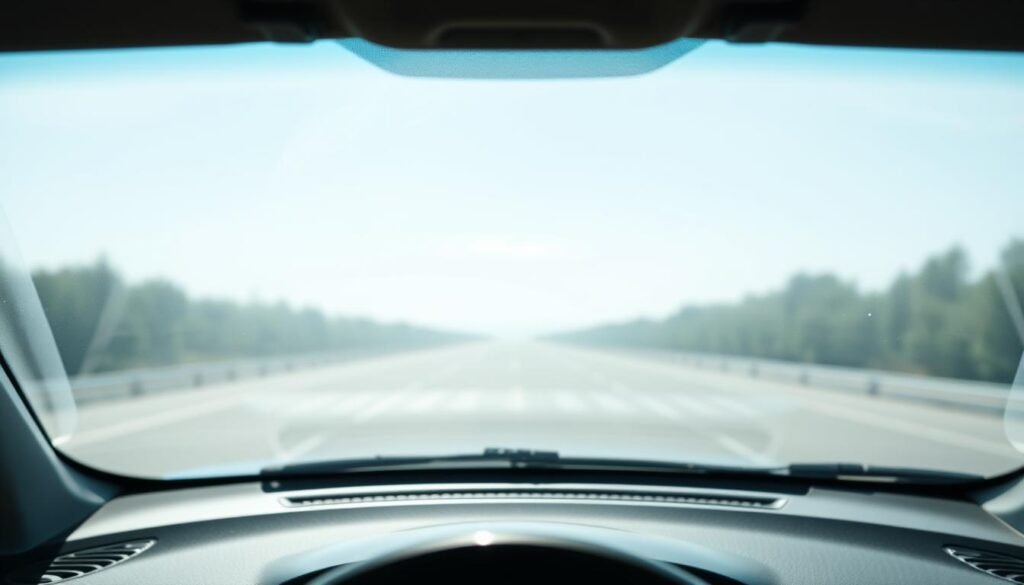
Surprising fact: I learned that a small film on the interior can double glare on night drives and cut reaction time on the road.
I’ll show my exact way to get streak-free glass using only a few tools. I use two waffle-weave microfiber towels, an ammonia-free, tint-safe spray, and rubbing alcohol for stubborn film. I always start with the exterior so leftover marks point straight back at me.
Timing matters: I work in cool shade and calm air so the product does not flash off and leave streaks. I spray the towel, never the dash, and wipe horizontal on the inside and vertical on the outside.
Result: a safer, clearer view and a finish that looks professional with minimal time and fuss. If you want a quick primer, check this short guide on the best method for how to clean inside of a.
Key Takeaways
- Start outside first so you can spot remaining marks on the inside.
- Work in cool shade and calm air to reduce streaking.
- Use two microfiber towels: one for wiping, one for buffing.
- Spray the towel, not the glass, to protect the dashboard.
- Wipe horizontal inside and vertical outside to locate streaks fast.
- An ammonia-free cleaner keeps tint safe and holds a clear shine.
Why I Prioritize a Crystal-Clear Interior Windshield
A hazy interior pane steals clarity when I need it most, so I make the glass a priority.
What builds up: Interior glass attracts residue from off-gassing in plastics and vinyl, fingerprints, smoke, dust, and even sea salt in coastal areas. This oily film scatters light and raises glare at night and during low-angle sunlight.
Everyday culprits include pets’ noses, spilled snacks, and road dust that quietly layer on and reduce visibility.how-to-clean-a-backpack
- I skip shiny dashboard products because they evaporate and redeposit film on the glass.
- Clean interior windows help the defroster work better by limiting condensation cling.
- Regular, light cleaning stops grime from hardening and saves effort later.
| Cause | Effect on Vision | Quick Fix |
|---|---|---|
| Off-gassing (plastics, vinyl) | Oily film, increased glare | Degrease with alcohol, follow with glass cleaner |
| Fingerprints & dirt | Hazy reflections, halos around lights | Use microfiber and gentle passes |
| Dashboard product residue | Repeating haze despite cleaning | Stop using shiny products; choose matte cleaners |
Signs it’s time: halos around headlights or hazy reflections. For a short practical guide, see my inside windshield guide.
Set the Stage: Best Time, Place, and Prep Before I Start

Timing and location matter — they cut mistakes before I even touch the glass. I aim for early in the day or late in the day, when the air is cool and the sun is low. Mild sunlight keeps the cleaner wet just long enough to lift grime without flashing into streaks.how-to-clean-a-cuisinart-coffee-maker
Shade and calm weather are my go-tos. A garage or carport beats direct sun every time. Calm air prevents dust or pollen from settling on freshly cleaned windows.
Shade, cool temps, and calm weather
I pick a shaded spot so the product won’t evaporate too fast. If the day is breezy, I wait. That simple pause saves work and gives a clearer result.
Why I always clean the exterior first
I start outside with vertical passes on the windshield and other windshields. That shows me where any stubborn marks remain and speeds up the whole process.how-to-clean-a-dogs-ears
- I stage towels in advance—one for wiping, one for buffing—so I never reuse a damp cloth.
- I spray the cleaner onto my towel instead of the window to protect the dash and electronics.
- I keep a small caddy with supplies and crack the windows a bit for light ventilation when safe.
My Go-To Gear and Safe Cleaners for an Inside Windshield Clean
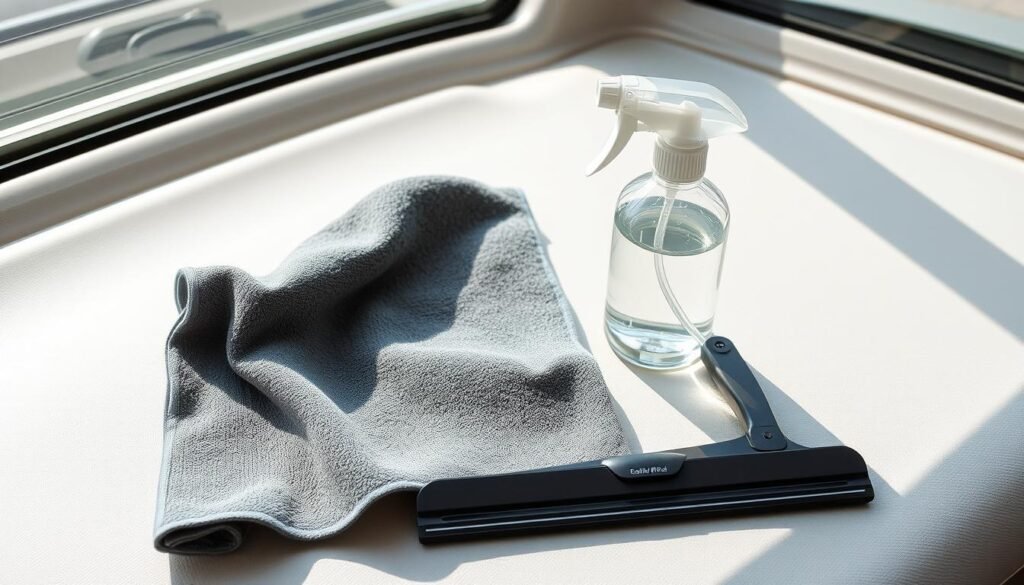
Good results start with the right gear—nothing fancy, just purpose-built items. I rely on a compact set that keeps the process quick and consistent. Having the right pieces stops mistakes before they show as streaks on the glass.
- I use two waffle weave microfiber towels—one for wiping and one for buffing. This two-towel method cuts streaks and limits lint.
- My glass cleaner is ammonia-free so tint and interior trim stay safe. I carry a small mist sprayer to wet the towel, not the dash.
- Rubbing alcohol handles greasy film well; I spot-degrease before a full pass. For quick mixes I use a 50/50 alcohol-and-water blend with a cap of vinegar, or a diluted mix with some glass cleaner.
- I avoid paper towels and newspapers; they shed and can scratch. I label glass-only cloths and consider nitrile gloves to keep hand oils off the windshield.
how to clean inside of a windshield: My Step-by-Step Method

My first move is to sit in the passenger seat; it gives me full range and steady pressure. That position keeps the wheel out of the way and lets me make even passes from corner to corner.
Positioning
I climb in, move the seat back slightly, and brace my forearm for steady pressure. This helps me reach the top corners without stretching.how-to-clean-a-down-comforter
Dry dusting
I start with a clean microfiber and dry dust the glass. This lifts loose dirt so liquid won’t grind grime into the surface.
Degrease first
I spot-degrease with rubbing alcohol where film builds up. Breaking the oily film makes the glass cleaner work faster and reduces passes.
Spray the towel, not the glass
I mist my towel, never the dashboard. This keeps overspray off trim and yields an even, controlled application when I wipe.
Pass pattern and finish
I wipe horizontally from the top down, overlapping each stroke. For stubborn grime I use light circular motion on a fresh section, then return to straight lines.
Final step: I switch to a fresh towel for a dry buff and then repeat the process from the driver’s side to confirm full coverage.
“I always check the glass from both inside and outside before I stow my towels.”
| Step | Action | Why it matters |
|---|---|---|
| Position | Sit passenger-side; brace arm | Better reach and steady pressure |
| Dust | Dry microfiber pass | Removes loose dirt that causes scratches |
| Degrease | Spot alcohol treatment | Breaks film for cleaner final passes |
| Finish | Fresh towel buff | Removes streaks and dries glass |
Pro Techniques I Use for a Truly Streak-Free Windshield

Small technique changes deliver a seriously streak-free final result. I rely on a few concrete habits that cut work and prevent repeating marks.how-to-clean-a-dryer
Two-towel approach
I use two waffle-weave microfiber towels: one for wiping the messy film and one for a dry buff. That simple split stops me from redepositing grime and gives a crisp finish on the glass.
Pass pattern: vertical outside, horizontal inside
I swipe vertically on the exterior and horizontally on the inside so any streaks point at the side that needs another pass. This quick trick saves guessing and extra work.
Pressure, pace, and towel care
I press lightly and move slowly. Let the towel and cleaner lift contaminants; avoid scrubbing hard or I risk new streaks.
I flip and fold my towels often and swap them when they look dirty or feel damp. Using textured microfiber gives bite on film while keeping the surface safe.how-to-clean-cricut-mat
Final checks in natural light
I step to different angles and inspect in sunlight when possible. Turning on interior lights or stepping outside helps me spot faint haze that hides at one viewpoint.
- Commit: two towels—wipe and buff—every time.
- Pattern: vertical outside, horizontal inside for instant diagnosis of streaks.
- Care: light pressure, slow passes, flip towels often.
- Verify: check from multiple angles in natural light for truly clean glass.
“A consistent routine beats extra elbow grease; the results show in bright sun.”
Fixing Streaks, Smears, and Persistent Residue

A quick diagnosis saves time. A fast check from both the passenger and driver side tells me whether marks come from the exterior or the inside.how-to-clean-leather-purse
Identifying which side the streaks are on
I match the line direction to where I worked: vertical streaks usually point at the exterior; horizontal lines mean the interior needs another pass.
This rule helps me avoid extra scrubbing and narrows my fixes fast.
Spot-treating stubborn grime with circular motions and alcohol
For persistent residue I apply a small amount of glass cleaner to a clean section of my cloth and rub in gentle circles. That breaks down the grimy film without spreading it.
I follow circular motion with straight, overlapping passes to finish cleanly and remove swirl patterns.
- I degrease heavy, oily spots with rubbing alcohol, then return to my glass cleaner for the final wipe.
- I avoid paper towels because they shed and can leave lint or micro-scratches that catch light.
- When a cloth feels damp or looks dirty, I swap it so I’m not reapplying dirt.
- Use minimal spray—just enough to wet the working section and prevent drips that make new streaks.
“Check edges, mirror mounts, and corners; stubborn residue often hides there.”
I confirm the result by viewing the glass from both sides and at an angle. That makes sure the windshield is truly clear and glare-free.
Keep My Inside Windshield Clean Longer

Little daily habits make the biggest difference in preventing film buildup on my car’s glass. I focus on easy moves that stop oily residue before it sets and cuts deep-clean sessions down to rare maintenance.how-to-clean-burnt-stainless-steel-pan
Understanding off-gassing and dashboard product residue
Interior plastics and vinyl slowly release vapors that leave an oily film on glass. Shiny dashboard dressings speed that redeposit and worsen glare on the road.
My rule: avoid glossy dressings when possible and pick low-residue products if UV protection is needed.
Smart habits: shaded parking, ventilation, and regular quick wipes
I park in shade or a garage to keep heat low and slow off-gassing. On mild days I crack the windows briefly to vent trapped vapors.
I keep a dedicated glass towel in the glove box for quick wipes that take seconds each day. I never use paper towels for maintenance because they shed lint and can mar the surface.
- I wipe edges and corners—hazy bands start there.
- I schedule a light refresh every couple of weeks, adjusting for humidity and dusty roads.
- I watch glass in sunlight; halos around reflections mean it’s time for a fast once-over.
“Consistent, small steps save time and keep windshields visibly clearer between deep cleans.”
Conclusion
, My closing tip: a short, consistent routine keeps the view sharp and glare-free. Follow the main steps: exterior first, then the interior pass with steady, overlapping wipes.
Use two waffle-weave towels—one to wipe and one for a dry buff—pairing them with an ammonia-free cleaner and a small alcohol spot treat. I spray the towel, not the dash, and I sit passenger-side for steady reach.how-to-clean-inside-of-a-windshield
I finish by checking from both sides in natural light and scheduling quick maintenance wipes. For a compact reference on an inside windshield clean, see this practical guide: inside windshield clean guide.