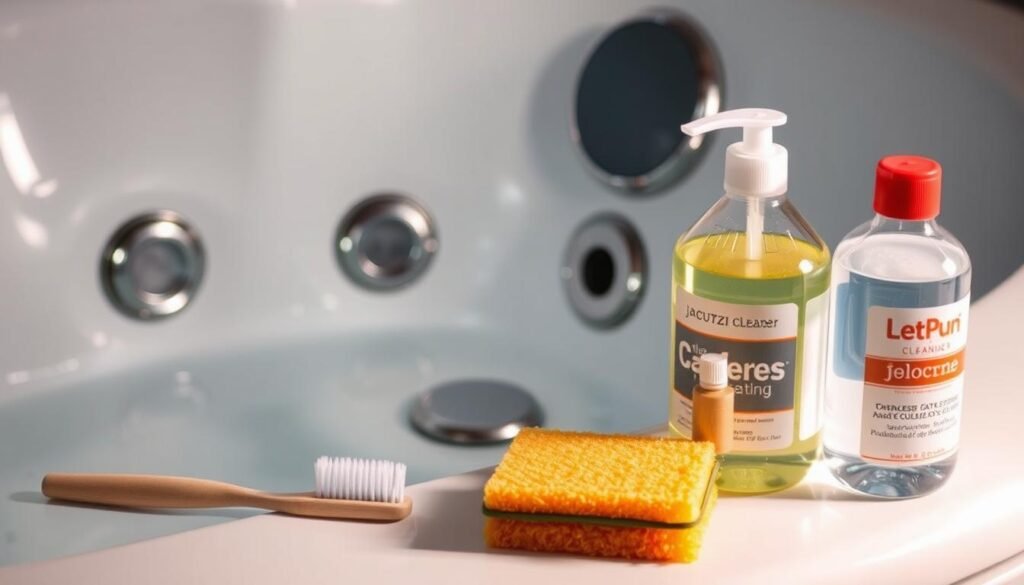
Nearly 60% of jetted tubs harbor bacteria or mold in their internal lines if left unchecked — a surprising risk for any relaxing soak.
I keep my tub inviting by flushing and deep-cleaning regularly. I follow simple steps that protect plumbing and reduce stubborn buildup. Experts recommend monthly deep cleans for frequent use, and quick rinses after each soak help a lot.
My routine uses white vinegar, mild dish detergent, baking soda, a toothbrush, and microfiber cloths. I make sure the water covers the jets by at least two inches during a cleaning cycle, and I check the manual before adjusting air-induction valves.
I also run a short hot-water hold after baths to cut residue recirculation. When a cycle shows gunk, I repeat it rather than skip steps. For a full, trusted walkthrough, I reference this quick guide that matches my method.
Key Takeaways
- Run an initial flush with water covering the jets by at least two inches.
- Use household agents like white vinegar and mild detergent safely.
- Deep-clean monthly; rinse briefly after each bath to cut buildup.
- Close air-induction valves when recommended by your manual.
- Finish with a microfiber dry to prevent spots and odors.
Why I Prioritize Clean Jacuzzi Jets for a Healthier, More Relaxing Soak
Routine attention prevents the hidden plumbing from returning grime during a soak. I focus on small, steady steps so the tub stays inviting and safe for my family at home.how-to-clean-apple-watch-band
I know regular use deposits oils, soap and skin cells on surfaces and inside jets. Left unchecked, that buildup can become mold or black specks that float in the water during a bath.
Experts suggest a quick rinse every two weeks and a full deep clean monthly when a jetted tub gets frequent use. I also close air valves per the manual when needed so the cleaning solution targets internal lines.
- Prevention: short post-bath routines cut residue recirculation.
- Comfort: a clean system runs quieter and smells fresher.
- Confidence: watching for dark specks or odors tells me when to act.
| Frequency | Action | Benefit |
|---|---|---|
| After each bath | Run short hot-water hold and wipe tub | Reduces residue that enters jets |
| Every 2 weeks | Quick rinse cycle | Prevents light buildup and odors |
| Monthly | Deep cleaning cycle with vinegar-friendly solution | Clears hidden grime and protects plumbing |
What I Use and Prep Before I Start
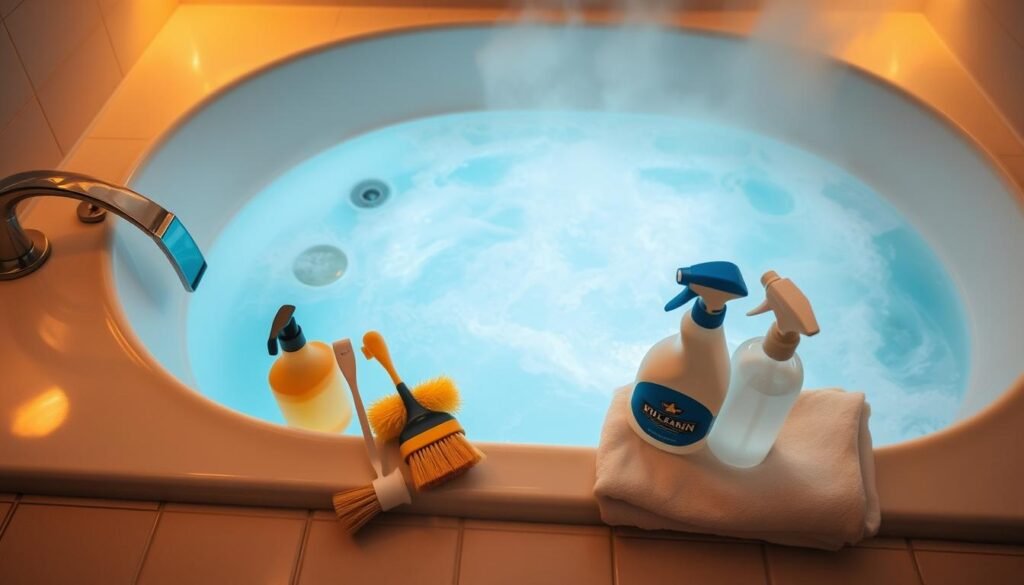
Before I start, I lay out every supply so the job moves quickly and without surprises. This saves me time and keeps the process safe for everyone in the house.how-to-clean-vomit-from-carpet
My simple supply list includes hot water access, white vinegar, mild dish soap, baking soda, microfiber cloths, and a toothbrush or soft brush. I keep a general-purpose cleaner nearby for spot treatments that my tub manual allows.
Safety and setup are key. I check the manual and make sure whether air-induction valves should be open or closed and which products the manufacturer approves. That step protects finishes and plumbing.
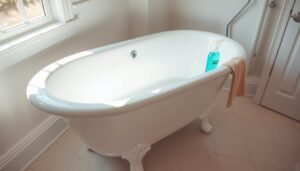
- I fill the tub so water sits about 2 inches above the jets; that level lets the system circulate water without drawing air.
- I aim for tub hot water near 120°F — comfortably hot for loosening oils but not damaging for most fixtures.
- I portion vinegar and soap carefully; too much soap makes extra suds that take extra minutes to rinse from a bathtub.
- I keep a toothbrush for trims and a soft brush for broader areas, plus a microfiber for the final dry pass.
How to Clean Jacuzzi Jets in Bathtub
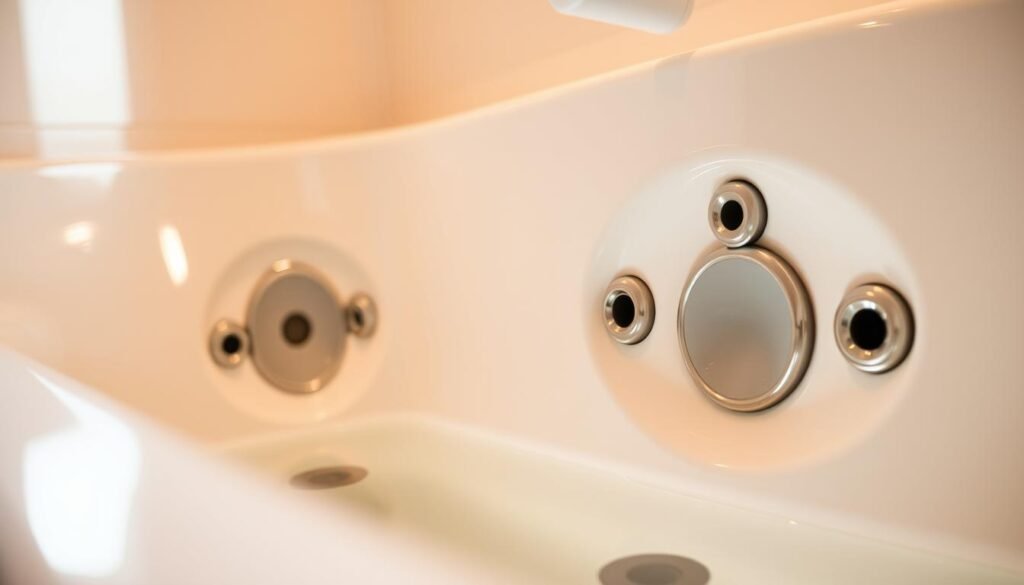
I start every maintenance session with a water-only flush so loose grit leaves the system first. I fill tub so water sits about 2 inches above the jet openings and run the system for roughly ten minutes. That purge removes floating debris and prevents abrasive scrubbing later.
Deep clean cycle
Next I refill with hot water and add a small measured dose of mild dish soap plus 2 cups white vinegar. If my manual allows, I close air valves so the solution pushes through internal tubing more directly. I then run the jets for 15–20 minutes to dissolve oils and buildup.how-to-clean-a-speaker-on-an-iphone
Drain and scrub
After I drain water, I make a paste from baking soda and a little water with a touch of soap. I use a toothbrush in circular strokes around each jet and fixture ring. This removes stubborn film without harsh chemicals.
Final rinse cycle and finish
I rinse with warm water, refill above the jets, and run the system 10–15 minutes with valves open to flush remaining solution. If debris remains, I repeat the water-only cycle until clear. Then I drain tub completely and wipe surfaces dry with a microfiber towel so spots and streaks don’t form.
Tip: I never combine vinegar and baking soda during circulation; they cancel each other and reduce effectiveness.
Want a trusted walkthrough? See this brief clean jetted tub guide for extra details: clean jetted tub guide.
Extra Care: Filters, Jet Faces, and Hard-to-Reach Areas
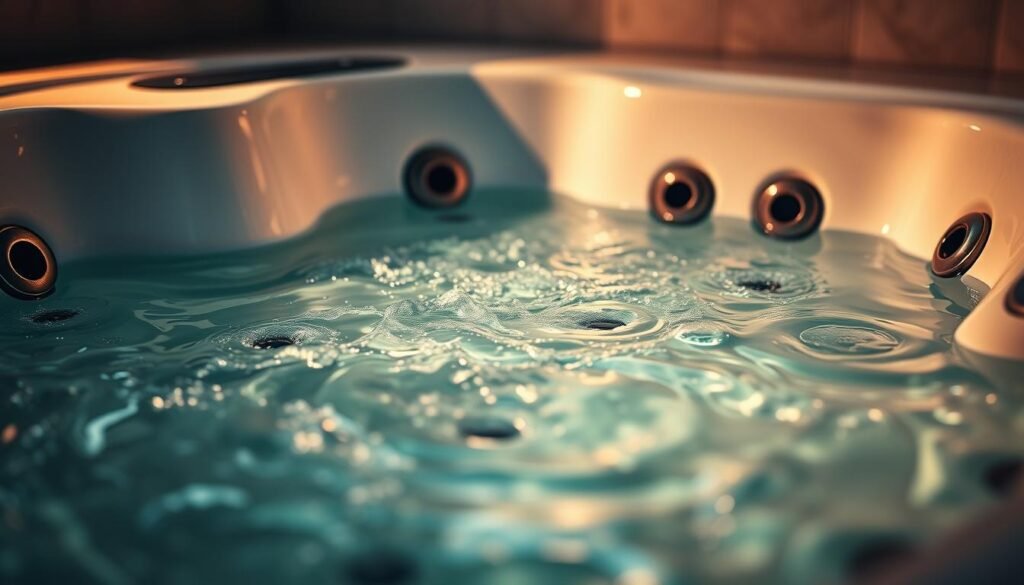
Tackling filters and tight crevices makes a big difference when I want my tub to perform like new. Small parts trap oils and soap films, so I treat them with patient detail work.
Filter attention: I pop out the filter and rinse it under running water. When it looks grimy, I soak it in hot, soapy water for 30 minutes up to overnight, then rinse and reinstall.how-to-clean-mass-air-flow-sensor
Detailing nozzles: I use a toothbrush and a soft brush around the jet faces and trim to lift trapped residue. A baking soda paste works well in tight corners without harming finishes.
I also check the filter housing and fittings, wiping away loosened debris before reassembly. After everything is back, I watch how water flows from each jet; uneven streams mean another pass is needed.
| Part | Action | Approximate time |
|---|---|---|
| Filter | Rinse, soak in hot, soapy water, rinse | 30 min–overnight |
| Jet faces & trim | Scrub with toothbrush and baking soda paste | 10–20 minutes |
| Housing & fittings | Wipe debris, recheck flow | 5–10 minutes |
- I choose specialty cleaner products when needed and follow label dosing.
- I leave enough time for this step; it keeps tubs fresh and limits future work.
Maintenance That Keeps My Jetted Tub Fresh
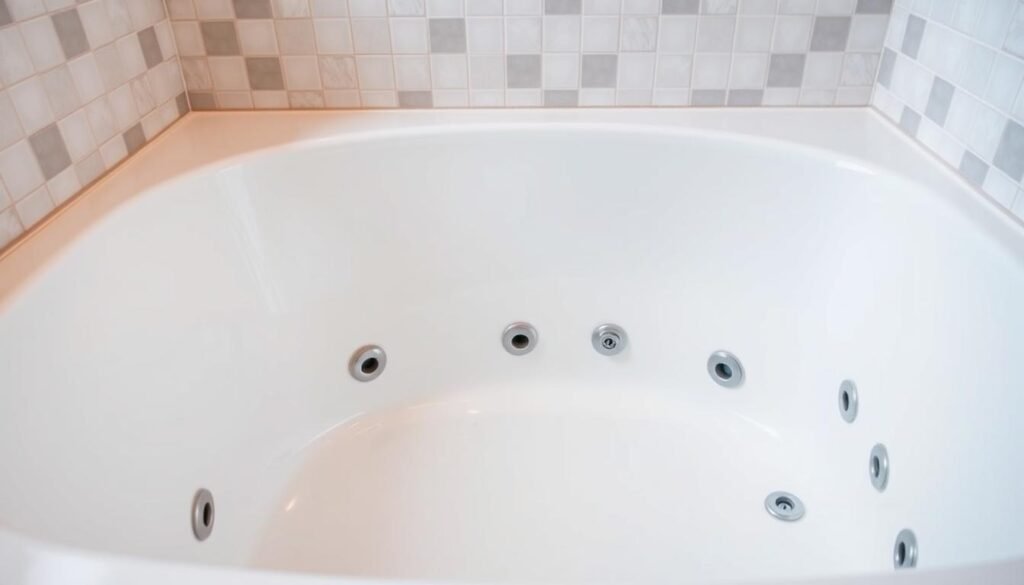
A simple post-bath routine has saved me time and kept my tub looking new. Small habits make a big difference in how often I need an intensive session.
After each bath
I fill the tub with hot water and let it sit for about 10 minutes. This loosens film inside the lines.
Then I drain water and wipe the shell with a soft microfiber. Sometimes I use a cloth dampened with a mix of rubbing alcohol and vinegar for a quick shine.
Monthly or biweekly rhythm
When I use the tub often, I run a quick rinse every two weeks and a full deep cycle once a month. That rhythm keeps black gunk and odors at bay.
Over the year this schedule has cut down major scrubbing and helped my bathroom feel fresher.
Smart product use
I minimize heavy bath oils and pick water-soluble bath additives. I also keep specialty jet cleaners on hand and follow label dosing exactly.
Make sure to watch jet pressure; a dip means run a rinse now, not later. Small, steady care saves time and keeps the tub jets working well at home.
What to Use (and Avoid): Vinegar, Bleach, and Specialty Cleaners
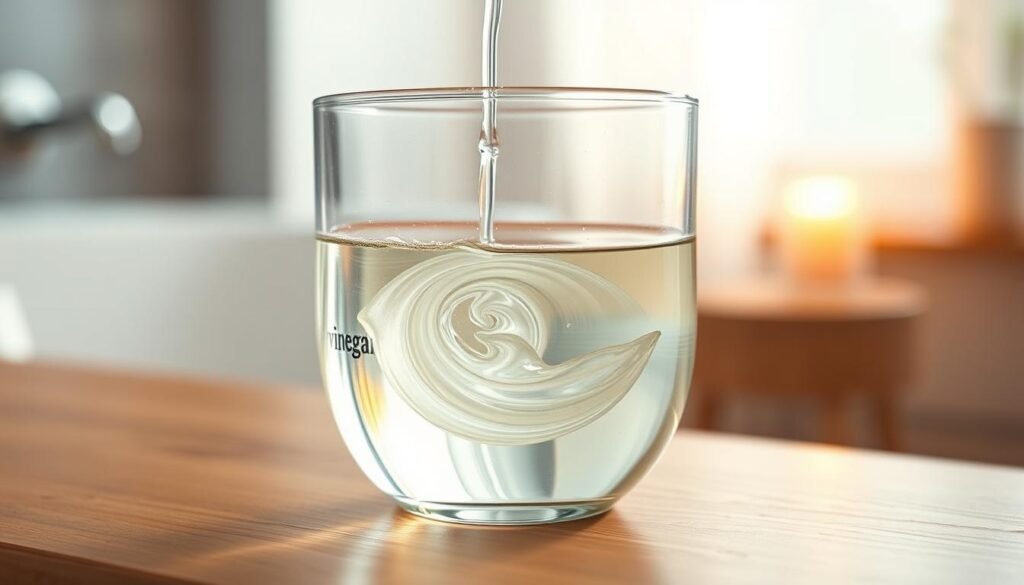
I start with gentle products and only move to stronger options when needed. That way I protect seals, pumps, and trim while solving odors or buildup.
Vinegar and dish soap for routine care
A simple vinegar and mild dish soap solution works well for most tubs. I use two cups white vinegar plus a small dash of soap in a hot-water cycle to loosen oils without harming parts.
Bleach: proceed with caution
Some homeowners add a half cup of chlorine bleach as a disinfectant. I only consider bleach when the manufacturer allows it and when odors persist.
If I use bleach, I measure carefully, run an extra water-only cycle afterward, and avoid frequent repeats. Bleach can damage internal fittings and leave residues if overused.
Specialty cleaners and best practice
There are purpose-made cleaners like Oh Yuck! and Ahh-some for jetted tubs. I follow package dosing and contact time exactly.
My rule: gentle first, targeted second. When a specialty cleaner is needed, it usually fixes stubborn smells faster and with less guesswork than mixing household items.
| Product type | Best for | Note |
|---|---|---|
| Vinegar + soap | Routine oil removal | Gentle on parts |
| Chlorine bleach | Deep disinfection | Use rarely and only if allowed |
| Specialty cleaners | Persistent odors & plumbing grime | Follow label dosing |
I never pair vinegar and baking soda during an active circulation because that reaction neutralizes cleaning power. Check the manual first; correct product use keeps warranties intact and the bathroom safer for everyone.
Conclusion
,
A short checklist at the end of each soak saves me time and worry later. I follow a simple sequence: flush, run a hot-water deep cycle with mild detergent and vinegar, scrub with a baking soda paste, rinse, and dry.
I make sure water covers the jet faces during cycles and I check the manual before switching valves. When I spot early buildup I run an extra rinse and drain tub again so the system clears fully.
Monthly deep work keeps the jetted tub and the bathtub smelling fresh. Small after-bath habits mean fewer long sessions and a friendlier bathroom at home. A clean jetted tub really does pay off in performance and peace of mind.