Keeping your car running well is key, and a clean MAF sensor is essential. A dirty MAF sensor can hurt your car’s performance and how much fuel it uses.
I’ll show you how to clean your MAF sensor in 5 simple steps. By doing this, you can make your car run better and save on fuel.
Key Takeaways
- Understand the importance of a clean MAF sensor for engine performance.
- Learn the 5 easy steps to clean your MAF sensor.
- Improve your vehicle’s fuel efficiency with a clean MAF sensor.
- Simple maintenance tasks can significantly impact your vehicle’s overall health.
- Follow a straightforward guide to cleaning your MAF sensor at home.
What is a MAF Sensor and Its Role in Your Vehicle?
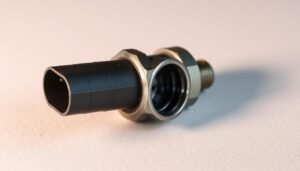
The Mass Air Flow (MAF) sensor is a key part in modern cars. It measures the air going into the engine. This helps the engine control unit (ECU) figure out how much fuel to add.
Understanding MAF Sensor Functionality
The MAF sensor sits between the air filter and the engine’s intake. It uses a hot wire or film to check the air flow. This info goes to the ECU, which then adjusts the fuel to keep the air-fuel mix right.
A clean MAF sensor is vital for accurate air flow measurement. If it’s dirty or broken, it can mess up the air-fuel mix. This can make your engine run poorly.how-to-clean-suede-shoes
Importance of a Clean MAF Sensor
Keeping the MAF sensor clean is key for your engine’s best performance and fuel use. A dirty sensor can cause problems like bad fuel efficiency, rough idling, and even stalling. Cleaning it regularly helps your car run smoothly.
Experts say, “A well-maintained MAF sensor is essential for your engine’s best performance and fuel use.” For more on replacing a MAF sensor, check out this link.
Signs Your MAF Sensor Needs Cleaning
Are you having trouble with your car’s acceleration or idling? It might be because your MAF sensor is dirty. A dirty MAF sensor can lead to many problems that affect how well your car runs.
Common Symptoms of a Dirty MAF Sensor
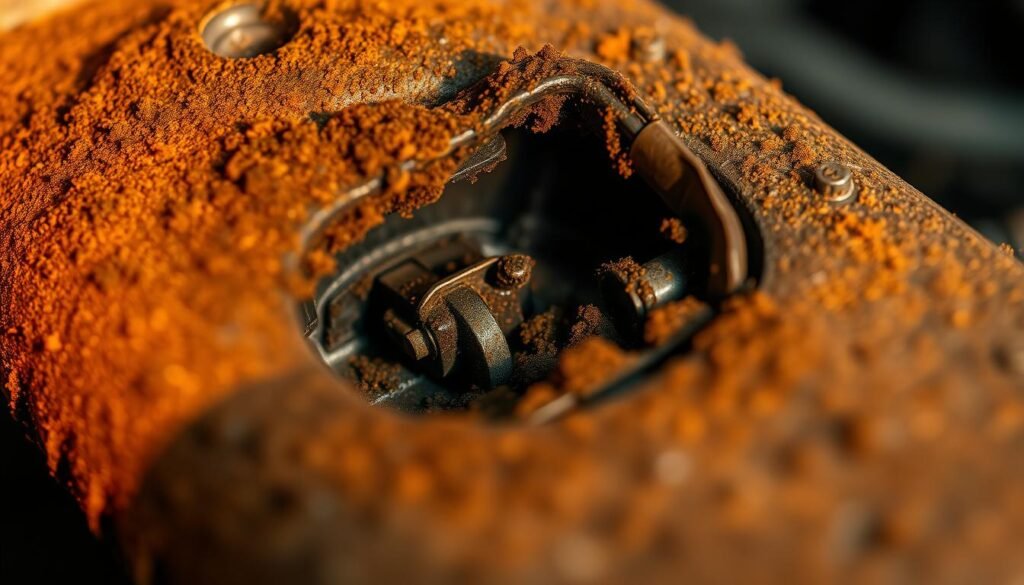
A dirty MAF sensor can show itself in different ways. You might find that your car doesn’t accelerate as well as it used to. Or, you could notice that your car is using more fuel than it should.
Also, if your car makes strange noises like hesitation or stuttering, it’s a sign. For example, if your car hesitates before moving, it might mean the MAF sensor is dirty.how-to-clean-washing-machine
Impact on Engine Performance
The MAF sensor is key to your car’s engine working right. When it’s dirty, it can’t measure air flow correctly. This leads to a bad air-fuel mix, causing your engine to lose power, idle roughly, or even stall.
Cleaning the MAF sensor can fix these problems and get your engine running smoothly again. For tips on how to clean and care for your MAF sensor, check out this resource.
| Symptom | Cause | Solution |
|---|---|---|
| Decreased Engine Performance | Dirty MAF Sensor | Clean MAF Sensor |
| Poor Fuel Efficiency | Dirty MAF Sensor | Clean MAF Sensor |
| Unusual Engine Noises | Dirty MAF Sensor | Clean MAF Sensor |
Tools You’ll Need for Cleaning Your MAF Sensor

To clean your MAF sensor right, you need the right cleaning supplies and safety gear.
Essential Cleaning Supplies
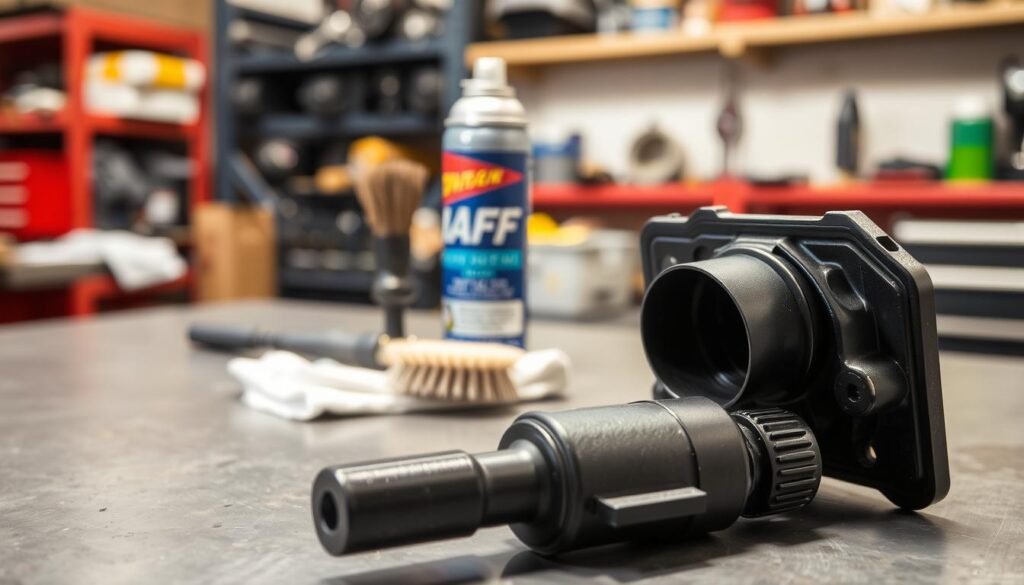
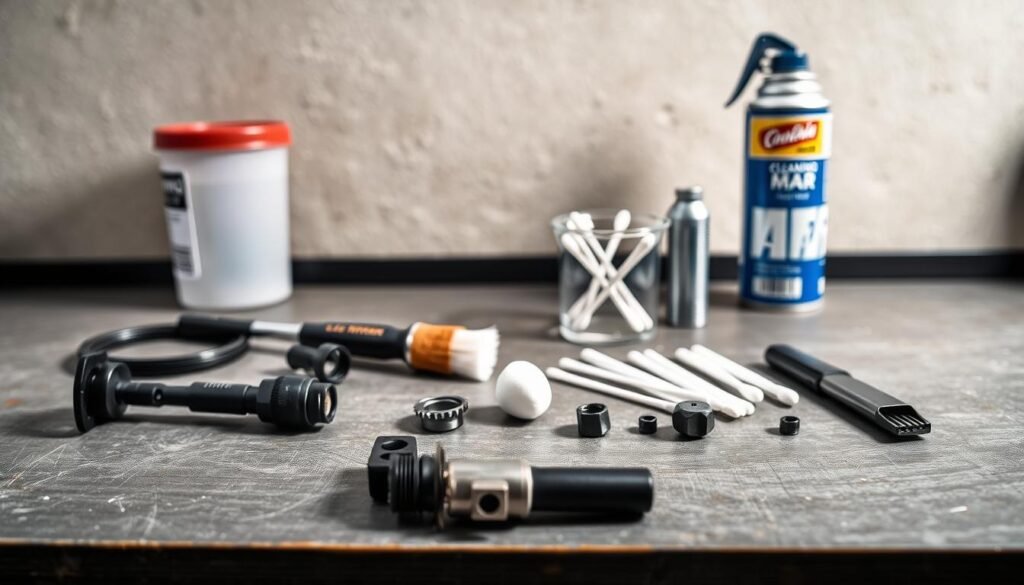
For cleaning your MAF sensor, the right tools are key. You’ll need a soft-bristled brush to gently sweep away debris. Also, a cleaning solution made for electronics is a must.
For more tips on cleaning and keeping your MAF sensor in top shape, check out this resource.
Recommended Safety Gear
When working with electronics and cleaning solutions, safety comes first. Wear protective gloves to avoid skin irritation. Also, safety glasses will protect your eyes from splashes.
With the right cleaning supplies and safety gear, you’re ready to clean your MAF sensor safely and effectively.
Step-by-Step Guide to Cleaning a MAF Sensor
To keep your vehicle running smoothly, it’s essential to know how to clean your MAF sensor effectively. Cleaning your MAF sensor is a simple process. It can significantly improve your vehicle’s performance and fuel efficiency.how-to-clean-a-cast-iron-skillet
Step 1: Preparation and Safety Measures
Before you start, make sure you have the necessary tools and safety gear. You’ll need a clean cloth, a can of MAF sensor cleaner, and a pair of gloves. Ensure your vehicle is turned off and the keys are removed from the ignition.
Safety first: Wear gloves to protect your hands from the cleaner and any sharp edges. Make sure the area is well-ventilated to avoid inhaling the fumes from the cleaner.
Step 2: Locating the MAF Sensor
The MAF sensor is typically located between the air filter and the engine. Consult your vehicle’s manual or look for it in the intake system. It’s usually held in place by clamps or screws.
Tip: If you’re having trouble finding it, check online diagrams specific to your vehicle’s make and model.
Step 3: Removing the MAF Sensor
Gently disconnect the electrical connector from the MAF sensor. Then, remove any clamps or screws holding it in place. Carefully pull the sensor out of its housing.
Be cautious: The MAF sensor is delicate, so handle it carefully to avoid damaging it.
Step 4: Cleaning the Sensor
Spray the MAF sensor cleaner onto the sensor’s elements. Let it sit for a few minutes to allow the cleaner to evaporate. Use a clean, dry cloth to gently wipe away any remaining dirt or debris.
Here’s a summary of the cleaning process in a table format:
| Step | Description | Tools Needed |
|---|---|---|
| 1 | Preparation and Safety | Gloves, MAF sensor cleaner |
| 2 | Locate MAF Sensor | Vehicle manual |
| 3 | Remove MAF Sensor | Screwdriver, clamps |
| 4 | Clean the Sensor | MAF sensor cleaner, clean cloth |
By following these steps, you can effectively clean your MAF sensor and improve your vehicle’s performance.
Tips for Maintaining Your MAF Sensor

Keeping your MAF sensor in good shape is vital for your engine’s health. “Regular maintenance is the backbone of a healthy engine,” as it prevents issues that could lead to costly repairs down the line.
Regular Inspection Practices
It’s important to regularly check your MAF sensor for any problems. I suggest inspecting it every 12,000 to 15,000 miles, or as your vehicle’s manual advises.how-to-clean-brass
- Locate the MAF sensor in your vehicle, usually between the air filter and the engine.
- Check for any visible signs of damage or wear.
- Use a soft brush or compressed air to gently remove any debris.
Best Practices for Engine Care
Along with MAF sensor maintenance, there are other engine care tips. Make sure you use the right air filter for your vehicle, as your owner’s manual will tell you.
Another key part of engine care is watching your vehicle’s fuel efficiency and performance. If your fuel efficiency drops or your engine idles roughly, it might mean your MAF sensor is dirty or faulty.
As Jeffrey L. Smith, a renowned automotive expert, notes, “A clean MAF sensor is essential for optimal engine performance and fuel efficiency.” By following these tips and staying proactive, you can keep your MAF sensor in top condition and ensure your vehicle runs smoothly for years to come.
Potential Risks of Not Cleaning Your MAF Sensor
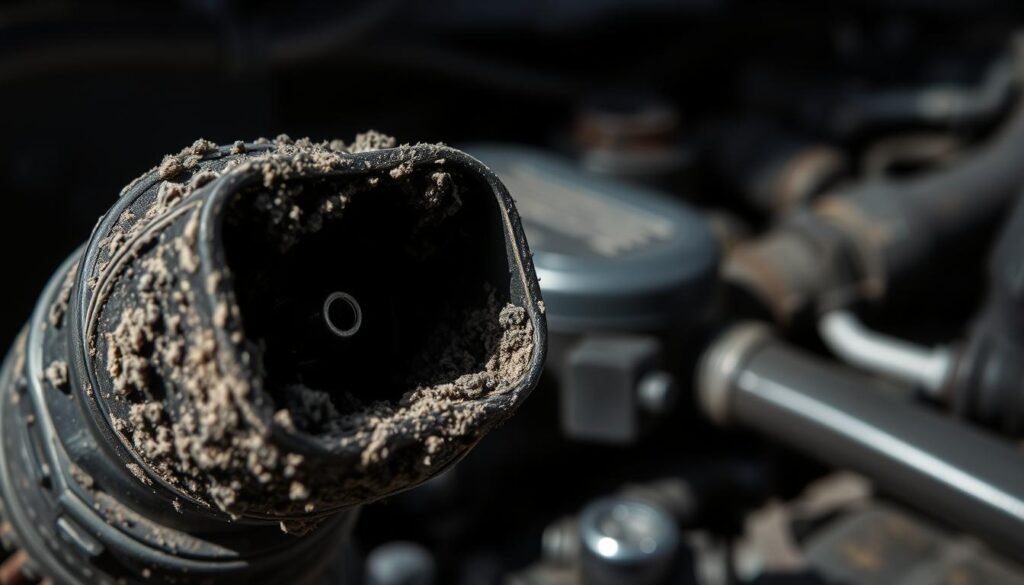
Not cleaning your MAF sensor can harm your engine’s health. A dirty MAF sensor can cause many problems. These issues can affect your car’s performance and lifespan.
Consequences of Ignoring a Dirty Sensor
A dirty MAF sensor can make your engine run too rich or too lean. This leads to poor fuel efficiency and more emissions. Your car might fail emissions tests, causing fines and expensive repairs.
Also, a dirty sensor can make your engine hesitate or stall, which is risky, mainly on highways.
Some of the immediate consequences include:
- Reduced engine performance
- Increased fuel consumption
- Higher emissions
- Engine hesitation or stalling
Long-Term Engine Damage
Ignoring a dirty MAF sensor can damage your engine over time. Running too rich can cause carbon buildup, while running too lean can lead to overheating. This can harm your engine’s cylinders or pistons.how-to-clean-garbage-disposal
Experts say that a dirty MAF sensor can lead to expensive problems if not fixed quickly.
Keeping your MAF sensor clean is very important. Regular cleaning can prevent these issues. It ensures your engine runs well and efficiently.
To avoid these risks, clean your MAF sensor regularly. This simple task can save you from expensive repairs later. It also keeps your vehicle running smoothly.
When to Seek Professional Help

Dealing with MAF sensor problems can be tricky. Cleaning the sensor might fix some issues, but complex problems need a pro’s touch.
Identifying Complex MAF Sensor Issues
Some MAF sensor problems are hard to spot. If your engine still doesn’t run right after cleaning the sensor, it’s time to call a mechanic. Look out for these signs:
- Continued poor engine performance after cleaning the MAF sensor
- Unusual or unexplained error codes related to the MAF sensor
- Physical damage to the MAF sensor or its wiring
Table: Signs That Indicate the Need for Professional Help
| Symptom | Description | Possible Cause |
|---|---|---|
| Poor Engine Performance | Engine runs rough, hesitates, or lacks power | Dirty or faulty MAF sensor, wiring issues |
| Unexplained Error Codes | MAF sensor-related error codes persist after cleaning | Internal sensor damage, software issues |
| Physical Damage | Visible damage to the MAF sensor or its wiring | Accidental damage during maintenance or accidents |
Finding a Qualified Mechanic
Finding a good mechanic for MAF sensor problems is key. Here’s how to find one:
- Check for certifications: Look for mechanics certified by reputable organizations.
- Read reviews: Online reviews can provide insights into a mechanic’s quality of work.
- Ask for referrals: Recommendations from friends or family can be invaluable.
Spotting complex MAF sensor issues early and getting help from a skilled mechanic can save your engine. It ensures your vehicle runs well.how-to-clean-your-phone-from-virus-for-free
FAQs About MAF Sensor Cleaning
Keeping your vehicle’s MAF sensor clean is important. You might wonder how often and how to do it. Knowing the right cleaning frequency and methods helps your engine run better.
Cleaning Frequency
How often to clean your MAF sensor depends on several things. This includes your driving habits and how many miles you’ve driven. Usually, cleaning it every 50,000 to 100,000 miles is a good rule. For more tips on cleaning your mass air flow sensor, check out Innova’s guide.
Alternative Cleaning Methods
While there are special cleaners for MAF sensors, you can also use some alternatives. But be careful not to use harsh chemicals or rough materials. They could harm the sensor. Instead, use a soft air intake cleaner or a MAF sensor cleaning solution. This way, you protect the sensor’s sensitive parts.