As a car owner, keeping your vehicle’s engine performance top-notch is key for a smooth ride. The MAF sensor is a crucial part of this. A dirty MAF sensor can hurt your engine’s performance and fuel use. Here, I’ll share why cleaning your MAF sensor is important and give you easy tips to do it right.
Keeping your MAF sensor in good shape is essential. Forums like TDIC Club show that cleaning it can boost your engine’s performance. I’ll explain the benefits and how to clean your MAF sensor.
Key Takeaways
- Cleaning the MAF sensor improves engine performance.
- A dirty MAF sensor can decrease fuel efficiency.
- Proper maintenance is crucial for optimal engine function.
- Cleaning the MAF sensor is a simple process with significant benefits.
- Regular checks can help prevent issues related to the MAF sensor.
What is a Mass Air Flow Sensor?
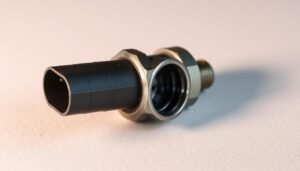
The Mass Air Flow sensor is at the center of your car’s engine management system. It measures the air that goes into the engine. This info helps the engine computer figure out how much fuel to add, making sure the engine runs well and uses fuel efficiently.
Understanding Its Function
The MAF sensor sits between the air filter and the engine’s intake. It uses a heated wire or film to track the air flow. As air moves past, it cools the sensor, and it measures this cooling to find out how much air is coming in. This info goes to the engine control unit (ECU), which then adjusts the fuel injection.
Importance in Engine Performance
The MAF sensor is key to keeping your engine running smoothly. It gives the ECU the air flow data it needs to mix air and fuel just right. If the MAF sensor is dirty or not working right, your engine might not run as well, use more fuel, and could even get damaged. So, keeping the MAF sensor clean and working is very important for your car’s performance and fuel use.
In short, the Mass Air Flow sensor is a crucial part of your car’s engine. It affects how well your engine performs and how much fuel it uses. Knowing how it works and why it’s important helps you see why keeping it in good shape is so vital.how-to-clear-check-engine-light
Signs Your Mass Air Flow Sensor Needs Cleaning
A dirty MAF sensor can make your car use more fuel. This is because the engine gets the wrong air-fuel mix. This leads to poor performance and more fuel use.
There are clear signs that your MAF sensor needs cleaning. Knowing these signs can help fix the problem early.how-to-clean-stainless-steel-sink
Reduced Fuel Efficiency
A dirty MAF sensor can make your engine run too rich or lean. This messes up the air-fuel mix. You might find yourself needing to fill up more often, which is expensive and inconvenient.
If your car’s fuel economy gets worse, it could be the MAF sensor. Cleaning it can fix this. For more info on cleaning your MAF sensor, check out this guide on MAF sensor cleaning.
Rough Idling and Stalling
A dirty MAF sensor can also cause your car to idle roughly or stall. This is often when you’re stopping. It’s a clear sign that something’s wrong.
The table below shows common signs of a dirty MAF sensor:
| Symptom | Description |
|---|---|
| Reduced Fuel Efficiency | Decreased miles per gallon due to incorrect air-fuel mixture. |
| Rough Idling | Engine idles unevenly or roughly, often accompanied by vibrations. |
| Stalling | Engine stalls or shuts off unexpectedly, specially when idling. |
By spotting these signs early and acting fast, you can keep your car running well. This can save you from expensive repairs later.
Essential Tools for Cleaning the Sensor
To clean your MAF sensor right, you’ll need some key tools and the right cleaning solution. The MAF sensor is very delicate. Using the wrong cleaning materials can harm it, causing bigger engine problems.how-to-clean-weighted-blanket
Cleaning Solution Options
Choosing the right cleaning solution for your MAF sensor is very important. A specialized MAF sensor cleaning solution is best. It’s made to clean the sensor without leaving any harmful residue. You can find these solutions at auto parts stores or online. For more tips on cleaning and fixing MAF sensors, check out ShopMonkey’s guide.
Don’t use household cleaners, brake cleaners, or harsh chemicals. They can damage the sensor’s sensitive parts. If you’re not sure what cleaning solution to use, look in your vehicle’s repair manual. Or, ask a professional mechanic for help.
Tools You’ll Need
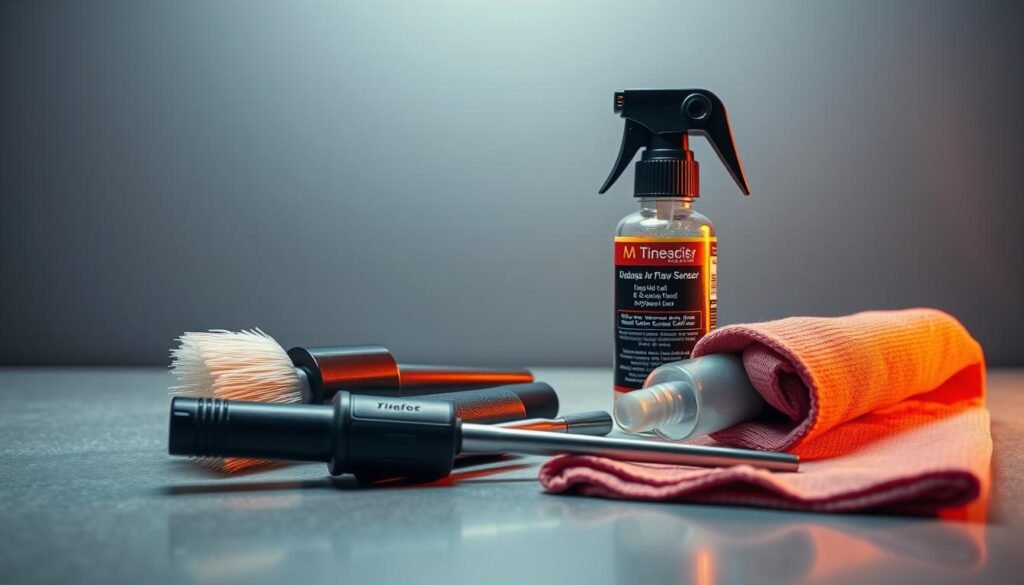
Along with the right cleaning solution, you’ll need some basic tools. These include:
- A soft-bristled brush to gently remove debris from the sensor.
- A clean, dry cloth for drying the sensor after cleaning.
- A screwdriver (if needed) to take the sensor out of its housing.
It’s crucial to handle the MAF sensor with care. By using the right tools and cleaning solution, you can clean it well without damaging it.
Step-by-Step Guide to Clean Your MAF Sensor
Cleaning your Mass Air Flow (MAF) sensor is key to better car performance and fuel use. Before you start, make sure you’re ready and safe. This way, you won’t harm the sensor or other parts.
Preparation and Safety Precautions
To clean safely and well, do these things:
- Turn off the engine and let it cool down completely.
- Disconnect the negative battery cable to prevent any accidental engine starts.
- Locate the MAF sensor, usually found between the air filter and the engine.
- Consult your vehicle’s repair manual for specific instructions on how to remove the sensor.
Wear gloves and safety glasses to protect yourself from chemicals or debris.
Cleaning Process Explained
With your area ready and safety gear on, start cleaning:
- Remove the MAF sensor: Gently disconnect the electrical connector and remove any screws or clips holding the sensor in place.
- Inspect the sensor: Check for any visible debris or contamination on the sensor’s surface.
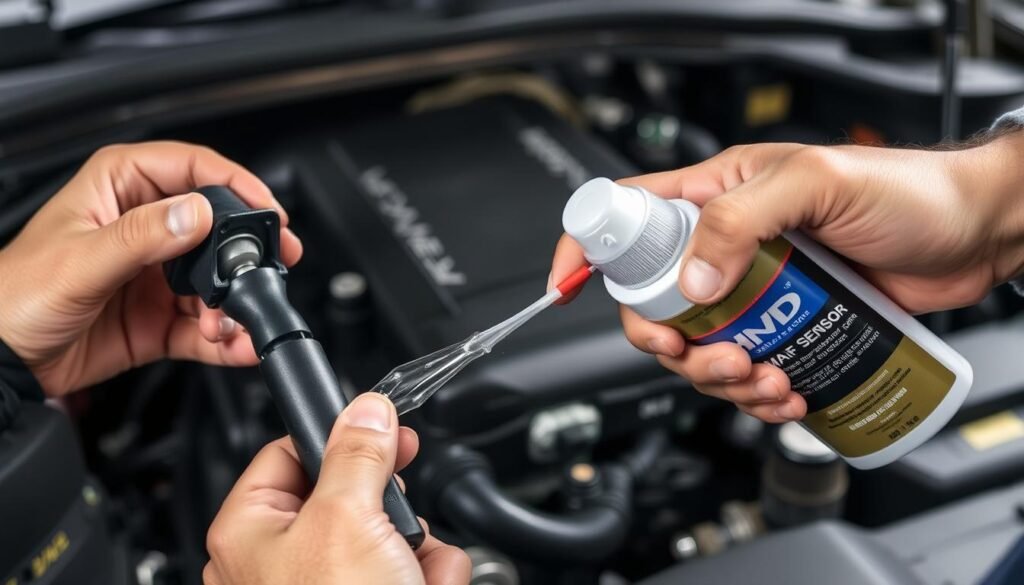
- Apply a cleaning solution: Use a specialized MAF sensor cleaning spray, available at most auto parts stores. Spray the solution onto the sensor’s surface, avoiding any surrounding components.
- Gently clean the sensor: Use a soft-bristled brush or a cotton swab to gently remove any debris or contamination. Avoid using harsh chemicals, abrasive materials, or high-pressure washes, as these can damage the sensor.
- Allow the sensor to dry: Let the sensor air dry completely before reinstalling it.
For more on testing and cleaning your MAF sensor, check Innova’s DIY guide.
Reinstallation Tips
After cleaning and drying the MAF sensor, put it back by reversing the removal steps:
- Reattach any screws or clips.
- Reconnect the electrical connector.
- Reinstall any air ducts or hoses.
Make sure all connections are tight and the sensor is in place for best engine performance.
| Step | Description |
|---|---|
| 1 | Remove the MAF sensor |
| 2 | Inspect and clean the sensor |
| 3 | Allow the sensor to dry |
| 4 | Reinstall the sensor |
By following these steps and taking the necessary precautions, you can effectively clean your MAF sensor and help maintain your vehicle’s performance and efficiency.
Recommended Cleaning Products for MAF Sensors

To keep your MAF sensor in top shape, picking the right cleaning product is key. The market has many options, but not all are good for MAF sensors.how-to-clean-rust-off-cast-iron
Overview of Effective Cleaners
Good cleaners for MAF sensors are made to remove dirt without harming the sensor. They evaporate fast, leaving no mess behind.
When you’re looking for a cleaner, make sure it’s specifically labeled as safe for MAF sensors. This means it’s been tested and won’t damage the sensor.
Brands to Trust
Some brands are known for their top-notch cleaning products for car sensors, like MAF sensors. The CRC SensorKleen MAF Sensor Cleaner is a great example. It’s both effective and safe.
| Brand | Product | Key Features |
|---|---|---|
| CRC Industries | SensorKleen MAF Sensor Cleaner | Specifically designed for MAF sensors, safe, and effective |
| Other Brands | MAF Sensor Cleaner | Quick evaporation, residue-free |
In short, picking the right cleaner for your MAF sensor is vital for your car’s performance. By choosing a trusted brand and product made for MAF sensors, you’ll get great cleaning results and a long-lasting sensor.
Common Mistakes to Avoid When Cleaning

To keep your MAF sensor working right, you must avoid some cleaning mistakes. Cleaning a MAF sensor might look easy, but it needs careful attention. This is to prevent damage and keep you safe.
Using the Wrong Tools
One big mistake is using the wrong tools for cleaning. Avoid harsh chemicals or abrasive materials that can harm the sensor. Instead, use a soft-bristled brush and a gentle cleaning solution made for electronics.
- Use a soft-bristled brush to gently remove debris.
- Choose a cleaning solution that is safe for electronic components.
- Avoid spraying the cleaning solution directly onto the sensor; instead, apply it to the brush.
Neglecting Safety Measures
Ignoring safety is another big mistake. Always disconnect the battery before working on your car’s electrical system. This prevents accidental short circuits. Also, work in a well-ventilated area to avoid inhaling cleaning solution fumes.how-to-clean-charging-port
- Disconnect the battery to prevent electrical shock.
- Work in a well-ventilated area to avoid inhaling fumes.
- Wear protective gloves and eyewear to protect yourself from chemicals.
By avoiding these mistakes, you can clean your MAF sensor safely and effectively. This keeps your car running well and saves fuel.
How Often Should You Clean the MAF Sensor?
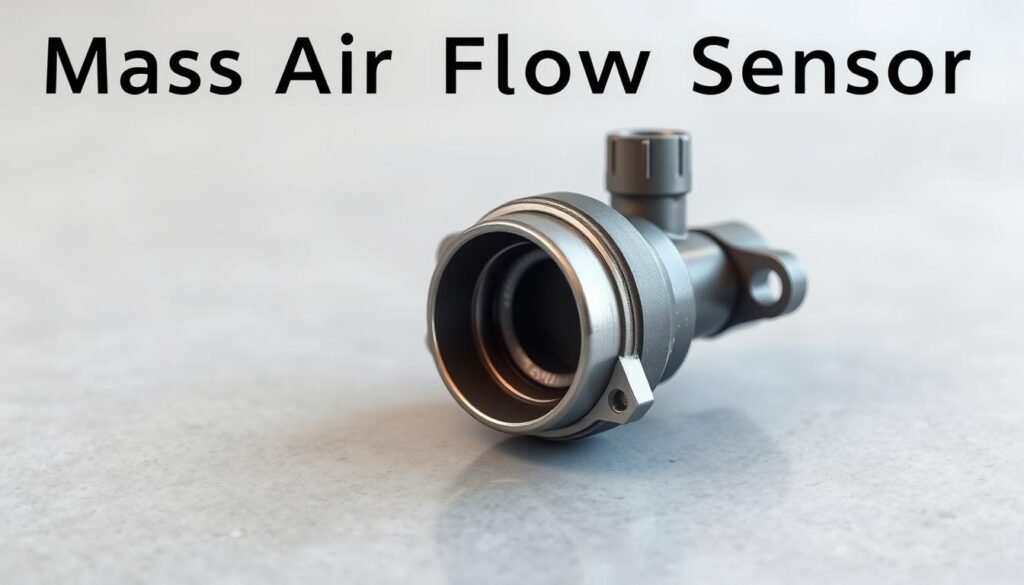
Knowing when to clean your MAF sensor is key to better fuel efficiency and engine performance. The Mass Air Flow sensor measures air intake for your engine. Its cleanliness is crucial for your vehicle’s operation.
Recommended Cleaning Frequency
The recommended cleaning time for the MAF sensor is between 15,000 to 30,000 miles. But, it’s best to check your vehicle’s manual or talk to a mechanic for your car’s specific needs.
Some signs that your MAF sensor needs cleaning include:
- Reduced fuel efficiency
- Rough idling or stalling
- Decreased engine performance
Factors Influencing Cleaning Intervals
Several factors can affect how often you should clean your MAF sensor. These include:
- Driving Conditions: Driving in dusty or polluted areas can lead to more frequent contamination of the MAF sensor.
- Vehicle Age: Older vehicles may require more frequent cleaning due to potential wear and tear on the sensor.
- Manufacturer Recommendations: Always refer to your vehicle’s manufacturer guidelines for specific maintenance recommendations.
By considering these factors and sticking to a regular maintenance schedule, you can keep your MAF sensor working well. This ensures a smoother and more efficient drive.
Troubleshooting After Cleaning the MAF Sensor
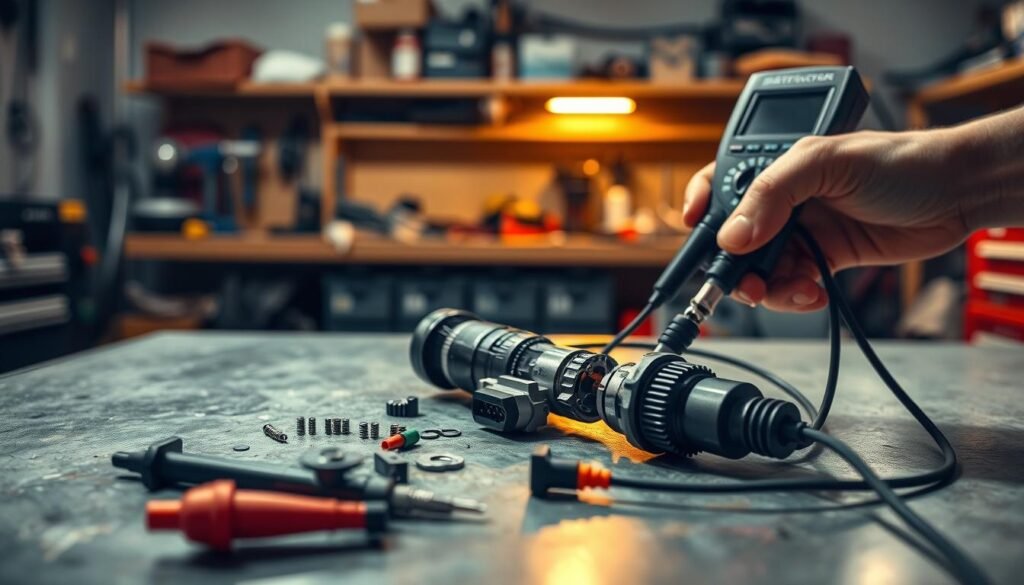
After cleaning your MAF sensor, if problems still exist, it’s time to dig deeper. Other issues might be causing these problems. We’ll look at what to check and how to test the sensor’s performance to fix any remaining issues.how-to-clear-histamine-from-body
What to Check If Problems Persist
If cleaning the MAF sensor doesn’t solve the problem, several things could be wrong. First, check the sensor’s electrical connector for damage or corrosion. Make sure it’s connected well and clean. Then, look at the wiring for any damage or wear. Bad wiring can mess up the signal to and from the MAF sensor, causing problems.
Evaluating the Sensor’s Performance
To check the MAF sensor’s performance, use a multimeter to look at the voltage signal. Check your car’s repair manual for how to do this and what voltage to expect. Also, a scan tool can monitor the sensor’s data stream. This gives you insight into how it’s working. Compare these readings with what the manufacturer says to see if the sensor is working right.
Other things to think about include:
- Faulty or clogged air filters
- Vacuum leaks
- Problems with the engine’s mechanical parts
Fixing these issues can help solve the problems you’re facing.
| Potential Issue | Symptoms | Solution |
|---|---|---|
| Faulty MAF Sensor Electrical Connector | Intermittent or lost signal | Inspect and clean or replace the connector |
| Damaged Wiring | Erratic voltage readings | Repair or replace damaged wiring |
| Clogged Air Filter | Reduced engine performance | Replace the air filter |
By following these steps, you can find and possibly fix the problems after cleaning your MAF sensor. If you’re not sure about these steps, getting a professional mechanic’s help is a good idea.
Conclusion: Keeping Your MAF Sensor in Top Shape
Regular MAF sensor maintenance is key for a smooth engine. Cleaning it as advised can make it last longer and boost engine performance. This simple step also keeps fuel efficiency high and prevents rough idling.
A well-kept MAF sensor means a healthier engine, which could save you money on repairs. It’s important to use the right cleaning products and stick to the cleaning schedule. This makes your engine more responsive and saves fuel.
By focusing on MAF sensor upkeep, you get a better engine. Regular checks and cleanings keep your MAF sensor in great condition. This supports your vehicle’s overall health.