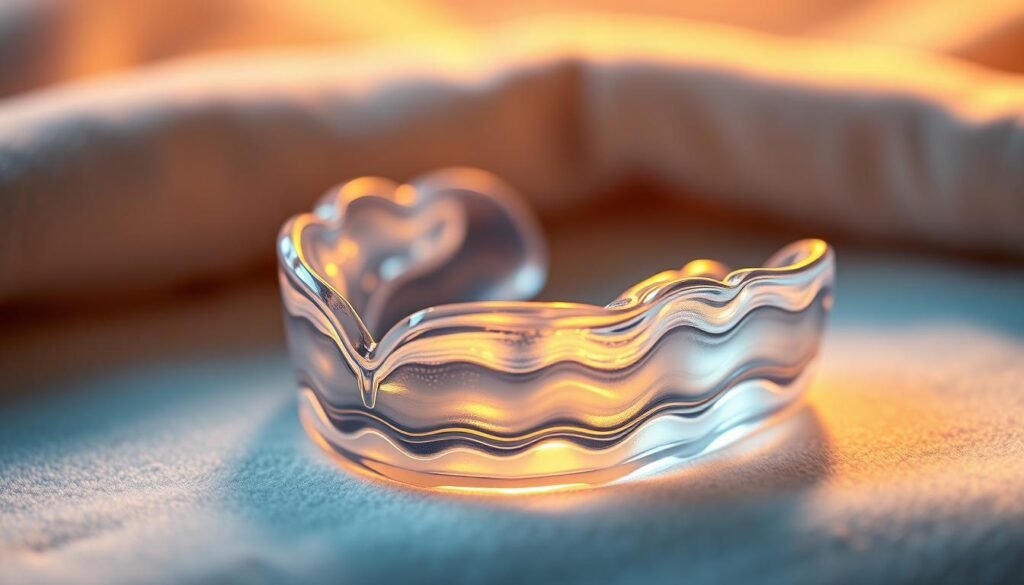
Surprising fact: nearly 30% of people who wear a mouth appliance report persistent odor within weeks without simple upkeep.
I wear a custom mouth guard for teeth grinding and TMJ relief, and I learned fast that daily care keeps my teeth and mouth healthy. Regular upkeep stops stains, reduces bacterial buildup, and prevents that bad breath that ruins mornings.
I set one clear goal for this guide: a safe, simple routine that keeps my guard fresh and comfortable while it continues protection for my teeth. I’ll cover quick daily steps, deeper soaks for buildup, case care, what to avoid, and when to see my dentist.
I never use hot water or harsh chemicals that warp the material. Most maintenance takes just a few minutes, and I replace the appliance if stains, cracks, or smells persist after proper care.
Key Takeaways
- Daily gentle brushing and cool rinses keep the appliance fresh.
- Alcohol‑free mouthwash soaks help control odor without damage.
- Periodic peroxide or vinegar soaks remove stubborn buildup safely.
- Store the guard in a ventilated case and avoid heat.
- See your dentist for professional cleaning or replacement when needed.
Quick answer: the safe, simple way to keep my night guard clean
I keep my routine short and effective so I can use the appliance every night without fuss. This way I avoid buildup and bad odor, and my mouth stays healthier.
My quick steps: I rinse under cool water, then gently brush with a soft toothbrush and a dab of non-abrasive toothpaste or mild soap. The brushing takes just a minute or two and lifts plaque without scratching the surface.how-to-clean-earrings
- I rinse my night guard under cool water right after I remove it in the morning.
- I brush gently with a designated toothbrush and keep strokes firm but light.
- For extra freshness, I occasionally soak in diluted alcohol‑free mouthwash for about 30 minutes, then rinse and dry.
- I always air dry the guard completely on a clean surface before storing it in its case.
I keep a separate brush just for the mouth guard to avoid cross‑contamination. Making this a short morning habit takes only minutes and prevents bigger problems later.
| Step | What I use | Time |
|---|---|---|
| Rinse | Cool water | Immediate |
| Brush | Soft toothbrush + toothpaste | 1–2 minutes |
| Optional soak | Alcohol‑free mouthwash (diluted) | About 30 minutes |
| Dry & store | Clean surface, ventilated case | Until fully dry |
For more detail and a quick guide I trust, I follow this resource: care tips for my mouth guard.
Before I start: supplies, safety, and what to avoid

Before I touch my appliance I lay out a few simple supplies and a safety plan. That small prep step cuts mistakes and keeps the fit intact.
My cleaning do’s for a healthier guard and mouth
I rinse under cool water right away and then brush gently with a soft‑bristle toothbrush and mild soap or non‑abrasive toothpaste. I keep a separate brush just for the guard to avoid cross‑transfer of bacteria.how-to-clear-histamine-from-body
I sometimes soak the appliance in diluted alcohol‑free mouthwash for extra freshness. For stubborn residue, I reach for hydrogen peroxide followed by white vinegar as a safe two‑step soak.
Common mistakes that cause damage
I never use hot water — heat can warp the shape and ruin the fit. I also avoid harsh chemicals, stiff brushes, and gritty pastes that scratch surfaces and accelerate damage.
Tools checklist
- Cool water, soft toothbrush, mild soap or non‑abrasive paste
- Baking soda for mild whitening and odor control
- Alcohol‑free mouthwash for occasional soaks
- Hydrogen peroxide and white vinegar for periodic deep cleaning
- Ventilated case for drying and storage
| Item | Why I keep it | Use frequency |
|---|---|---|
| Soft toothbrush | Removes plaque without scratching | Daily |
| Mild soap / non‑abrasive paste | Safe cleansing without abrasives | Daily |
| Hydrogen peroxide + vinegar | Two‑step soak for buildup and odor | Monthly or when needed |
| Ventilated case | Keeps guard dry and protected | Every storage |
Watch for rough spots, warping, or persistent odor. If I spot issues, I review my routine or consult a dentist. For a deeper look at common mistakes, I follow this common cleaning mistakes.
My daily routine: how to clean night guard after each use
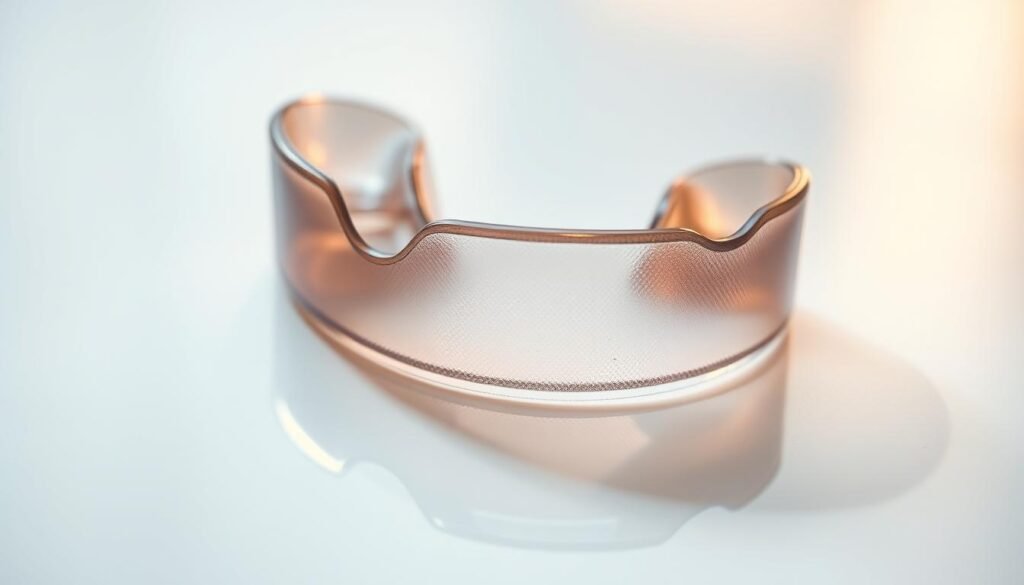
A few minutes each morning prevents plaque and odor from building up on my appliance. I follow a simple, steady routine so the mouth guard stays comfortable and my mouth stays healthy.
Rinse and gentle brushing
I start by rinsing under cool water to wash away saliva and loosen residue. Then I use a soft toothbrush and a pea-sized amount of non‑abrasive toothpaste or a drop of mild soap.
I brush every surface—inside, outside, and grooves—with light strokes. For tight spots I angle the bristles and spend an extra 30–60 seconds rather than scrubbing hard.how-to-clean-charging-port
Optional soak for bacteria and odor
If an odor appears, I dilute alcohol‑free mouthwash with water and soak the guard for about 30 minutes. This lowers bacteria and reduces smell without damaging the material.
Rinse, air dry, and store
I rinse thoroughly after any cleaner to avoid lingering taste or irritation. Then I air dry the appliance completely on a clean towel or rack before placing it in the ventilated case.
I keep the case open while drying so airflow helps prevent moisture and bacteria return. I set this routine right after waking so the guard dries during the day and is ready by night.
| Step | Main item | Duration |
|---|---|---|
| Rinse | Cool water | Immediate |
| Brush | Soft toothbrush + toothpaste or soap | 1–2 minutes |
| Optional soak | Alcohol‑free mouthwash (diluted) | ~30 minutes |
| Dry & store | Air dry, ventilated case | Until fully dry |
Weekly to monthly deep cleaning methods that protect teeth and the appliance

For tougher buildup I use a reliable deep-clean process that preserves fit and material. These steps remove stains and mineral deposits without weakening the plastic or changing the fit.
Hydrogen peroxide then white vinegar: the two-step soak for stubborn buildup
My two-step routine: I place the mouth guard in a clean glass and submerge it in white vinegar for up to 30 minutes. I rinse the glass and the guard, then soak it in hydrogen peroxide for another 30 minutes.
After the peroxide soak I rinse well and let the guard air dry fully before storage. This process lifts stubborn deposits without abrasive scrubbing.how-to-clean-rust-off-cast-iron
Non-abrasive denture cleaner tablets for occasional deep cleaning
I dissolve a non‑abrasive denture tablet in warm water and soak the guard for 5–10 minutes, following the package directions. I pick tablets with minimal dyes and perfumes to avoid residue.
Then I rinse thoroughly. The short soak refreshes the appliance and removes trapped debris safely.
UV and sonic sanitizing devices: when I use them and why
UV and sonic units offer fast, hands-off sanitizing for guards. They work well for routine disinfection but cost more than simple soaks.
I consider these devices if I want quick results or travel often. They complement, not replace, periodic wet soaks.
White vinegar soak for calcium deposits without scratching
If I spot chalky spots I use a 1:3 white vinegar to water mix for 15–30 minutes. I brush gently afterward and rinse well in cool water.
Tip: I always rinse after any solution so no residue remains that could irritate my mouth. I schedule deep cleaning weekly or monthly based on wear, and I use a two‑step soak monthly for heavy buildup.
| Method | Solution | Duration |
|---|---|---|
| Two‑step soak | White vinegar → hydrogen peroxide | 30 + 30 minutes |
| Denture tablet | Warm water solution | 5–10 minutes |
| Vinegar soak (minerals) | 1:3 white vinegar to water | 15–30 minutes |
| UV/sonic | Dry sanitizing device | Per device instructions |
Case care and smart storage to prevent bacteria from coming back
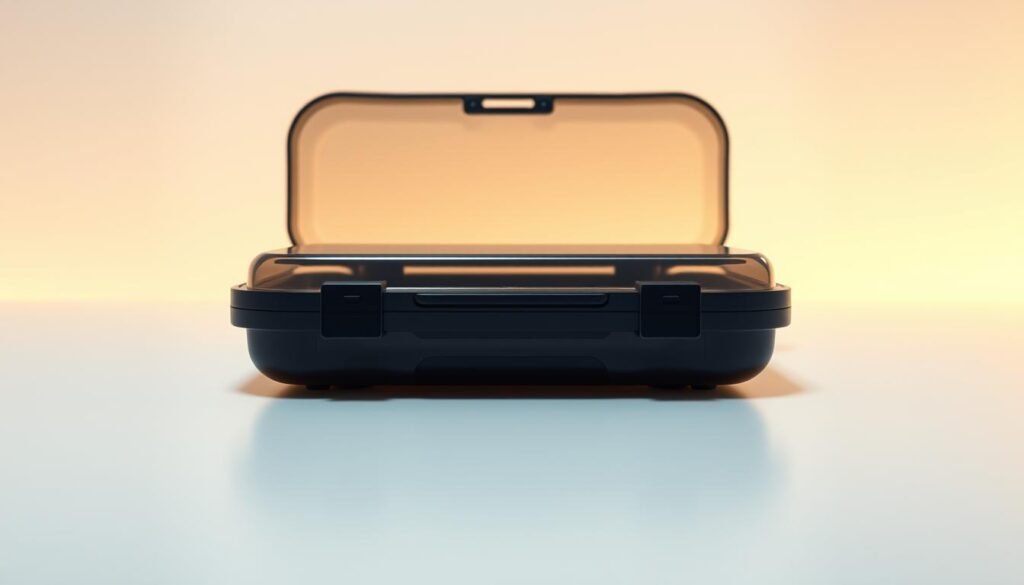
A clean case is the unsung hero that keeps my appliance fresh between uses. I treat the case as part of my routine and give it a little time each week so bacteria won’t return to my mouth.
Weekly washing and occasional deep disinfection
I wash the case at least weekly with mild soap and water, rinse well, and let it air dry completely. This simple step removes daily grime and lowers bacteria build-up.
For a deeper reset I fill the case briefly with hydrogen peroxide or white vinegar, then rinse and dry. I do this only occasionally so the material stays intact.
Smart storage and small habits that matter
- I avoid keeping the case in a humid bathroom; instead I store it in a dry, ventilated spot.
- I replace the case every 6–12 months because scratches can trap microbes.
- I only put the appliance into the case when it is fully dry and keep vents unobstructed so moisture can escape.
Tip: For more guidance I follow trusted resources like night guard care that explain case care in practical steps.
Troubleshooting smells, stains, and shape issues
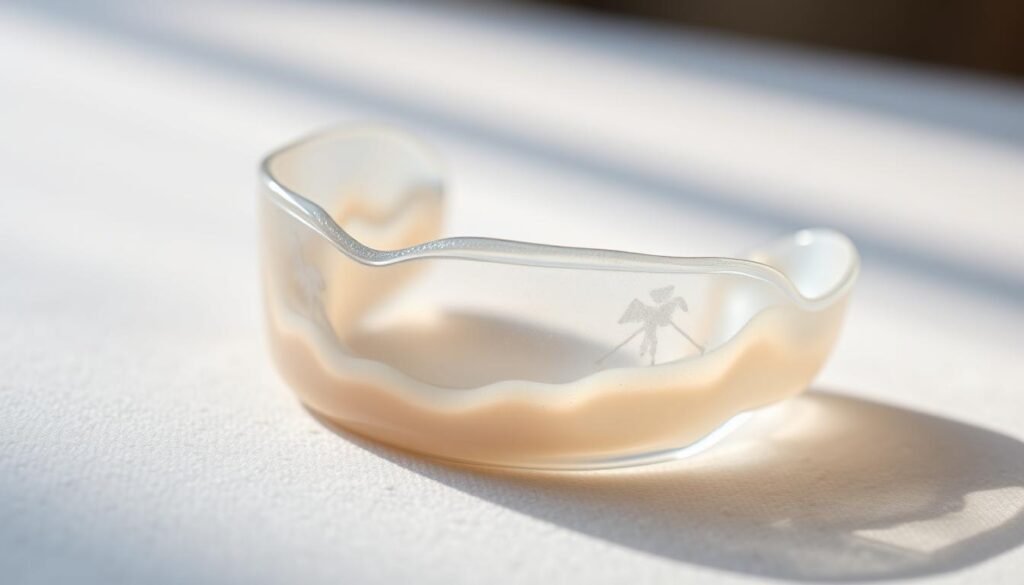
When a persistent smell or dull spot appears on my mouth appliance, I follow a simple routine that keeps my teeth and mouth healthy. Quick checks and targeted steps fix most problems without extra cost or clinic visits.
What I do when my guard smells bad
I step up daily brushing and add an alcohol‑free mouthwash soak for about 30 minutes, then rinse and let it dry completely. If the odor stays, I run the two‑step vinegar then hydrogen peroxide soak once that month and reassess the next day.how-to-clean-weighted-blanket
Dealing with visible plaque, stains, and cloudy spots
I use non‑abrasive brushing or a baking soda paste to lift stains without scratching. For stubborn residue I try a short denture tablet soak or a vinegar rinse for calcium deposits.
Warping and rough spots: signs it’s time for a change
A warped shape or rough scratches trap debris and plaque and can cause ongoing odor or discomfort. Avoid hot water habits — heat causes warping and long‑term damage. If the appliance no longer fits well or shows deep gouges, I replace it and bring the case and piece to my dentist.
For extra guidance, I follow a trusted guide: trusted guide for mouth guard care.
Working with my dentist: deep cleaning and when to replace my guard
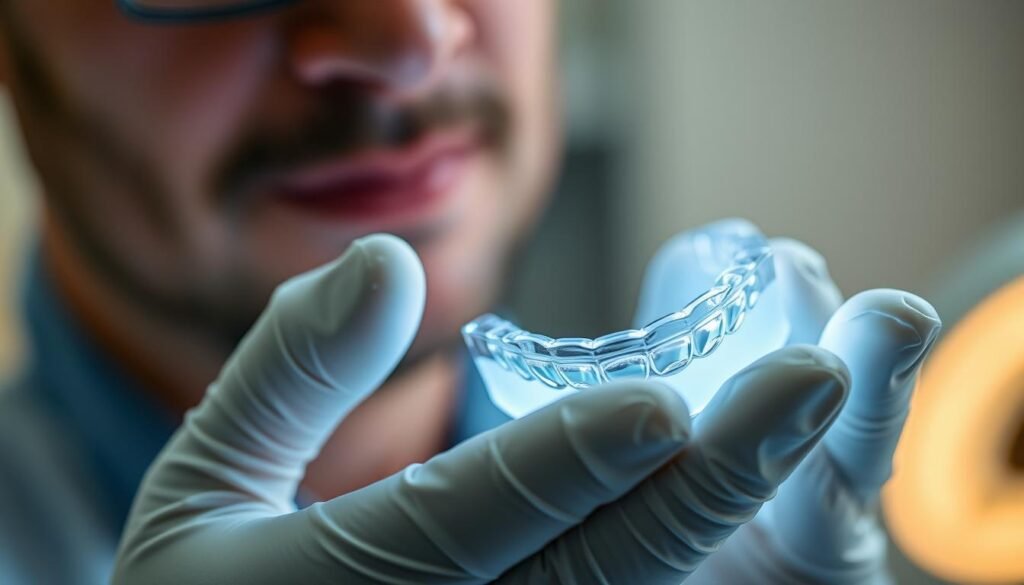
I rely on my dentist during regular visits for a professional cleaning and a close inspection of my appliance. This check catches thin spots or scratches that trap bacteria and cut the protection my appliance gives my teeth.
I bring the mouth guard and its case to my dental cleanings so the team can deep clean and spot wear. Dentists look for holes, thinning, rough areas, or a loose fit that makes cleaning less effective.
If odor or discoloration persists after proper care, I discuss replacement timing with my dentist. A typical window is about 6–12 months, but heavy grinding or material type can shorten that time.
What I report at checkups
- Changes in fit or comfort
- New rough spots or visible wear
- Persistent smell or stains after my routine care
| Item inspected | What dentists look for | Next step |
|---|---|---|
| Mouth guard surface | Scratches, thinning, rough spots | Professional clean or replace |
| Fit on teeth | Loose or warped fit | Refit or order new appliance |
| Case condition | Cracks or heavy scratches | Replace case for hygiene |
I keep notes on fit and comfort so I can give accurate details at checkups. For added reference, I follow professional guidance that complements my dentist’s recommendations and supports my oral health.
Conclusion
Small, steady habits made a big difference for me. I rinse with cool water, brush gently with a soft toothbrush and mild soap or toothpaste, then let my mouth guard air dry before storing.
Periodic soaks give an extra layer of freshness: an occasional alcohol‑free mouthwash soak when needed, and a monthly white vinegar followed by hydrogen peroxide rinse for stubborn buildup. I never use hot water or harsh abrasives because they warp the fit and invite bacteria.
I keep the case clean and ventilated, watch for lingering odor or stains, and bring the appliance and case to my dentist for checks over the years. For a clear reference I follow this clean mouth guard guide. In short: rinse, gentle brush, dry, store smartly, and replace when wear or persistent issues persist.