I still remember the joy of having my favorite teddy bear by my side as a child. As I grew older, it became a cherished keepsake, a reminder of happy memories.
Keeping them clean is essential, not just for their longevity but also for our health. Dust and dirt can aggravate allergies, making it crucial to maintain cleanliness. In this article, we’ll explore the best ways to revive your beloved stuffed friends, ensuring they remain fresh and clean for years to come.
Key Takeaways
- Understand the importance of cleaning your stuffed animals.
- Learn the best methods for refreshing your beloved friends.
Understand Your Stuffed Animals
Knowing what your stuffed animals are made of is key to taking care of them. When you understand their fabric and filling, you can clean them right.
Types of Fabrics Used
Stuffed animals come in many fabrics, like cotton, polyester, and blends. Cotton is a natural fiber that’s easy to clean. Polyester is durable but might need special cleaning.
Some have special fabrics like velvet or silk. These need gentle care.
Filling and its Characteristics
The filling can be polyester fiberfill, wool, or natural fibers. Polyester fiberfill is common and easy to clean. But, check if the filling is spread out well and not clumping.
For more tips on cleaning stuffed animals, check out Ivory Snow’s guide on washing stuffed.
It’s important to know the filling’s characteristics to avoid damage. Some fillings clump when wet, so handle them carefully.how-to-clean-records
Check the Care Labels
## Check the Care Labels
Care labels are key to cleaning your stuffed animals right. They tell you how to keep them clean and in good shape. Always check the label before you start cleaning to follow the right steps.
### Importance of Following Instructions
It’s very important to follow the care label’s instructions. Doing so helps avoid damage to your stuffed animal.Ignoring these instructions can cause shrinkage, color bleeding, or even damage the toy. By following the label, your stuffed animal stays in great condition.
Instructions on the label might say to machine wash, hand wash, or dry clean. Machine washing is good for tough materials, while hand washing is better for delicate ones. Dry cleaning is for toys with special designs or sensitive fabrics.how-to-clean-mousepad
### Common Symbols Explained
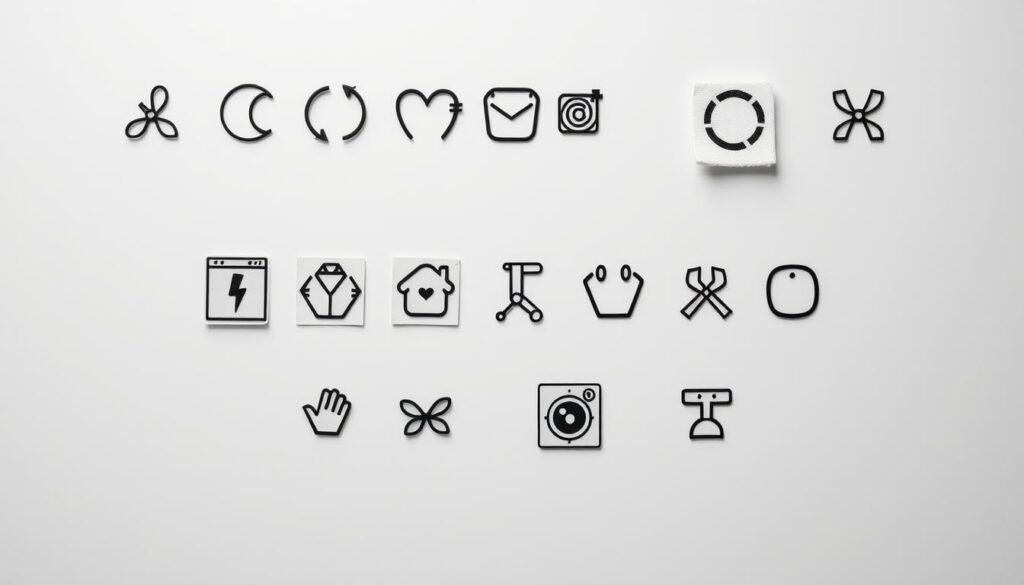
Care labels use symbols to show cleaning instructions. Knowing these symbols helps you care for your stuffed animal right. Here’s what they mean:
– A tub with water means machine washing is okay.
– A hand in a tub means hand washing is best.
– A circle means you need to dry clean it.
– A square with a circle inside shows drying instructions, like tumble drying or air drying.
By knowing these symbols, you can clean your stuffed animals the right way.
Preparing for Cleaning
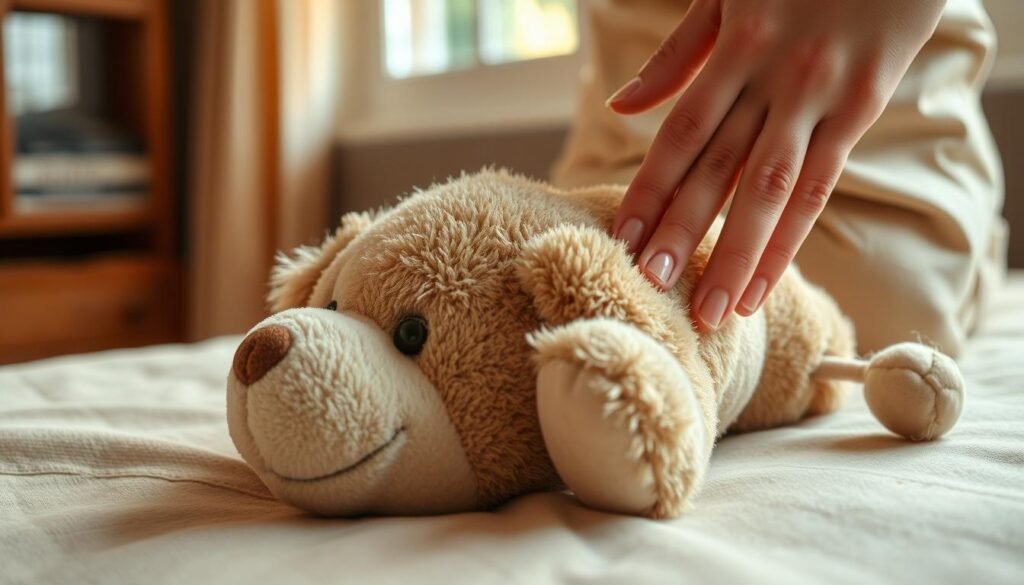
Before you start cleaning, make sure your stuffed animal is ready. This step helps you have the right tools and ensures the toy is safe to clean.
Gather Your Supplies
You’ll need a few basic things to clean your stuffed animal. These include a mild detergent, a soft-bristled brush, and a clean cloth or sponge. For toys that can be washed in a machine, a mesh laundry bag is helpful to keep them safe.
For more information on what you need, check out The Spruce. They have detailed advice on cleaning supplies.how-to-clean-iphone-speaker
Getting the right cleaning supplies is the first step. For delicate or vintage toys, you might need gentler products or professional cleaning.
Inspect for Damage
It’s important to check your stuffed animal for damage before cleaning. Look for any tears, loose seams, or missing parts that could get worse during cleaning.
Checking for damage helps you choose the best cleaning method. If your stuffed animal has electronics, remove batteries or take other precautions to avoid damage.
Cleaning Methods for Machine-Washable Stuffed Animals
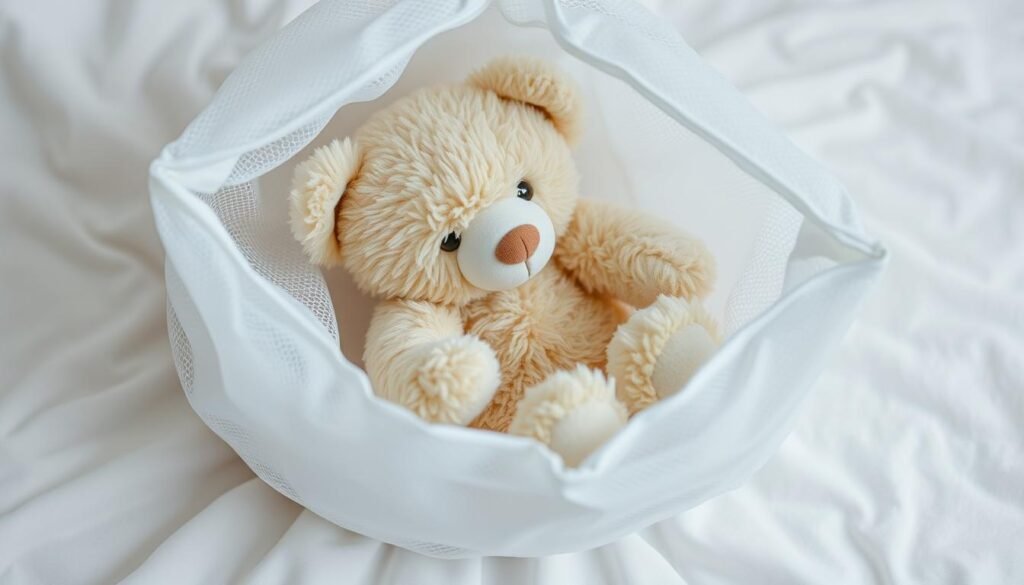
Machine-washable stuffed animals are easy to clean with a few simple steps. This makes keeping them clean and safe simple. First, it’s important to know the best ways to wash these toys.
Using a Laundry Bag
Using a laundry bag is a great way to wash a machine-washable stuffed animal. This bag protects the toy from damage during washing. It keeps the stuffed animal safe, reducing the chance of it getting torn or its filling coming out.how-to-clean-night-guard
When picking a laundry bag, choose one that’s mesh or breathable. This lets water and detergent reach the stuffed animal.
Choosing the Right Settings
It’s key to pick the right washing settings for your stuffed animal. A gentle cycle with cold water is best. Hot water can make colors fade or the fabric shrink.
Also, use a mild detergent. This keeps harsh chemicals away from the toy’s material and filling.
- Select a gentle wash cycle.
- Use cold water to prevent color fading or shrinkage.
- Opt for a mild detergent to ensure the toy remains safe and clean.
By following these steps and using the right settings, you can keep your machine-washable stuffed animals clean and in good shape. Regular cleaning keeps them looking great and safe for cuddling and play.
Hand-Washing Techniques for Delicate Toys
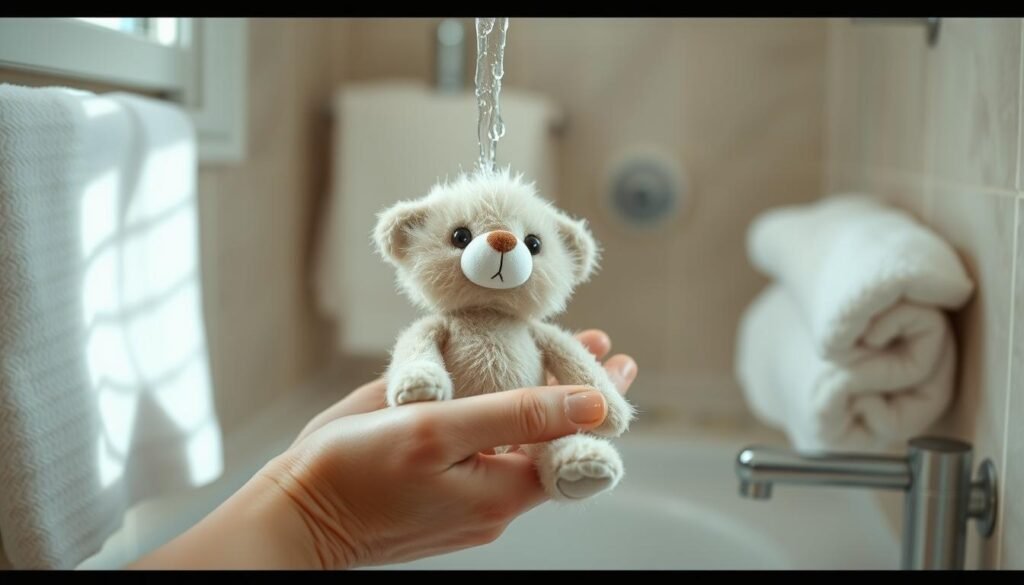
For those precious plush toys that can’t withstand the washing machine, hand-washing is the way to go. This method allows for a gentle cleaning process that preserves the toy’s quality and longevity.
Soaking in Water
Start by filling a sink or a large bucket with lukewarm water. The water should be comfortable to the touch. Avoid hot water, as it can damage the fabric or cause colors to bleed.
Add a small amount of mild detergent designed for delicate items. Submerge the stuffed animal in the soapy water. Let it soak for about 15 minutes to loosen dirt or stains.
Gentle Scrubbing Tips
After soaking, gently scrub the stuffed animal with your hands or a soft-bristled brush. Clean all areas, focusing on stained or soiled spots. Avoid harsh scrubbers or abrasive materials that could damage the fabric.how-to-clean-suede-boots
Rinse the toy thoroughly with clean, lukewarm water to remove all soap residue. To remove excess water, gently squeeze the stuffed animal without wringing or twisting it. Lay the toy flat on a clean towel to air dry, reshaping it to its original form.
It’s essential to be patient and let it air dry completely. Machine drying could damage the fabric or cause shrinkage.
Spot Cleaning for Stains
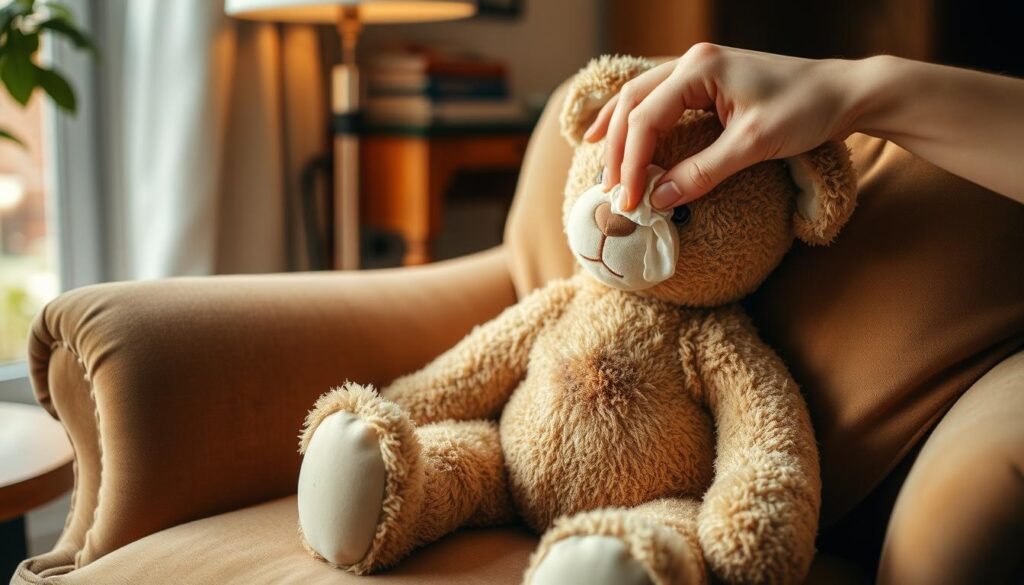
Spot cleaning is a great way to deal with stains on stuffed animals without washing the whole toy. It’s perfect for keeping the fabric in good shape and the toy’s details intact.
Identifying the Type of Stain
First, figure out what kind of stain you’re facing. Different stains need different cleaning methods. For example, ink stains might need a solvent, while food stains can be handled with a mild detergent.
Best Cleaning Solutions
The right cleaning solution depends on the stain and the toy’s fabric. A mix of water and white vinegar works well for most stains. For tougher ones, a mild soap or a stain remover might be needed.
| Stain Type | Recommended Cleaner |
|---|---|
| Ink | Solvent-based cleaner |
| Food | Mild detergent |
| Grass | Equal parts water and white vinegar |
As Good Housekeeping advises, “Always test a small, hidden area first. This makes sure the cleaner won’t harm the fabric.”
Drying Stuffed Animals Safely

Drying stuffed animals needs careful thought to avoid damage. Wrong drying methods can cause shrinkage, color changes, or mold and mildew growth.
Air Drying vs. Machine Drying
There are two main ways to dry stuffed animals: air drying and machine drying. Air drying is safer because it avoids high heat. This heat can harm the fabric or make the filling clump.
To air dry, lay the stuffed animal on a clean towel. Shape it back to its original form. Let it dry in a place without direct sunlight.
Machine drying is quicker but needs caution. Use a low heat setting and take out the stuffed animal as soon as the cycle ends. This prevents overheating. For more detailed drying instructions, check out this guide.
Preventing Damage During Drying
To avoid damage, reshape the stuffed animal to its original form. Remove any extra water. You can also use a clean towel to gently blot the toy and remove excess moisture. These steps help keep your stuffed animal in good condition longer.
Maintaining Stuffed Animals Between Washes
Keeping your stuffed animals clean is key to making them last longer. Simple habits can help keep your favorite toys fresh and clean. This way, they stay in great condition for a longer time.
Regular Dusting and Vacuuming
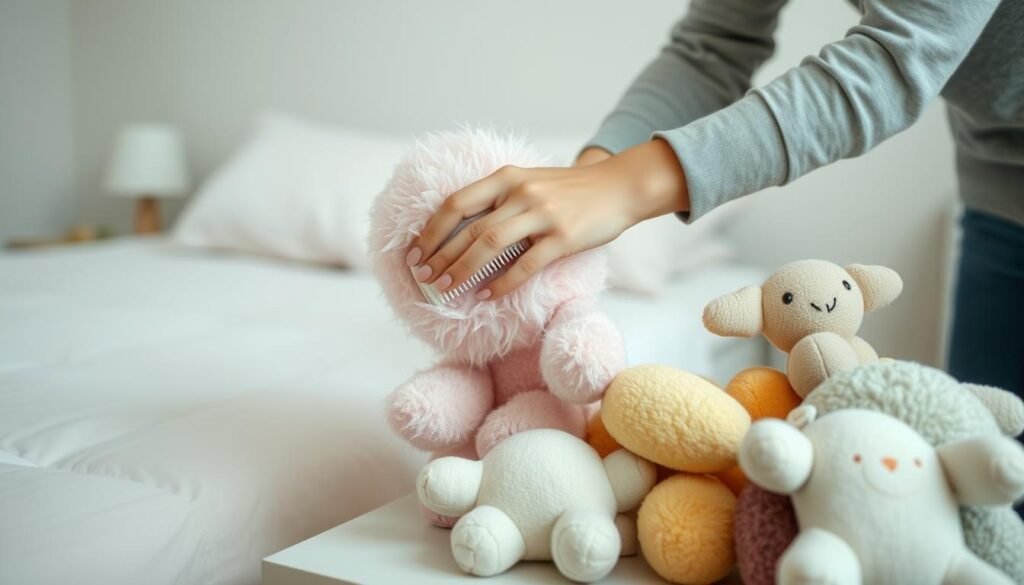
Dusting and vacuuming are important for your stuffed animals. A soft-bristled brush or lint roller can remove dust easily. For deeper cleaning, use your vacuum’s upholstery attachment. This keeps them clean and reduces allergens.
- Use a soft-bristled brush to gently remove surface dust.
- Employ a lint roller for quick dust removal.
- Utilize the upholstery attachment on your vacuum for deeper cleaning.
Using Fabric Fresheners
Fabric fresheners can make your stuffed animals smell nice. You can find sprays or fabric refresher sheets. For a natural option, try baking soda or essential oils. For more tips, check out Martha Stewart’s guide on washing stuffed animals.
- Always read the label to ensure the product is safe for the fabric type.
- Test a small, inconspicuous area first to avoid any damage.
- Follow the manufacturer’s instructions for application and usage.
Care Tips for Vintage or Heirloom Stuffed Animals
Vintage and heirloom stuffed animals need gentle care to keep their value. These items hold deep emotional meaning, making their preservation key.
Special Cleaning Precautions
When cleaning these special stuffed animals, stay away from harsh chemicals and too much water. This can harm the fabric or filling. For more tips on cleaning handmade stuffed toys, check out this guide.
Preservation Techniques
To keep vintage stuffed animals in good shape, store them in a cool, dry place. Avoid direct sunlight. Also, dust them gently with a soft brush to keep them looking great.
Cleaning Stuffed Animals with Battery or Sound Features
Stuffed animals with electronic parts need special care when cleaning. I always follow a careful process to keep them working well and clean. This ensures they stay safe and fun for my child.
Removing Electronics Safely
First, remove any electronic parts. This means taking out the batteries and detaching sound or movement modules. Always check the manufacturer’s instructions for safe removal tips.
Cleaning Without Damage
After removing electronics, the stuffed animal can be cleaned gently. A damp cloth is usually enough for surface cleaning. For a deeper clean, a mild detergent can be used, but test it first to avoid damage.
“The key to cleaning battery-operated stuffed animals is caution and gentleness,” many parents agree. By following these steps, you can keep your child’s favorite toy clean and fun.
Addressing Allergies and Odors
Keeping stuffed animals clean is key for a healthy home, more so for kids.
Regular cleaning is vital to cut down on allergens. A vacuum with a HEPA filter can pick up dust and allergens from stuffed animals.
Tips for Reducing Allergens
- Wash stuffed animals in hot water (at least 130°F) to kill dust mites and other allergens.
- Use allergen-reducing sprays or fabric fresheners that are safe for the fabric type.
Freshening Without Harsh Chemicals
For a fresh scent, try natural options like baking soda or essential oils. They get rid of odors without using harsh chemicals.
| Method | Benefits |
|---|---|
| Washing in hot water | Kills dust mites and allergens |
| Using baking soda | Natural odor eliminator |
When to Replace Your Stuffed Animals
Deciding when to replace a stuffed animal can be tough. It’s important for keeping your space clean and healthy. If your stuffed animal is old, falling apart, or smells bad, it might be time for a new one. You can find more info on how to clean stuffed animals.
Signs They Need Replacement
Some signs it’s time for a new stuffed animal include visible wear and tear, bad smells, or if it got sick. If cleaning doesn’t fix these problems, it’s best to get rid of it the right way.
Responsible Disposal or Donation Options
If your stuffed animal can’t be fixed, think about donating it if it’s still good. Or, dispose of it in a way that’s good for the planet. Look for local recycling programs for clothes. This helps the environment and makes sure your favorite toy is treated with respect, even when it’s gone.