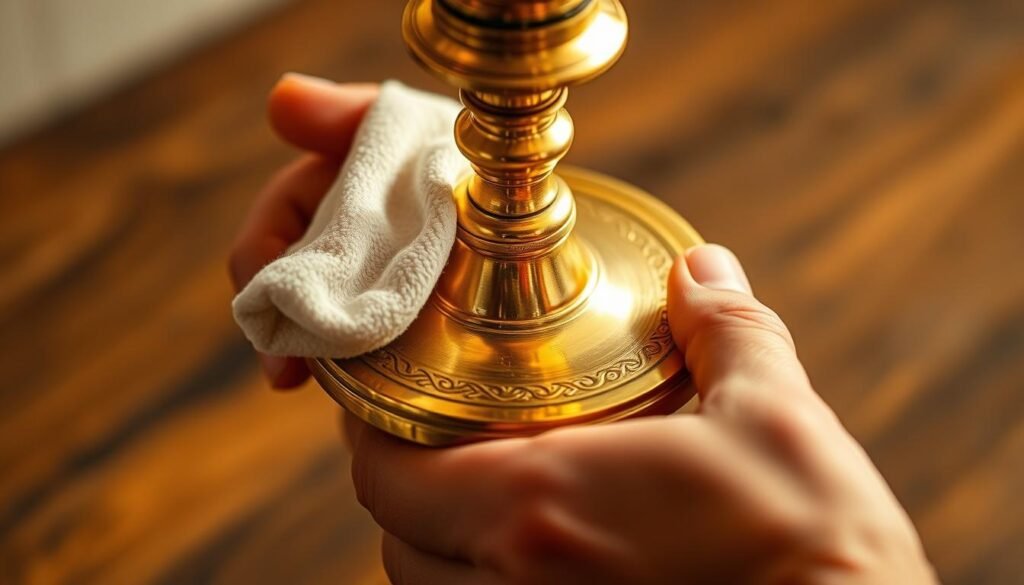
Cleaning brass needs a gentle touch to keep it shiny and safe. Whether it’s old or new, knowing the right cleaning methods is key. I’ll share tips on how to make brass look new again.
There are many ways to clean brass, from using common items like ketchup and lemon juice to special cleaners. In this guide, I’ll show you how to make your brass items sparkle. For more details, check out this ultimate guide on cleaning brass.
Key Takeaways
- Use ketchup to clean brass by applying it and waiting 20 minutes before rinsing.
- Mix lemon juice and baking soda to create a paste for cleaning brass.
- Avoid using toothpaste as it is not effective for cleaning brass.
- For tougher grime, consider using a professional brass cleaner.
- Regular cleaning can help maintain the shine and prevent damage to brass.
Understanding Brass and Its Properties
To clean brass well, knowing what it’s made of is key. Brass is a mix of copper and zinc. It’s strong and looks good.
What is Brass?
Brass is a mix of copper and zinc. The amount of each changes its look and feel. More copper makes it reddish, more zinc makes it yellow.
Brass is strong and doesn’t rust easily. It’s also pretty, making things look better.
Common Uses for Brass
Brass is in many things, both pretty and useful. It’s found in:
- Decorative fixtures and hardware
- Musical instruments, like trumpets and trombones
- Locks and other hardware
- Jewelry and ornaments
For tips on cleaning brass hardware and door handles, check this guide.
Why Brass Needs Regular Cleaning
Brass gets tarnished by air and water. Cleaning it often keeps it shiny. If you don’t clean it, it will look dull and corroded.
| Benefits of Cleaning Brass | Description |
|---|---|
| Maintains Appearance | Regular cleaning keeps brass looking shiny and new. |
| Prevents Tarnishing | Cleaning brass regularly helps prevent the formation of tarnish. |
| Extends Lifespan | Proper maintenance can extend the lifespan of brass items. |
Tools You’ll Need for Cleaning Brass
Having the right tools is key to keeping your brass items looking great. You’ll need a few essential supplies to clean brass well without harming it.how-to-clean-records
Essential Cleaning Supplies
To clean your brass, start with some basic items. You’ll need soft, lint-free cloths to avoid scratches, mild soap or a brass cleaner made for brass, and warm water for your cleaning mix. Also, have microfiber cloths ready for drying and polishing.
When picking a brass cleaner, choose one made specifically for brass. Always follow the instructions to protect your items. There are many brass cleaners out there, and I’ll talk about them later.
Additional Tools for Tough Stains
For hard stains or tarnish, you might need extra tools. Baking soda and vinegar make a paste that can remove tough tarnish. Put the paste on the stain, wait a few minutes, then scrub with a soft cloth and rinse.
For tough stains, a gentle scrubber or a soft-bristled brush can help. Always scrub in the brass’s grain direction to prevent scratches. If stains are really hard, you might need to clean them a few times to get them gone.
Natural Cleaning Solutions for Brass

Looking for a natural way to clean brass? There are simple and effective methods to try. These eco-friendly solutions are gentle on brass and the environment.how-to-clean-mousepad
Vinegar and Baking Soda Method
Using vinegar and baking soda is a great natural cleaning solution for brass. It’s perfect for removing tarnish without harming the brass. Mix equal parts of vinegar and baking soda to make a paste.
Apply the paste to the brass with a soft cloth, rubbing in circular motions. Let it sit for 30 minutes before rinsing with warm water and drying.
For tough tarnish, soak the brass in a vinegar and baking soda solution for hours or overnight. Then, gently scrub with a soft-bristled brush, rinse, and dry.
Lemon Juice and Olive Oil Combination
Another effective way to clean brass is with lemon juice and olive oil. Lemon juice breaks down tarnish, and olive oil prevents future tarnishing. Mix equal parts of lemon juice and olive oil in a bowl.
Dip a soft cloth into the mixture, wring it out, and rub it on the brass in circular motions. For detailed designs or hard-to-reach spots, use a cotton swab with the mixture. This method cleans and adds a nice sheen.how-to-clean-iphone-speaker
For more detailed instructions and variations, visit this page for additional tips and eco-friendly cleaning solutions.
| Cleaning Method | Ingredients | Benefits |
|---|---|---|
| Vinegar and Baking Soda | Vinegar, Baking Soda | Effective tarnish removal, eco-friendly |
| Lemon Juice and Olive Oil | Lemon Juice, Olive Oil | Cleans and polishes, leaves protective layer |
Commercial Brass Cleaning Products
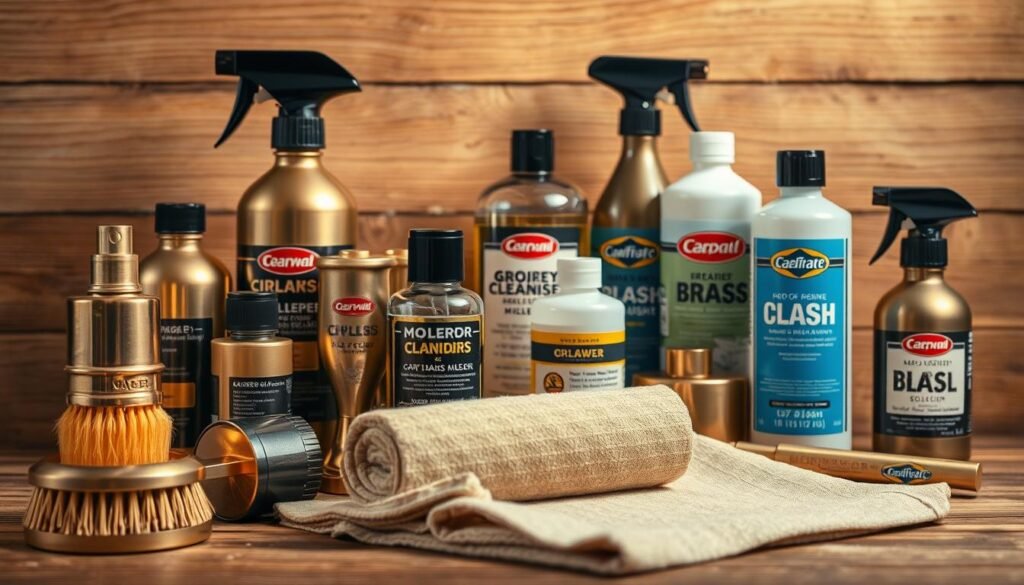
Commercial cleaning products make cleaning brass easy. They are made to remove tarnish and grime. This makes cleaning faster and more efficient.
Popular Brands and Their Features
Many brands are known for their effectiveness. Some top brands include:
- Weiman Brass Cleaner: It’s gentle yet effective, safe for various brass surfaces.
- Goddard’s Silver & Brass Polish: It works well on brass, leaving a lasting shine.
- Brasso: A favorite for brass cleaning, available in wipes and liquids.
When picking a commercial brass cleaner, think about the brass type. Some products work better on certain finishes or types of brass.
How to Choose the Right Product
Choosing the right product depends on several things. Consider the tarnish level, brass type, and any extra features you need. Features like polishing or protection against tarnish are important.
| Product Feature | Description | Benefit |
|---|---|---|
| Gentle Formula | Safe for delicate brass surfaces | Prevents damage to intricate designs or finishes |
| Effective Tarnish Removal | Quickly removes heavy tarnish | Restores the original shine of the brass |
| Polishing Effect | Leaves a protective layer on the brass | Enhances shine and provides protection against future tarnish |
Think about these factors and features when choosing. This way, you’ll find a product that meets your needs. Your brass items will be cleaned well and safely.how-to-clean-night-guard
Step-by-Step Guide to Cleaning Brass Items
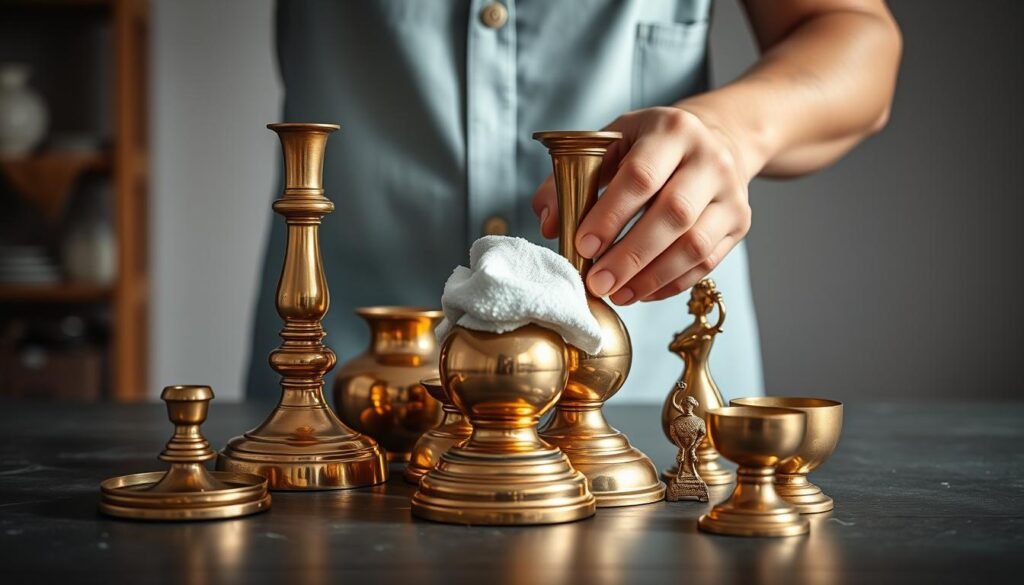
Now, let’s get into the steps for cleaning brass items. This includes door handles, decorative figurines, and more. Follow these steps to make your brass shine.
Preparation Before You Start
Before you start cleaning brass, prepare your space and tools. Collect your cleaning solution, a soft cloth, and a dry towel. Make sure your area is well-ventilated, as commercial products can release fumes. For more tips, check out BHG’s guide on cleaning brass.
Cleaning Process for Different Brass Items
The cleaning method for cleaning brass items depends on the item’s type and detail. For most, apply your cleaning solution to a cloth and rub it gently. Use a soft-bristled brush for intricate designs or hard spots.
For door handles or hardware, remove them first. Soak them in warm, soapy water to loosen grime. Then, clean them with a soft cloth or brush.how-to-clean-suede-boots
Drying and Polishing Tips
After cleaning brass, drying and polishing are key for a lasting shine. Dry the item with a soft cloth to remove moisture. For extra shine, buff with brass polish or a lemon juice and olive oil mix.
Regularly cleaning brass items keeps them looking great. Remember, regular care and avoiding harsh chemicals are essential for maintaining brass.
Maintaining Your Brass After Cleaning
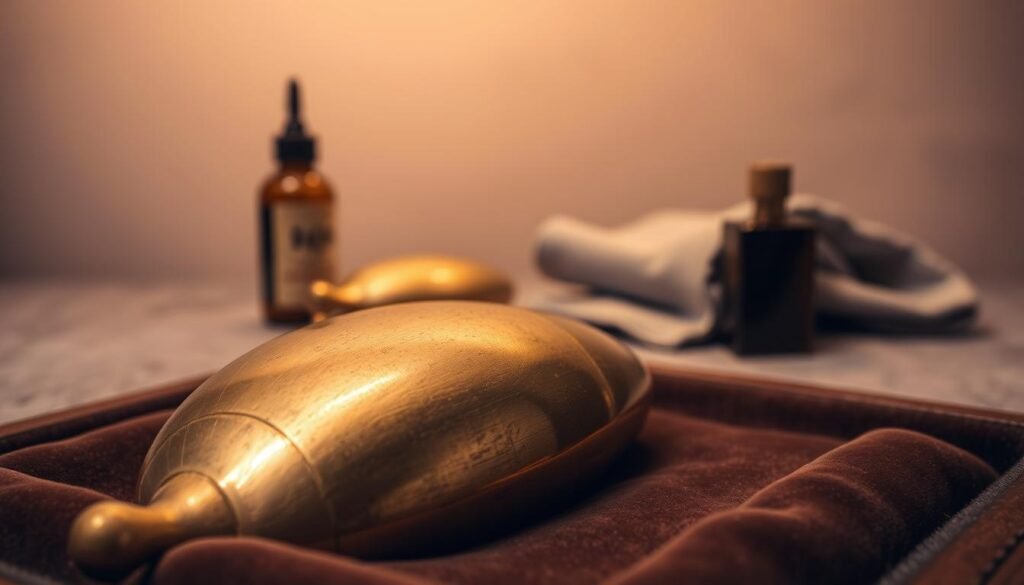
After cleaning your brass, it’s important to keep it up. Create a routine to keep your brass items shining.
Regular Care Techniques
Start by dusting your brass with a soft, dry cloth. This stops dust from dulling the surface. For deeper cleaning, use a gentle brass polish.
When polishing, use a small amount of polish on a soft cloth. Rub it in circular motions. Don’t press too hard to avoid scratches. Then, buff the brass with a clean, dry cloth to shine it up.
How to Prevent Tarnishing
To stop tarnish, apply wax or a brass sealant after cleaning. This creates a protective layer against air and moisture.
Also, store your brass in a dry, cool place. Keep it away from sunlight and humidity. For extra protection, use a case or wrap it in a soft cloth.how-to-clear-check-engine-light
By following these steps, your brass will stay beautiful and shiny for years.
Dealing with Tough Tarnish and Stains

Tarnish and stains on brass can be tough, but I’ve got you covered. Sometimes, brass items get heavy tarnish or stubborn stains. I’ll show you how to spot heavy tarnish and how to remove tough stains.
Identifying Heavy Tarnish
Heavy tarnish on brass looks dark and dull. It hides the metal’s natural shine. It can come from air, moisture, or chemicals. Look for:
- A dark or blackish layer on the surface
- A significant loss of luster
- Possible green or white spots (indicating corrosion)
If your brass item shows these signs, it has heavy tarnish.
Effective Methods for Stubborn Stains
For stubborn stains, you need stronger cleaning methods. Here are a few:
- Vinegar and Salt Method: Mix equal parts vinegar and water, add a tablespoon of salt, and soak the brass item. This solution helps break down tough tarnish.
- Baking Soda Paste: Make a paste with baking soda and water, apply it to the stained area, and let it sit for 30 minutes before rinsing. This method is gentle yet effective.
- Commercial Tarnish Removers: Products like Bar Keepers Friend or Weiman Brass Cleaner can tackle heavy tarnish. Always follow the manufacturer’s instructions.
Here’s a comparison of different cleaning methods for brass:
| Method | Effectiveness | Ease of Use |
|---|---|---|
| Vinegar and Salt | High | Easy |
| Baking Soda Paste | Medium | Easy |
| Commercial Removers | Very High | Moderate |
By identifying the type of tarnish and using the right cleaning method, you can restore your brass items to their original glory. Always test a small, inconspicuous area first to ensure the cleaning solution doesn’t damage the brass.
Cleaning Antique Brass vs. Modern Brass

It’s key to know how to clean antique and modern brass right. Antique brass has a special patina that can get hurt by strong cleaners. Modern brass, on the other hand, is usually tougher.
Differences in Cleaning Approaches
Cleaning antique and modern brass needs different care. Antique brass needs gentle cleaners to keep its patina and history safe. Modern brass can handle stronger cleaners.
Start with a soft, dry cloth for antique brass to remove dirt. For deeper cleaning, mix mild soap with water and use a soft brush. Avoid harsh chemicals that can damage the patina.
Modern brass can be cleaned with various methods. You can use commercial cleaners or mix vinegar and baking soda. These methods remove tarnish without harming the patina.
Special Considerations for Antiques
When cleaning antique brass, remember a few important things. First, learn about the item’s history and any recommended restorations. Some antiques need professional care to stay in good shape.
Also, think about the item’s past repairs and where it’s stored. Humidity and light can affect its condition. Cleaning antique brass gently helps keep its beauty and value.
Safety Precautions While Cleaning Brass
When cleaning brass, safety is key. Brass cleaning can involve harsh chemicals and hazardous materials. It’s important to take the right precautions.
Protecting Your Skin and Eyes
Protect your skin from harsh chemicals by wearing gloves. Also, put on protective eyewear to avoid eye injuries from splashes.
Some cleaning products can seriously irritate or even harm your eyes. Wearing protective eyewear helps reduce this risk.
Ventilation Tips for Using Chemicals
Good ventilation is crucial when using chemical cleaners. Make sure the area is well-ventilated to avoid inhaling harmful fumes. Open windows or use an exhaust fan for better airflow.
Always follow the manufacturer’s instructions for ventilation when using commercial cleaners. Some products might need extra ventilation, like a respirator mask.
When to Seek Professional Help
At times, the best way to clean brass is to let the pros handle it. This is true for items that hold sentimental or monetary value. DIY methods work well for many brass items. But, some pieces need special care and expertise that only a pro can offer.
Signs You Need Expert Assistance
Look out for these signs to know when to call in the experts for your brass:
- Heavy tarnishing that doesn’t respond to regular cleaning methods
- Intricate designs or engravings that are hard to clean
- Valuable or antique items that need special care
- Items with complex mechanisms or parts that could be damaged by improper cleaning
Professional cleaners have the tools and expertise to handle these challenging tasks. They ensure your brass items are cleaned safely and effectively.
What to Expect from a Professional Cleaning
Choosing professional help for your brass items means a thorough and careful cleaning process. Professionals will first assess the item to find the best cleaning method. They use specialized equipment and techniques to clean the brass, removing tarnish and grime without damage.
A professional cleaning service can also provide additional treatments, like polishing or lacquering. These treatments help protect the brass and keep it looking great over time.
Knowing when to seek professional help ensures your brass items get the care they need. This way, they stay in excellent condition.
Eco-Friendly Alternatives to Traditional Brass Cleaners
Exploring brass cleaning, I’m excited to share eco-friendly options. These are effective and gentle on the environment. Traditional cleaners harm the planet, so it’s key to choose sustainable ones.
Sustainable Cleaning Products
Sustainable cleaners are eco-friendly and powerful. They’re made from natural stuff, break down easily, and don’t have harsh chemicals. Look for EcoLogo or Green Seal to ensure they meet environmental standards.
Plant-based cleaners are popular for brass. They clean well and are good for the planet. Always check the label to make sure it’s right for brass and follow the instructions.
DIY Eco-Friendly Solutions
DIY solutions are great for those who like to get their hands dirty. Vinegar, baking soda, and lemon juice are good for cleaning. For example, vinegar and water mix is great for brass surfaces.
DIY solutions save money and reduce waste. You can adjust them for your brass needs. But, test them first on a small area to avoid damage.
Choosing eco-friendly cleaners helps the planet and keeps brass looking good. Whether you buy sustainable products or make your own, think about the environment.
Frequently Asked Questions About Cleaning Brass
Let’s wrap up our guide on cleaning brass with some common questions. Cleaning brass can seem tough, but the right methods can keep your items shining.
Cleaning Frequency
How often to clean brass items depends on their use and where they are. For example, brass in busy places or outside needs more cleaning. Check your brass often to figure out the best cleaning time.
Suitable Cleaners
Choosing the right cleaner for brass is key. Some household cleaners are too strong, but special brass cleaners work well. Always check the label and test a small area first to avoid damage.
By following these tips, you can enjoy your brass items for many years. Whether it’s daily tarnish or tough stains, the right cleaning can make a big difference.
## FAQ
### Q: How often should I clean my brass items?
A: Cleaning brass items depends on how often you use them and where they are. If you use them a lot, like door handles, clean them every few weeks. For things you just look at, like decorations, cleaning every few months is okay.
### Q: Can I use household cleaners on brass?
A: No, household cleaners are too harsh for brass. They can damage it. Instead, use mild soap, brass cleaners, or natural solutions like vinegar and baking soda.
### Q: How do I remove tough tarnish from brass?
A: To get rid of tough tarnish, make a paste with baking soda and vinegar. Apply it to the tarnished area. Let it sit for a few minutes, then rinse and polish.
### Q: Are commercial brass cleaning products safe to use?
A: Most commercial brass cleaners are safe if you follow the instructions. Always read the label and take precautions like wearing gloves and working in a well-ventilated area.
### Q: Can I use lemon juice to clean brass?
A: Yes, lemon juice is good for cleaning brass. Mix it with olive oil to make a solution that removes tarnish and protects the brass.
### Q: How do I prevent brass from tarnishing?
A: To stop tarnish, dust and polish your brass regularly. You can also apply a thin layer of wax or a commercial brass protectant.
### Q: Is it safe to use baking soda and vinegar on antique brass?
A: Baking soda and vinegar are usually gentle, but be careful with antique brass. Test a small area first to make sure it won’t damage the surface.
### Q: Can I clean brass door handles with soap and water?
A: Yes, soap and water work for brass door handles. Use a mild soap and dry them well to avoid water spots.
### Q: How do I dry and polish brass after cleaning?
A: Dry brass items with a soft cloth to avoid water spots. Then, use a gentle polishing cloth or a commercial brass polish to make them shine.