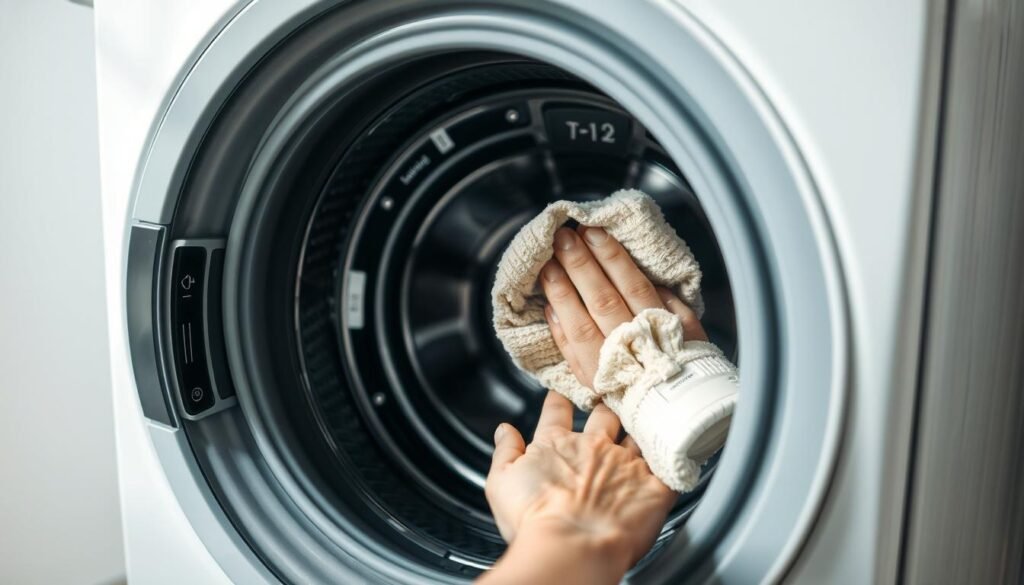
Did you know that not cleaning your washer can cause musty smells and lower efficiency? Keeping your washer clean is key for its long life and good performance. A dirty washer can grow mold and mildew, making your clothes smell bad.
To keep your washer working well, it’s important to know how to clean it right. For more washer care tips, check out reliable sources. Regular cleaning stops debris and smells from building up, keeping your washer running smoothly.
Key Takeaways
- Clean your washer machine regularly to prevent musty odors.
- Use Tide Washing Machine Cleaner or white vinegar to clean your washer.
- Leave the door and dispenser drawer open after use to prevent mildew.
- Remove clothes within two hours after washing to prevent unwanted smells.
- Washing at cold settings can reduce energy usage by up to 40%.
Understanding the Importance of Cleaning Your Washer Machine
Cleaning your washer machine regularly is key. It removes dirt, detergent residue, and fabric scraps. These can make your washer work less well over time. This can lead to mold, mildew, and bad smells.
Why is Cleaning Your Washer Machine Important?
Cleaning your washer machine keeps it running well and your clothes clean. Dirt and detergent residue from washing clothes can build up. This creates a place for bacteria and mold to grow.
To see why not cleaning your washer is a problem, let’s look at some facts:
| Issue | Effect of Not Cleaning | Benefit of Cleaning |
|---|---|---|
| Dirt and Residue Buildup | Reduced washing efficiency | Improved washing performance |
| Mold and Mildew | Unpleasant odors and potential health risks | Fresher laundry and reduced health risks |
| Detergent Residue | Clogged dispenser and poor rinse quality | Proper dispenser function and cleaner clothes |
Want to know more about cleaning your washer? Check out how to clean a washing machine properly. Learning about cleaning your washer helps keep your laundry routine clean and efficient.
Signs Your Washer Machine Needs a Good Clean
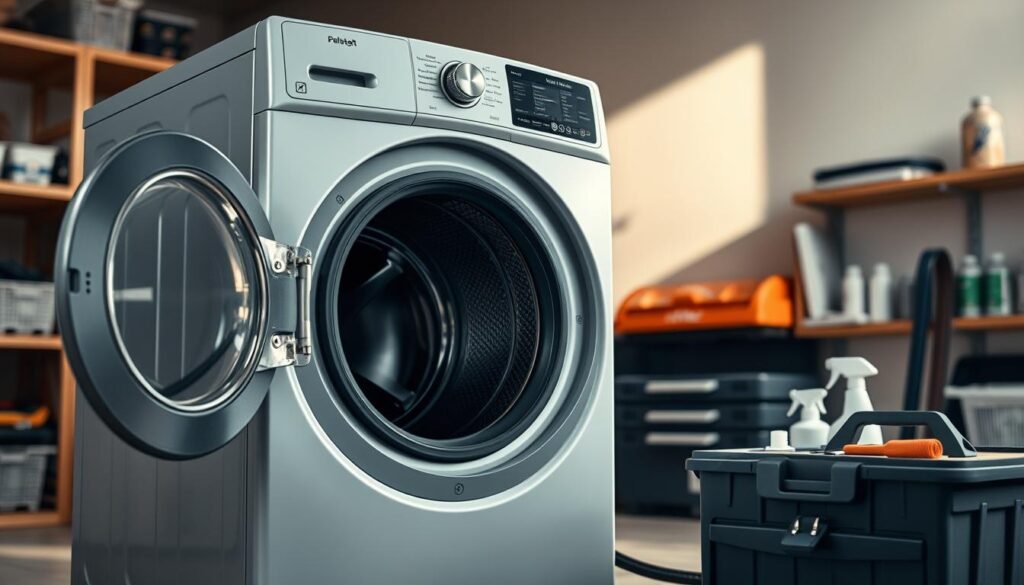
Over time, your washer machine can get dirty. This can cause several problems. If you see any of these signs, it’s time to clean your washer.how-to-clean-hats
Musty Odors and Stains
Musty odors are a common sign your washer needs cleaning. These smells can make your clothes smell damp. Also, stains on clothes or the washer drum mean dirt has built up.
It’s important to clean your washer regularly. Here are some key areas to focus on:
- Check for mold and mildew around the door gasket and seals.
- Run a cleaning cycle with a washer cleaner or vinegar to remove residue.
- Leave the washer door open after use to dry the interior.
Reduced Washing Efficiency
If your clothes aren’t as clean as they used to be, or if washing takes longer, your washer might need cleaning. Reduced washing efficiency can be due to detergent residue or debris. Cleaning regularly can improve your washer’s performance and clean your clothes better.
By recognizing these signs and taking action, you can keep your washer working well. Regular maintenance is crucial for your washer’s optimal performance.how-to-clean-eyeglasses
Preparing to Clean Your Washer Machine
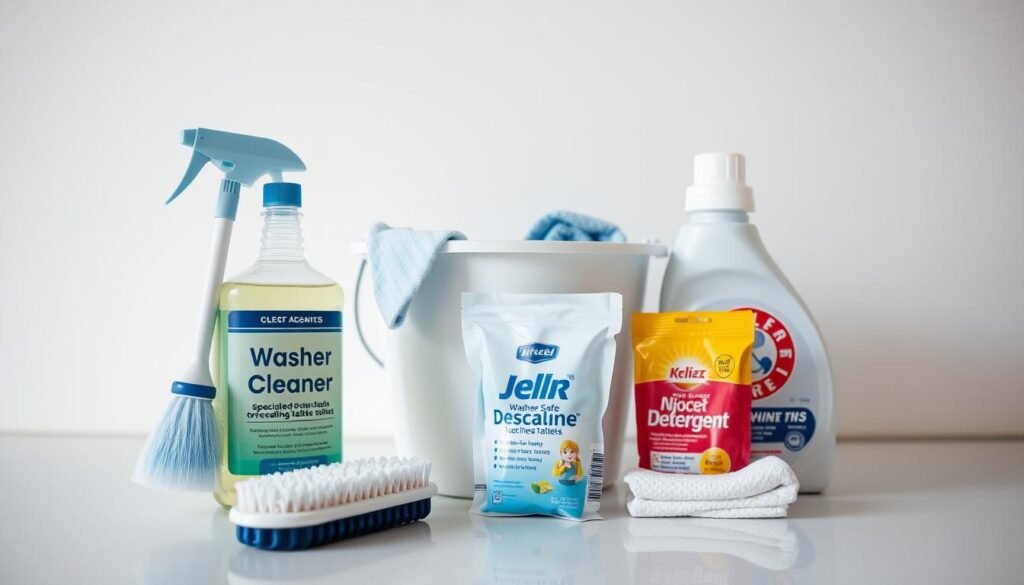
Before you start cleaning your washer machine, there are a few steps to take. These steps help make sure the cleaning goes well and keeps your machine safe.how-to-clean-apple-watch-band
Gather Necessary Cleaning Supplies
First, you need to get the right cleaning supplies. You might need white vinegar, baking soda, or a washer machine cleaner. White vinegar is good for cleaning and getting rid of smells. Baking soda helps with odors and stains. Or, you can use a cleaner made just for washer machines.
Read the User Manual
Next, make sure to read the user manual that came with your washer. The manual will have important cleaning tips and instructions. It might tell you about special cleaning cycles or settings for your machine.
By doing these things, you’ll be ready to clean your washer machine the right way.
Cleaning the Interior of Your Washer Machine
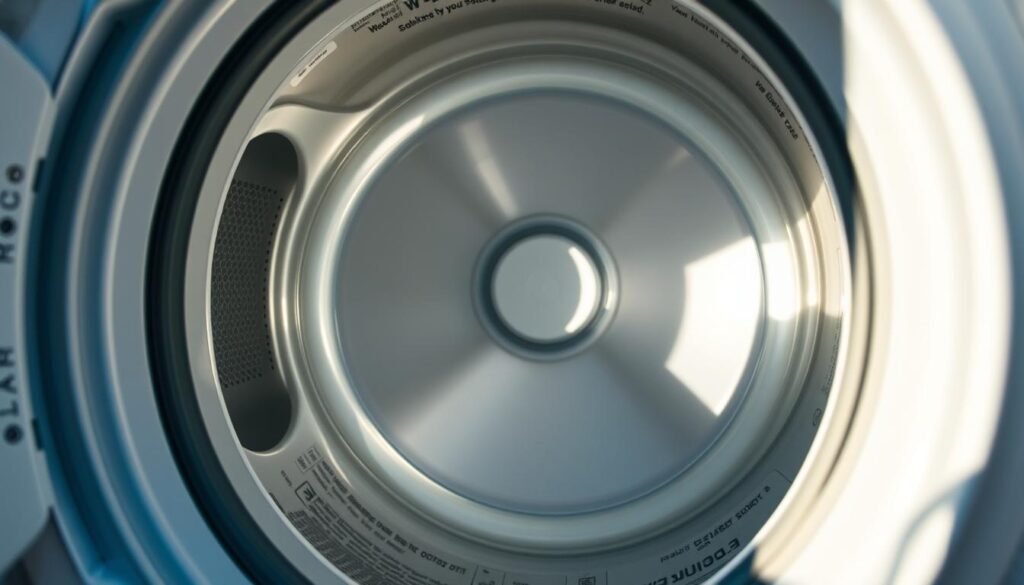
Cleaning your washer machine’s interior is key for its life and cleanliness. Dirt, mold, and mildew can build up over time. This can harm its performance and make your laundry smell bad.how-to-clean-vomit-from-carpet
To clean it well, focus on the washing drum, agitator, door gasket, and seal. Let’s look at each part.
Washing Drum and Agitator
The washing drum and agitator get dirty and clogged with detergent. Start by running a hot water cycle with a cup of white vinegar. Vinegar is great for cleaning and removing odors. As Consumer Reports says, “A vinegar cycle can keep your washer running well.”
For hard stains or smells, use a mild cleaner or washer cleaner. Put the cleaner on the drum and agitator, then scrub with a soft brush. Rinse well to get rid of any leftover cleaner.
Door Gasket and Seal
The door gasket and seal get moldy because they’re always wet. Mix equal parts water and white vinegar in a spray bottle. Spray it on the gasket and seal, then let it sit for 10 minutes. Wipe it clean with a soft cloth or sponge. As Good Housekeeping suggests, “Cleaning the door gasket often stops mold and mildew.”
If mold or mildew won’t go away, try a stronger cleaner or baking soda and water. Make sure to dry the gasket and seal well after cleaning. This stops water spots and mold from coming back.how-to-clean-a-speaker-on-an-iphone
Descaling Your Washer Machine
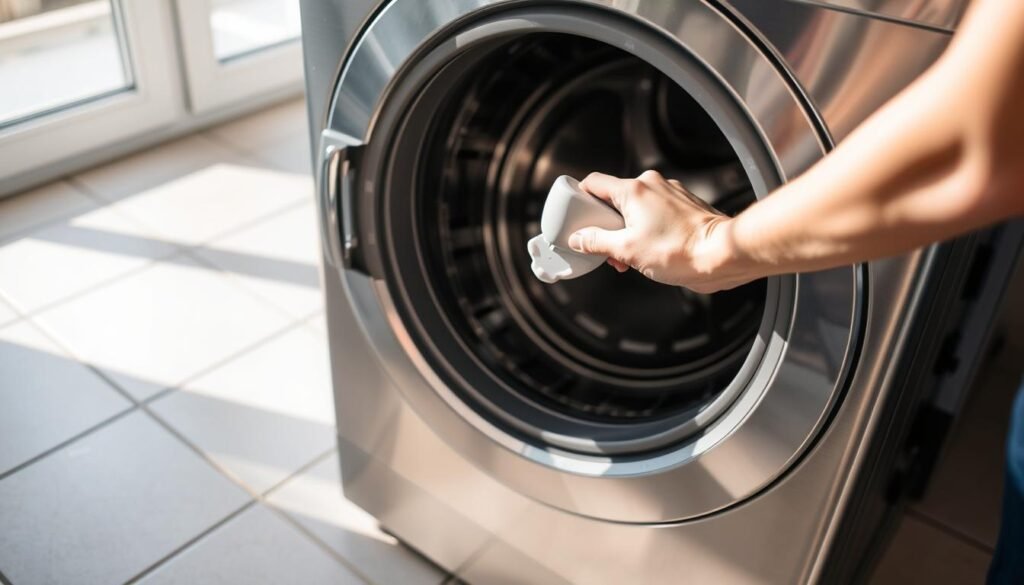
To keep your washer machine in top shape, descaling it regularly is key. This is crucial if you live in an area with hard water. Limescale buildup can harm your machine’s performance and lifespan.
Using Vinegar to Remove Limescale
Using vinegar is a great and eco-friendly way to descale your washer. Vinegar is a natural acid that dissolves limescale without harming your machine. To descale, pour 2 cups of white vinegar into the washer drum and run a hot water cycle.
This method breaks down and removes limescale deposits. For tougher buildup, you can repeat the process or let the vinegar sit for a few hours before running the cycle. Regular vinegar use keeps your washer efficient and fresh.
Store-Bought Descalers
If vinegar isn’t your go-to, store-bought descalers are a good alternative. These products are made to remove limescale and can be found at most hardware stores or home goods retailers. Always follow the instructions for the best results.how-to-clean-mass-air-flow-sensor
When picking a descaler, consider your washer machine type and any manufacturer recommendations. Some descalers are made for specific machines, so choosing the right one is important.
| Descaling Method | Effectiveness | Cost |
|---|---|---|
| Vinegar | High | Low |
| Store-Bought Descalers | Very High | Moderate |
Regular descaling, whether with vinegar or store-bought products, is a simple yet effective way to keep your washer machine running well. By adding descaling to your maintenance routine, you ensure your washer continues to clean clothes effectively.
Cleaning the Detergent Dispenser
To keep your washer machine running well, it’s key to clean the detergent dispenser. This part can get clogged with residue and mold. These issues can make your clothes dirty.
Removing and Soaking the Dispenser
Start by taking out the detergent dispenser from your washer. Check your user manual for the right steps, as different models have different ways to do this. Once it’s out, soak it in warm soapy water to soften any stuck-on bits.
Next, use a soft-bristled brush to scrub off any tough buildup. This makes sure the dispenser is really clean.
Cleaning Residue Buildup
Buildup in the detergent dispenser can cause washing problems and bad smells. To tackle this, mix equal parts water and white vinegar in the dispenser. Let it sit for 30 minutes to let the vinegar work on the buildup.how-to-clean-a-retainer
After 30 minutes, rinse the dispenser with warm water. If the buildup is hard to get rid of, you can use a gentle cleaning product. Make sure to rinse it well to get rid of any cleaning residue.
Regular cleaning of the detergent dispenser keeps your washer machine working well and clean. By following these easy steps, you can keep your dispenser in top shape.
Maintaining Your Washer’s Exterior
To keep your washer machine in top shape, cleaning its exterior regularly is key. A clean washer looks better and lasts longer.
Keeping the exterior clean means focusing on the control panel and the lid or door. These spots collect dust and dirt, which can harm your washer’s performance and look.
Wiping Down the Control Panel
The control panel gets a lot of use. Clean it with a soft, damp cloth. Stay away from harsh chemicals or abrasive cleaners that could damage it.
Tips for Cleaning the Control Panel:
- Use a microfiber cloth for effective cleaning.
- Avoid spraying cleaners directly onto the panel.
- Gently wipe the area around the buttons and display.
Regularly Cleaning the Lid or Door
The lid or door of your washer also needs regular cleaning. Use mild detergent and warm water. For stubborn stains, try a baking soda and water mix.
Regular cleaning of the lid or door keeps dirt and grime away. This ensures your washer works well.
| Area to Clean | Recommended Cleaner | Frequency |
|---|---|---|
| Control Panel | Soft, damp cloth | Weekly |
| Lid or Door | Mild detergent and warm water | Bi-Weekly |
By following these easy steps, you can keep your washer machine’s exterior clean. Regular care not only makes it look better but also extends its life.how-to-clean-a-stainless-steel-sink
How Often Should You Clean Your Washer Machine?
To keep your washer machine in top shape, knowing when to clean it is key. Regular cleaning keeps your washer running smoothly and extends its life.
Recommended Cleaning Schedule
Cleaning your washer machine at least once a month is best. This helps avoid detergent and fabric softener residue, and debris that slow down washing. Use vinegar or a washer cleaner for a simple cleaning, as shown in our guide on how to clean a washing machine.
Here are some monthly cleaning tasks:
- Run a cleaning cycle with vinegar or a washer cleaner.
- Check and clean the detergent dispenser.
- Wipe down the door gasket and seal.
- Leave the washer door open after use to dry the interior.
Seasonal Deep Cleaning
Also, do a deeper clean seasonally. This includes more detailed checks and cleaning of parts not covered in monthly cleaning.
Seasonal deep cleaning tasks include:
- Descaling your washer machine to remove limescale buildup.
- Inspecting and cleaning the drain pump filter.
- Checking hoses for signs of wear and tear.
By sticking to this cleaning schedule, your washer machine will stay in great shape. You’ll get cleaner clothes and better performance for years to come.
Troubleshooting Common Washer Issues
Fixing common washer problems can make it work better and last longer. Regular upkeep and knowing how to fix issues can stop bigger problems before they start.how-to-clean-a-self-cleaning-oven
Addressing Mold and Mildew
Mold and mildew often show up in washers, mainly in damp places or if they’re not kept clean. It’s key to clean the washer’s drum, door gasket, and detergent holder often. Leaving the washer door open after a cycle can also cut down on moisture.
If mold and mildew are bad, a cleaning cycle with washer cleaner or white vinegar can help. This gets rid of dirt and smells. Also, check and replace old or damaged seals to stop water from staying and causing mold and mildew.
Dealing with Unpleasant Odors
Bad smells in your washer come from detergent, fabric softener, or dirt buildup. A hot water cycle with washer cleaner or baking soda can clear these out. Also, look at your user manual for how to clean the drain pump filter, as a clogged one can cause bad smells.
If smells keep coming back, look at common washing machine problems and their fixes to find and fix any deeper issues.
By tackling these common washer problems early, you can keep your washer running well and make it last longer.
Eco-Friendly Cleaning Alternatives
Cleaning your washer machine doesn’t have to harm the planet. There are many eco-friendly ways to do it. As we think more about our impact on the environment, finding green alternatives to harsh cleaners is key.
Using Baking Soda
Baking soda is a natural cleaner that works well on odors and stains. Just pour 1 cup of it into the washer drum and run a hot water cycle. It’s good for the planet and your machine.
For really tough smells, mix baking soda with vinegar. This combo breaks down residue and makes your washer smell great. Here’s a simple recipe:
- 1 cup of baking soda
- 1 cup of white vinegar
- Hot water
Run a cycle with these ingredients, and you’ll see a big difference.how-to-clean-a-waffle-iron
Natural Essential Oils
Natural essential oils are another green way to keep your washer fresh. Oils like tea tree oil and lavender oil fight mold and mildew. Just add a few drops to the washer drum and run a hot cycle.
Here’s a look at some essential oils you can use:
| Essential Oil | Properties | Benefits |
|---|---|---|
| Tea Tree Oil | Antimicrobial | Combats mold and mildew |
| Lavender Oil | Calming, antimicrobial | Freshens and soothes |
| Lemon Oil | Antibacterial, refreshing | Removes odors and leaves a fresh scent |
Using these eco-friendly cleaning methods helps keep your washer clean without hurting the planet. Whether you pick baking soda, essential oils, or both, you’re choosing a greener laundry way.
Final Tips for a Long-Lasting Washer Machine
Keeping your washer machine in good shape is key for its long life and best performance. By following the cleaning tips in this article, your washer will keep your clothes fresh and clean.
Effective Maintenance Practices
Just cleaning your washer isn’t enough. Make sure to check and clean the drain pump filter often. Also, leave the washer door open after each cycle to prevent mold and moisture buildup.
Staying Up-to-Date on Washer Care
It’s important to know the latest ways to care for your washer. Check the manufacturer’s website or home care blogs for tips. Learning how to clean your washer well and keeping up with maintenance will make it last longer. You’ll enjoy cleaner clothes for many years.