

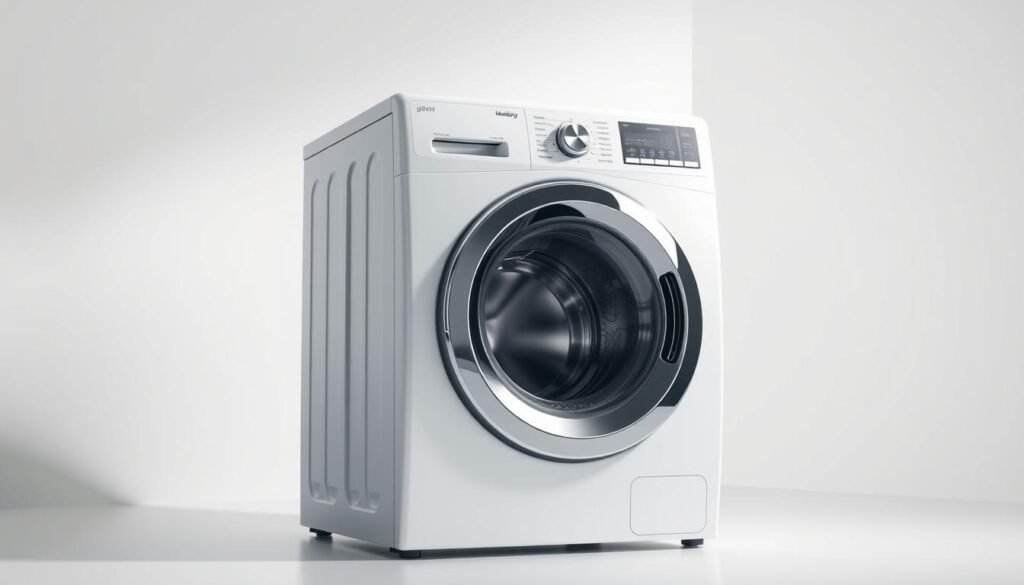
Did you know a dirty washing machine can put dirt back on your clean clothes? It’s a surprising fact that shows how important it is to keep your washing machine clean. Cleaning your washing machine is crucial for its efficiency and hygiene. In this guide, I’ll show you how to keep your washing machine in great condition.
By following this guide, you’ll discover effective methods to get rid of dirt, grime, and bad smells. For more detailed instructions and tips, check out this resource on washing machine cleaning.
Key Takeaways
- Regular cleaning maintains washing machine efficiency
- Simple methods can remove dirt and grime effectively
- Cleaning the washing machine regularly ensures fresh and clean clothes
- Various cleaning agents can be used, such as vinegar and baking soda
- Different washing machine types require specific cleaning approaches
Why Cleaning Your Washing Machine is Important
Keeping your washing machine clean is key for its best performance and life span. A clean machine washes your clothes better. It also saves energy and makes your appliance last longer.
Benefits of a Clean Washing Machine
A clean washing machine offers many key benefits, including:
- Better washing results
- Reduced energy consumption
- Longer appliance lifespan
- Reduced risk of mold and mildew buildup
By cleaning your washing machine, you get these benefits. Your laundry will be cleaned well. For more on why cleaning is important, check out Kelly’s Home Center blog.
Common Issues Caused by Neglect
Not cleaning your washing machine can cause problems, such as:
| Issue | Description |
|---|---|
| Mold Buildup | Moisture can cause mold inside the machine. |
| Unpleasant Odors | Dirty machines can smell bad and ruin your clothes. |
| Decreased Efficiency | Not cleaning can make the machine less efficient and raise your energy bills. |
Signs Your Washing Machine Needs Cleaning
Knowing when your washing machine needs cleaning is important. Look out for:
- Unusual noises during operation
- Visible dirt or grime on the exterior or interior
- Leaks or water accumulation around the machine
Recognizing these signs and acting quickly can prevent bigger problems. Regular cleaning and maintenance are essential. They help your washing machine last longer and work better.You can learn more about how-to-clean-grout.
When to Clean Your Washing Machine
Knowing when to clean your washing machine is key to its performance. Regular cleaning removes dirt, detergent residue, and fabric softener buildup. This ensures your clothes are cleaned well.
Recommended Cleaning Frequency
Clean your washing machine every 1-2 months, based on how often you use it. If you wash clothes a lot, you might need to clean it more. Here are some signs it’s time for a clean:
- Visible mold or mildew
- Unpleasant odors
- Clothes not coming out as clean as they should
- Excessive vibration or noise
Seasonal Cleaning Tips
Seasons change, and so do the challenges for your washing machine. For example, winter brings more dirt and grime from snow and ice. Spring means pollen and allergens. Here are some seasonal tips to keep your washing machine in top condition:
- In the spring, run a cleaning cycle to remove built-up pollen and debris.
- During the summer, check and clean the detergent drawer and dispenser regularly.
- In the fall, ensure that your washing machine is free from leaves and other outdoor debris.
- In the winter, consider running a hot water cycle to help remove any built-up detergent residue.
By following these tips and maintaining a regular cleaning schedule, you can keep your washing machine running efficiently and effectively throughout the year.
Preparing for the Cleaning Process
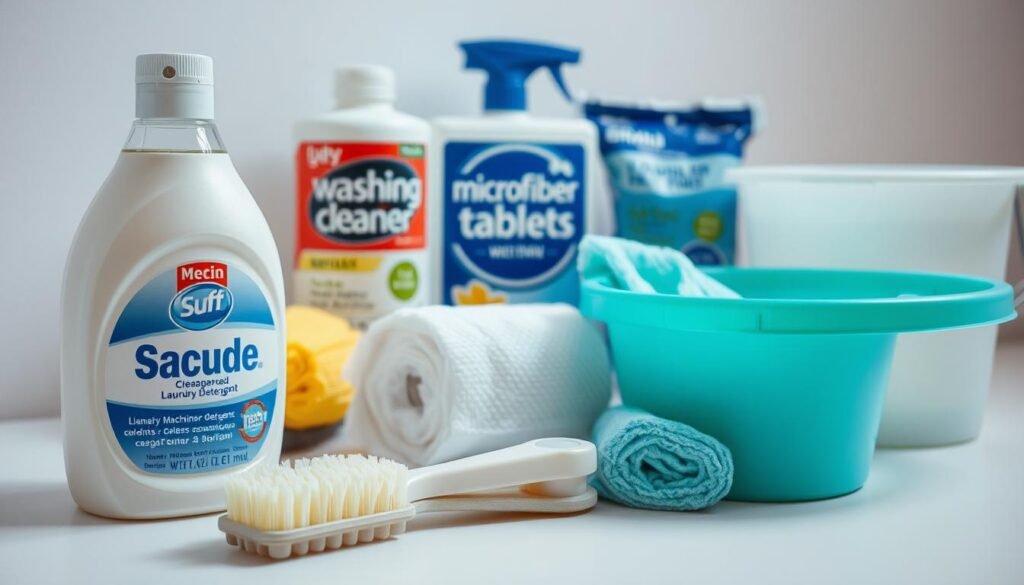
The first step in cleaning your washing machine is to gather the right supplies and take safety precautions. You’ll need a few basic items that you might already have at home.You can learn more about how-to-clean-airpods.
Gather Your Cleaning Supplies
To clean your washing machine well, you’ll need vinegar, baking soda, and a cleaning cloth. Vinegar is great for cleaning and removing odors. Baking soda helps get rid of tough stains and smells. A microfiber cloth is best for cleaning surfaces without leaving lint or scratches. You might also want to use a washing machine cleaner for extra help.
Safety Precautions to Consider
Before you start cleaning your washing machine, make sure to take safety steps. First, unplug your washing machine to prevent accidents or electrical shocks. Wear gloves to protect your hands from harsh cleaners and hot parts. It’s also smart to clean in a well-ventilated area to avoid inhaling fumes. These precautions will help you clean safely and effectively.
How to Clean the Drum of Your Washing Machine

To keep your washing machine in top shape, cleaning the drum regularly is key. A clean drum means your clothes get washed better, without dirt and residue. This improves the wash quality.
Using Vinegar and Baking Soda
Using vinegar and baking soda is a great, eco-friendly way to clean your washing machine’s drum. It’s also budget-friendly and gentle on your machine. Begin by adding 2 cups of white vinegar to the drum and run a hot water cycle. Vinegar naturally cleans and deodorizes, removing detergent residue and odors.
Next, sprinkle 1 cup of baking soda into the drum and run another hot water cycle. Baking soda is a natural abrasive that gets rid of tough stains and odors. As Consumer Reports says, “Baking soda is a mild abrasive that can help remove odors and stains without damaging the washing machine.”
Commercial Drum Cleaners: Do They Work?
If you prefer an easier method, there are commercial drum cleaners available. These products are made to clean the drum and remove debris. But, it’s important to follow the instructions and be safe.
Some people really like commercial cleaners for their effectiveness in removing buildup. Good Housekeeping magazine notes, “Commercial washing machine cleaners can be effective, but it’s essential to choose a product that is compatible with your machine.”
Whether to use a commercial cleaner or vinegar and baking soda depends on what you prefer and your washing machine’s needs.You can learn more about how-to-clean-a cast iron skillet
Cleaning the Detergent Drawer and Dispenser
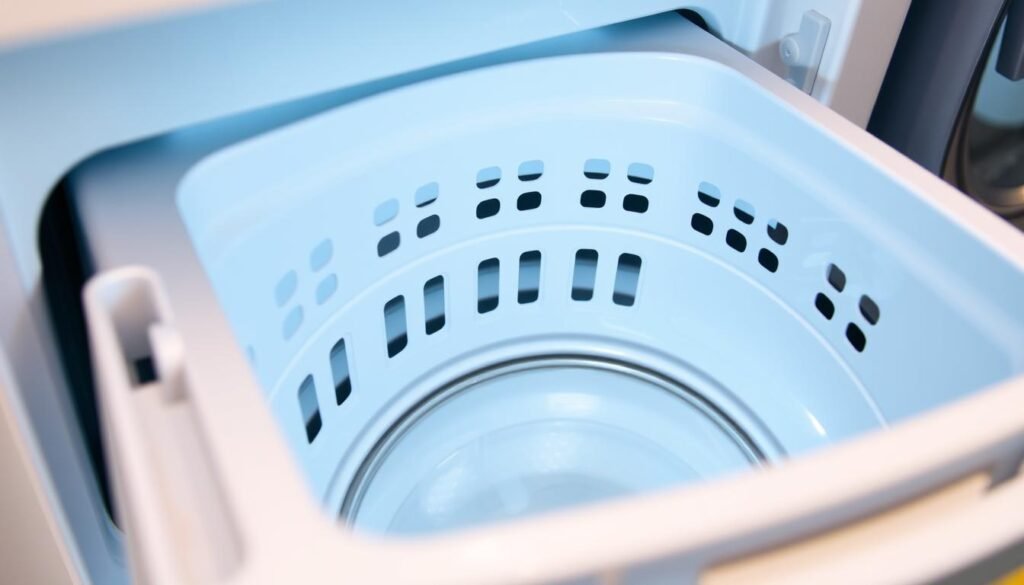
To keep your washing machine in top shape, cleaning the detergent drawer and dispenser is key. These parts can get clogged with detergent residue, fabric softener, and debris. This buildup can harm your washing machine’s hygiene and performance.
Step-by-Step Guide
Cleaning the detergent drawer and dispenser is easy. Just follow these simple steps:
- Pull out the detergent drawer and empty it of any leftover detergent or fabric softener.
- Rinse the drawer under warm water to get rid of any residue.
- Soak the drawer in a warm water and white vinegar mix for about 30 minutes. This helps break down tough buildup.
- Use a soft-bristled brush to gently scrub off any remaining residue or mold.
- Rinse the drawer well and let it dry before putting it back.
For the dispenser, check your user manual for specific cleaning instructions. The method might differ based on your model.
Avoiding Mold and Mildew Buildup
To stop mold and mildew from growing in the detergent drawer and dispenser, remember to:
- Leave the detergent drawer slightly open after each use to help it dry.
- Regularly check and clean the drawer and dispenser as part of your washing machine care routine.
- Make sure there’s good airflow around your washing machine to prevent moisture buildup.
By following these steps and tips, you can keep your washing machine’s detergent drawer and dispenser clean. This ensures your washing machine works well and efficiently.
Cleaning the Filter
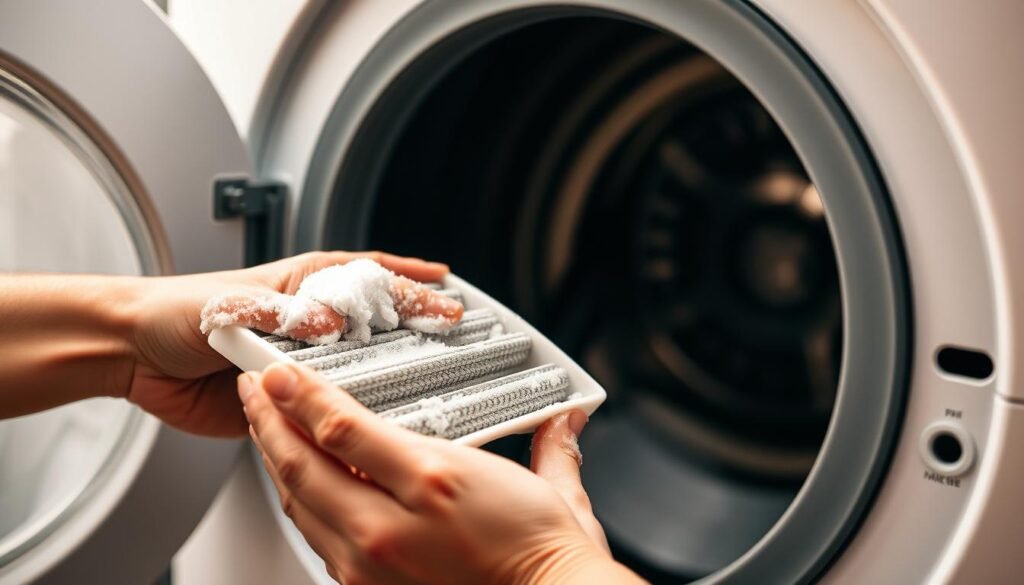
Cleaning your washing machine’s filter is key, yet often forgotten. The filter is crucial for your machine’s efficiency and effectiveness.
Importance of Regular Filter Maintenance
Regular filter cleaning prevents issues like poor drainage and reduced washing power. It keeps your washing machine running smoothly. For more on washing machine maintenance, see this article on cleaning the lint trap.
Ignoring the filter can cause debris buildup. This harms your machine’s drainage, leading to poor washing, higher energy use, and damage.
How to Locate and Clean the Filter
Finding and cleaning the filter is easy. Look for it at the bottom of your machine or behind a panel.
Once found, remove and wash the filter with warm soapy water. Use a soft brush to clean off debris.
After cleaning, dry the filter well. This prevents water spots and mineral buildup.
By following these steps, you’ll keep your washing machine’s filter clean. This ensures your machine works well and efficiently.
Cleaning the Exterior of the Washing Machine

To keep your washing machine in top shape, cleaning its outside regularly is key. A clean exterior not only looks better but also keeps your machine hygienic and lasting longer.
Choosing the right cleaning product is important. For most machines, a mix of mild detergent and warm water works well. But for stubborn stains, you might need a stronger cleaner. Always check your machine’s manual for the best cleaning products.
Recommended Cleaning Products
There are many cleaning products for the outside, depending on your machine’s material. Stainless steel needs a stainless steel cleaner for smudges. Plastic or painted surfaces can handle a gentle all-purpose cleaner. Stay away from harsh cleaners to avoid scratches.
Some good cleaning products include:
- Mild detergent
- Stainless steel cleaner for stainless steel surfaces
- Gentle all-purpose cleaners for plastic or painted surfaces
Keeping Control Panels Free from Dust
The control panel is very sensitive. It’s important to keep it dust-free and dry for its longevity and function. Use a soft, dry cloth to wipe away dust or dirt. For tougher dirt, a slightly damp cloth is okay, but avoid water in the buttons or openings.
Cleaning your washing machine’s exterior, including the control panel, keeps it looking and working great. For more detailed cleaning tips, like for top-load models, check out this guide on cleaning top-load washing machines.
| Surface Type | Recommended Cleaner | Precautions |
|---|---|---|
| Stainless Steel | Stainless Steel Cleaner | Avoid abrasive scrubbers |
| Plastic or Painted | Gentle All-Purpose Cleaner | Test on a small area first |
| Control Panel | Soft, dry cloth | Avoid moisture in buttons or openings |
Maintenance Tips for Your Washing Machine
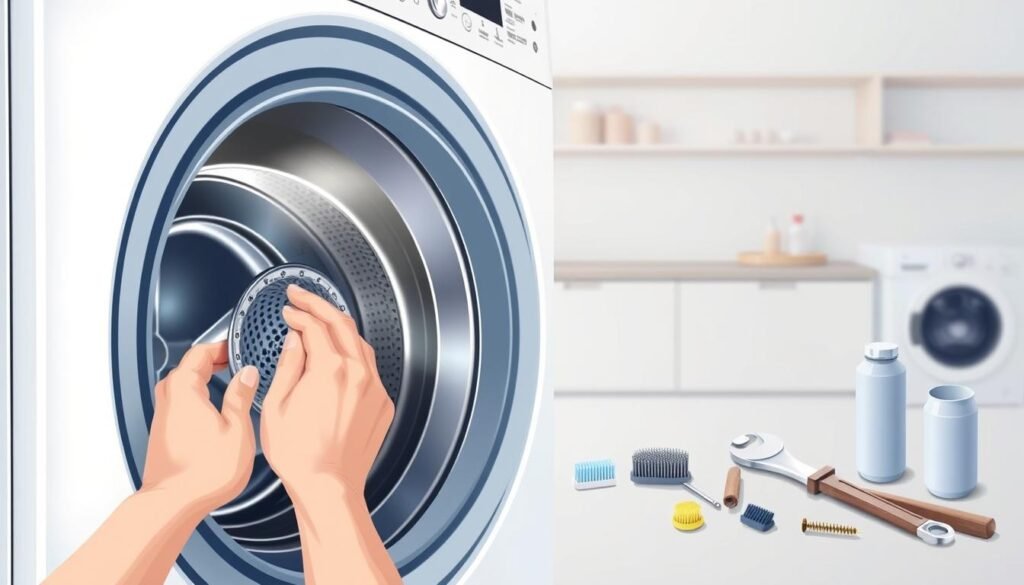
To keep your washing machine working well, you need to check it often and do some maintenance tasks. By making these habits part of your routine, your washing machine will keep running smoothly and efficiently.
Regular Inspection Practices
It’s important to check your washing machine regularly for any issues. Look at the hoses, seals, and detergent dispenser for wear or damage. For more tips, check out StateFarm’s article on washing machine maintenance.
When you inspect, watch for leaks, mold, or mildew. Check the hoses for bulges, cracks, or leaks and replace them if needed. Also, check the seals around the lid and detergent dispenser to stop mold and mildew.
Preventing Future Build-Up
To keep your washing machine running well, prevent buildup. Run a cleaning cycle with vinegar and baking soda every 1-2 months. This removes detergent residue, fabric softener buildup, and other debris that can slow it down.
Also, always check the detergent dispenser and drain pump filter for blockages. Leaving the washing machine door open after a cycle helps dry the interior and stops mold and mildew.
| Task | Frequency | Benefits |
|---|---|---|
| Check and replace hoses | Every 5 years | Prevents leaks and water damage |
| Clean detergent dispenser | Every 1-2 months | Prevents mold and mildew buildup |
| Run cleaning cycle | Every 1-2 months | Removes detergent residue and debris |
By following these maintenance tips, you can make your washing machine last longer and work better.
Eco-Friendly Cleaning Alternatives
Looking to reduce your ecological impact? There are effective, eco-friendly ways to clean your washing machine. Switching to green cleaning methods is a big step towards a sustainable lifestyle.
Natural Cleaning Solutions
Using natural ingredients like vinegar and baking soda is a simple, effective way to clean your washing machine. Vinegar is a natural disinfectant and deodorizer. Baking soda is a gentle abrasive that removes dirt and odors.
To use this method, add two cups of vinegar to the wash cycle and run it on the hottest setting. Then, sprinkle a cup of baking soda into the drum and run another hot cycle.
Benefits of Natural Ingredients:
- Environmentally friendly
- Non-toxic and safe for your family
- Cost-effective
Benefits of Going Green
Choosing eco-friendly cleaning for your washing machine is good for the environment. It also has other benefits. It reduces chemical residue on your clothes, makes your washing machine last longer, and makes your home safer.
| Eco-Friendly Method | Benefits |
|---|---|
| Vinegar and Baking Soda | Natural disinfectant, deodorizes, gentle abrasive |
| Regular Maintenance | Extends washing machine life, reduces energy consumption |
By using these eco-friendly cleaning methods, you can have a cleaner, fresher washing machine. Plus, you’ll be helping create a more sustainable future.
Frequently Asked Questions About Washing Machine Cleaning
As we’ve explored the importance and methods of washing machine cleaning, some questions may still linger. Let’s address a few common queries to help you maintain your appliance with confidence.
Cleaning Frequency
The frequency of cleaning your washing machine depends on usage. If you use it daily, consider cleaning it every 1-2 months. For less frequent use, cleaning every 3-4 months is sufficient. Regular cleaning prevents the buildup of debris and odors.
Using Bleach for Cleaning
Bleach can be used to clean your washing machine, but with caution. It’s effective against mold and mildew, but excessive use can damage certain parts. Always check your manufacturer’s guidelines before using bleach or any strong cleaning agent.
By understanding the answers to these common questions, you can better maintain your washing machine and ensure it continues to perform optimally. Regular cleaning and maintenance not only prolong the lifespan of your appliance but also contribute to cleaner, fresher laundry.


















2 Responses