

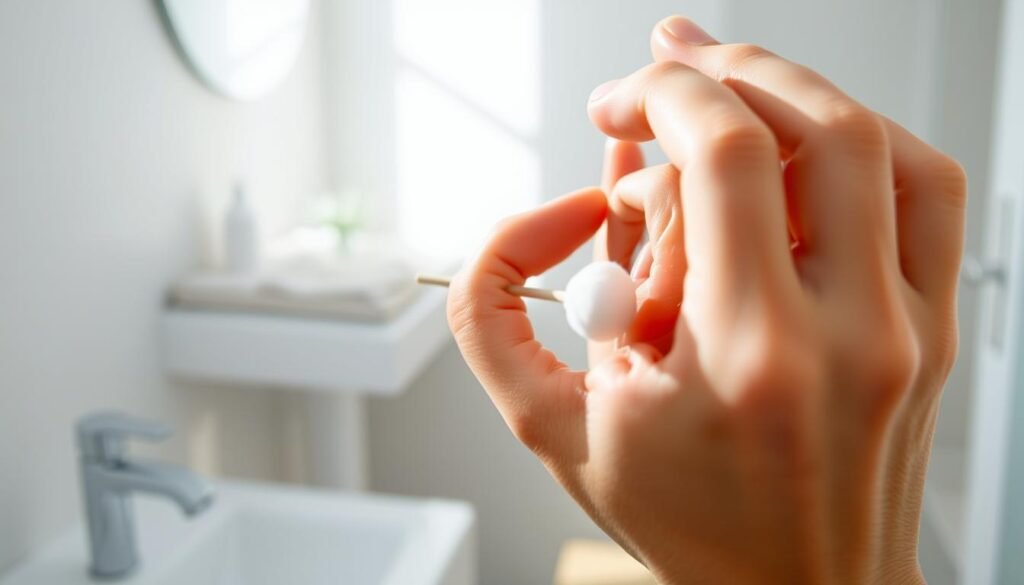
We know the topic can feel tricky, and many people worry about causing harm when they try to help themselves.
Our main point is simple: the body often manages wax and moisture on its own. Earwax protects the canal, traps debris, and keeps skin from drying. Chewing and jaw movement help move old wax outward where it dries and falls away.
We favor gentle care. Wiping the outer area with a soft, damp cloth is usually enough. If wax seems stubborn, a few drops of baby oil, mineral oil, glycerin, or hydrogen peroxide can soften buildup. We avoid inserting objects or using at-home suction tools or candles, which can harm the ear and affect hearing.
Key Takeaways
- Our ears are mostly self-cleaning; step in only with safe methods.
- Earwax serves protective and antibacterial roles.
- Wipe the outer ear gently; avoid inserting items into the canal.
- Soften stubborn wax with safe drops rather than tools.
- Seek an ENT if symptoms persist, worsen, or affect hearing.
Why most ears don’t need deep cleaning
Most of the time, our ears manage wax without any extra effort from us. Earwax protects and lubricates while it traps dirt and dust so particles don’t drift deeper into the ear canal.
Earwax forms in the outer part of the ear, not near the eardrum. Chewing and jaw movement help move old wax outward where it dries and falls away.
We see that aggressive routines often cause problems. Many people push wax inward with cotton swabs or tools, which can lead to impaction and discomfort.
The safest way is to leave the canal alone and only address visible wax at the opening. Preserving a normal layer of earwax keeps the ear healthier and less prone to infection.
“When symptoms show up, they usually come from disrupted wax flow rather than a lack of cleaning.”
- Earwax moves outward naturally as part of the body’s defense.
- Routine digging inside the canal often does more harm than good.
- Gentle, minimal care is the best way to support healthy ears.
How to clean your ears at home, step by step
Simple home steps can ease blockages without tools or force. We start with the least invasive move: wipe the outer ear with a warm, damp washcloth. Keep contact shallow so we don’t disturb the ear canal or scratch delicate skin.
Gently wipe the outside
Use a soft cloth and light pressure. Dry the fold and opening only. We never insert anything into the canal.
Soften wax with safe drops
Use OTC drops—options include oil formulas or a water-based solution like hydrogen peroxide—following the label. Place up to five drops once or twice daily for a few days. Then tilt head so the liquid sits briefly, and tilt the other way to drain onto a tissue.
Irrigate with body-temperature water and a syringe
Only irrigate when appropriate. Use a rubber bulb syringe with body-temperature water or saline. Gently rinse without force. Avoid cold water—it can cause dizziness—and stop if you feel pain, pressure, or reduced hearing.
- Soften with drops, allow contact time, then drain.
- Rinse gently with syringe and warm water for safe removal.
- Never use cotton swabs in the canal; use cotton only to dab the outer area dry.
What not to do: cotton swabs, ear candles, and risky tools
Some common tools give a quick sense of control, but they often cause more harm than good. We should avoid inserting objects into the ear canal and favor gentle surface care instead.
Why cotton tips and sticks are risky
We avoid cotton swabs inside the ear because they tend to push wax inward. This can worsen buildup and raise the chance of blockage or irritation.
A single cotton swab can scratch the lining of the canal. That break in skin invites infection and, with deep insertion, may even harm the eardrum.
Ear candling and other unsafe methods
Ear candling is not an effective cleaning technique. The FDA has warned that it can cause burns, leave candle wax in the canal, or perforate tissue.
“Using tools that reach past the visible opening often creates problems rather than solving them.”
- Stop at the outer folds; use cotton only for the visible area.
- Avoid sharp objects, bobby pins, or DIY suction gadgets.
- Surface care supports natural wax movement and limits repeat issues.
Recognizing earwax buildup vs. bigger problems
Noticeable changes in hearing, discomfort, or drainage may mean wax buildup has moved beyond a minor nuisance. We watch for clear signals so we can choose safe steps or seek help.

Common symptoms of earwax blockage and impaction
Symptoms often include a feeling of fullness, mild pain, muffled or partial hearing loss, ringing (tinnitus), odd odor, or discharge. Some people also cough or feel dizzy when impaction presses on the ear canal.
When not to self‑treat
We avoid at‑home routines if there is a known perforated eardrum, frequent infections, ear tubes, diabetes, or a weakened immune system. These risk factors raise the chance of harm from irrigation or other DIY attempts.
When to call a doctor and what removal methods they use
Contact a doctor when symptoms persist, worsen, or there is sudden hearing loss or draining fluid. A clinician may use manual tools like a curette or forceps, gentle suction, or controlled warm‑water irrigation. Irrigation may include water mixed with a mild peroxide solution when appropriate.
“Using a cotton swab can push wax closer to the eardrum and turn a minor issue into an earwax blockage that needs professional care.”
- Watch for persistent symptoms that limit hearing.
- People who wear hearing aids or earplugs may notice buildup sooner.
- Stop self‑treatment if dizziness, pain, or worse hearing occurs.
Choosing ear drops: ingredients that work and how to use them
We pick drops carefully so softening earwax is effective and gentle. Different ingredients act in distinct ways, and following package directions keeps the canal comfortable.
Water‑based options
Active agents include hydrogen peroxide, carbamide peroxide, acetic acid, docusate sodium, and sodium bicarbonate. These create fizzing or a mild chemical action that breaks up wax for easier removal.
Oil‑based options
Mineral, baby, olive, peanut, and almond oils work by slowly softening buildup. We favor oils when a gentler, non‑fizzing approach is preferred.
- Typical dosing: up to five drops once or twice daily for 3–7 days.
- Avoid drops with frequent infections, a perforated eardrum, or prior ear surgery; check a clinician if unsure.
- After softening, we may also use body‑temperature water and a syringe for a low‑pressure rinse.
- Use one product at a time and lie on one side so the solution stays in place for several minutes.
“Follow label directions and stop if you feel pain, pressure, or dizziness.”
Special situations: hearing aids, earplugs, and frequent wax
Managing wax when you wear a hearing aid takes small habits that protect both ears and devices. Wearing hearing aids or plugs can raise moisture and quicken earwax buildup. We set easy steps that lower risk and keep hearing clear.
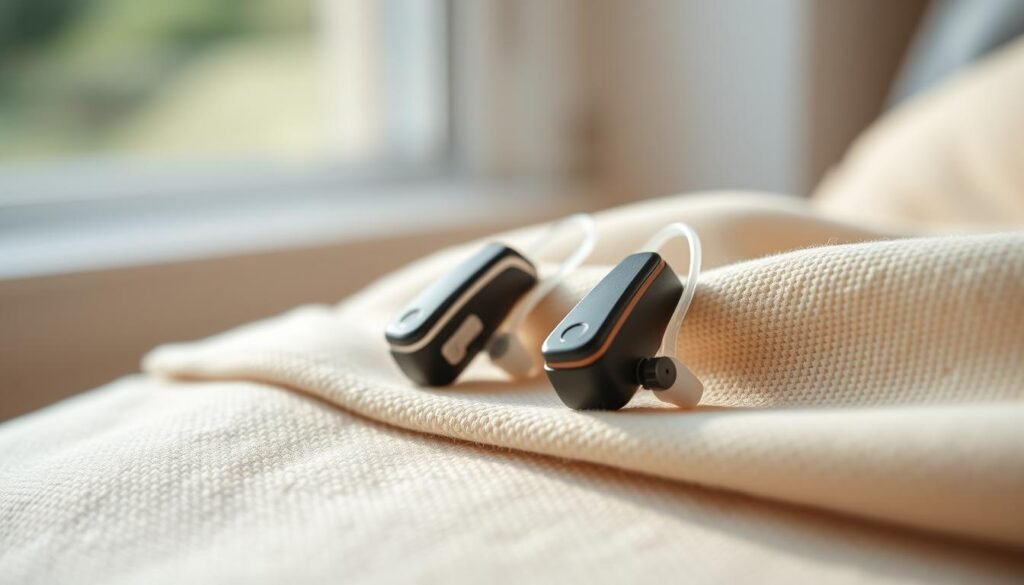
Daily care matters. Remove hearing aids for about eight hours each day, such as while sleeping, so the canal can breathe. Wipe devices and earmolds after use to stop wax from clogging sound ports.
- Use a weekly preventive drop of mineral oil for 10–20 minutes to soften wax.
- Watch for muffled hearing, feedback, or sudden changes—early signs of obstruction.
- Keep ears and devices dry after showering or exercise to protect electronics and the ear canal.
We schedule checks with a doctor every 6–12 months. If buildup returns, professional removal by manual tools, suction, or irrigation is safest. A small amount of peroxide can help some people, but we stop and consult a clinician if irritation appears.
“Simple routines protect hearing aids and reduce the chance of hearing loss.”
Protecting your ears for healthy hearing
Daily choices around volume, moisture, and protection help preserve hearing over years. We limit loud noise exposure, wear earplugs at concerts or during noisy work, and use protective headgear when needed.
Keep water from lingering by drying the outer area and tilting the head after swimming. This small habit helps the ear canal stay drier and reduces trapped dirt or debris.
We never insert objects smaller than an elbow that might touch the eardrum. The safest way is to leave internal cleaning to professionals when blockage or pain appears.
- Manage volume and take headphone breaks; keep sound low enough that others can’t hear it.
- Dry the visible part after swims and showers so water does not sit in the canal.
- Act quickly for sudden pain, hearing changes, or injury—prompt care prevents worse problems.
- We may also update habits seasonally, watching for more moisture in summer or extra dryness in winter.
“Small, steady steps protect hearing and reduce irritation over the long term.”
Your safe path to clean ears and clearer hearing
We stick with simple steps that protect hearing and limit risk. Wipe the outer ear, soften earwax with approved drops, tilt head to drain, and use body‑temperature water with a syringe only when gentle rinsing is appropriate.
We never insert cotton swabs into the canal or try ear candling. Stop if you feel pain, worsening loss, or dizziness and call a doctor. Ongoing blockage or impaction usually needs professional removal with curettes, suction, or controlled irrigation.
Some people—those with a perforated eardrum, ear tubes, diabetes, or immune issues—should seek doctor guidance before any self‑irrigation. Pair safe home care with periodic checks, especially if you wear a hearing aid, to keep hearing clear and prevent hearing loss.


















2 Responses