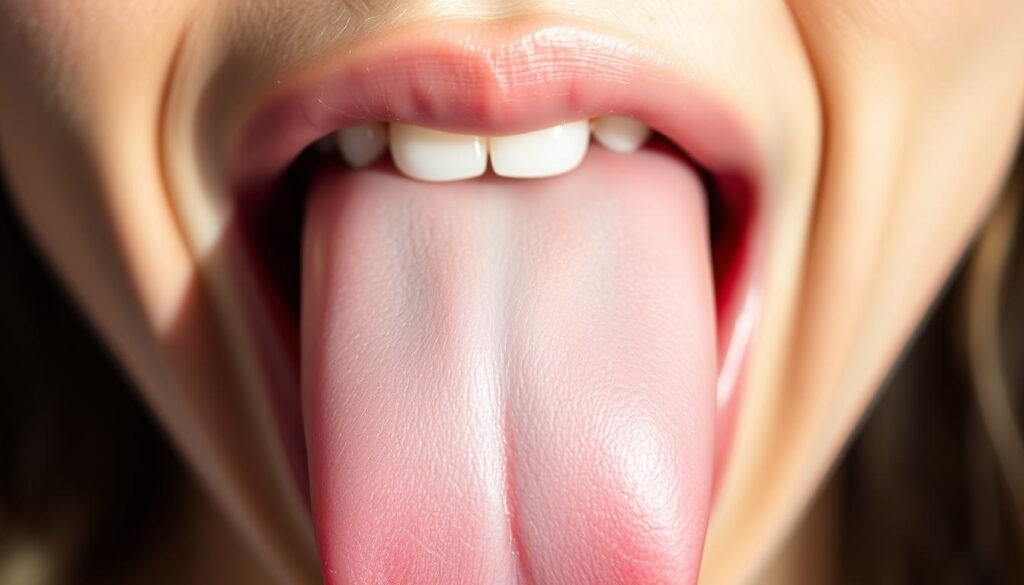
Did you know most mouth bacteria live on your tongue? This can cause bad breath, gum disease, and more. Cleaning your tongue is as crucial as brushing and flossing for good oral health.
Good oral hygiene is more than just brushing teeth. It also means cleaning your tongue. This article will show you why tongue cleaning is key and how to do it right.
Key Takeaways
- Understand the importance of tongue cleaning for better oral hygiene.
- Learn simple and effective methods for cleaning your tongue.
- Discover how tongue cleaning can improve your overall oral health.
Why Tongue Cleaning is Important
Keeping your tongue clean is key to a healthy mouth and overall health. Dental experts say, “A clean tongue is the key to a fresh breath and a healthy oral environment.” We’ll look at why tongue cleaning is important, its benefits for your mouth, and how it helps prevent bad breath and boosts overall health.
Benefits for Oral Health
Tongue cleaning is a crucial part of oral hygiene. It helps remove bacteria, debris, and mucus from your tongue. This reduces the risk of oral infections and diseases. Regular tongue cleaning also makes brushing and flossing more effective.
For tips on how to clean your tongue right, check out Wethersfield Dental Group’s guide.
A clean tongue helps keep your mouth healthy. The American Dental Association stresses the role of tongue cleaning in good oral hygiene.
Impact on Bad Breath
Bad breath often comes from bacteria on the tongue. Tongue cleaning is a simple way to fight bad breath. It removes bacteria and debris, leaving your breath fresher and boosting your confidence in your oral care.
Dental experts agree, “tongue cleaning is key to preventing bad breath.”
Connection to Overall Health
Studies link oral health to overall health. A clean tongue can lower the risk of diseases like heart disease and diabetes. Good oral hygiene, including tongue cleaning, is vital for your overall well-being.
Research supports the link between tongue cleaning and better health. It shows why making tongue cleaning a daily habit is important.
Types of Tongue Cleaners
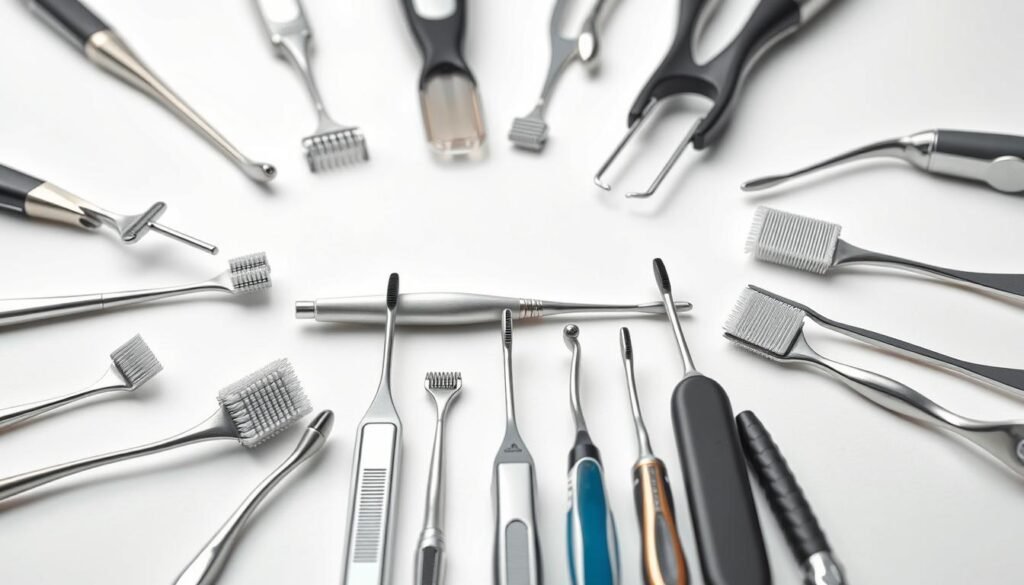
There are many types of tongue cleaners out there. Each has its own benefits and drawbacks. Picking the right one can make your oral hygiene routine better.
Tongue Scrapers
Tongue scrapers are a favorite for cleaning tongues. They’re made of metal or plastic. They help remove bacteria, debris, and mucus from your tongue.
- Pros: Good at removing coating, easy to clean, and more efficient than others.
- Cons: May make some people gag, needs proper storage to avoid bacteria.
Toothbrush Method
Using a toothbrush to clean your tongue is easy and cheap. Many toothbrushes have a tongue cleaner on the back.
- Pros: Handy, as it uses a tool you already have; gentle on your tongue.
- Cons: May not work as well as dedicated scrapers; bristles can be soft and less effective.
Electric Tongue Cleaners
Electric tongue cleaners are a new twist on old methods. They have different settings for comfort.
- Pros: More effective than manual scraping, offers various modes for sensitivity, and some have sanitizing features.
- Cons: Needs batteries or charging, and is pricier than manual scrapers.
When choosing a tongue cleaner, think about what you prefer, your oral health needs, and how comfortable you are with different tools.
How to Choose the Right Cleaner for You
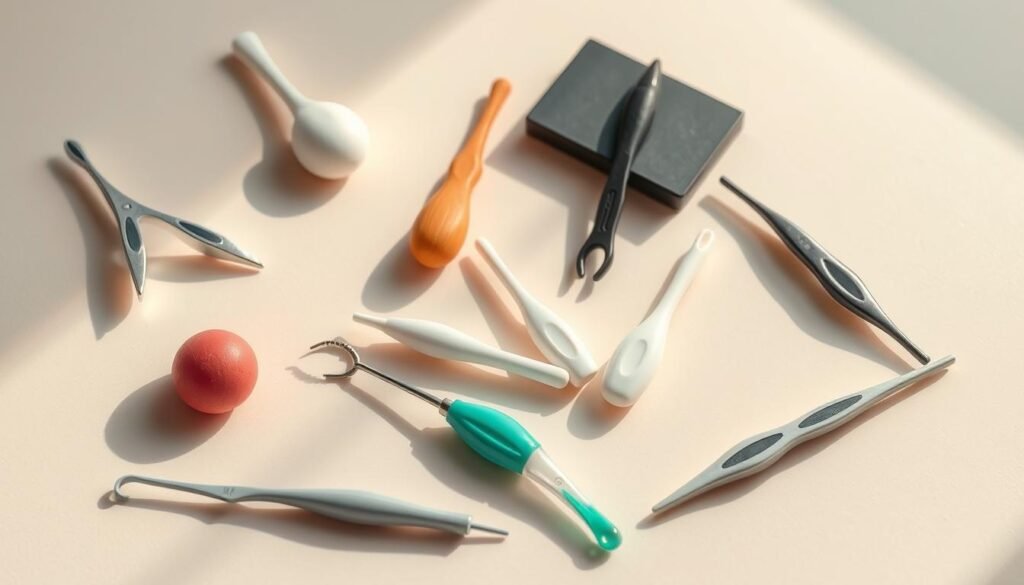
Choosing the right tongue cleaner is a personal choice. It depends on material, preference, and cost. Knowing these factors helps you pick the best one for your needs.
Material Considerations
The material of your tongue cleaner matters a lot. It affects how well it works and how comfortable it is. Stainless steel is tough and easy to clean, making it a favorite. Plastic cleaners are cheaper and softer on the tongue. Copper has special properties that help keep your mouth healthy.
| Material | Durability | Cost | Antimicrobial Properties |
|---|---|---|---|
| Stainless Steel | High | Moderate | No |
| Plastic | Low | Low | No |
| Copper | High | High | Yes |
User Preferences
What you like also matters a lot. Some like the simple, affordable plastic tongue scraper. Others prefer the lasting quality of stainless steel or the health benefits of copper. Think about whether you like manual or electric cleaners and any extra features.
Cost and Accessibility
Tongue cleaners come at different prices. Some are very cheap, while others are more expensive. Think about how much you can spend and how often you’ll need a new one. Also, consider where you can buy them. Some are easy to find online or in stores, while others might be harder to get.
By looking at material, what you like, and cost, you can find a tongue cleaner that’s right for you. It should meet your oral health needs and fit your budget and lifestyle.
Step-by-Step Guide to Cleaning Your Tongue

A clean tongue is key to a healthier mouth. I’ll show you how to do it. Cleaning your tongue is simple and makes a big difference in your oral health.
Preparing Your Tongue Cleaner
First, get your tongue cleaner ready. If you have a tongue scraper, rinse it with warm water. Make sure your toothbrush is just for tongue cleaning and is properly sanitized.
Technique for Effective Cleaning
Here’s how to clean your tongue well:
- Gently stick out your tongue.
- Put the tongue cleaner or toothbrush as far back as you can.
- If using a scraper, pull it forward gently but firmly. If using a toothbrush, brush your tongue from back to front.
- Rinse your tongue cleaner or toothbrush.
- Do this 2-3 times until your tongue feels clean.
Rinsing and Aftercare
After cleaning, rinse your mouth well with water or mouthwash. This gets rid of any leftover bacteria or debris. Also, clean your tongue cleaner and keep it dry.
| Step | Action | Tips |
|---|---|---|
| 1 | Prepare your tongue cleaner | Rinse with warm water |
| 2 | Clean your tongue | Scrape or brush from back to front |
| 3 | Rinse your mouth | Use water or mouthwash |
Frequency of Tongue Cleaning

Adding tongue cleaning to your daily routine can greatly improve your oral health. It helps stop bacteria and debris from building up. This can prevent bad breath and other oral health problems.
Daily Routine Recommendations
Cleaning your tongue once or twice a day is usually enough. Morning is often the best time to do it, as it removes bacteria that build up at night. But, if you’re very active socially or professionally, you might need to do it more often.
When to Clean After Eating
Cleaning your tongue after meals is a good idea, like after eating garlic or onions. It gets rid of bad smells and freshens your breath. Experts say wait at least 30 minutes after eating to clean your tongue. This lets your saliva neutralize acids.
Factors That Influence Frequency
Several things can change how often you should clean your tongue. For example:
- If you smoke or use tobacco, you might need to clean your tongue more.
- If you have a dry mouth, you’ll need to clean it more often because of less saliva.
- If you eat a lot of sugar or acidic foods, you might need to clean your tongue more.
By thinking about these factors and adjusting your tongue cleaning routine, you can keep your mouth healthy and your breath fresh.
Common Mistakes to Avoid
Many of us make mistakes when cleaning our tongues that can harm our oral health. It’s not just about removing bacteria. It’s also about doing it safely. Knowing these mistakes helps keep your mouth healthy.
Over-Cleaning
Over-cleaning your tongue can cause irritation and discomfort. It’s important to find a balance between cleaning and not overdoing it. Cleaning your tongue once or twice a day is enough.
“The key is gentle, consistent cleaning, not aggressive scrubbing.” This way, you keep your tongue healthy without irritation.
Using the Wrong Tools
Using the wrong tools for tongue cleaning can be ineffective or harmful. Tongue scrapers are generally recommended over toothbrushes because they are made for tongue cleaning. Using a toothbrush with hard bristles or a metal scraper wrong can damage your tongue.
Ignoring Other Oral Hygiene Practices
Ignoring other oral hygiene practices while focusing on tongue cleaning can lead to an imbalance. It’s crucial to maintain regular brushing, flossing, and dental check-ups. Tongue cleaning should complement, not replace, these essential practices. A complete oral hygiene routine includes multiple facets, and neglecting any one of them can have broader oral health implications.
As the American Dental Association emphasizes, a complete oral care routine is vital for overall health. Ensuring you don’t overlook any aspect of oral hygiene is key to maintaining a healthy mouth.
Incorporating Tongue Cleaning into Your Routine
To keep your mouth healthy, add tongue cleaning to your daily routine. It not only makes your breath smell better but also gets rid of harmful bacteria. This simple habit can greatly improve your mouth’s health.
Morning vs. Evening Cleaning
Choosing when to clean your tongue depends on what works best for you. Cleaning in the morning can start your day fresh by removing bacteria from the night. Evening cleaning can clear out bacteria and food bits from the day, helping your mouth while you sleep.
Some people clean their tongue both in the morning and evening. This keeps their tongue clean all day and night. But, if you’re just starting, cleaning once a day and adjusting as needed is easier.
Pairing with Brushing and Flossing
For the best oral care, clean your tongue after brushing and flossing. Brushing removes plaque and food, tongue cleaning gets rid of bacteria, and flossing keeps gums healthy. This order ensures your mouth is clean from all angles.
For more on tongue cleaning and its role in oral health, check out Tulsa Precision Dental.
Keeping Your Cleaner Handy
To make tongue cleaning a regular part of your routine, keep your cleaner in a place you see every day. Store it with your toothbrush or in a special spot to remind you to use it.
Here are some tips to keep your tongue cleaner easy to find:
- Store it near your toothbrush to create a visual reminder.
- Use a travel-sized tongue cleaner for convenience on-the-go.
- Set a reminder on your phone to clean your tongue at the same time each day.
By following these tips, tongue cleaning can become a simple and beneficial part of your daily routine.
Understanding Tongue Health Indicators
Knowing how to read your tongue’s health is key for good oral hygiene and overall health. Your tongue can show signs of nutritional issues or health problems.
Color Changes
A healthy tongue is usually pink. Color changes can mean different health issues. For example, a white coating might be a fungal infection. A red tongue could show a vitamin deficiency or infection.
Spotting these changes early can help catch health problems before they get worse. If you see lasting color changes, talk to your dentist or doctor.
Texture and Coating
The texture and coating of your tongue also tell a lot about its health. A healthy tongue has a thin coating and feels smooth. A thick, white coating might mean bad oral hygiene or an imbalance in your mouth’s bacteria.
A tongue that feels rough or has deep cracks could be dehydrated or lacking certain nutrients. Checking your tongue’s texture and coating regularly helps keep your mouth healthy.
What to Discuss with Your Dentist
If your tongue’s color, texture, or coating looks off, talk to your dentist. They can help figure out what’s wrong and how to fix it.
Going to the dentist regularly is a great way to keep an eye on your tongue and mouth health. Your dentist can give you advice tailored to your needs.
Natural Remedies for Tongue Cleaning
Looking into natural remedies for tongue cleaning shows us many simple and helpful options. These methods keep our mouths clean without using harsh chemicals. They’re a great alternative to traditional tongue cleaning tools.
Saltwater Rinse
Making a saltwater rinse is easy and effective. Mix 1 teaspoon of salt with 8 ounces of warm water. Swish it around in your mouth, making sure to get the back of your tongue. Then, spit it out. This helps cut down on bacteria and inflammation.
Benefits of Saltwater Rinse:
- Reduces bacterial growth
- Soothes sore throats
- Easy to prepare
Herbal Solutions
Herbal solutions, like those with peppermint or tea tree oil, are good for tongue cleaning. These herbs fight bad breath and plaque because of their antimicrobial properties.
Tips for Using Herbal Solutions:
- Choose products with natural ingredients
- Follow the manufacturer’s instructions
- Be aware of potential allergic reactions
For more info on tongue cleaning and oral hygiene, check out Healthline’s guide on how to clean your tongue.
Baking Soda Paste
Baking soda is another natural way to clean your tongue. Mix 1 teaspoon of baking soda with a few drops of water to make a paste. Use a soft-bristled toothbrush to gently rub the paste on your tongue, then rinse well.
Advantages of Baking Soda Paste:
| Benefit | Description |
|---|---|
| Neutralizes Acids | Baking soda balances your mouth’s pH |
| Removes Debris | The abrasive nature of baking soda removes dead cells and debris |
| Freshens Breath | Leaves your mouth feeling clean and fresh |
Adding these natural remedies to your oral care routine can improve your tongue’s health. It also boosts your overall oral well-being. Always talk to a healthcare professional before trying new oral care practices.
Products to Assist in Tongue Cleaning
Choosing the right products for tongue cleaning is key. I’m here to help you find the best ones for your routine. With so many options, picking the right one can be tough.
Recommended Brands
Some brands are known for their quality in tongue cleaning. For example, tongue scrapers from DenTek and Radius are popular. They are durable and easy to use.
When picking a brand, look at the material, design, and what others say. Stainless steel and copper are good choices because they fight bacteria.
DIY Cleaning Solutions
If you prefer natural methods, DIY solutions work well. A saltwater rinse can clean your tongue of bacteria and debris.
To make a saltwater rinse, mix 1 teaspoon of salt with 8 ounces of warm water. Swish it around in your mouth, then spit it out.
Reviews of Popular Tools
Tongue cleaning tools range from simple scrapers to electric cleaners. Think about what you need and like.
Tools like the Tongue Scraper by DenTek and the Electric Tongue Cleaner by Philips are well-liked. They are easy to use and effective.
The best tongue cleaning product is one you’ll use often and right. Choose something that meets your needs and preferences. This way, you can keep your tongue clean and healthy.
Additional Tips for Oral Hygiene
Good oral hygiene is more than just tongue cleaning. It’s important to add other habits to your daily routine for a healthy mouth.
The Importance of Mouthwash
Mouthwash is a great addition to your oral care. It kills bacteria, cuts down plaque, and makes your breath fresh. Choose a mouthwash with chlorhexidine or essential oils to fight oral health problems.
Staying Hydrated for Oral Health
Drinking lots of water is key for your mouth. It washes away food, lowers dry mouth risk, and keeps your mouth clean. Try to drink at least eight glasses of water a day for better oral health.
Regular Dental Check-Ups
Regular dental visits are crucial for your mouth’s health. Going to the dentist every six months helps spot problems early, gets a professional cleaning, and gives advice on better oral care.
By adding tongue cleaning to these tips, you can have a healthier, fresher mouth. Make these habits part of your daily routine for better oral health and overall well-being.