Surprising fact: nightly spikes in histamine can wake many people around 3 a.m., causing a racing heart and anxiety.
I’ll show you exactly how I get fast relief within 72 hours and then build a routine that keeps levels steady over weeks.
Histamine plays real roles in immunity, digestion, and as a brain messenger. When breakdown lags, I feel itching, flushing, headaches, gut churn, and sleep disruption.
Two enzymes, DAO and HNMT, handle most of the work. Deficits, certain meds, fermented foods, aged cheese, alcohol, stress, and gut issues raise risk.
My plan has two clear phases: short-term relief and long-term maintenance. I rely on a low-histamine diet, targeted supplements, sleep care, and gut repair strategies that fit my life.
If symptoms are severe or suggest MCAS or medication interactions, I partner with a clinician. This approach helped me regain calm, better sleep, and steadier energy in daily life.
Key Takeaways
- I promise a 72-hour rescue plan plus a weekly routine for lasting control.
- Histamine has useful roles, but excess causes clear symptoms and night wakings.
- DAO and HNMT are central; many foods and meds can worsen intolerance.
- Diet, supplements, stress care, and gut support form my core strategies.
- Work with a clinician if symptoms are intense, persistent, or complex.
Understanding histamine, intolerance, and why clearance matters
I pay attention to sudden night wakings because they often point to nocturnal rises in immune mediators that affect sleep and comfort.
Late, histamine-rich meals, stress, or reduced enzyme activity can trigger a classic 3 a.m. surge. That spike brings flushing, itching, a racing heart, headaches, anxiety, reflux, nasal congestion, and changed bowel habits.
Recognizing common symptoms
- Itchy skin or hives and facial flushing
- Headaches or migraines and a fast heartbeat
- Nasal stuffiness, reflux, bloating, loose stools or constipation
- Fatigue, anxiety, poor sleep
The biological players: enzymes and release
Mast cells and basophils drive histamine release when triggered by allergens, mold, or stress.
DAO works in the gut lumen and breaks down extracellular histamine. HNMT inactivates intracellular histamine in cells and the brain by methylation.
Low DAO activity often links with gut issues like SIBO, mucosal damage, or certain medications. That reduced clearance lets normal meals cause outsized symptoms, so I track patterns and use testing as context rather than a single answer.
How to clear histamine from body: a practical, step-by-step plan

I start with a brief rescue phase, then shift into steady maintenance that fits my daily life.
Quick-start actions I take in the first 72 hours
I eat simple, fresh meals and skip aged or fermented foods, alcohol, and cured meats. I sip electrolytes and water to stay hydrated.
I use vitamin C and quercetin for near-term relief and try DAO supplements before suspect meals. If a trial shows no benefit after a few tests, I stop and refocus on other parts of my routine.how-to-clean-dryer-vent
Immediate relief vs. long-term strategies
Immediate moves aim at symptom control: low‑histamine foods, natural antihistamines, cool sleep, and breathing exercises that calm my nervous system.
Longer work lasts 2–4 weeks. I keep a low‑histamine diet, log meals and symptoms, then reintroduce single foods to map tolerance. I separate quick wins from root repairs like gut support and consistent sleep.
Safety, personalization, and when I see a clinician
I carry a small flare kit with electrolytes, vitamin C, a safe snack, and my symptom tracker. I contact my clinician for chest tightness, ongoing tachycardia, or signs of MCAS.
I review medications quarterly with my doctor, since NSAIDs, some antibiotics, and certain antidepressants can worsen enzyme activity or provoke release. I adapt steps for parents, athletes, and shift workers so the plan stays realistic.
| Focus | First 72 hours | 2–4 week plan |
|---|---|---|
| Diet | Fresh proteins, simple veg, no aged items | Elimination, tracking, staged reintroductions |
| Supplements | Vitamin C, quercetin, trial DAO before meals | Assess need; add cofactors like B6 and magnesium |
| Lifestyle | Cool bedroom, breathing drills, hydrate | Sleep hygiene, moderate exercise, stress routines |
For a complete rescue and maintenance checklist, see my flush plan and discuss personalization with your clinician.
Low-histamine diet foundations to reduce intake and release

Small changes in food choice and storage cut spikes and make nights calmer for me. I focus on fresh cooking, short storage, and clear swaps that fit daily life.
Foods and drinks I reduce or avoid: I skip aged cheeses, fermented foods like yogurt and kimchi, and cured or canned meats. I limit alcohol — especially beer and wine — and avoid leftovers that sit at room temperature.
What I eat instead: My plate centers on freshly cooked proteins (chicken, turkey, lamb, same‑day fish), gluten‑free grains like rice and oats, and safe fruits and vegetables such as apples, pears, grapes, melons, and blueberries.how-to-clean-a-washing-machine
I cook simply: boil, steam, or pressure‑cook rather than char or grill. I buy smaller portions and freeze extras quickly to keep levels low.
Elimination and reintroduction strategy
I use a strict 2–4 week elimination to calm reactions, then reintroduce single foods every 3–4 days while logging symptoms. This builds my personal tolerance map and highlights patterns tied to stress, sleep, or stacked exposures.
“Diet is a tool—not a life sentence. My goal is to widen choices as tolerance improves.”
| Category | Avoid | Prefer |
|---|---|---|
| Dairy &ferments | Aged cheeses, yogurt, sauerkraut, kimchi | Fresh lactose-free options, small portions of fresh cheese (trial) |
| Meats & fish | Cured, smoked, canned meats and fish | Freshly cooked chicken, turkey, lamb, same‑day fish |
| Fruits & vegetables | Tomatoes, spinach, eggplant, citrus, strawberries, bananas, avocados | Apples, pears, grapes, melons, blueberries, most fresh veg |
| Drinks & storage | Beer, wine, cider, kombucha, long-stored leftovers | Water, herbal teas, small-batch fresh meals, rapid cooling/freezing |
Targeted supplements and enzymes that support clearance

I rely on a short list of targeted supplements and enzymes that often shift my symptoms within days. I use these as part of rescue work and longer maintenance, and I track responses carefully.
When I use DAO enzyme and what I expect
I take a DAO enzyme supplement right before meals that might be higher in histamine or when I’m eating out and ingredient control is low. Effects vary: some people notice relief in a few hours; others need several trials or higher doses.
If I see no benefit after a few controlled tests, I shift focus from DAO enzyme supplements toward methylation support and gut repair.how-to-clean-battery-corrosion
Natural antihistamine support
For steady support I stack vitamin C with quercetin and add stinging nettle for anti‑inflammatory backup. These nutrients help calm mast cells and reduce release.
I titrate slowly, especially with quercetin, and prefer powders when I need fine dosing. I watch for interactions if I take other meds.
Key cofactors that aid metabolism
Foundations matter: vitamin B6 and copper assist DAO. SAM‑e supports HNMT pathways. Zinc, folate, and magnesium back methylation and detox processes.
- I keep supplement quality high and timing consistent.
- I revisit labs if brain or skin symptoms persist, which may hint at HNMT issues rather than gut DAO problems.
- I coordinate with my clinician when pregnant, medicated, or managing chronic conditions.
| Role | Common dose form | Why I use it |
|---|---|---|
| DAO enzyme | Capsule before meals | Blunts dietary spikes for some individuals |
| Vitamin C + quercetin | Capsule or powder | Stabilizes mast cells and reduces release |
| SAM‑e, B6, zinc | Tablet or powder | Supports methylation and long‑term metabolism |
Lifestyle levers that help reduce histamine release

Managing stress and sleep often changes my symptom pattern more than swapping a single food. Small daily habits calm immune nerves and lower evening surges that wake me at 3 a.m.
Stress management that calms mast cells
I schedule short resets: box breathing, five-minute body scans, or brief walks every few hours. These pauses quiet my nervous system and keep mast cells less reactive.
When stress runs high, I simplify meals to low‑histamine staples and favor gentle routines over ambitious plans.
Sleep hygiene and exercise without triggering histamine
I keep a consistent bed and wake time, use morning light, and stop screens an hour before sleep. A cool, dark, low‑allergen bedroom helps lower nighttime histamine levels.
For movement, I choose walking, cycling, mobility work, or short strength circuits. I avoid long, exhaustive sessions that can trigger a release.
- I log how workout type and timing affect my sleep and next-day symptoms.
- I wash bedding hot, dust often, and run a HEPA purifier to reduce overnight triggers.
- If I wake at 3 a.m., I reassess dinner timing, meal choices, and my wind‑down routine.
“Short, regular stress resets and steady sleep habits have the biggest impact on my health and tolerance.”
Note: I pair these lifestyle levers with targeted foods and supplements only when needed, since routine habits create the most lasting change in my gut and overall health.how-to-clean-shower-head
Gut health strategies to lower production and improve tolerance
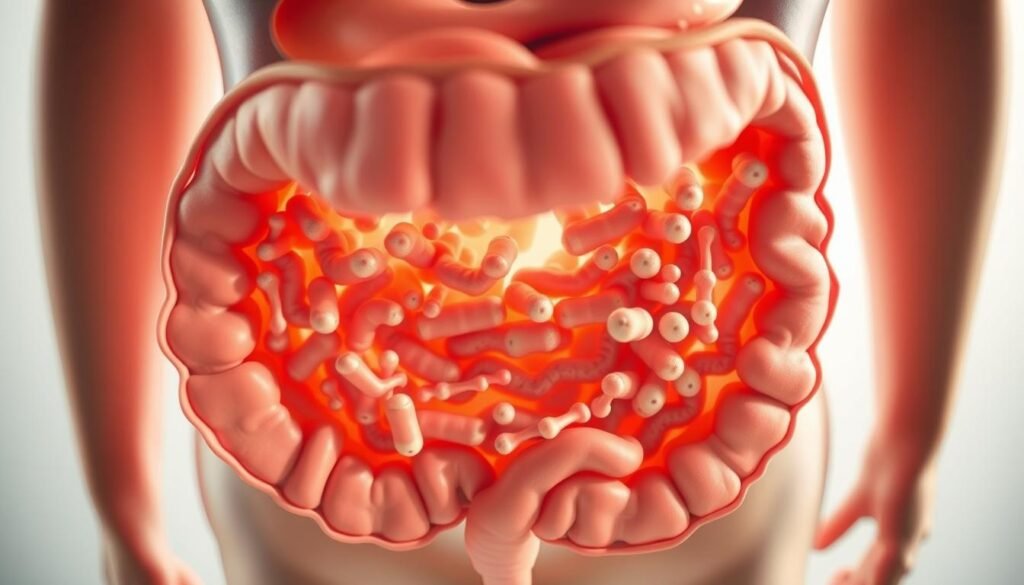
Many histamine problems begin deep in the gut, where microbes and barrier strength shape daily symptoms.
Choosing low‑histamine probiotics and supportive strains
I focus on repairing my gut barrier and rebalancing microbes because that’s where many intolerance patterns start.
My go‑to strains are low‑histamine options like Lactobacillus rhamnosus GG and select Bifidobacterium strains. I avoid fermented foods early, since they often raise levels and trigger flares.
Cooking fresh, managing leftovers, and supporting butyrate
I cook fresh and portion meals so leftovers don’t sit. If I can’t eat a serving within a day, I cool it quickly and freeze it.
To support butyrate production I add tolerated fibers such as oats, rice, peeled apples and pears, and cooked carrots or zucchini. These feed short‑chain fatty acid production and help colonocytes and barrier repair.
- I consider microbiome testing when symptoms persist and ask about species like Clostridium perfringens or Enterococcus faecalis.
- I add gentle prebiotic fibers cautiously and pull back if bloating or flares occur.
- As my gut health improves, I widen foods and retest reactions methodically.
Note: For research on microbial links and barrier repair, I often reference gut health research like the review at this review.
Common triggers and medications to review with your doctor

I keep a short, clear list of meds and everyday triggers before any clinic visit. This makes conversations productive and helps spot hidden sources of symptom spikes.
Medication audit: NSAIDs, certain antibiotics, antidepressants, and DAO blockers
I bring every prescription and over‑the‑counter medication to my clinician and ask whether any can block DAO or increase histamine. Some common culprits include NSAIDs like ibuprofen and aspirin, antibiotic combos with clavulanic acid, certain antidepressants such as amitriptyline, and mucolytics like acetylcysteine.
- I note alcohol and frequent vinegar use, since these may impair the enzyme that helps break down histamine.
- I mention overlapping diagnoses — IBS, SIBO, IBD, migraines, urticaria, asthma, and mast cell activation — so we can see if intolerance is amplifying symptoms.
- I ask about safer alternatives, dose changes, or timing shifts when a needed medication spikes symptoms.
- I run one change at a time, track sleep, skin, gut, and headache responses, and loop in my pharmacist for interaction checks when adding supplements.
- I re‑review this list quarterly because new meds or life events can alter tolerance and histamine levels.
| Category | Examples | Why I watch |
|---|---|---|
| Analgesics | Ibuprofen, aspirin | May impair DAO and raise histamine release |
| Antibiotics & mucolytics | Clavulanic combos, acetylcysteine | Can trigger gut changes that increase histamine |
| Antidepressants | Amitriptyline and similar agents | May interfere with enzyme activity or mast cell stability |
“A medication and diagnosis review often uncovers simple fixes that lower flare frequency.”
Conclusion
I built a simple framework rather than chasing a single fix. Fresh cooking, steady sleep, brief stress resets, and measured supplements are the pillars that changed my nights and skin sensitivity.
A low‑histamine diet often helps even when DAO tests stay low. I watch foods, space potential triggers, and treat supplements like targeted tools — vitamin C, quercetin, DAO enzyme and cofactors — not forever solutions.
I stay curious about my gut and gut health. Supporting microbes and barrier repair usually eases levels and production over weeks. For microbial and barrier context I reference a clinical review that guides my choices: microbial links and barrier repair.
Finally, I review medications and note mast cell patterns with my clinician. I log wins, adjust, and trust small, steady changes — progress compounds when the plan fits my life.