

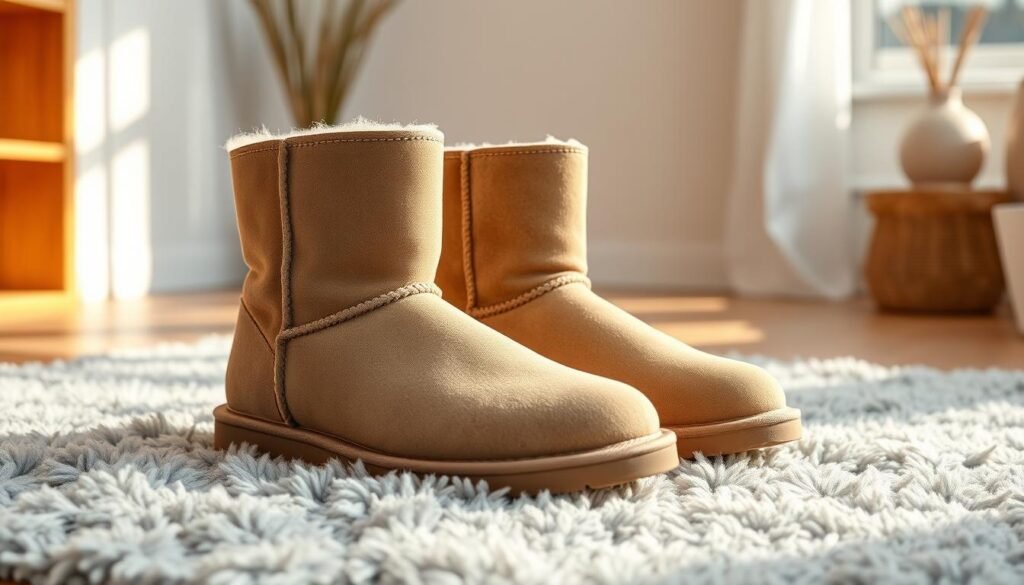
We know your sheepskin boots are more than shoes — they are comfort, warmth, and style. In this short guide, we give a clear, friendly plan for gentle home care that protects shape and texture.
Avoid machine washing and hot water. Agitation and heat can shrink or warp the hide and strip natural oils. Instead, we use cold water, a mild soap, and hand-focused steps that preserve the suede and sheepskin.
Start with light brushing after every wear and deep-clean only when needed. We’ll walk through pre-brushing, even dampening, light circular motions, reshaping with rolled white towels, and a slow air-dry away from sunlight and heaters.
We also cover fixes for water marks, salt lines, scuffs, and odors, plus protection and storage tips that extend the life of your boots. Our goal is a quick-reference routine you can follow at home with common tools and a few trusted steps.
Key Takeaways
- Use cold water and gentle hand-cleaning; never machine-wash or use heat.
- Brush often and deep-clean sparingly to protect the hide.
- Evenly dampen, clean in light circles, and reshape with rolled white towels.
- Air-dry slowly away from sunlight and heat for 24–48 hours or more.
- Apply a water and stain repellent after drying and reapply as needed.
Why cleaning UGGs the right way matters today
Protecting napped suede and wool-lined sheepskin starts with a few simple, careful habits. These materials react fast to water, heat, and rough handling. Aggressive washing or hot drying can shrink, warp, or stiffen the hide and ruin the shape of our boots.
Brushing after each wear keeps dust and loose soil from embedding. A light, frequent pass with a suede brush saves us time later by preventing deep stains and uneven tone.
Always allow proper drying time — at least 24 hours — before storage. Rushing this step risks warping and lingering odors. For interiors, avoid chlorine bleach; it stiffens sheepskin. If we must disinfect, choose pine oil or phenolic solutions recommended for wool-lined footwear.
Brand-specific repellents help resist water and salt stains on ugg boots and other boots. Inspect stain hot spots early so spot treatment stays effective and simple.
- Understand material limits: sheepskin and suede dislike heat and soaking.
- Brush with the nap after wear; deep-clean only every few uses.
- Apply a suede-safe water and stain repellent periodically.
What you’ll need to clean UGG boots safely
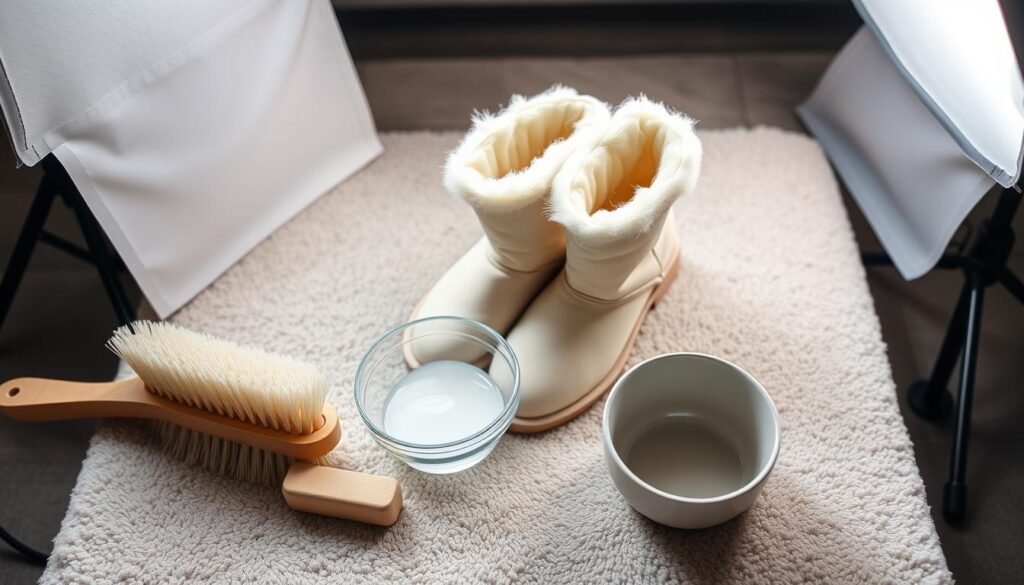
A small, careful toolkit makes the task simple and protects the suede. Gather gentle products and soft tools before you begin so we work steadily and avoid over-wetting. Use cold water only and mix a small batch of solution for fresh use.
Gentle cleaners
Baby shampoo, suede soap, and white vinegar
Budget-friendly products like baby shampoo or a dedicated suede soap work well for general cleaning. For salt or water marks, dilute white vinegar and test on an inside patch first. Official cleaning kit options can help with brand consistency, but home alternatives are effective when used carefully.
Tools we recommend
Suede brush, soft-bristle brush, sponge, microfiber cloths
A suede brush removes loose soil before any wet step. Use a soft-bristle brush or a sponge for gentle washing, and microfiber cloths for controlled rinsing and blotting. Keep a dedicated cloth and brush for these boots and avoid newspaper when reshaping—use rolled white towels or plain paper instead.
- Mix small batches of solution; never soak uppers.
- Set up a ventilated work area with good light.
- Keep a checklist: products, brush, sponge, cloth, reshaping supplies.
How to clean UGGs step by step without damaging sheepskin
We follow a gentle, repeatable routine that protects nap and fit. Each step keeps moisture even and avoids harsh handling so the sheepskin suede stays soft and true.
Pre-clean: We start by gently sweeping away surface dirt using a suede brush along the grain. This lifts dust and loose soil before any wet work.
Dampen evenly: Mist the uppers with cold water until slightly moist. Never soak the boots; even wetting prevents tide lines and uneven drying.
Apply solution: Mix a small amount of baby shampoo or suede soap and work with a soft sponge in light, circular motions. Focus on dirt stains and high-wear zones without oversaturating.
Rinse and remove residue: Wipe the surface with a clean cloth dampened in cold water. Lift soap rather than scrubbing it deeper into fibers.how-to-clear-system-data-on-iphone
- Reshape by stuffing with rolled white towels or plain paper.
- Air-dry in shade; no direct sun, dryers, or heat sources.
- Finish by brushing the nap once fully dry to restore texture.
Targeted stain removal for sheepskin suede
Small, precise treatments help us remove stains without stressing the sheepskin. Start by assessing the mark and keeping a white cloth nearby to avoid dye transfer. We always work in a well-lit spot and treat only the smallest effective area at first.
Water stains
We even out water stains by dampening the whole panel with cold water. This blends tide lines and prevents patches.
As an alternative, a white cloth or sponge with diluted vinegar will lift mineral edges. Air-dry away from heat or sun.
Salt stains
Mix 1 cup water with 1 tablespoon distilled white vinegar. Wipe the salt-stained area with a white cloth, then lightly dampen the full panel and let it air-dry.
Oil and grease
Cover the spot with cornstarch or baby powder and let it sit for 24–48 hours. The powder absorbs residue.
Brush the powder away gently and repeat if needed for deep oil marks.
Scuffs and dirt stains
Use an old toothbrush or a clean towel and work with the nap. For stubborn dirt stains, use suede or nubuck cleaner in a small area.how-to-clean-frigidaire-ice-maker
Keep pressure light, confirm progress between passes, and finish by lightly brushing the panel to restore texture.
- Minimize wet time; return to even dampening for uniform drying.
- Always follow the nap and use a white cloth while treating spots.
- After targeted work, brush the whole panel so the finish looks consistent.
Drying and reshaping: the best way to protect your boots’ shape
Drying with care protects the form and feel of your favorite sheepskin boots. While the suede is damp, we act gently so the lining and outer material keep their natural loft and fit.
Stuffing choices for gentle support
Safe fillers that hold structure
We firmly stuff damp uppers with rolled white towels or plain paper. This helps keep a clean, true shape in the toe and shaft.
Bubble wrap is fine for light support in narrow toe boxes. Avoid newspaper because ink can bleed onto the lining or suede.
Drying timeline and heat warnings
Room-temperature air and realistic expectations
Air-drying at room temperature usually takes 24-48 hours. Thicker shafts or cool rooms may add extra time.
Never use a dryer, hair dryer, or machine heat. Direct heat can shrink, warp, or stiffen the sheepskin and suede.
- Keep boots upright or slightly tilted for steady airflow.
- Check toes and heels and adjust stuffing as moisture fades.
- Confirm the interior is fully dry before wearing—this protects our feet and prevents mildew.
- Finish with a gentle suede brush once everything is completely dry.
Freshen the inside: odor control and interior care
A few simple nightly steps will cut odors and protect the inside of our boots. Regular interior care keeps the wool lining comfy and prevents lingering smells.how-to-clean-converse
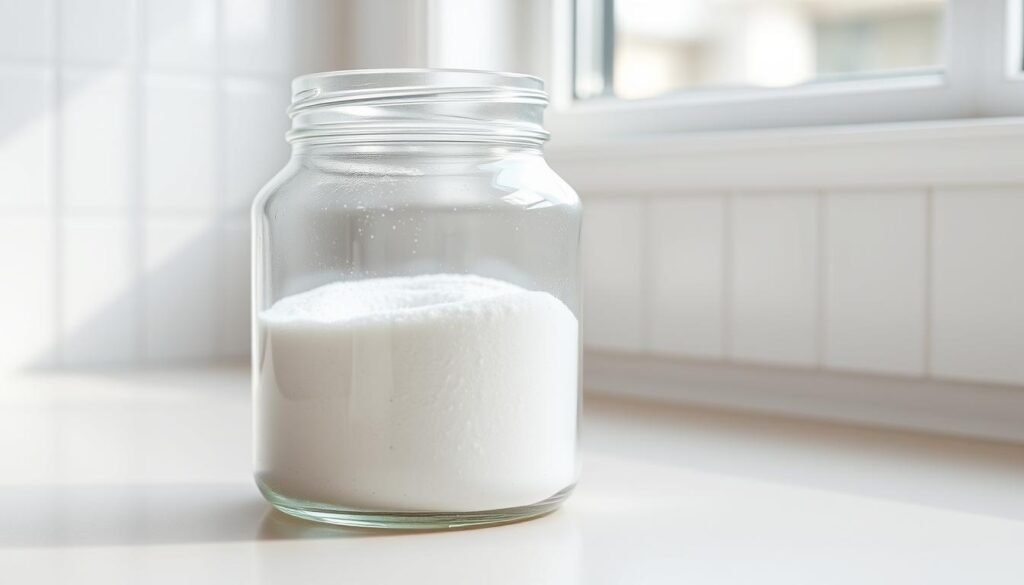
Baking soda works well as a natural deodorizer. Sprinkle about 1/2 cup of baking soda into each boot, let it sit overnight, then empty the powder into trash.
After emptying, vacuum the inside to remove any fine soda residue. A quick vacuum pass avoids white transfer marks and leaves the lining ready for wearing.
For disinfection, we wipe interiors with pine oil or phenolic products diluted per label instructions. Never use chlorine bleach; it can stiffen and damage the wool.
Allow the interior at least 24 hours to air-dry before wearing again. Wearing socks or rotating pairs and slippers helps moisture from feet dissipate and reduces odor buildup.
- Deodorize: baking in each boot; let sit overnight and vacuum out.
- Sanitize: use pine oil or phenolic cleaners per product label; avoid bleach.
- Wipe with a lightly damp cloth for spot residue; keep water minimal.
- Air out 24+ hours, rotate pairs, and spot-treat small areas promptly.
Protection and storage to keep UGG boots fresh longer
A little prevention goes a long way in preserving the shape and finish of our boots. After a full dry and a final brush, we seal the surface with a suede-safe water and stain repellent. Test the product on an inconspicuous patch first to watch for color change.
After cleaning: apply a water and stain repellent for suede
Spray protection and product choices
We spray a suede-specific repellent only when the boots are fully dry. This helps repel water and salt and reduces future spot repairs.
Choose brand-appropriate formulas or suede-tested products. Keep a minimalist cleaning kit on hand: repellent spray, a suede brush, and microfiber cloths.
Seasonal care: light brush after each wear; deep clean every few wears
Storage, routine, and simple tips
We lightly brush after wet or snowy days, and deep-clean after several wears or before long-term storage. Never store damp boots in closed boxes—moisture traps mold and warps the shape.how-to-clean-leather-shoes
- Support the shaft with rolled white towels, tissue, or boot trees to keep shape.
- Use breathable boxes or cotton bags to block dust without trapping water.
- Check pairs weekly for scuffs; small spots buff out faster than big repairs.
“A small amount of time spent on upkeep pays back months of wear and comfort.”
Quick care tips: keep slippers and uggs fully dry before storage, pick suede-safe products, and refresh often for longer life.
Common mistakes to avoid and what to know about the washing machine
Avoid the biggest mistakes: never soak sheepskin boots, use hot water, or run them through a washing machine or a dryer. Agitation and heat will shrink, warp, and strip natural oils from the hide.
If someone uses a washer anyway, pick a delicate machine cycle with cold water and place the pair in a protective bag. Even then, hand-cleaning remains the best way for cleaning uggs and sheepskin boots.
Keep treatments light and even. Work in small, repeated passes with a soft brush along the nap, and dampen the whole panel to avoid water stains or rings.
Extra tips: avoid bleach, stuff damp shafts with rolled white towels or plain paper, use powder for oil, and tackle salt with 1 cup water plus 1 tbsp distilled vinegar. A modest cleaning kit—suede brush, microfiber cloths, mild cleaner, and repellent—meets most needs. Finish only when fully dry and reshaped.how-to-clean-inside-of-a-windshield


















2 Responses