

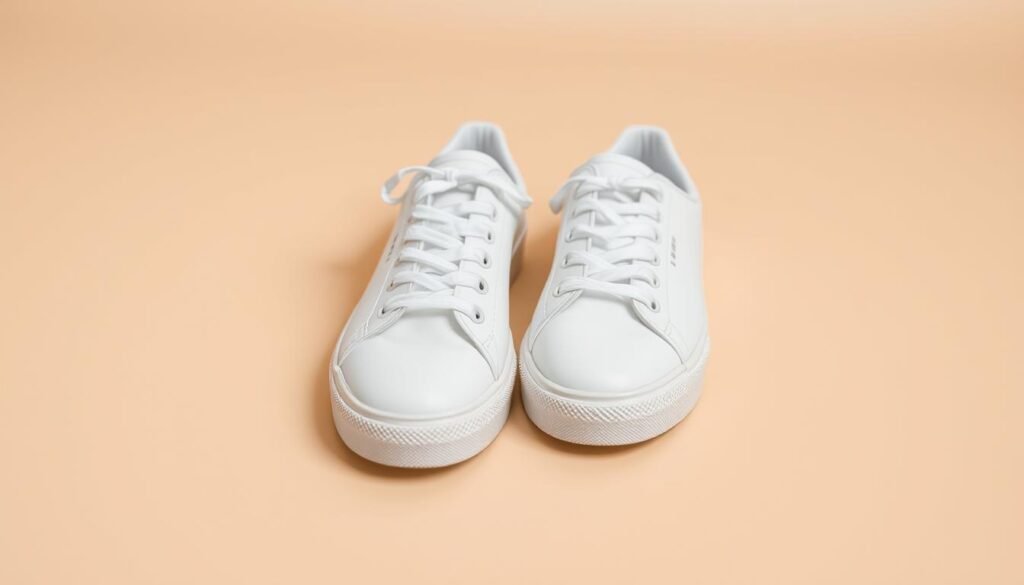
We’ll walk through a friendly, step-by-step plan that gets your favorite sneakers and dress pairs looking near-new again. Our focus is on targeted stain removal, neat prep for dirt, and careful drying that protects glues and soles.
Different materials need different care. For canvas and mesh, a gentle machine cycle can help with odor but not every stain. For leather, we use micellar water, a soft dish solution, or a Magic Eraser instead of the washer. Suede stays water-free and needs a suede block and soft brush.
We’ll also prep tools: a soft brush, cloths, mild detergent, and simple home fixes like baking soda for small spots. We stress air-drying and spot-testing before any strong solution.
Key Takeaways
- Follow material-specific steps for the best results.
- Machine washing helps odors more than tough stains.
- Always air-dry to protect glue, rubber, and foam.
- Use a soft brush and gentle detergent for most fabric pairs.
- Spot-test powerful solutions to avoid damage.
Understanding our goal and search intent right now
Let’s set realistic expectations: ‘box-fresh’ looks different depending on the material and use. For leather, we want a smooth, moisturized finish with minimal scuffs. For canvas, bright, even color matters. For suede, a lifted nap without water marks is the aim.
Material choices guide every step. Breathable mesh, cotton, polyester, and canvas can usually handle a gentle machine cycle for odor control. Leather and suede need hands-on care and limited water exposure.
When we spot-clean versus deep-clean
Spot-cleaning is our rule for light dirt, scuffs, and fresh spills. A quick wipe or mild dish soap with warm water works well on rubber and foam sections.
Deep-cleaning comes into play when stains persist, color looks dull, or odors remain after spot care. Machine cycles can remove smells from washer-safe fabric but often fail on set-in stains, so pretreating matters.
- Quick sessions prevent buildup; occasional deep-cleaning restores appearance.
- Watch risk areas: leather finishes, glued seams, and foam midsoles dislike heat and excess moisture.
- Use gentle products and brief contact times to protect structure and color.
Essential tools and materials we’ll gather before cleaning
Gathering the right tools first helps us protect materials and speed up the process. A compact, well-chosen kit keeps work neat and cuts risk of damage. We pick items that suit leather, canvas, and suede so each pair gets the proper care.
Brushes, toothbrushes, and soft cloths for gentle scrubbing
We use a soft brush for light dirt and a stiffer brush for midsoles and rubber. An old toothbrush reaches seams and eyelets without overdoing abrasion.
Microfiber and a soft cloth help us wipe, buff, and dry without leaving lint or tiny scratches.
Dish soap, laundry detergent, baking soda, and white vinegar
We keep a mild dish soap and a measured amount of laundry detergent on hand for fabric and foam areas. Baking soda and white vinegar mix into a gentle paste for lifting surface discoloration.
Magic Eraser, microfiber towels, shoe trees, and mesh laundry bag
- Magic Eraser for scuffs and midsoles; use light pressure.
- Shoe trees to hold shape and wick moisture as items dry.
- A mesh laundry bag plus two towels if we run a washer cycle for odor-heavy pairs.
Quick prep: remove loose dirt, laces, and insoles
We start small and fast. Before any soak or spot treatment, we shake debris free and take off laces and insoles so every area sees attention. This step keeps grit from grinding into fabric when we work.You can learn more about how-to-clean-uggs.
Clap out mud and brush away grime without grinding it in
First, we clap the pairs together outdoors to release loose dirt. Then we use a soft brush and sweep from the top down. That keeps dust from settling back on uppers.
For stubborn mud, we scrape gently with a dry brush, lifting most residue before adding moisture. A light touch helps us avoid spreading stains and lets us decide on a spot treatment or full clean.
Pre-clean rubber and foam parts with dish soap and warm water
We mix a small amount of dish soap in warm water and focus on midsoles, toe bumpers, and any rubber part. A soft brush helps us scrub away dirt around stitching and logos without roughing edges.
After scrubbing, we wipe loosened grime with a slightly damp cloth. Insoles go aside to air out so trapped moisture doesn’t linger in the shoe cavity.You can learn more about how-to-clean-grout.
- Remove laces and insoles for full access under eyelets.
- Clap outdoors to dislodge loose dirt and grit.
- Pre-treat rubber and foam with a dish soap solution and warm water.
how to clean white shoes
We begin with a quick dry prep that removes surface grit and sets the stage for careful treatment.
Next, we pick the right method by material and by how deep the stains are. For leather, we avoid the washer and use fast wipe downs with mild solutions.
Canvas and mesh can handle a delicate machine cycle for odor-heavy pairs, but we still pretreat midsoles and scuffs. Pretreat rubber and foam with dish soap and a soft brush, then rinse small areas and wipe away residue in short passes.You can learn more about how-to-clean-suede.
Our simple, safe process at a glance
- Dry prep first, then a gentle hand-clean to control moisture.
- We gently scrub with a soft brush or cloth to lift soil without damage.
- Use the washing machine only for washer-safe items; pick a cold, delicate cycle and skip heat.
- Inspect stubborn spots and treat them separately before final drying.
“Short sessions and spot treatments give the best results with the least risk.”
We finish by refreshing laces separately and always air-dry to protect glue and foam. This way we balance results and safety for every pair.
By material: the safest way to clean leather, canvas, and suede
We sort pairs by material first, then pick mild methods that avoid excess moisture and abrasion.
Leather care basics
Remove laces and dust with a soft brush before any wet step. Use a soft cloth with a drop of mild soap diluted in warm water for general wipes. For stubborn marks, try micellar water or a dab of non-gel white toothpaste on a targeted spot.
Work edges and textured areas with a toothbrush, then wipe residue away with a damp cloth. Insert shoe trees and let pairs dry with good airflow to keep shape and reduce creasing.
Canvas guidance
When trim allows, a gentle cold machine cycle can help. Otherwise, hand-wash with a baking soda and laundry detergent paste for set stains. Spot-target problem areas first to avoid tide marks, and always air-dry only.
Suede specifics
Avoid water on suede. Use a suede block and a gentle brush to lift scuffs and restore nap. Finish each session with a light brush pass and an airflow-only dry so texture stays soft and even.
“Match the method to the material and keep water brief—even gentle steps protect structure and color.”
Machine-washing as a last resort for odor or heavy staining
C. If spot efforts fail and odors remain, a careful machine run can revive canvas and mesh pairs.
Which fabrics are safe: cotton, polyester, mesh, and canvas qualify for a washer session. Leather and suede must stay out of the drum.
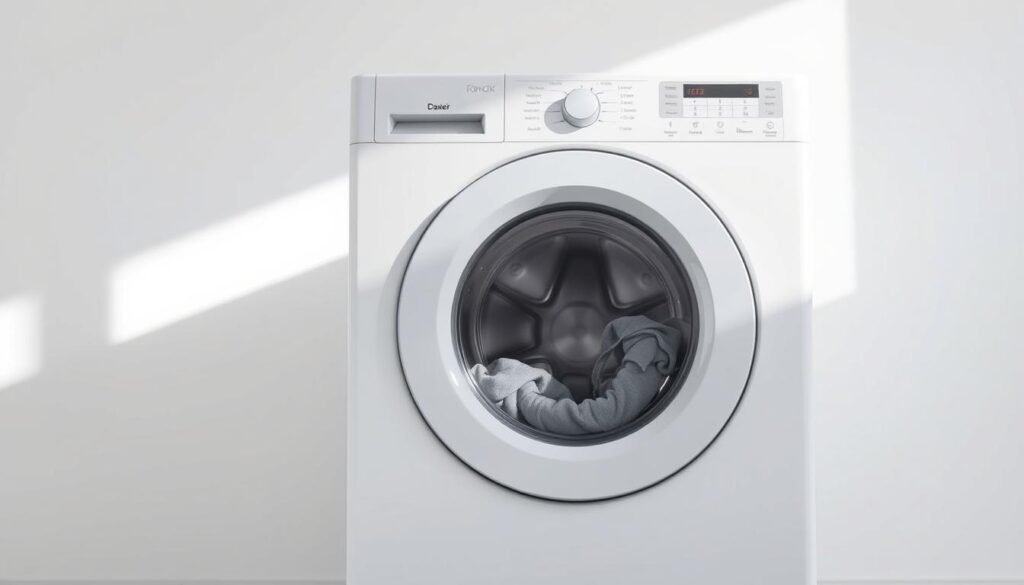
Load setup
We remove laces and insoles and clap off debris first. Then we pre-clean midsoles with dish soap and warm water so grime won’t spread.
Place each pair, insoles, and laces inside a mesh laundry bag. Add two towels to balance weight and soften impact.You can learn more about how-to-clean-a dishwasher.
Cycle and detergent
Pick a delicate cycle with cold water. Use an enzyme laundry detergent such as Tide Free & Gentle or Tide Ultra Oxi. Enzymes work in cold water and help remove odors and organic residue.
- Delicate, cold cycle protects glues and foam.
- One towel pair helps balance the drum and cut noise.
- Limit runs to once; over-washing stresses the build.
Air-drying do’s and don’ts
Never use heat after a machine run. Skip warm cycles and the dryer—foam, rubber, and adhesives fail under temperature.
Air-dry in a ventilated spot, outdoors or by an open window, with laces laid flat. Confirm the midsole and insole areas are fully dry before we wear them again.
“Use the washing machine sparingly and finish with patient air-drying for the best outcome.”
Targeting stains, scuffs, and yellowing without damage
For set-in spots and yellowing, we pick gentle methods that lift color without rubbing away finishes. We focus on controlled steps, one zone at a time, so results show up without excess effort or risk.
Mix baking soda and vinegar into a paste
We mix baking soda with a bit of white vinegar or a little water to form a thick paste that brightens and acts as a mild remover. Apply, let the paste harden for several minutes, then gently scrub and wipe away residue with a damp cloth.
Magic Eraser and soft-bristle techniques for midsoles and marks
For rubber midsoles and small marks, a melamine sponge buffs scuffs with light pressure. We keep a soft brush and a microfiber cloth close by to work textured areas without fraying fabric.
Bleach caution: dilution, ventilation, and spot tests
Use bleach only as a last-resort remover. Mix one part bleach with five parts warm water, wear gloves, and ventilate well. Spot-test an unseen patch, dab, blot, then rinse with warm water and pat with a towel.
- We tackle stains methodically—one zone at a time.
- Let the shoe rest between passes so color settles.
- Sunlight can help mild brightening; avoid long exposure near glue.
- Check seams and toe caps for haze and touch up as needed.
“Brighten safely and move slowly; small gains keep materials intact.”
Laces and soles: the details that make shoes look new
A neat pair owes as much to tidy laces as it does to bright soles. We treat these small parts with simple steps that make a big visual difference.
We remove laces and soak them in warm water with baking soda for a short session. After the soak, we place laces in a mesh bag and run a cold, gentle laundry cycle with mild laundry detergent.
Air-dry laces flat so they don’t mildew or stiffen. Patience here prevents damp spots from traveling back into eyelets.
Scrub away dirt on rubber soles and wipe away residue
For soles, we use a soft-bristle brush and dish soap or a Magic Eraser for scuffs. We focus on grooves where dirt hides and scrub away dirt along the midsole and toe bumper.
Wipe with a clean cloth and rinse lightly with water only when needed. Repeat quick passes on high-contact areas until the soles read bright. We relace only when everything is fully dry.
“Soles and laces often decide whether a pair looks cared for or worn out.”
- We revive laces with a soak, then launder in a mesh bag with mild laundry detergent.
- We clean soles with a soft brush and spot-treat scuffs with a Magic Eraser.
- We check heel edges and tread last so grime won’t retransfer to the upper.
Drying, deodorizing, and keeping odors at bay
A slow, steady drying routine keeps structure, color, and comfort intact. We skip the dryer and rely on strong airflow and patience so trapped moisture fully evaporates. Avoid damp, dark spots that invite mildew and persistent odors.You can learn more about how-to-clean-airpods.
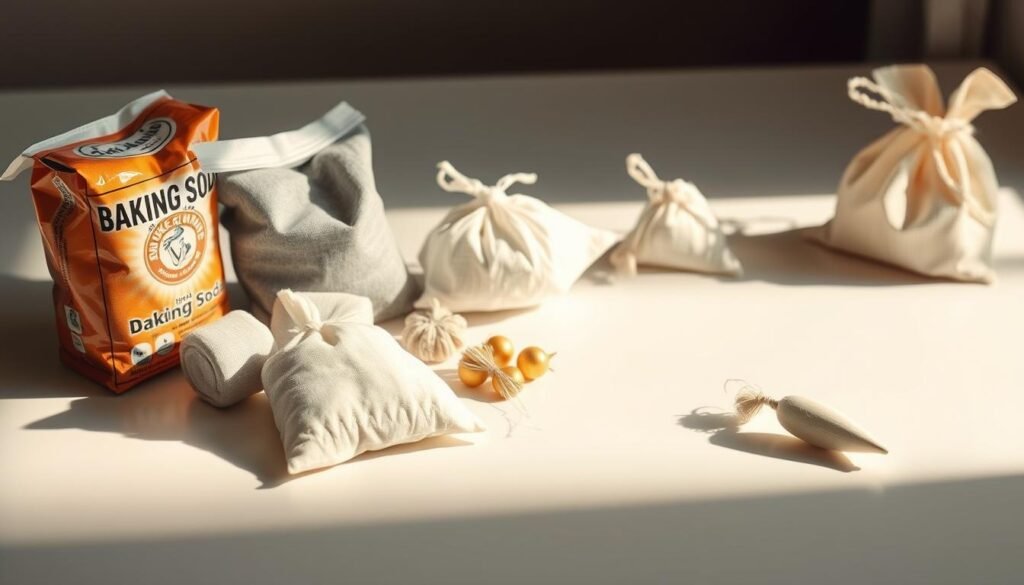
Stuffing with paper or using shoe trees for shape and moisture control
We insert shoe trees or crumpled paper to hold shape and pull humidity from the interior. Flip insoles during the drying time and let them rest until completely dry before reinserting.
Sunlight and airflow: when to use them and when to avoid them
Brief sunlight can help with whitening, but we limit the amount of direct heat. Excess heat harms glues, rubber, and foam. We use a fan or an open window for steady airflow and extra drying time after any heavy wash.
- Airflow: Set pairs where air moves freely so midsole moisture escapes.
- Placement: Dry laces flat on a clean cloth to avoid hard ridges or musty smells.
- Final check: Give a quick smell and, if odors linger, add another day in airflow or a targeted treatment.
“Give them ample time and air; rushing traps moisture and brings back odors.”
We finish by checking leather and buffing gently with a soft cloth to restore luster once everything is fully dry.
Keeping our white shoes clean longer with simple habits
A few quick steps after each wear prevent grime from setting and save time later. We spot-treat fresh spills within minutes using a damp cloth and a touch of dish soap with warm water. This stops small stains and mud from becoming stubborn marks.
We keep a toothbrush and a small brush by the door to flick off dirt and grit before it spreads. For leather, we use gentle soap and short dry times. For canvas and other fabric, a mild laundry detergent is our go-to when washing is an option.
Machine washing remains a limited tool: use a delicate cold cycle and air-dry only. We rotate pairs, store items in ventilated space with shoe trees, and spend five minutes weekly checking for grime so deep cleaning becomes rare.















One Response