Surprising fact: I learned that one simple trick can remove odors from up to 90% of fabric upholstery problems without harsh chemicals.how-to-clean-rust-off-metal
I lay out a clear plan I use for a fresh car interior. First, I remove loose debris with a vacuum, then I spot test for color-fastness. I explain why a dry start prevents deeper stains and why controlled drying stops mold and lingering smells.
My system blends simple household options like a baking soda spray and pro-grade products for stubborn marks. I describe when I reach for a manual brush versus a drill or DA upholstery brush, and why a 2×2 ft cross-hatch pattern gives even results.
I preview tools, timing, and the exact step order so you can choose a quick touch-up or a full deep clean. For more detail on prep and stain treatment, see this helpful guide: how to clean cloth seats in the.
Key Takeaways
- Start with dry debris removal and a hidden spot test.
- Use baking soda for odor control and light stains.
- Follow a 2×2 ft cross-hatch scrub pattern for even results.
- Avoid oversaturation; control drying to prevent marks.
- Match the cleaner to the fabric and expect 1–3 hours for a full refresh.
Why I Care About a Clean Car Interior and What You’ll Learn Today
I treat interior care like preventative maintenance: small work saves big headaches. A fresh cabin improves air quality and comfort for every ride, and it helps me avoid lingering odors and set-in stains that harm resale value and daily life.
I’ll walk you through my practical system: when I spot-treat car seats, when I refresh an entire set, and which tools I reach for depending on fabric and mess. My goal is simple—make sure the routine is efficient, safe for materials, and repeatable so upkeep never feels like a chore.
- Everyday payoff: better air, fewer odors, a nicer ride for guests.
- Pain points solved: spills, lingering smells, dingy fabric, and stubborn stains.
- What I cover next: gear, step-by-step methods, and small habits that beat big cleanups.
For targeted product guidance and pro tips on upholstery and carpets, I also recommend this short guide from Chemical Guys: interior care basics. Try one technique at a time and you’ll soon have an easier path to a clean car every week.
My Prep Routine: Tools, products, and a quick plan before I start
Before I touch a brush, I walk the cabin and set up a simple, repeatable plan. I clear loose items so I can see problem zones and avoid moving things mid-task.
Vacuum first: I vacuum thoroughly, focusing on seams, crevices, and the seat edges where grit hides. This step gives me a clean surface and keeps dirt from turning into a deeper stain when moisture is added.
Spot test and water mark check
I always perform a quick spot test on a hidden area. A small patch reveals color-fastness and whether any water marks show after drying.
| how-to-clear-the-codes-of-a-check-engine-light/ |
Choosing a cleaner
I set out a soft brush, microfiber towels, and my chosen product. For light refreshes I mix 1/4 cup baking soda with 1 cup warm water; for tougher jobs I reach for a trusted upholstery cleaner.
- Setup tip: keep one damp towel and one dry towel handy.
- Plan: start with the front passenger seat as a test area before moving across the rest of the car.
how to clean cloth seats in the car: my step-by-step process
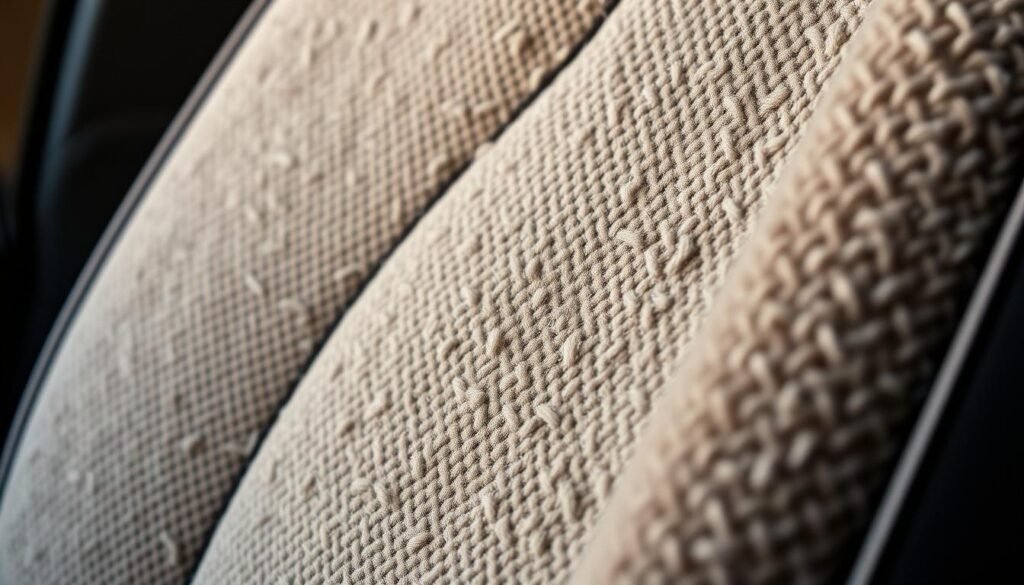
My routine starts with a quick scan and a plan. I work one seat at a time so results are consistent and drying stays controlled.how-to-clean-dogs-ears
Vacuum and clear seams
I vacuum cracks, seams, and rails first so loose grit won’t smear when liquid hits the fabric. This dry start saves time and prevents bigger marks.
Pre-treat high-traffic zones
I spot-treat visible stains and busy areas with a targeted product and let it dwell briefly. For larger runs I follow Chemical Guys advice and use a fabric cleaner for even coverage.
Scrub, wipe, and dry
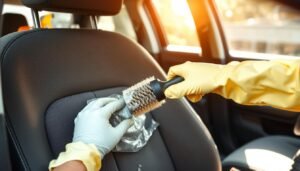
I use a soft brush in a 2×2 ft cross-hatch, working light and steady. I add just enough water to activate the cleaner and avoid soaking the seat.
- Wipe away lifted soil immediately with a microfiber towel.
- Repeat gentle passes rather than one aggressive scrub.
- Blot excess moisture, crack doors, and air out until dry.
My favorite baking soda methods for cloth seats
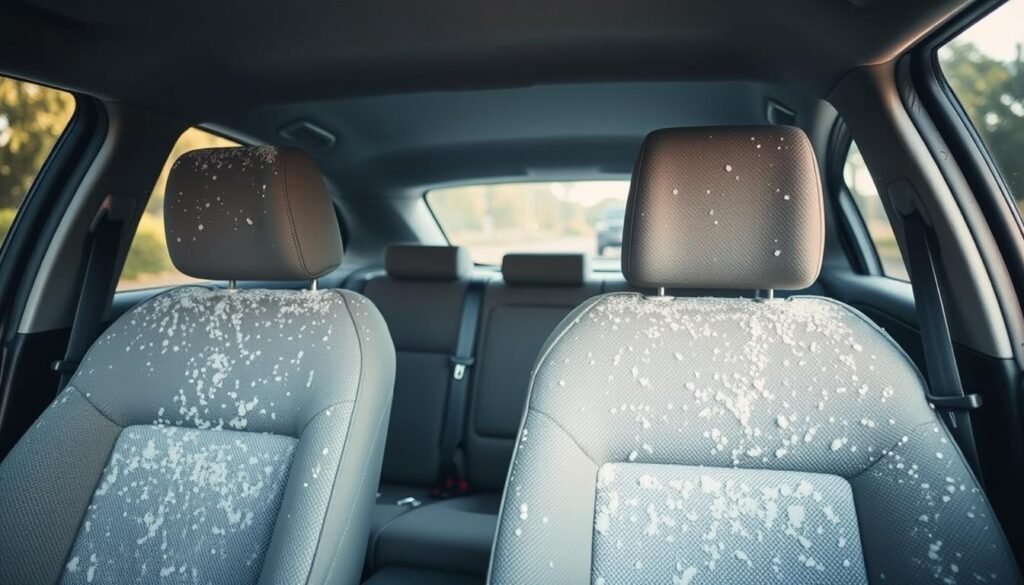
A handful of baking soda methods have become my go-to for fresh fabric results.
Paste and scrub: I mix a 2:1 baking and soda paste with water, apply it to a spot, and let it sit. Dwell times range from 30 seconds up to 5 minutes for normal marks, and I extend toward 30 minutes for stubborn stains.
Dip and dab: For dull overall areas I dip a damp towel into a little baking soda and tap it across the fabric. That mild abrasion brightens without harsh treatment and prevents over-wetting.
DIY spray solution: I dissolve ¼ cup baking with 1 cup warm water. Sometimes I add ¼ cup vinegar and a tablespoon of dish soap for extra lift. I mist lightly, blot, then air dry to avoid water marks.
“A short dwell and gentle scrub often removes the worst spots without heavy products.”
- I sprinkle baking soda to absorb oils and odors; wait at least 15 minutes, then vacuum.
- I always spot-test first and finish with a light vacuum pass for clean fabric.
Pro-grade upholstery cleaners and tools I keep on hand
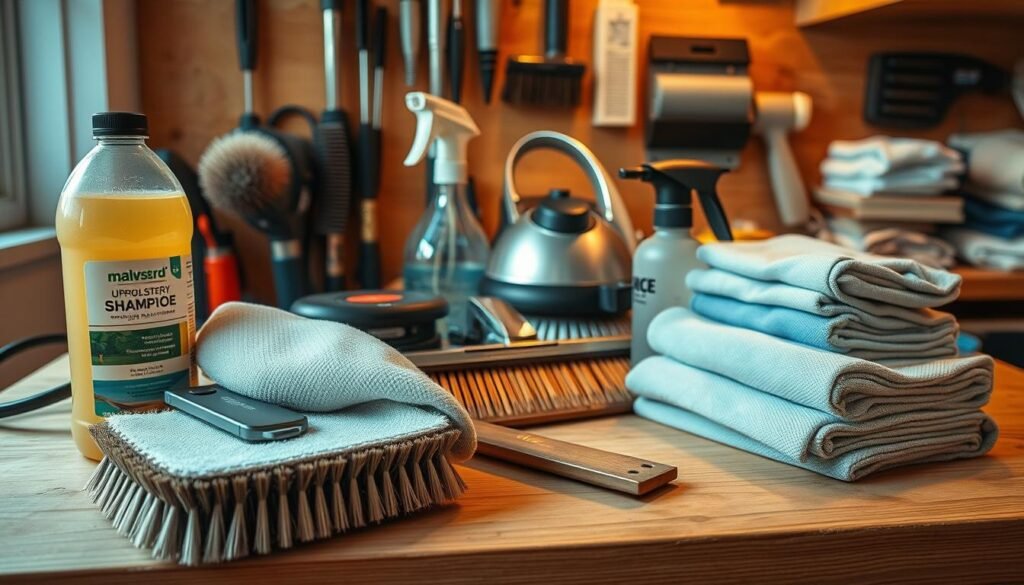
I keep a small kit of pro-grade gear ready so I can match tools to any upholstery challenge.
Choice matters: I carry two main types of product — a spot extractor for localized marks and a fabric shampoo for refreshing wider areas. Chemical Guys’ Foaming Citrus Fabric Clean works great on large runs, while Lightning Fast Stain Extractor handles precise lifts.how-to-clear-instagram-cache
Spot extractor vs. fabric shampoo
I use a spot extractor for single stains. For whole-seat refreshes I apply a shampoo and work in sections. Following the instructions on labels helps me avoid residue and over-wetting.
Brushes and power attachments
For delicate surface fibers I pick a manual interior brush like the Nifty Detailing Brush. It gives control and gentle agitation.
When I need speed, I switch to drill brushes — light gray for sensitive fabric, yellow for tougher textile. For heavy soil I attach a Hook-and-Loop upholstery brush to a DA polisher and make steady overlapping passes.
“Match the tool to the job, and step up power gradually rather than starting aggressive.”
| Tool | Best use | Tip |
|---|---|---|
| Spot extractor | Localized stains | Use small heads for tight zones |
| Fabric shampoo | Whole-section refresh | Work in 2×2 ft passes |
| Manual interior brush | Delicate surfaces | Light pressure, precise motion |
| Drill brush (gray/yellow) | Speed scrubbing | Gray for light, yellow for medium duty |
| DA + hook-and-loop | Deep clean on heavy soil | Overlap passes, keep towels handy |
- I keep extra towels within reach to capture lifted soil quickly.
- I match head size to area: small for creases, wide for seat bottoms.
Tough stains playbook: coffee, grease, sunscreen, pets, and mystery spots
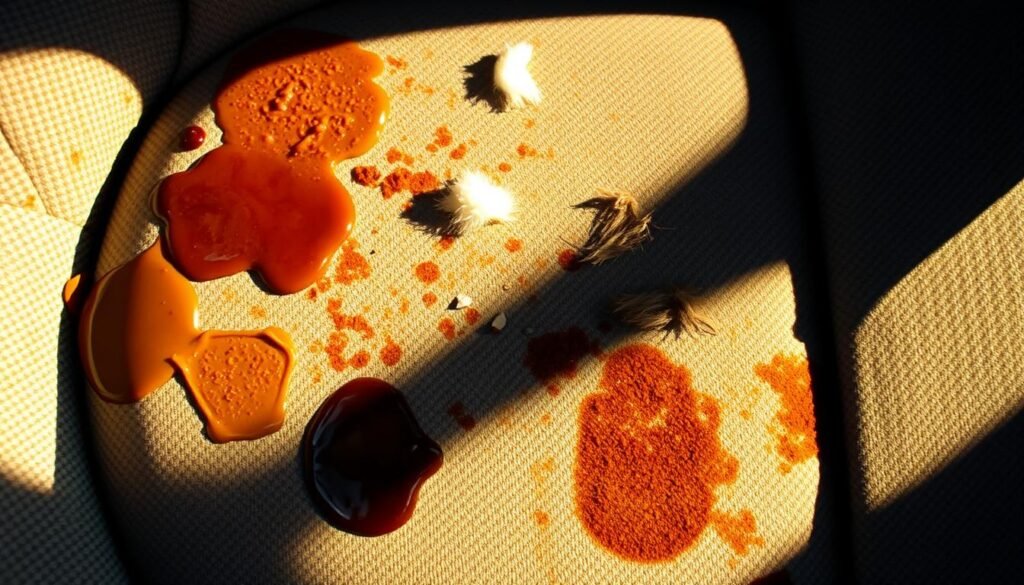
When tough marks show up, I follow a short, stepwise playbook that stops spread and removes most common problems without over-wetting. I pick a targeted path based on whether a spot is water-based, oily, or odor-causing.
Water-based spills
Blot first. For coffee or soda I lift liquid with a towel, pre-treat the area, then scrub lightly in a cross-hatch. This gently lifts the stain while minimizing spread.how-to-clean-wood-floors
Oil and grease
I follow Arm & Hammer advice: sprinkle baking soda to absorb oils and odors, let it sit, then vacuum. After that I use a balanced cleaner or extractor and work with controlled agitation.
Odor-causing messes
For vomit, milk, or pet events I clean thoroughly, deodorize, and speed up drying. I use a mild solution with optional dish detergent and vinegar for lift, then finish with a deodorizing pass.
- I avoid aggressive rubbing; I lift and blot instead.
- I escalate from mild solution and light agitation only if needed.
- I limit moisture so I don’t trade stains for mildew.
- Final step: wipe with a clean towel and vacuum any powder residues for even results across seats.
Moisture control: how I avoid water stains, mildew, and odors

Controlling wetness has saved me from mildew and lingering smells more than any product. I start with the mindset that less is better. A light mist wakes the cleaner without soaking the cushion layers below the surface.
I make sure to wipe away excess moisture right away using a microfiber towel. That prevents liquid from wicking deeper and reduces the chance of water marks and odors.
Use less liquid, wipe away excess, and ventilate
I work the surface in small sections so I can track progress and avoid re-wetting areas I already dried. After each pass I check for cool, damp patches by touch and give those zones extra airflow.
When possible I ventilate the interior by opening opposite doors or windows. Chemical Guys warns against oversaturating fabric and recommends light application, thorough towel drying, and full ventilation. Arm & Hammer notes keeping doors open after cleaning will allow seats to finish drying.
- I schedule cleaning when I can allow seats time to dry fully; avoid humid or rainy days.
- Keep a spare towel handy for final blotting of seams and stitching channels.
- Never seal a vehicle with damp fabric inside — that traps humidity and encourages odors.
“Light sprays and immediate blotting beat saturation every time.”
| Risk | Prevention | Action |
|---|---|---|
| Water marks | Minimal liquid | Use short sprays and blot with microfiber |
| Mildew | Fast drying | Ventilate and check cool patches by touch |
| Lingering odors | Avoid trapped humidity | Keep doors open until fully dry |
| Hidden moisture | Seam inspection | Final towel passes and vacuum any powder |
My maintenance cadence to keep cloth seats looking fresh
Small, regular habits save time and stop grime from taking hold across my seats.how-to-clean-a-pizza-stone
Weekly, monthly, and seasonal rhythm
Weekly: I run a quick vacuum around once every seven days. That keeps grit down and makes later passes faster.
Monthly: I do a light wipe-down of high-touch zones. This prevents darkening on often-used areas and keeps fabric tone even.
Seasonal: Every few months I schedule a deeper cleaning. This reset helps keep all seats looking consistent across the vehicle.
Practical habits that save time
- I tie the schedule to usage — more passengers or miles means shorter intervals.
- Simple tools live in my trunk so small spills never get a chance to set.
- I rotate which seat I refresh first so results are easy to compare.
- I note which products give the best lift so future cleaning runs take less time.
| Interval | Action | Benefit |
|---|---|---|
| Weekly | Vacuum quick pass | Removes grit; prevents abrasion |
| Monthly | Wipe high-touch areas | Prevents dull spots; evens tone |
| Seasonal | Deep cleaning | Resets fabric; extends life |
Following advice from Chemical Guys, routine interior care and scheduled deeper work keep a clean car feeling fresh. These small steps make long-term care simple and effective.
Special cases: infant and child car seats, plus safety and care notes
When little passengers are involved, I treat fabric and hardware with extra care and common-sense rules.
I always follow the seat maker’s care label and instructions. If the manufacturer allows removal, I take covers off and wash them per the tag. If not, I use spot methods that won’t affect safety parts.
Arm & Hammer notes many child seats have removable covers for machine washing. I also use a dry sprinkle of baking soda between washes, then vacuum. Nissan advises following maker guidance so cleaning and sanitizing won’t harm interior components.
Safe sanitation and gentle product use
I keep products mild around harnesses and buckles and avoid soaking belts or hardware with water or harsh solutions. Spot-prone areas get frequent light attention rather than heavy wet work.
- I avoid aggressive brushes on delicate fabric and use soft towels with mild agitation.
- I check that padding and covers are fully dry before reinstalling; trapped moisture can cause odors or discomfort.
- I double-check reinstallation so the seat is secured exactly as designed after any care work.
- I keep a small kit in my car for fast response to spills and stains in family areas.
| Task | Recommended action | Safety note |
|---|---|---|
| Remove covers | Wash per care label | Only if manufacturer allows |
| Refresh between washes | Sprinkle baking soda, then vacuum | Non-wet method avoids padding saturation |
| Harnesses & buckles | Spot-clean with mild product | Avoid soaking; do not submerge straps |
| Drying | Air fully; feel for cool damp spots | Never reinstall while damp |
Pro tips I rely on for a cleaner, fresher car interior
I focus on short, repeatable moves that protect fabric and speed results. These small habits help me control dwell time and finish with seats looking consistent across the cabin.
Work in sections, read product instructions, and don’t oversaturate
Make sure you work one small area at a time so results are obvious before you move on.
I always read labels and follow dilution and dwell guidance. Chemical Guys and Arm & Hammer both stress spot testing in a hidden area first.
- I make sure to test a spot in a hidden patch, then scale up only when color and water marks stay true.
- I keep one dedicated brush clean and ready for finishing passes so I don’t drag soil across a freshly treated surface.
- I avoid oversaturating; I build lift through light, repeatable steps rather than a single heavy soak.
- I rotate clean cloth towels so I’m lifting soil instead of pushing it around.
- Between each step I pause and assess the surface, tuning pressure or dwell to keep seats looking even.
- Final step: vacuum the area to remove loosened debris and fibers for a crisp, uniform finish.
| Tip | Why it matters | Quick action |
|---|---|---|
| Section work | Controls dwell and drying | 2×2 ft passes |
| Spot test | Prevents color loss, water marks | Hidden patch check |
| Brush care | Prevents cross-contamination | Rinse between areas |
Conclusion
This conclusion gathers the core moves I rely on for lasting, fresh fabric results.
Quick recap: vacuum first, work small areas, pick the right cleaner, and limit liquid so padding stays dry. I favor a light 2×2 cross‑hatch with a soft brush and short passes that lift stains without stressing fibers.
Baking soda remains a versatile option — paste, dip-and-dab, or a sprinkle with a 15‑minute dwell for odors. Drying is non‑negotiable: allow full airflow, wipe away residue, then finish with a vacuum when powders are used.
Follow this simple checklist any time: prep, treat, scrub, wipe, dry — then enjoy a fresher vehicle. For a practical reference on stubborn spots, see this stained car seats guide.