Tarnished silver can be a real disappointment, silver tarnishes when it meets air and sulfur. This is why it loses its shine.
Dealing with tarnished silver can be tough. But, with the right tools and methods, it’s easier than you think.
In this article, I’ll share my top tips on keeping your silver items looking great. We’ll cover everything from what causes tarnish to the best cleaning methods.
Key Takeaways
- Understand the causes of silver tarnish
- Learn simple and effective methods to clean silver
- Discover the best materials to use for silver cleaning
- Maintain your silver items to prevent tarnish
- Explore commercial silver cleaners and their effectiveness
Understanding Silver Tarnish
Silver tarnish forms over time due to a chemical reaction. This reaction is influenced by the environment. It happens when silver meets sulfur in the air, like hydrogen sulfide. This creates silver sulfide, a dark compound that makes silver look tarnished.
What Causes Silver Tarnish?
Silver tarnish is mainly caused by air and sulfur in the air. The Canadian Conservation Institute says hydrogen sulfide in the air is a big factor. Other things that can make tarnish worse include high humidity, chlorine, and touching certain materials like rubber or wool.
How to Identify Tarnished Silver
It’s easy to tell if silver is tarnished. Look for a dull, dark look on the silver. Sometimes, tarnish shows as black spots or a dark layer all over. To check if it’s silver, look for hallmarks or other signs of silver. If you’re not sure, a professional can help.You can learn more about how-to-clean-washing-machine
Essential Cleaning Supplies for Silver

To clean silver well, you need the right tools and products. The correct supplies make cleaning easier and protect your silver items.
Recommended Cleaning Products
Choosing the right cleaning products is key for silver. Here are some top picks:
- Mild dish soap: A gentle soap without harsh chemicals is best for silver.
- Silver polish: For heavily tarnished silver, a dedicated polish works well.
- Baking soda: A natural cleaner for making a paste to clean silver.
- Vinegar: White vinegar, used with baking soda, is great for cleaning silver.
Always pick products made for cleaning silver to avoid damage. Make sure to read labels and choose safe options.
Tools You Will Need
Having the right tools is crucial for cleaning silver. Here are some essentials:
- Soft cloths: Microfiber cloths are perfect for cleaning and polishing silver without scratching.
- Soft-bristled brush: A soft-bristled brush helps gently remove dirt from detailed designs.
- Polishing cloth: A dedicated polishing cloth brings back the shine to your silver.
Using the right tools with the recommended products will give you the best cleaning results for your silver items.
| Tool/Product | Description | Use Case |
|---|---|---|
| Mild Dish Soap | Gentle soap for cleaning silver | Daily cleaning, maintenance |
| Silver Polish | Dedicated polish for tarnished silver | Deep cleaning, restoring shine |
| Baking Soda | Natural cleaner for creating a paste | Removing tarnish, gentle cleaning |
| Soft Cloths | Microfiber cloths for cleaning and polishing | General cleaning, polishing |
Basic Techniques for Cleaning Silver

To keep your silver items shining, it’s key to learn basic cleaning techniques. Cleaning silver is simple and effective. You can follow easy steps to do it right.You can learn more about how-to-clean-retainers.
Using Soap and Water
One easy way to clean silver is with soap and water. Mix a bit of mild soap with warm water. Then, use a soft cloth to gently scrub the silver.
This method works well for everyday dirt and keeps your silver shiny. For more tips, check out Home Depot’s guide on how to clean. It has lots of useful advice.
Polishing with a Cloth
Polishing silver with a cloth is also effective. Use a soft, lint-free cloth to rub the silver gently. This method removes tarnish and keeps the silver shiny.
Remember, “Silver is a delicate metal that requires gentle care to maintain its shine.” Regular polishing with the right cloth can greatly improve your silver’s look.
By using these basic techniques, you can keep your silver items in top condition. The secret to keeping silver looking good is regular cleaning and proper storage.
Home Remedies for Silver Cleaning

Looking for green ways to clean your silver? Try these easy home remedies. They’re gentle and effective for your items.
Baking Soda and Water Paste
Using a paste of baking soda and water is a favorite for cleaning silver. Mix 1 tablespoon of baking soda with a bit of water until it’s thick. Use a soft cloth to apply it to your silver, rubbing gently.
Rinse with warm water and dry well. This method removes tarnish without scratching the silver.
Vinegar and Baking Soda Solution
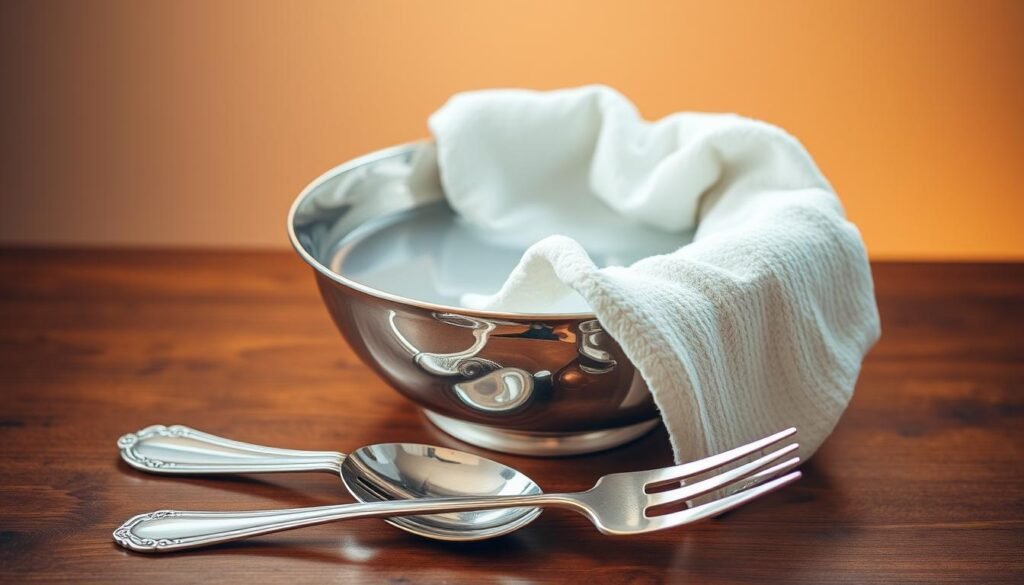
A solution of vinegar and baking soda works well too. Line a container with aluminum foil, add hot water, and mix in baking soda and salt. Put your silver item in this solution and wait a few minutes.
The tarnish will move from the silver to the foil. For more tips on natural cleaning, check out this resource on cleaning sterling silver naturally.
Using Commercial Silver Cleaners

Cleaning silver with commercial products can be effective. It’s important to choose the right cleaner. Commercial silver cleaners are available in various forms, like liquids, pastes, and wipes.
When choosing a commercial silver cleaner, consider the pros and cons. These products can remove tarnish and restore shine. They are also easy to use and save time compared to homemade solutions.
For example, a commercial silver polish can quickly fix heavily tarnished items.
Pros and Cons of Silver Polishes
Silver polishes have both good and bad points. They are effective at removing tarnish and grime. But, some cleaners can be harsh and damage certain silver or materials.
It’s also important to note that some products may contain harmful chemicals. This can be bad for the environment and human health. As mentioned in the article on how to clean silver, picking the right cleaning method is key.
- Pros: Effective, easy to use, saves time.
- Cons: Can be harsh, may contain harmful chemicals.
How to Choose the Right Product
To pick the right commercial silver cleaner, think about the type of silver you’re cleaning. For example, sterling silver and silver-plated items need different care. Always check the product label to make sure it’s right for your silver.
Look for products made for silver and follow the instructions. By being informed and careful, you can use commercial silver cleaners to keep your silver looking great.
The Best Methods for Different Silver Types
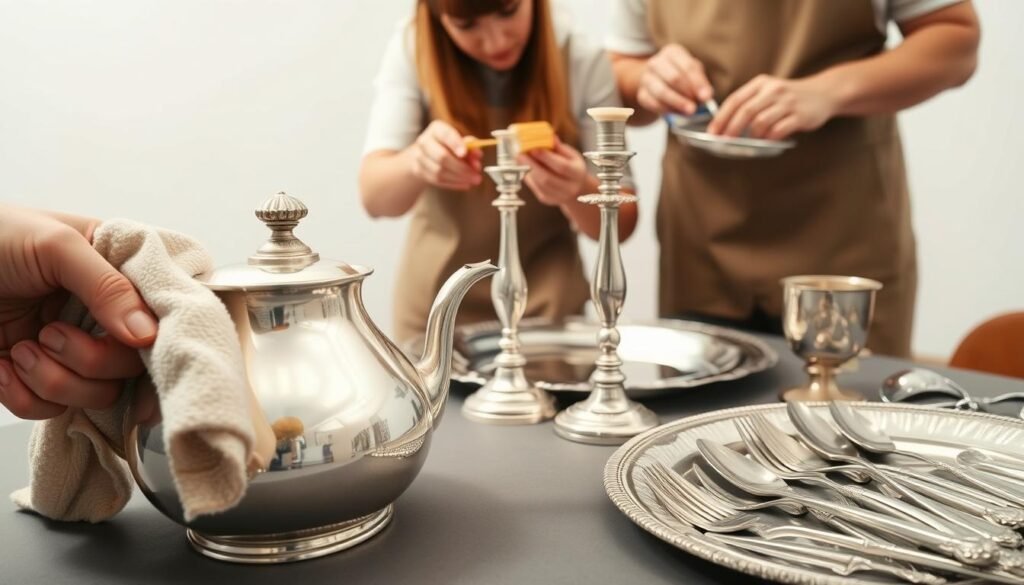
To keep your silver items looking their best, it’s crucial to apply the right cleaning method based on their type. Different types of silver, such as sterling silver, silver-plated, and antique silver, have unique characteristics that require tailored cleaning approaches.
Sterling Silver vs. Silver Plated
Sterling silver and silver-plated items are often confused with one another, but they have distinct differences that affect how they should be cleaned. Sterling silver is made from a higher quality silver alloy (92.5% silver), making it more durable and less prone to tarnish than silver-plated items. Silver-plated items, on the other hand, have a thin layer of silver coating a base metal, requiring gentler cleaning to avoid stripping the silver layer.
For sterling silver, you can use a mild soap and water solution or a silver polish to remove tarnish. It’s essential to dry sterling silver thoroughly after cleaning to prevent water spots. Silver-plated items, on the other hand, should be cleaned with a soft, dry cloth and mild soap solution. Avoid using harsh chemicals or abrasive materials that can damage the thin silver layer.
Specialized Techniques for Antique Silver
Antique silver items often require specialized care to preserve their historical integrity and value. When cleaning antique silver, it’s crucial to avoid harsh chemicals and abrasive techniques that can damage the silver or remove valuable patina. A gentle approach using a soft cloth and a mild cleaning solution is recommended.
For intricate or heavily tarnished antique silver, consider consulting a professional conservator or restorer. They can provide expert advice on the best cleaning and preservation methods tailored to the specific item’s needs. Remember, the goal is to preserve the item’s integrity while gently removing tarnish.
Preventing Future Tarnish
To keep your silver items shining, it’s key to stop tarnish before it starts. Stopping tarnish is as vital as cleaning silver. It means you won’t need to clean as often and your silver will stay beautiful.
Proper Storage Solutions
Storing silver right is crucial to prevent tarnish. Store your silver in a cool, dry spot, away from sunlight and moisture. Use anti-tarnish cloth or silver storage bags to keep it safe. These items soak up moisture and stop tarnish.
Here are some tips for storing your silver items:
- Wrap each item in anti-tarnish cloth or soft, dry cloth.
- Put silver in a lined box or chest to shield it from dust and moisture.
- Keep silver away from other metals to avoid tarnish.
Routine Maintenance Tips
Along with good storage, regular care is key to prevent tarnish. Dust your silver items with a soft, dry cloth often. This removes dirt and keeps them clean.
Here are some routine maintenance tips:
- Wipe your silver with a soft, dry cloth after each use.
- Don’t let your silver touch harsh chemicals or cleaners.
- Use a silver polishing cloth to keep your silver shiny.
By following these tips, you can stop tarnish and keep your silver looking great.
Deep Cleaning Silver Items
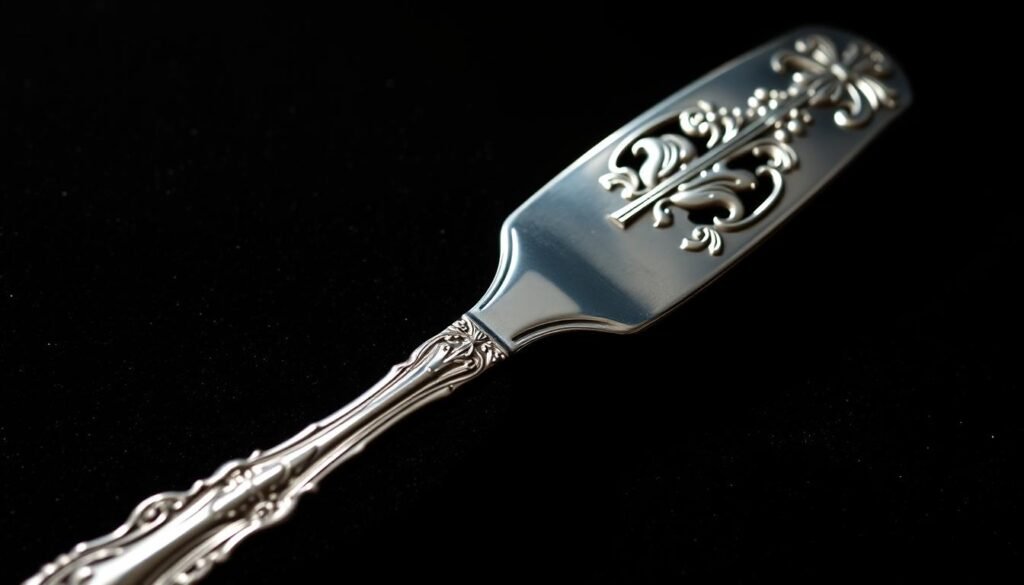
When silver items get very tarnished, it’s time for deep cleaning. This method needs more effort and the right techniques to make the item shine again.
When to Consider Professional Help
If your silver item is antique, has detailed designs, or is very tarnished, get professional help. Experts have the tools and knowledge to clean complex or valuable items safely.
Also, if you’re not sure about the best cleaning method or if the item has pearls or gemstones, a professional can help avoid damage.
DIY Deep Cleaning Techniques
For those who like to clean at home, there are DIY deep cleaning techniques to try. One good method is using a baking soda and water paste. Put the paste on the silver, wait a few minutes, then scrub and rinse.
Another way is a vinegar and baking soda paste. Mix them, apply to the silver, wait, then rinse. These methods are soft but effective for tarnish removal.
For tough tarnish, consider a commercial silver cleaner. Always read the instructions and test on a small area first.
Caring for Silver Jewelry
Silver jewelry is timeless and needs special care to stay shiny. Whether you wear it every day or save it for special times, knowing how to care for it is key.
Cleaning Tips for Rings and Necklaces
Cleaning silver jewelry right is important. For rings and necklaces, a soft cleaning method works best. Mix a bit of mild soap with warm water. Soak your jewelry in it for a few minutes to remove dirt.
For a deeper clean, try a silver cleaning solution. Always read the instructions and test it on a small area first.
Storing Silver Jewelry Safely
Storing jewelry right is crucial. Keep each piece in a cool, dry spot, away from sunlight. Use anti-tarnish bags or cloths to stop tarnishing.
| Storage Method | Benefits |
|---|---|
| Anti-tarnish bags | Prevent tarnishing, keep jewelry dry |
| Jewelry boxes with separate compartments | Organize pieces, prevent scratching |
| Soft cloth wrapping | Protects from dust, reduces tarnishing |
By using these cleaning tips and storage advice, your silver jewelry will stay beautiful for years. It will look as good as new.
Troubleshooting Common Silver Cleaning Issues
Even with the best cleaning efforts, silver issues can still pop up. Knowing how to fix these problems is key to keeping your silver in top shape.
Tackling Stubborn Spots
Dealing with stubborn spots on silver can be tough. Here are some steps to help:
- For tough tarnish, apply a small amount of silver polish directly to the spot and gently rub it with a soft cloth.
- If the spot doesn’t go away, try soaking the item in warm water and mild dish soap for a few minutes. Then, gently scrub it.
- For small, detailed areas, use a soft-bristled toothbrush to clean them gently.
What to Do If Silver Is Damaged
If your silver gets damaged while cleaning, act fast to prevent more harm. Here’s what to do:
- If there’s a scratch, use a silver scratch remover to buff it out.
- For serious damage like bending or breaking, see a professional jeweler or silver restorer.
- To avoid more damage, keep the item in a safe spot, away from things that could scratch it.
By using these troubleshooting tips, you can tackle common silver cleaning problems. This way, your silver will stay looking great.
Conclusion: Keeping Your Silver Shining
Maintaining silver is not hard if you know the right steps. With the right techniques and materials, it’s easy. Follow the tips in this article to keep your silver looking great.
Key Takeaways
To stop tarnish, store silver in sealed containers or display cases with special products. You can use desiccated silica gel to keep humidity low. Or, use activated charcoal or commercial products to remove gases that tarnish.
Regular Maintenance
Cleaning and storing silver regularly is key to keeping it shiny. Wrap each piece in acid-free tissue paper to protect it from humidity changes. For extra protection, use tarnish-inhibiting cloths or store in polyethylene bags.
By adding these simple steps to your routine, you’ll enjoy your silver for many years. And it will always shine.