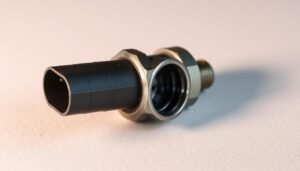
Did you know millions of drivers in the U.S. struggle with the check engine light? It’s a sign something’s wrong, but what does it mean? A check engine light can mean anything from a loose gas cap to a serious engine problem.
Knowing what’s causing it is key. With the right help, you can figure it out. For more details, check out this article. It explains how to diagnose the issue in simple steps. Learning how to diagnose can save you time and money on repairs.
Key Takeaways
- Understand the difference between a steady and flashing check engine light.
- Learn common issues that trigger the check engine light, such as a loose gas cap or faulty Mass Air Flow sensor.
- Discover how to use an OBD-II scanner to retrieve specific error codes.
- Identify potential causes of error codes like P2002 or P0401.
- Take the first step towards diagnosing and potentially fixing the issue.
Understanding the Check Engine Light
Knowing about the check engine light is key for car owners. This light is part of the onboard diagnostics system. It warns of problems that could harm performance, efficiency, and safety.
What Does the Check Engine Light Mean?
The check engine light can be steady or flashing. A steady light means a less serious issue, like a loose gas cap. A flashing light warns of a serious problem that needs quick attention.
When the light comes on, it means the Engine Control Unit (ECU) has found a problem. This could be with the engine, transmission, or emissions. The ECU stores a code that shows the exact issue, which can be found with an OBD-II scanner.how-to-clear-the-codes-of-a-check-engine-light
Common Reasons for the Light to Appear
Many things can make the check engine light come on. Common reasons include a loose or damaged gas cap, faulty oxygen sensor, or catalytic converter issues. Sometimes, a simple fix like tightening the gas cap is all that’s needed.
More serious problems, like a bad catalytic converter or oxygen sensor, need a pro to fix. Ignoring these can hurt fuel efficiency, increase emissions, and cost a lot to fix later. By understanding the light and fixing the problem, I keep my car running well.how-to-clean-rust-off-metal
Some common issues that trigger the check engine light include:
- Loose or damaged gas cap
- Faulty oxygen sensor
- Catalytic converter problems
- Mass airflow sensor issues
- Spark plug or ignition coil problems
Knowing these common causes helps me fix problems early. This keeps my car in top shape.
Tools I Need to Diagnose the Issue
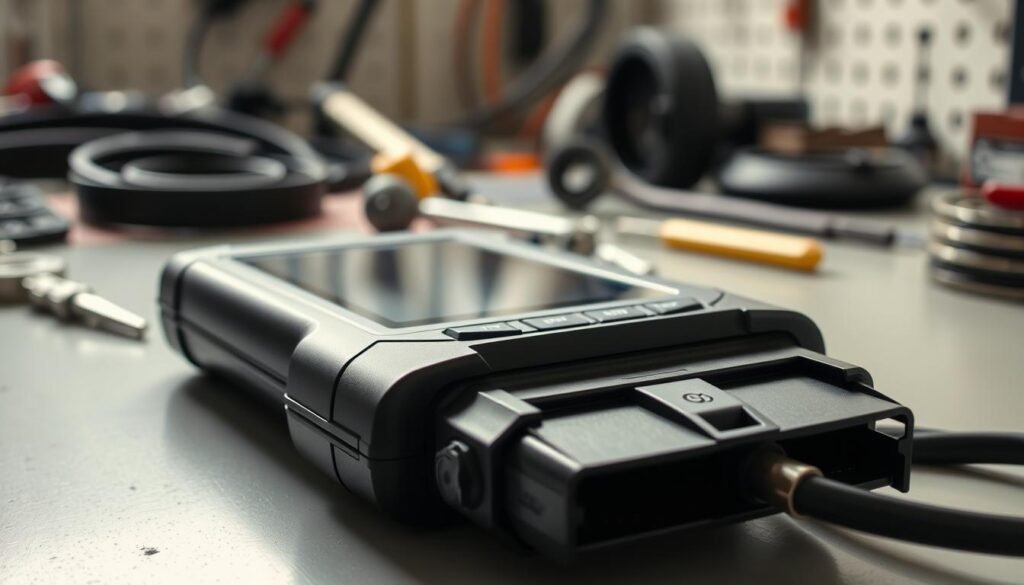
Diagnosing a check engine light needs some key tools. I’m here to show you what you need. The right tools help you understand what’s happening under the hood.how-to-clean-leather
OBD-II Scanner: My Best Friend
The OBD-II scanner is crucial for fixing check engine light problems. It connects to your car’s computer, giving you important info. I’ve found it to be a huge help in my own car repairs.
“An OBD-II scanner is more than just a tool; it’s your window into your vehicle’s health,” says a seasoned mechanic. This quote shows how important the right tools are.how-to-clean-keurig-with-vinegar
Recommended Scanners for Beginners
If you’re new to fixing check engine lights, there are great OBD-II scanners for beginners. Some top picks include:
- BlueDriver OBDII Scan Tool
- Autel AutoLink AL319
- Innoo Tech OBD2 Scanner
These scanners are easy to use and offer detailed checks. For more tips on using these tools, check out this resource.
Where to Buy OBD-II Scanners
OBD-II scanners are easy to find online and in stores. You can get them at:
- Amazon
- Autozone
- O’Reilly Auto Parts
Make sure to buy from a trusted seller for real products and support.
How to Retrieve Error Codes
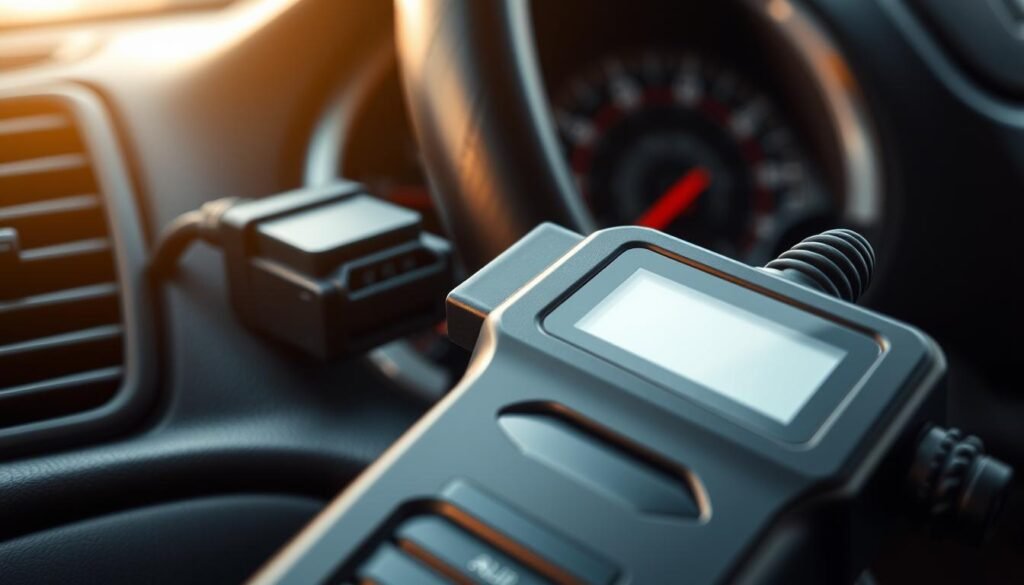
The first step in fixing a check engine light issue is to get the error codes with an OBD-II scanner. This step is key because it gives you the info you need to know what’s wrong with your car.how-to-clean-a-fish-tank
Connecting the OBD-II Scanner
To begin, connect the OBD-II scanner to your car’s OBD-II port. This port is usually found under the steering column. After connecting, turn on the ignition but don’t start the engine. The scanner should turn on and connect with your car’s computer.
Steps to connect the OBD-II scanner:
- Find the OBD-II port under the steering column.
- Plug in the OBD-II scanner.
- Turn on the ignition without starting the engine.
- Wait for the scanner to connect.
Interpreting the Codes
After connecting, the scanner will show a list of error codes. These codes are in a letter and number format, like “P0123” for the throttle/pedal position sensor. Use the scanner’s database or your car’s repair manual to figure out what each code means.
Common error codes include:
- P0xxx: Generic codes
- P1xxx: Manufacturer-specific codes
- C0xxx: Chassis codes
- U0xxx: Network codes
What to Do with the Codes
After getting and understanding the error codes, you need to act on the info. Some codes might be easy fixes, like a loose gas cap. Others could mean serious problems that need a pro’s help.how-to-clean-a-mousepad
For minor issues:
- Check and tighten the gas cap if the code is about the fuel system.
- Replace faulty sensors if the code says so.
For serious issues:
- Get a professional mechanic’s advice.
- Book a repair based on their diagnosis.
Clearing the Codes: Safe Methods
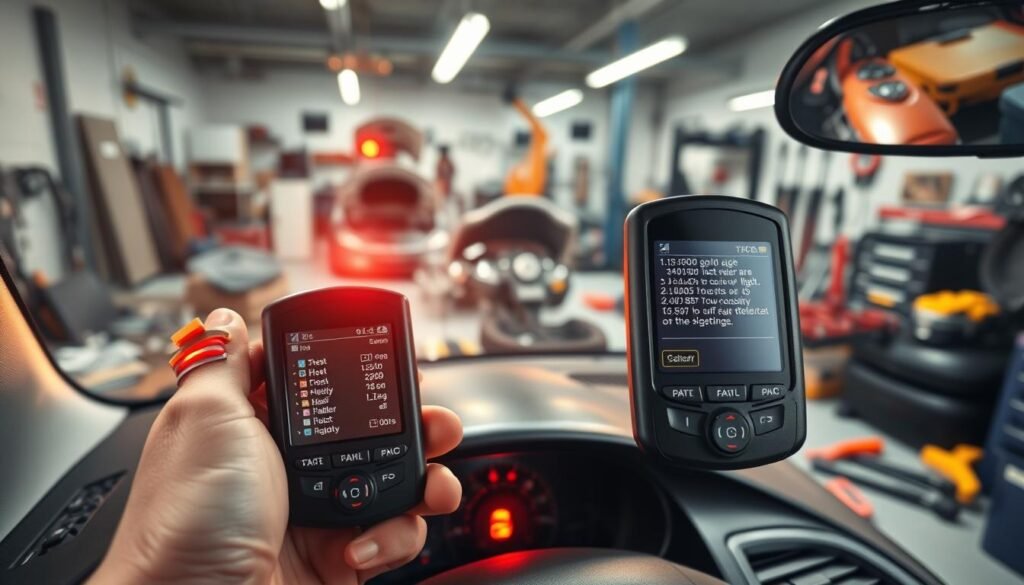
It’s important to know how to clear check engine light codes safely. This isn’t just about turning off the light. It’s about fixing the real problem.
Using an OBD-II Scanner to Clear Codes
An OBD-II scanner is a safe way to clear check engine light codes. It lets you read and clear trouble codes. This gives you insight into your vehicle’s health. Here’s how to use it:
- Connect the OBD-II scanner to your vehicle’s OBD-II port.
- Turn on the ignition.
- Follow the scanner’s instructions to read the trouble codes.
- Once you’ve identified the codes, use the scanner to clear them.
Remember, clearing codes doesn’t fix the problem. It just turns off the light. So, you must find and fix the real issue.how-to-clean-a-mouse-pad
“Using an OBD-II scanner is a straightforward process that can help you understand your vehicle’s issues better.”
Disconnecting the Battery: Is It Worth It?
Some think disconnecting the battery clears check engine light codes. But, it’s not always the best choice. It can reset the computer but might also lose radio presets and cause computer problems.
| Method | Pros | Cons |
|---|---|---|
| Using an OBD-II Scanner | Safe, provides diagnostic information | Requires purchasing a scanner |
| Disconnecting the Battery | Simple, no additional cost | Can cause other system resets, potentially problematic |
In conclusion, using an OBD-II scanner is the best way to clear check engine light codes. It’s safe and effective. Always fix the real problem before clearing the codes.
When to Seek Professional Help
Many check engine light problems can be fixed at home. But, there are times when you need a pro. If you’re not sure about the problem or it keeps coming back, it’s time to call for help.
Signs It’s Time to Call a Mechanic
There are clear signs you should get professional help. These include:
- Persistent or recurring check engine light issues
- Unusual noises or vibrations from the engine
- Noticeable decreases in vehicle performance or fuel efficiency
- Unfamiliar or confusing error codes
If you notice any of these, it’s best to talk to a mechanic. They can give a detailed diagnosis and fix the problem.
Cost Considerations for Professional Diagnosis
The cost for a professional diagnosis varies. It depends on the mechanic, the problem, and where you are. You might pay $50 to $200 for a diagnosis. For harder problems, it could cost more.
It’s important to think about the cost versus the benefits. If you’re not sure you can fix it yourself, a pro might be worth it.
For more info on check engine light codes, visit Ian’s Auto Service. They have detailed info on common codes and how to understand them.
“A professional diagnosis can provide peace of mind and prevent minor issues from becoming major repairs.”
Following Up After Clearing the Codes

The process doesn’t end with clearing the codes; following up is essential. After clearing the check engine light codes, it’s crucial to monitor your vehicle’s behavior. Check if the light recurs.
Checking for Recurrence of the Check Engine Light
I recommend keeping a close eye on your dashboard for any signs of the check engine light returning. If it does, it may indicate that the underlying issue wasn’t fully resolved.
To effectively monitor the situation, consider the following steps:
- Check your dashboard regularly for any warning lights.
- Keep a log of any recurring issues or patterns.
- Consult your vehicle’s manual for guidance on troubleshooting.
Importance of Regular Maintenance
Regular maintenance is key to preventing future check engine light issues. By staying on top of routine maintenance, you can identify and address potential problems before they become major issues.
A well-maintained vehicle not only runs more efficiently but also reduces the likelihood of the check engine light appearing. Here are some maintenance tasks to prioritize:
| Maintenance Task | Frequency | Benefits |
|---|---|---|
| Oil Changes | Every 5,000 to 7,500 miles | Lubricates engine, reduces wear |
| Tire Pressure Checks | Monthly | Improves fuel efficiency, safety |
| Brake Pad Replacement | Every 30,000 to 50,000 miles | Ensures safe braking performance |
By following these maintenance tips and staying vigilant about your vehicle’s performance, you can minimize the chances of the check engine light coming back on.
Tips for Preventing Future Check Engine Light Issues
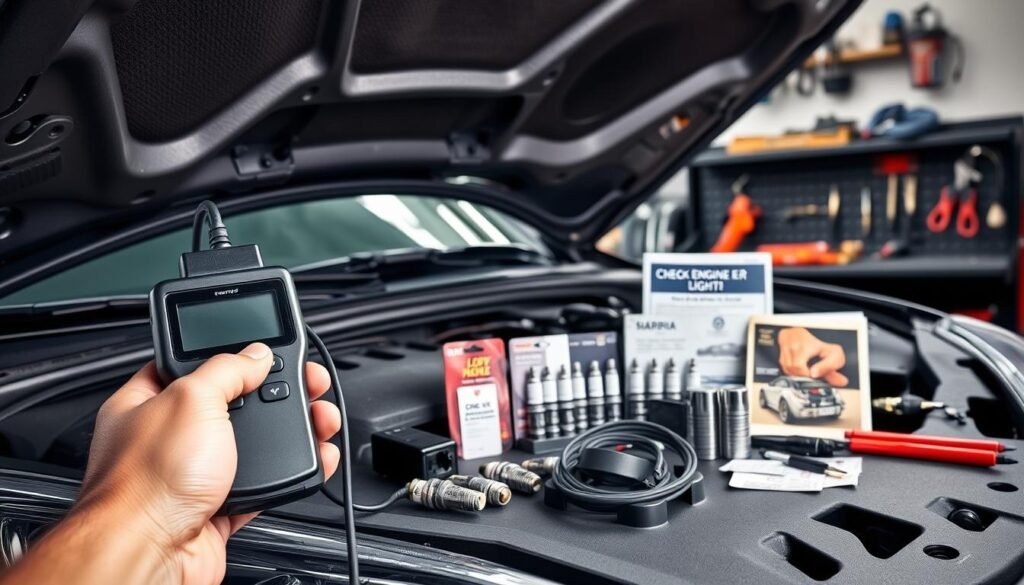
Staying on top of routine maintenance is key to avoiding check engine light problems. Regular maintenance keeps your vehicle running smoothly. It also helps spot potential issues before they become big problems.
Keeping Up with Routine Maintenance
Routine maintenance is essential for your vehicle’s health. It includes regular checks and replacements of parts that wear out. Important tasks include:
- Oil changes: Regular oil changes keep your engine lubricated and clean.
- Tire pressure checks: Proper tire pressure improves fuel efficiency and handling.
- Brake pad replacements: Worn-out brake pads can lead to serious safety issues.
- Fluid checks: Ensuring that all fluids (engine oil, coolant, brake fluid, etc.) are at the recommended levels is crucial.
By doing these tasks, you can lower the risk of your check engine light coming on. It’s also wise to check your vehicle’s manual for a recommended maintenance schedule.
Understanding Common Triggers
Knowing what triggers the check engine light can help you prevent it. Some common triggers include:
| Trigger | Description | Preventive Measure |
|---|---|---|
| Loose Gas Cap | A loose or damaged gas cap can cause the check engine light to come on. | Tighten the gas cap properly after fueling. |
| Faulty Oxygen Sensor | A malfunctioning oxygen sensor can lead to poor fuel efficiency and trigger the light. | Replace the oxygen sensor as recommended by your vehicle’s manufacturer. |
| Catalytic Converter Issues | A failing catalytic converter can cause the check engine light to appear. | Regularly check for any signs of catalytic converter failure. |
By knowing these common triggers and taking steps to prevent them, you can reduce the risk of a check engine light issue. Regular maintenance and quick action to any issues are crucial for your vehicle’s health.
What I Learned from My Check Engine Light Experience
My journey with the check engine light taught me more than I expected. At first, it was frustrating. But it turned into a valuable learning experience.
Personal Anecdotes and Lessons Learned
One big lesson was not to ignore the check engine light. I thought it was minor, but it was a sign of a bigger problem. A faulty oxygen sensor was the culprit, which could have harmed fuel efficiency and emissions.
Understanding error codes is key. I used an OBD-II scanner to get codes and looked them up online. This helped me fix the issue and learn more about my car’s systems.
Key Takeaways:
- Don’t ignore the check engine light; it can indicate minor or major issues.
- Use an OBD-II scanner to retrieve error codes.
- Interpret error codes using reliable online resources or repair manuals.
Resources That Helped Me Along the Way
Many resources were crucial during my journey. Online forums and repair manuals gave me the details I needed. YouTube tutorials also helped me understand the diagnostic process and how to use an OBD-II scanner.
| Resource | Description |
|---|---|
| OBD-II Scanner | A device used to retrieve error codes from your vehicle’s onboard computer. |
| Repair Manuals | Detailed guides that provide repair information specific to your vehicle’s make and model. |
| Online Forums | Communities where car owners share experiences and advice on dealing with vehicle issues. |
By using these resources, I was able to fix the problems the check engine light showed. This improved my understanding of my car and helped me keep it in good shape.
Understanding the Importance of Timely Action
When the check engine light turns on, it’s a clear sign you need to act fast. Ignoring it can cause big problems later, affecting your car’s performance and your budget.
Costly Consequences of Ignoring the Light
The check engine light means your car’s computer has found a problem. Ignoring this warning can lead to more severe problems, like engine damage or failure. These repairs can be very expensive.
A bad oxygen sensor can make your car use more fuel. This can damage the catalytic converter, a fix that costs over $1,000.
Long-Term Effects of Delayed Repairs
Waiting to fix your car can lead to more expensive repairs and harm its health. Driving with an unresolved issue can wear out other parts, causing a series of failures that are hard to fix.
Ignoring the check engine light can also make your car less efficient and less safe. For example, a faulty spark plug can reduce power and might cause an accident.
Fixing the problem quickly can prevent these issues. Regular maintenance and quick repairs help avoid the high costs of ignoring the check engine light.
Exploring the Connection Between the Light and Fuel Economy
The check engine light and fuel economy are closely linked. Knowing this helps save on fuel costs. When the check engine light comes on, it means there’s a problem with my vehicle.
How the Check Engine Light Affects My Fuel Efficiency
Problems shown by the check engine light can lower fuel efficiency. For example, a bad oxygen sensor can make my car use more fuel than it should. Experts say it’s important to know why the light is on to keep fuel efficiency high.
| Issue | Impact on Fuel Economy |
|---|---|
| Faulty Oxygen Sensor | Decreased fuel efficiency due to incorrect air-fuel mixture |
| Loose or Faulty Gas Cap | Evaporation of fuel, leading to decreased fuel economy |
| Catalytic Converter Issues | Reduced fuel efficiency and potential engine damage |
Tips for Improving Fuel Economy
To boost fuel economy, fix problems shown by the check engine light quickly. Regular maintenance, like oil changes and tire checks, also helps.
- Regularly check and maintain the recommended tire pressure.
- Use the correct grade of motor oil.
- Replace air filters as needed.
- Address any issues indicated by the check engine light promptly.
By following these tips and understanding the link between the check engine light and fuel economy, I can make my car more fuel-efficient. This saves me money on fuel costs.
The Role of Sensors in Triggering the Light
It’s key to know how sensors work to fix the check engine light. Today’s cars have many sensors to check engine health.
Overview of Common Sensors That Cause Issues
Some sensors can turn on the check engine light if they fail. These include:
- Oxygen Sensor: Checks the exhaust gas oxygen levels.
- Mass Airflow Sensor: Measures air intake to the engine.
- Crankshaft Position Sensor: Watches the engine’s crankshaft speed and position.
- Camshaft Position Sensor: Tracks the camshaft’s rotation.
How to Diagnose Sensor-Related Problems
Fixing sensor problems needs a step-by-step plan:
- Retrieve Error Codes: Use an OBD-II scanner to get error codes linked to the check engine light.
- Inspect Sensor Connections: Look at the connections and wiring of the suspected sensor for damage or corrosion.
- Test the Sensor: Use a multimeter to check the sensor’s electrical circuit. Make sure it works right.
- Replace the Sensor: If the sensor is bad, swap it out with a new one. Then, clear the error codes.
The Impact of Weather on the Check Engine Light
I’ve noticed that extreme weather, like cold temperatures, really affects my car’s engine. It’s important to understand this to fix problems with the check engine light.
How Cold Temperatures Affect Vehicle Performance
Cold weather changes how my car works. For example, it makes the engine less efficient. This can cause more emissions and turn on the check engine light. It also makes starting the car harder and can mess with tire pressure.
A study by the American Automobile Association (AAA) shows cold weather hurts fuel efficiency and engine health. Most cars work best in certain temperatures. Cold weather pushes them too hard.
Tips for Cold Weather Maintenance
To keep my car running well in cold, I do a few things. I check my battery to make sure it’s good, since cold is hard on batteries. I also keep an eye on my tire pressure to avoid wasting fuel and wearing out tires.
- Use winter-grade oil that is designed to flow more easily in cold temperatures.
- Keep my gas tank at least half full to prevent fuel line freeze.
- Check my vehicle’s belts and hoses for signs of wear, as cold weather can exacerbate existing issues.
By doing these things, my car stays in good shape even when it’s cold. This means the check engine light won’t come on as often.
| Maintenance Task | Benefit |
|---|---|
| Check Battery Condition | Prevents Starting Issues |
| Use Winter-Grade Oil | Improves Engine Performance in Cold |
| Maintain Proper Tire Pressure | Enhances Fuel Efficiency and Safety |
“Regular maintenance is key to preventing issues that can trigger the check engine light, even in extreme weather.”
Benefits of Keeping a Check Engine Light Journal
Keeping a journal of check engine light issues helps me understand my car better. It shows patterns that might not be obvious. This has been key in keeping my car in good shape.
One big plus of a check engine light journal is tracking codes and repairs. I log error codes, repairs, and follow-ups to make sure problems are fixed. For example, I use a table to keep track:
| Date | Error Code | Description | Repair Made |
|---|---|---|---|
| 02/10/2023 | P0420 | Catalyst System Efficiency Below Threshold | Replaced Catalytic Converter |
| 01/15/2023 | P0300 | Random/Multiple Cylinder Misfire Detected | Replaced Spark Plugs |
Tracking Codes and Repairs
Tracking codes and repairs helps spot recurring problems. This is key to avoiding bigger issues later. For instance, seeing the same error code often means there’s a deeper problem.
For more on diagnosing check engine light issues, check out this resource.
Long-Term Benefits of Documenting Issues
Keeping a check engine light journal has long-term benefits. It leads to better car maintenance and easier diagnosis of future problems. Having a detailed record helps mechanics work faster and cheaper.
It also shows how my car’s health is affected by maintenance and driving. This knowledge helps me make better choices for my car’s care.
Final Thoughts: My Journey with the Check Engine Light
Dealing with the check engine light can be tough. But it has taught me a lot. I now understand my car’s needs better and the value of regular care.
Learning from Experience
As I worked to fix the problem, I learned how key vehicle care is. Keeping up with maintenance and fixing issues quickly helps avoid bigger problems later.
Empowering Others
I want to help others who face similar issues. By tackling the problem head-on, car owners can keep their vehicles running smoothly.
In conclusion, taking care of your vehicle is essential. It leads to a better driving experience and a more positive relationship with our cars.